Backup Generator Installation Cost Factors in Oregon
Backup Generator Installation Cost Factors for Oregon Homes
Backup generator installation cost is not a single line item. For Oregon homeowners, the final investment depends on your home’s electrical load, fuel setup, site conditions, permit requirements, and how much of the house you want powered during an outage. A simple essential-circuit setup and a whole-home standby system can look very different once the electrical work, transfer switch, gas connection, pad, trenching, and inspection steps are included.
Ready for a number that reflects your home, not a national average? Request a custom generator quote from Pro-Tech-Power.
This guide breaks down the main cost factors so you can compare quotes with confidence and avoid surprises. It is written for homeowners across the Portland metro and Willamette Valley who want reliable backup power without guessing at the budget. Beaverton homeowners comparing local proposals can consult a Beaverton generator installation electrician for backup power planning.
What Is Included in Backup Generator Installation Cost?
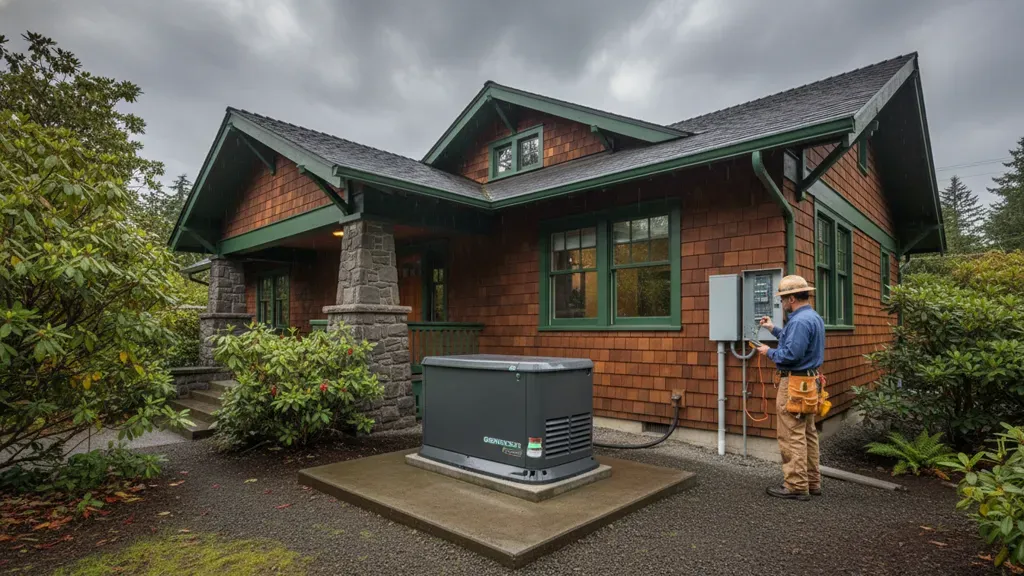
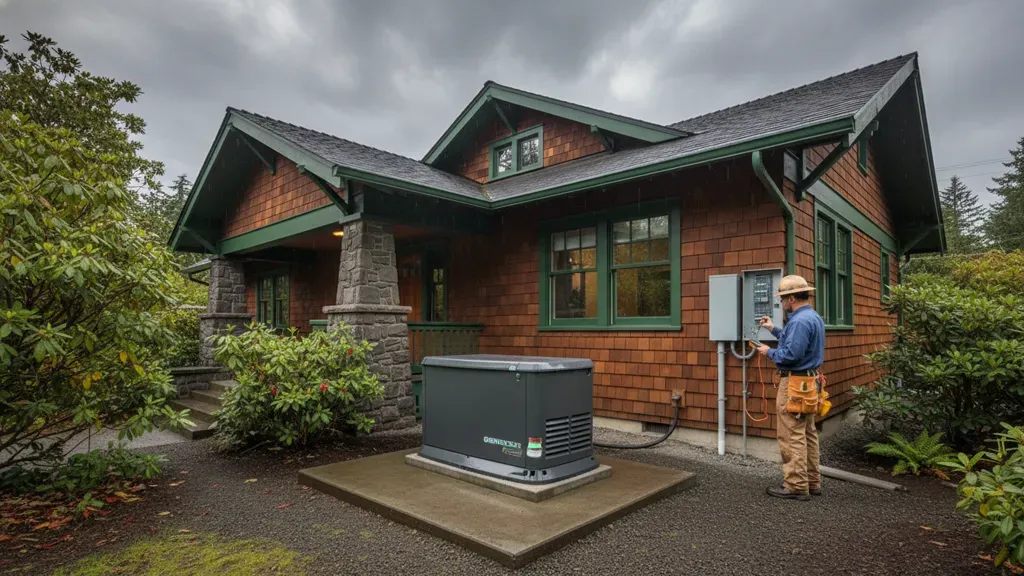
A complete standby generator project usually includes more than the generator itself. The installed price may include equipment, electrical labor, a transfer switch, fuel piping or propane coordination, a concrete or composite pad, permits, inspection support, and startup testing. Some homes also need electrical panel upgrades or utility coordination before the generator can operate safely.
That is why two homes with the same generator size can receive very different quotes. One may have a short fuel run, clear placement, and a modern panel. Another may need trenching, a longer gas line, a panel change, or extra load management equipment.
Before comparing bids, ask each contractor to define what is included and what is excluded. A lower equipment-only price may not reflect the real installed cost. A more complete proposal should show the generator size, transfer switch type, fuel scope, permit handling, and any known electrical upgrades.
1. Generator Size and Home Load
Generator size is one of the biggest cost drivers. A smaller standby unit that powers only key circuits costs less than a larger unit designed to support most of the home. The right size depends on the appliances and systems you want to run during an outage.
Common backup power priorities include refrigerators, freezers, well pumps, medical equipment, internet equipment, lighting, heating controls, garage doors, and selected outlets. Larger loads may include heat pumps, air conditioning, electric ranges, water heaters, hot tubs, or EV charging equipment. Those larger loads can change the generator size and may also affect panel and transfer switch planning.
A professional load calculation matters because guessing can create two problems. An undersized generator may trip or fail to support the loads you expect. An oversized generator can raise the project cost without adding useful reliability. For a deeper look at sizing, see Pro-Tech-Power’s guide to choosing the right generator for your house.
2. Whole-Home Power vs Essential Circuits
One of the first budget decisions is whether you want whole-home coverage or selected essential circuits. Whole-home coverage is more convenient because the generator can support a broad set of everyday loads. It also tends to require a larger generator, a more capable transfer switch, and more detailed load management.
An essential-circuit approach focuses the budget on the systems that matter most. This may be enough if your goal is to keep food cold, maintain heat controls, preserve internet access, and power a few key rooms. It may not support every comfort load at the same time.
Neither option is automatically better. The right approach depends on outage risk, family needs, medical or remote-work requirements, and your tolerance for manually limiting power use during an outage. A clear scope decision early in the process helps prevent cost creep later.
3. Transfer Switch Type
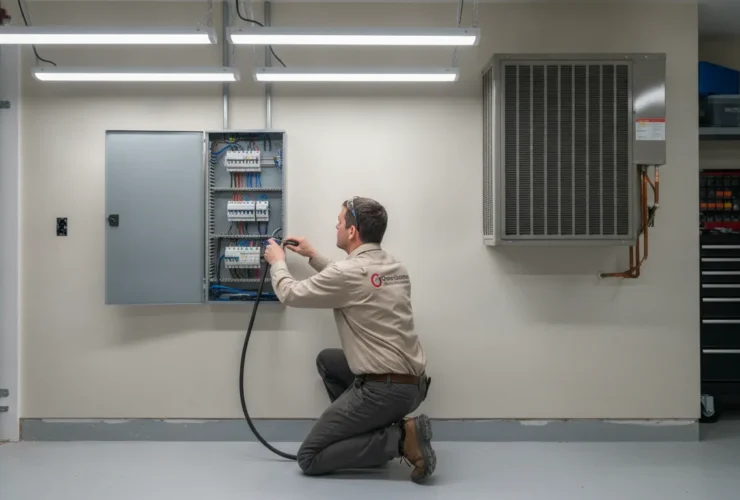
The transfer switch is the equipment that safely connects the generator to your home’s electrical system. For standby generators, an automatic transfer switch detects an outage, disconnects the home from utility power, and allows the generator to take over. When utility power returns, it switches the home back.
The transfer switch is not optional on a permanent standby installation. It protects utility workers, the home, and the generator. Cost can vary based on amperage, panel layout, whether the switch covers the full home or selected circuits, and whether load management modules are needed.
If your home has a complex electrical setup, subpanels, solar equipment, battery storage, or EV charging, the transfer switch design may take more planning. That design work is part of creating a safe, code-compliant backup power system.
4. Fuel Source and Fuel Line Work
Most standby generators use natural gas or propane. In many Oregon neighborhoods, natural gas is convenient because it does not require on-site fuel storage. Rural homes or properties without gas access may use propane, which adds tank sizing and placement considerations.
Fuel work can affect the quote in several ways. A short, accessible gas run is usually simpler than a long run that requires trenching, pavement crossing, or meter review. A larger generator may also require a larger gas supply. If the existing meter or piping cannot support the added load, upgrades may be needed before installation.
Homeowners often underestimate this part of the budget because the generator price is easier to see than the fuel path. For more detail on this scope, read Pro-Tech-Power’s guide to natural gas line planning for a generator.
5. Electrical Panel Condition
Your electrical panel has to be ready for the generator plan. Older homes in Portland, Tigard, Beaverton, Lake Oswego, and nearby communities may have panels that need additional capacity, updated labeling, repair, or replacement before a standby system can be connected.
Panel condition matters for safety and reliability. A generator installation can reveal outdated equipment, crowded circuits, aging breakers, or a layout that does not support the desired transfer switch. If a panel upgrade is needed, it becomes a separate cost factor that should be clearly identified in the proposal.
This is also where hiring a licensed electrical contractor helps. Pro-Tech-Power handles residential electrical projects as well as generator installations, so the team can evaluate the full electrical picture instead of treating the generator as a standalone appliance.
6. Placement, Pad, Clearance, and Site Conditions
The generator needs a stable location with proper clearance, safe exhaust routing, and access for future upkeep. Placement affects both code compliance and labor. A flat, accessible side yard near the gas meter and electrical panel is usually simpler than a tight site with slopes, landscaping, retaining walls, long distances, or limited access.
Site preparation may include a concrete or composite pad, minor grading, trenching, conduit, fuel piping, and weatherproof electrical connections. Oregon rain, drainage, and soil conditions should be considered so the unit sits securely and remains accessible year-round.
Placement also affects noise and neighbor considerations. The goal is not just to fit the generator somewhere. The goal is to place it where it can operate safely, drain properly, meet clearance rules, and remain practical to access after installation.
7. Permits and Local Inspection Requirements
Permanent standby generator projects typically involve permitting and inspection. Depending on the scope, the project may involve electrical permits, fuel-related permits, and local inspection steps. Requirements can vary by jurisdiction, including Portland, Tigard, Beaverton, Tualatin, Lake Oswego, and surrounding Oregon communities.
Permits add cost, but they also protect the homeowner. A permitted installation creates a record that the work was reviewed for safety and code compliance. That can matter for insurance, resale, and future electrical work.
Permitting can also affect the project timeline. The physical installation may take only a few days once materials, location, and approvals are ready, but scheduling and inspection windows can extend the full process. Build that timing into your planning if you want backup power before winter storms or wildfire-season shutoffs.
8. Labor, Licensing, and Project Coordination
Generator installation is not a DIY project. It combines electrical work, fuel coordination, load calculation, code compliance, equipment placement, and final testing. Skilled labor is a major part of the cost because the system must operate safely when the grid is down.
Pro-Tech-Power is based in Tigard and works throughout the Portland metro and Willamette Valley. The company was founded in 2013 and brings residential electrical experience, project coordination, and backup power knowledge under one roof. Its team includes licensed electricians and dedicated estimating support, which helps homeowners move from a rough idea to a clear project scope.
If you are comparing options now, review the home generator installation process, then contact Pro-Tech-Power for a site-specific quote.
9. Equipment Availability and Brand Selection
Equipment cost depends on generator capacity, enclosure quality, controller features, warranty terms, and availability. Some homeowners focus only on the unit price, but the installed value depends on whether the equipment fits the home, fuel source, transfer strategy, and long-term reliability goals.
Availability can also affect timing. During storm seasons or periods of high demand, certain sizes may have longer lead times. A contractor who understands both electrical design and generator options can help you choose equipment that fits the home without overspending on features you do not need.
For a broader overview of backup power options, read Backup Generator 101 and the standby generator buyer’s guide.
How to Compare Generator Installation Quotes
When you receive quotes, compare scope before comparing price. A strong proposal should answer these questions:
- What size generator is recommended, and why?
- Does the quote include the transfer switch?
- Is the system designed for whole-home coverage or essential circuits?
- What fuel work is included?
- Are permits and inspections included?
- Does the electrical panel need upgrades or corrections?
- Where will the generator be placed, and what site work is required?
- What is excluded from the quote?
- What is the expected project timeline?
A quote that answers these questions reduces the chance of change orders. It also gives you a better way to compare contractors. The lowest number is not always the lowest final cost if major scope items are missing.
What Should Oregon Homeowners Budget For?
There is no honest one-size-fits-all answer for Oregon homes. A smaller essential-load project, a larger whole-home standby system, a simple gas path, a difficult trench, an older electrical panel, and a tight urban lot can all produce different budgets.
The better way to budget is to start with your outage priorities. Decide what must run during an outage, what would be nice to have, and what you can leave off. Then have a licensed electrical contractor evaluate the panel, fuel path, placement, and local permit requirements.
That process turns a vague online estimate into a project number you can trust. It also helps you avoid paying for capacity you do not need or discovering late that your panel or fuel supply changes the scope.
When Is a Backup Generator Worth the Cost?
A backup generator may be worth the cost if outages create safety risks, work disruptions, food loss, comfort problems, medical concerns, or property damage risk. Oregon homeowners may consider standby power because of winter storms, wind events, ice, wildfire-season grid concerns, remote work needs, or rural utility exposure.
The value is not only convenience. It can protect sump pumps, refrigeration, heating controls, security systems, internet access, and daily routines. For some homes, the generator is a comfort upgrade. For others, it is part of a resilience plan.
Pro-Tech-Power’s local team can help homeowners weigh those priorities and choose a practical path forward.
Frequently Asked Questions
What is the biggest backup generator installation cost factor?
The largest factors are usually generator size, transfer switch scope, fuel line work, panel condition, and site complexity. A whole-home setup with a long fuel run and panel upgrades will cost more than an essential-circuit setup with a simple installation path.
Do I need a permit for a standby generator in Oregon?
Most permanent standby generator projects require permits and inspection. The exact requirements depend on the city or county and the electrical and fuel scope. A licensed contractor can confirm what applies to your home.
Can I install a backup generator myself?
A permanent standby generator should be installed by qualified professionals. The project involves electrical connections, transfer equipment, fuel planning, clearance requirements, and inspection steps. DIY errors can create fire, shock, carbon monoxide, and utility backfeed risks.
How long does installation take?
The on-site work may take a few days for many homes, but the full timeline can be longer because of equipment availability, permitting, utility coordination, inspections, and scheduling. If you want backup power before a high-risk weather season, start early.
Get a Clear Generator Installation Quote for Your Oregon Home
Backup generator installation cost comes down to scope. The right quote should reflect your home’s load, fuel path, panel condition, placement, local permit requirements, and comfort goals. Online averages can help you understand the category, but they cannot replace an on-site evaluation.
Pro-Tech-Power helps Oregon homeowners plan safe, reliable backup power systems. Request your custom generator installation quote today or call 503-780-6207.