
Generators
Home Generator Installation Portland: A 7-Step Guide
Pro Tech Power
· 21 Min Read
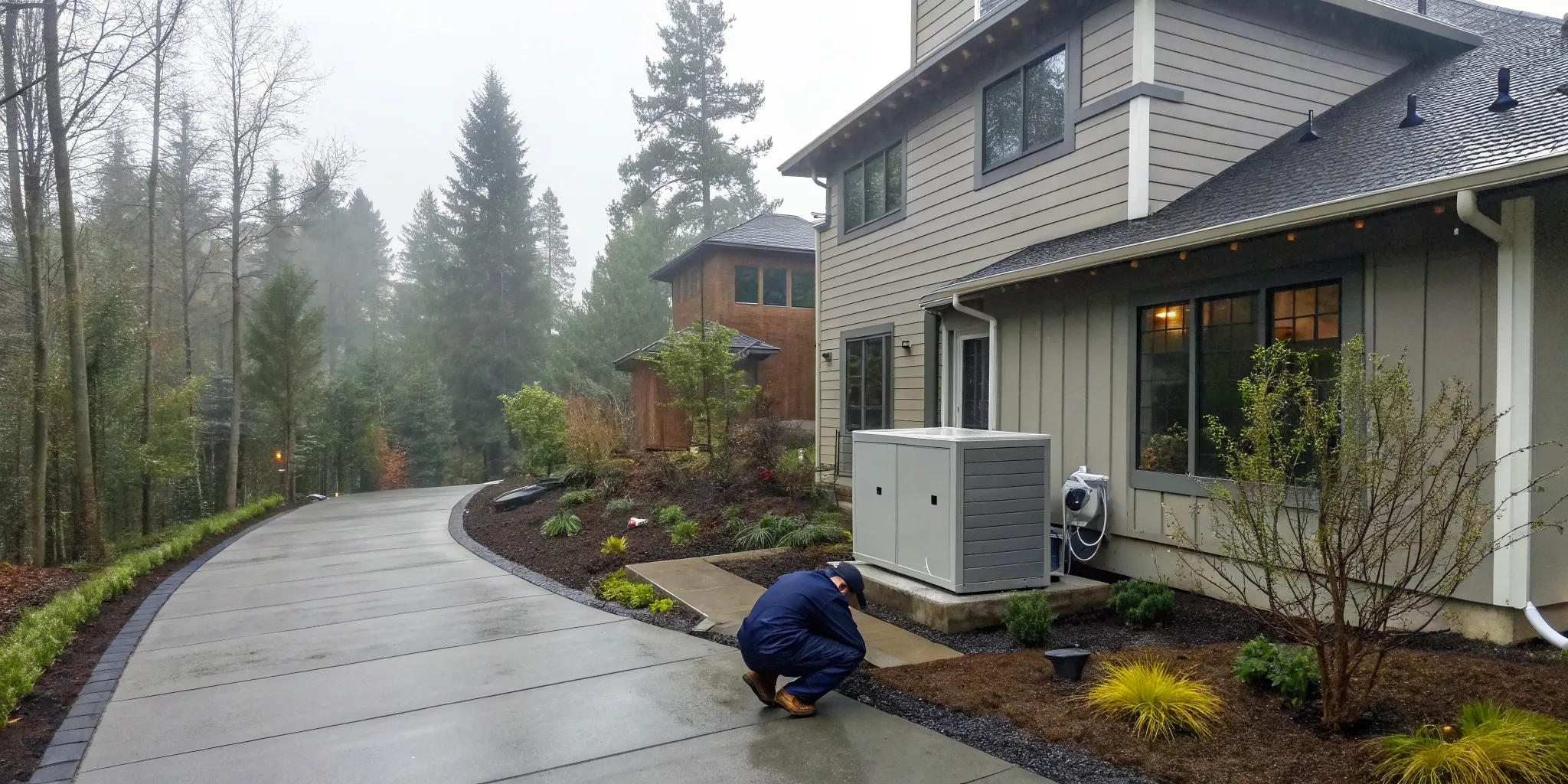
The idea of installing a home generator can seem complex, involving electrical panels, fuel lines, and local permits. It’s a project that needs to be done right to ensure it’s safe and reliable. But it doesn’t have to be intimidating. Our goal is to demystify the process for you from start to finish. We’ll explain the different types of generators, help you understand how to size one for your home, and outline what a professional installation looks like. This guide provides the essential information you need for a successful home generator installation Portland homeowners can feel good about, turning a complicated project into a simple one.
Key Takeaways
- Right-size your generator for reliable power: Determine whether you need to power your entire home or just critical appliances, then get a professional load calculation to ensure your generator can handle the demand during an outage.
- Budget for the complete project, not just the machine: Remember that the total cost includes the generator, professional installation, and local permits; be sure to ask about local incentives that can help lower your final price.
- Hire a qualified installer for a safe setup: Always choose a licensed, bonded, and insured electrical contractor who understands Portland’s specific codes to ensure your generator is installed safely and your warranty remains valid.
What Are My Home Generator Options in Portland?
When the power goes out, having a backup plan is about more than just convenience; it’s about keeping your home safe, warm, and functional. In the Portland area, where storms can be unpredictable, a home generator is a smart investment. But with a few different types on the market, how do you know which one is right for you? The best choice really comes down to your specific needs. Are you looking to power your entire house without skipping a beat, or do you just need to keep a few essentials like the refrigerator and some lights running?
Understanding the main categories of generators is the first step. The three most common options for homeowners are standby, portable, and inverter generators. Each one works differently and is designed for a specific purpose. A standby generator offers a seamless, automatic solution for whole-house power, while portable and inverter models provide more temporary, targeted electricity. Let’s walk through what each type does so you can feel confident in deciding which one fits your home and lifestyle.
Standby Generators
If you’re looking for a “set it and forget it” solution, a standby generator is your best bet. These are permanent units, professionally installed outside your home, much like an air conditioning unit. They connect directly to your home’s electrical system and run on a continuous fuel source like natural gas or propane. The best part? They turn on automatically the moment an outage is detected, often within seconds. This means you can power your entire home, from the lights and appliances to your heating system, without any interruption. The American Red Cross even recommends them for their safety and convenience.
Portable Generators
A portable generator is a smaller, mobile unit that you can wheel outside when you need it. These generators typically run on gasoline and require manual setup; you’ll need to start it and connect appliances using heavy-duty extension cords. While they are a more budget-friendly option, they can only power a few essential items at a time, like a refrigerator, a microwave, or a space heater. They are a practical choice for short-term outages or for activities away from home, like camping or tailgating. However, they aren’t designed to support an entire household’s electrical load during an extended power outage.
Inverter Generators
Inverter generators are a special type of portable generator known for producing “clean” electricity. This means they generate a stable electrical current that’s safe for sensitive electronics like laptops, smartphones, and modern TVs. They are also significantly quieter and more fuel-efficient than traditional portable models, especially when you’re only powering a few small items. Because of their compact size and clean power output, inverter generators are perfect for recreational use or for keeping a home office running during an outage. They are not, however, powerful enough to handle the demands of an entire home.
Top Generator Brands for Portland Homes
Choosing a generator isn’t just about picking a machine; it’s about investing in reliability for your home. When the Pacific Northwest weather acts up and the power goes out, you want a generator that starts automatically and keeps your lights, heat, and appliances running without a hitch. While there are many options on the market, a few brands consistently earn top marks for performance, durability, and homeowner satisfaction. Getting familiar with these leading names is the first step toward finding the perfect fit for your property.
At Pro-Tech-Power, we specialize in generator installations, focusing exclusively on Kohler and Cummins systems. To help you choose the best backup power for your home, we’ll walk you through the strengths of the industry’s top brands: Kohler, Cummins, and Generac. Each offers unique strengths, and understanding them will help you make an informed decision. Whether you need to power a few essentials or your entire home, one of these brands is sure to meet your needs and give you the peace of mind you deserve. We’ve seen firsthand how these generators perform for Portland-area homeowners, and we’re here to share what makes each one a solid choice.
Kohler Generators
Kohler has built a stellar reputation for its dependable and powerful home generators. They are known for their commercial-grade engines and robust build quality, which means they’re designed to last. When a power outage hits, a Kohler generator kicks in automatically, often in just a few seconds, restoring power so seamlessly you might not even notice it was gone. They offer a great range of models, from the popular Kohler 20kW Generator, perfect for most medium-sized homes, to larger units for more extensive power needs. Homeowners consistently praise them for their quiet operation and the confidence that comes with a high-quality power backup system. As authorized Kohler dealers, we can help you select and install the ideal model for your home.
Cummins Generators
Cummins is another powerhouse in the generator world, recognized for its durable and incredibly efficient machines. They are engineered to perform reliably under the toughest conditions, making them a fantastic choice for homeowners who prioritize long-term dependability. Cummins generators are also designed with advanced technology to run more quietly and efficiently than many competitors, which is a huge plus for residential neighborhoods. Their product line includes a variety of sizes to match different household energy demands. Because we are an official Cummins dealer, our team has the expertise to guide you through their offerings and ensure you get a generator built for lasting performance.
Generac Generators
Generac is one of the most recognized names in home backup power, and for good reason. They offer a wide array of models that make reliable power accessible to many homeowners. Known for their user-friendly features and straightforward operation, Generac generators are a popular choice for powering essential circuits or entire homes during an outage. Many homeowners appreciate the brand’s focus on creating dependable and easy-to-use systems. Generac is one of the most recognized names in home backup power. Many homeowners appreciate the brand’s focus on creating dependable and easy-to-use systems. While our team specializes in installing and servicing Kohler and Cummins systems, understanding all your options ensures you make the right choice for your home’s specific needs.
How Much Should I Budget for a Generator Installation?
Figuring out the budget for a home generator is one of the most important steps in the process. It’s more than just the price of the generator itself; you also have to account for professional installation, local permits, and any necessary electrical upgrades. Thinking about these costs upfront helps you plan effectively and avoid surprises down the road. A clear budget ensures you can get a reliable system that fits your home’s needs without any financial stress.
Let’s break down the key financial components so you can create a realistic budget for your Portland home generator project.
Understanding Installation Costs
When you invest in a standby generator, the total price tag typically includes both the unit and the complete installation. For most homes, you can expect this to range from $8,000 to $16,000. Where your project falls in that range depends on a few things, like the generator’s capacity and the complexity of the installation. For instance, the distance from your electrical panel to the generator’s location, the type of fuel source (natural gas or propane), and any required upgrades to your home’s electrical system can all influence the final cost. A professional installer can walk you through a detailed quote based on your specific property.
Factoring in Permits and Other Fees
In Portland, installing a generator isn’t as simple as just setting it in place. The city has specific code requirements to ensure everything is done safely and correctly. You’ll need to secure several permits, which can include electrical, building, and mechanical permits. While the costs can vary, the total for all necessary permits usually falls between $150 and $800. It’s a small but essential part of your overall budget that guarantees your installation is compliant and safe. Working with an experienced contractor like Pro-Tech-Power means we handle the entire permitting process for you, making sure everything is filed correctly from the start.
Exploring Local Incentives and Financing
The good news is that you might not have to cover the entire cost on your own. There are local programs that can help make your generator installation more affordable. For example, PGE customers may be eligible for cash incentives of $0.25 per watt of installed capacity, with a maximum of $2,000 per home. Additionally, Oregon’s Home Energy Rebate Programs can offer rebates for energy-efficient upgrades that improve your home’s resilience. These programs change over time, so it’s always worth checking for current incentives. They can significantly reduce your total investment and make peace of mind more accessible.
Find the Right Generator Size for Your Home
Choosing the right generator size is one of the most important decisions you’ll make in this process. A generator that’s too small won’t be able to power everything you need, leaving you in the dark when you need it most. On the other hand, an oversized unit is inefficient and costs more than necessary. The goal is to find that perfect balance where your home’s power demands are met without overspending on a unit that’s more than you require. It’s less about the brand and more about matching the machine’s capacity to your family’s specific needs during an outage.
Calculate Your Home’s Power Needs
First, you need a clear picture of your electricity usage. Think about which appliances and systems are non-negotiable during a power outage. This usually includes essentials like your refrigerator, freezer, heating and cooling systems, well pump, and key lighting. You might also want to power medical equipment, home office setups, or security systems. Each appliance has a starting wattage (the power it needs to turn on) and a running wattage. A professional load calculation is the most accurate way to determine your exact needs. For many Portland homes, a 24kw or 26kw generator provides enough power for the entire house, but a custom assessment ensures you get the right fit.
Deciding Between Essential and Whole-House Power
Your next choice is whether to power just the essentials or your entire home. An essential-load system is wired to support only critical circuits, like the kitchen and furnace. This requires a smaller, more affordable generator. A whole-house generator, however, powers everything in your home, just as if the grid were still on. With a whole-house standby generator, you won’t have to worry about a thing; it kicks on automatically and runs on natural gas or propane, so life continues without interruption. This option offers complete peace of mind, ensuring every light, outlet, and appliance works seamlessly.
Why Portland’s Weather Matters
Here in the Pacific Northwest, we know the weather can be unpredictable. Strong winds, ice storms, and heavy rains can all lead to power outages that last for hours or even days. Having a generator isn’t just about convenience; it’s about being prepared for what our local climate can throw at us. A reliable power source keeps your home safe and functional, preventing frozen pipes in the winter and keeping your family comfortable during a summer storm. Investing in a generator gives you the security of knowing you’re ready for any Portland-area power outage, no matter the season.
How to Find a Qualified Generator Installer in Portland
Choosing the right installer for your home generator is just as important as picking the right brand. This is a significant upgrade to your home’s electrical system, and the quality of the installation directly impacts its safety, reliability, and longevity. A qualified installer doesn’t just connect the equipment; they manage the entire project, from securing the right permits to ensuring every connection is safe and up to code. They are your expert partner in protecting your home and family from power outages.
Think of it this way: you’re not just buying a product, you’re investing in a complex system that needs to integrate perfectly with your home. The right team will have deep experience with local regulations and a clear process for getting the job done right. They’ll be able to answer all your questions and provide a seamless experience. When you work with a professional generator installer, you’re buying peace of mind, knowing that your backup power system will be ready the moment you need it. This isn’t a job for a general handyman; it requires a licensed electrical contractor with specific generator experience.
Verify Licensing and Insurance
Before you even discuss pricing, your first step should be to confirm that any potential installer is properly licensed, bonded, and insured. This is non-negotiable. A license from the Oregon Construction Contractors Board (CCB) proves they meet the state’s standards for electrical work. Being bonded protects you financially if the contractor fails to complete the job, while insurance covers any accidental damage to your property during the installation. You can easily verify a contractor’s license online. Asking for proof of these credentials is a standard part of the vetting process, and any reputable company will provide them without hesitation.
Look for Experience with Local Codes
Generator installation involves more than just electrical work. In Portland and the surrounding metro area, you’ll need to comply with specific local building, fire, and mechanical codes. A qualified installer will be an expert in these local requirements and will handle the entire permitting process for you. They’ll know the specific rules for placement, fuel line installation, and noise ordinances. This local expertise is critical for ensuring your installation is not only safe but also fully compliant, saving you from potential fines or the headache of having to redo work later on.
Ask About Warranties and Support
A quality installation is backed by strong warranties. There are typically two you should ask about: the manufacturer’s warranty on the generator itself and the workmanship warranty from the installer. A professional installation is often required to keep the manufacturer’s warranty valid, so cutting corners with an unqualified installer can be a costly mistake. A workmanship warranty shows that the contractor stands behind the quality of their work. Ask potential installers to explain their warranties clearly so you understand what’s covered and for how long. This gives you confidence that your investment is protected for years to come.
What to Expect During Your Generator Installation
Once you’ve chosen the right generator, the installation process begins. This isn’t a weekend DIY project; it’s a complex job that involves electrical wiring, fuel lines, and local regulations. A professional installation ensures your generator works safely and reliably when you need it most. From the initial site assessment to the final walkthrough, a qualified team handles every detail so you don’t have to worry.
The entire process is designed to be as smooth as possible. Your installer will prepare the site, place the unit, connect it to your home’s electrical system and fuel source, and test everything thoroughly. They will also manage all the necessary paperwork and inspections, which can be a huge relief. At Pro-Tech-Power, we manage the entire generator installation process to give you peace of mind, knowing your home is protected from power outages.
Handling Permits and Local Codes
Getting a home generator installed in Portland involves more than just picking a spot in your yard. The city has specific rules to ensure every installation is safe. To get the job done, you’ll need several permits, which can include building, electrical, fire, and mechanical permits. This might sound like a lot of red tape, but it’s all about protecting your home and family.
A licensed electrical contractor will handle the entire permitting process for you. We understand the local code requirements and will make sure all paperwork is filed correctly and every inspection is passed. This is one of the biggest advantages of working with a professional. You can relax knowing your installation is fully compliant and up to the highest safety standards.
The Step-by-Step Installation Timeline
While every project is a little different, a typical generator installation follows a clear timeline. First, we’ll prepare the site by leveling the ground and pouring a concrete pad for the generator to sit on. Next, we carefully place the unit and connect it to your home’s fuel source, whether that’s natural gas or propane.
The most critical step is the electrical work. Our electricians will install an automatic transfer switch, which is the device that tells your generator to turn on when the power goes out. We then connect the generator to your home’s main electrical panel. After a final check of all connections, we’ll run a full system test to make sure everything works perfectly. We’ll even walk you through the system so you feel confident using it. Ready to get started? You can schedule a consultation with our team.
Following Safety and Placement Rules
Where your generator is placed is extremely important for safety and performance. Generators produce carbon monoxide, so they must be installed a safe distance from doors, windows, and vents to protect your family. Local codes have strict rules about this, and a professional installer will know exactly where to place your unit for optimal safety and compliance.
Beyond proper placement, a professional installation avoids other serious DIY wiring hazards. We ensure the generator is properly ventilated, the electrical load is managed correctly, and all connections are secure. These steps are essential for preventing electrical fires and ensuring your generator operates reliably for years to come. Following these safety protocols isn’t just about meeting regulations; it’s about keeping your home and loved ones safe.
Common Generator Installation Mistakes to Avoid
Investing in a generator is a smart move for any Portland homeowner, but a few common missteps can turn a great investment into a headache. The good news is that these pitfalls are easy to sidestep with a bit of planning. When you know what to look out for, you can ensure your generator is a reliable source of power for years to come. From choosing the right unit to getting it installed correctly, avoiding these frequent errors will help you protect your home and your budget. Let’s walk through the three biggest mistakes we see so you can get your installation right the first time.
Focusing Only on Price
It’s tempting to let the price tag be your main guide, but the cheapest generator isn’t always the most cost-effective. A lower upfront cost can hide future expenses, like higher fuel consumption or the need for frequent repairs. More importantly, one of the most common mistakes is “not considering what fuel is readily available or practical for your property.” If you buy a diesel generator but live in an area where natural gas is more accessible, you could face major hassles during an outage. Think about the total cost of ownership, including fuel, installation, and the unit’s lifespan, to make a truly sound financial decision.
Getting the Wrong Size
Choosing the right size generator is critical for keeping your home running smoothly during a power outage. A unit that’s too small won’t be able to handle your needs, leaving you to decide between running the refrigerator or the lights. On the other hand, a generator that’s too large will waste fuel and cost more than necessary. A frequent error is “selecting the wrong size generator,” which can leave you without enough power for your essential appliances. A professional can perform a load calculation to determine your exact power requirements, ensuring you get a generator that perfectly matches your home’s demands.
Attempting a DIY Installation
While tackling home projects yourself can be rewarding, installing a generator is a job best left to the professionals. This is a complex project that involves connecting to your home’s electrical panel and a fuel source. A DIY installation can be dangerous and often “fails inspections and violates building codes,” which can create serious safety hazards and legal issues down the road. To ensure your generator is installed safely and correctly, it’s essential to work with a licensed electrical contractor. A professional handles all the technical details, from securing permits to making sure the final setup is compliant and safe for your family.
Your Post-Installation After Installation: Owner Care and Manufacturer Support Checklist
Your generator is installed and ready to go, which is a great feeling. But the work doesn’t stop there. Just like a car, your generator needs regular attention to ensure it runs reliably when you need it most. Keeping up with a simple maintenance schedule protects your investment and gives you peace of mind, especially when the next big storm is on the horizon.
Think of this checklist as your guide to generator ownership. Some tasks are simple enough to handle yourself, while others are best left to a qualified technician. Following these steps will help keep your generator in top condition for years to come.
Your Regular Maintenance Schedule
Consistency is key for generator upkeep. A few simple checks every few months can prevent most common issues. Start by running your generator for about 20 to 30 minutes each month. This keeps the engine parts lubricated and helps recharge the battery. While it’s running, listen for any unusual noises.
You should also visually inspect the unit. Clear away any leaves, branches, or other debris that could block airflow. Check the oil and coolant levels, and refer to your owner’s manual for the recommended schedule for changing the oil and replacing filters. Keeping a log of these checks will help you stay on track and spot any potential problems early.
When to Schedule a Professional Inspection
While you can handle the basic tasks, it’s smart to have a certified technician perform a thorough inspection at least once a year. A professional has the tools and expertise to check the electrical connections, test the transfer switch, and assess engine components that aren’t part of a routine visual check.
This is especially important for maintaining your warranty. Many manufacturers require proof of annual upkeep performed by a qualified professional. An annual inspection ensures your generator is not only running efficiently but also operating safely, protecting both your home and your family. It’s a small step that provides a huge amount of security.
Get Your Generator Ready for Each Season
Portland’s weather can be unpredictable, so it’s wise to prepare your generator before each storm season. In the fall, before the winter winds and ice arrive, give your unit a thorough check. Make sure the enclosure is secure and that the area around it is completely clear of overgrown plants or piled-up snow.
Confirm you have an adequate fuel supply if your unit runs on propane or diesel. For portable generators, it’s a good idea to add a fuel stabilizer to the gas and run the unit a few times a year to ensure it starts easily. A little seasonal prep goes a long way in making sure you’re never left in the dark.
Related Articles
- Whole House Generator Sizing: What Size Do You Need?
- How to Use a Whole House Generator Sizing Calculator USA – Pro-Tech-Power
- Top-Rated Electrician Portland Oregon | Pro Tech Power Corp
- Trusted Beaverton Oregon Electricians | Pro Tech Power Corp
Frequently Asked Questions
What’s the real difference between a standby generator and a portable one? Think of a standby generator as a permanent part of your home’s infrastructure, like your furnace or air conditioner. It’s professionally installed, connects directly to your electrical panel and a fuel source like natural gas, and turns on automatically during an outage. A portable generator is a temporary solution you have to manually set up, fuel with gasoline, and connect to appliances with extension cords. It’s great for powering a few essentials but isn’t designed to run your whole house.
How do I figure out the right generator size for my house? The right size depends entirely on what you want to power when the grid goes down. If you only need to keep the refrigerator, freezer, and a few lights on, a smaller unit will work. If you want life to continue as normal with your heating, air conditioning, and all appliances running, you’ll need a whole-house generator. The most accurate way to find the perfect fit is to have a professional perform a load calculation, which measures your home’s specific power demands.
Will a standby generator power my entire home automatically? Yes, that’s exactly what they are designed to do. A key component called an automatic transfer switch constantly monitors the power coming from the utility. The moment it detects an outage, it signals the generator to start up and seamlessly switches your home’s power source over to the generator. The entire process usually happens in just a few seconds, so you might barely notice the power went out at all.
Why can’t I just install the generator myself? Installing a generator is a complex job that involves high-voltage electrical wiring and connections to fuel lines. For safety and legal reasons, this work must be done by a licensed electrical contractor. A professional ensures the installation meets all of Portland’s specific building and electrical codes, handles the entire permitting process, and makes certain your system is safe for your home and family. A DIY installation can be dangerous and will likely fail inspection.
What kind of upkeep does a generator need after it’s installed? Like any major piece of equipment, your generator needs some regular attention to stay in top shape. You can handle simple tasks yourself, like running it for about 20 minutes every month to keep the engine ready and clearing any debris from around the unit. However, it’s also important to schedule an annual inspection with a qualified technician who can check the electrical components and perform more detailed engine upkeep to ensure it will be reliable for years to come.