The Right Generator for Your House: A Buyer’s Guide
There’s a unique sense of calm that comes from knowing your home is prepared for anything. When the wind howls and the lights flicker, you don’t have to worry about your family’s safety or comfort. That is the peace of mind a whole house generator provides. It’s a permanent solution that stands guard 24/7, ready to take over the moment the power grid fails. This isn’t just about convenience; it’s about creating a secure environment where life continues uninterrupted, no matter the weather. If you’re ready to stop worrying about outages, this guide will show you how a generator for your house can deliver that security.
Key Takeaways
- Match the generator to your home’s needs: A standby generator is the most convenient option for whole-home power. Determine the right size by calculating the total wattage of your essential appliances, including the extra power they need to start.
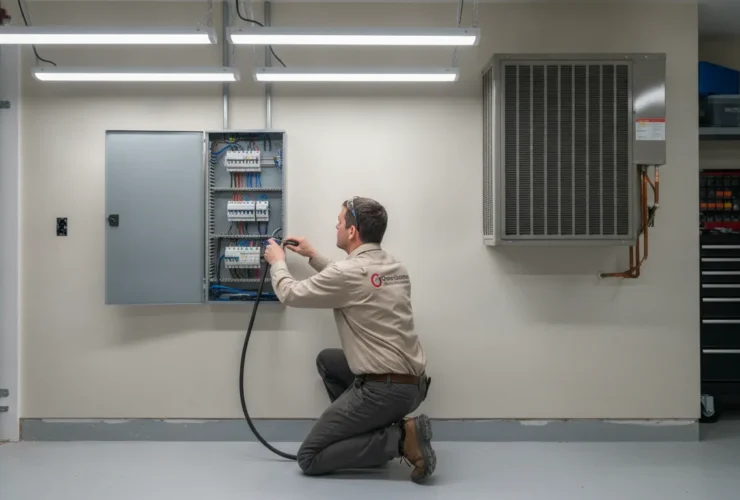
- Leave installation to the professionals: A standby generator is not a DIY project. For safety and proper function, a licensed electrical contractor must handle the complex wiring, fuel connections, and automatic transfer switch setup.
- Budget for a complete system, not just a machine: The price of a whole house generator includes the unit itself, the automatic transfer switch that makes it work seamlessly, and the expert installation. This total investment ensures you have a reliable and safe power solution.
What Kind of Generator Do You Need?
Choosing a generator can feel like a big decision, but it really comes down to what you want to accomplish during a power outage. Are you looking for a seamless transition that keeps your entire home running, or do you just need to power a few essentials? Understanding the main types of generators is the first step to figuring out which one fits your home and lifestyle in the Pacific Northwest. Let’s walk through the most common options so you can find the right fit for your needs.
A Quick Look at Standby Generators
Think of a standby generator as your home’s personal power plant. These are robust units that are permanently installed outside your house, usually on a concrete pad, and connect directly to your home’s electrical system. Their best feature is that they work automatically. The moment an outage is detected, the generator kicks on within seconds, restoring power to your entire home without you having to lift a finger. Because they run on natural gas or propane, you don’t have to worry about refueling them in the middle of a storm. They are the most reliable and hands-off solution for complete peace of mind.
A Quick Look at Portable Generators
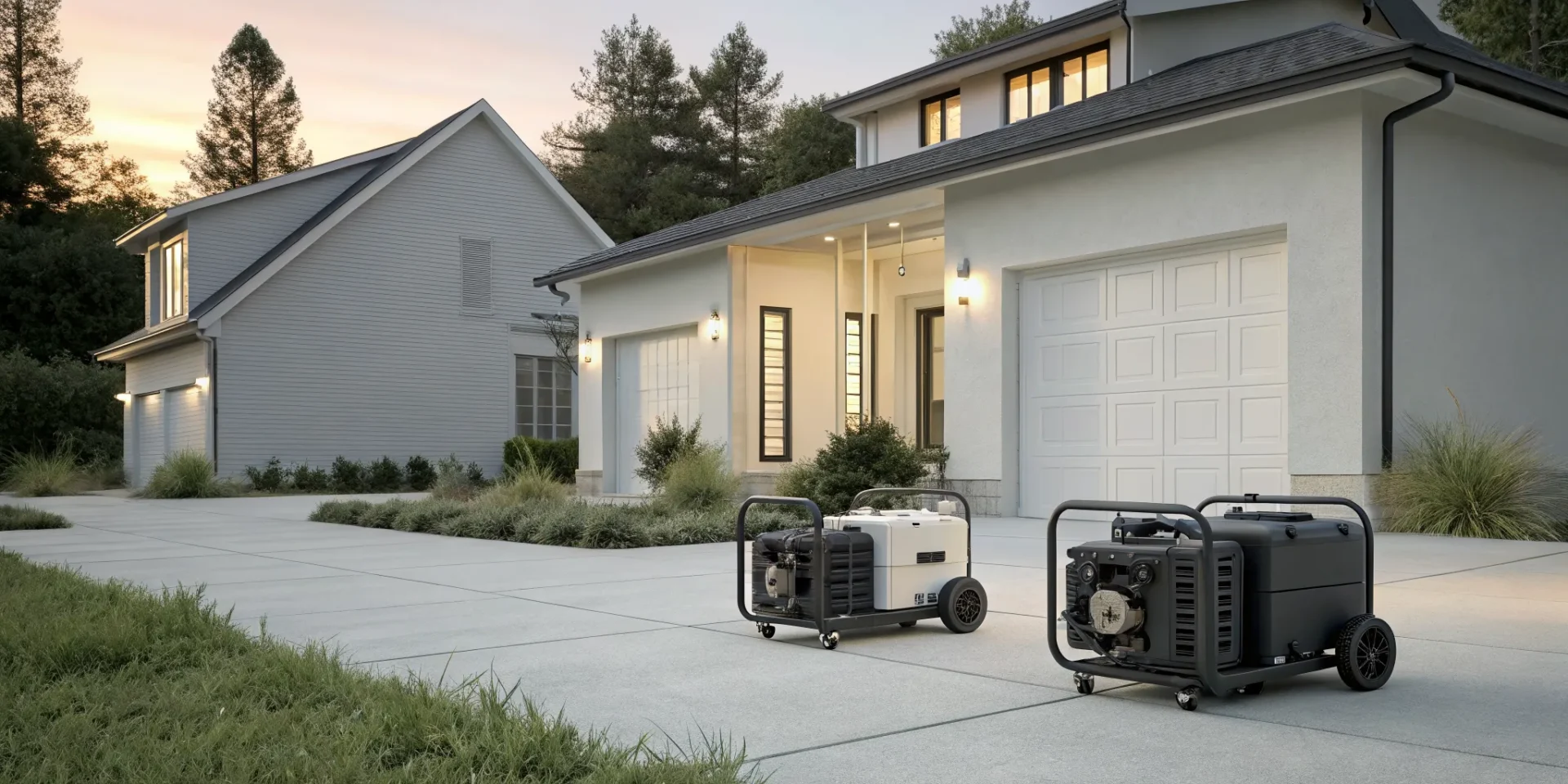
Portable generators are a more hands-on, temporary solution for power outages. As the name suggests, you can move them where you need them. However, they require manual setup every time the power goes out. You’ll need to wheel the unit outside, start it up, and run heavy-duty extension cords into your home to power individual appliances. They run on gasoline, which means you need to have a fresh supply on hand and be prepared to refuel it, sometimes every few hours. While they are less expensive upfront, they provide much less power and require significantly more work during an emergency.
A Quick Look at Inverter Generators
Inverter generators are a specialized type of portable generator known for being quiet and producing “clean” power. This stable electricity is ideal for sensitive electronics like computers, phones, and modern TVs, which can be damaged by the fluctuating power from a traditional generator. They are also very fuel-efficient. The trade-off is that they have a much lower power output than both standby and larger portable models. An inverter generator is a great choice for camping or tailgating, but it won’t have the capacity to run major home appliances like your refrigerator, furnace, or well pump.
The Main Differences at a Glance
When you’re comparing generator types, the choice boils down to power, convenience, and cost. Standby generators offer the highest power and ultimate convenience with their automatic operation, but they are a significant home investment. Portable generators are the most affordable option and offer flexibility, but they demand manual labor and can only power a few items at a time. Inverter generators provide clean, quiet power for electronics but lack the strength for whole-home needs. For homeowners who want to maintain their comfort and security without interruption, a standby generator is the clear winner.
How to Choose the Right Size Generator
Picking the right size generator is the most important step in ensuring you have reliable backup power. It’s tempting to think bigger is always better, but a generator that’s too large can be inefficient, while one that’s too small will fail you when you need it most. The goal is to find that sweet spot: a generator that comfortably handles your essential needs without wasting fuel or money. Following these steps will help you calculate the right size for your home, so you can make an informed decision.
List Your Must-Have Appliances
First, grab a pen and paper and walk through your home. Imagine a power outage hits. What do you absolutely need to keep running? For most people, this includes the refrigerator, freezer, and maybe a few lights. If you have a sump pump to prevent flooding or essential medical equipment, those are at the top of the list. Also, consider comfort items like the furnace fan for heat or the central air conditioner. Creating this “non-negotiable” list helps you distinguish between powering a few essentials and running your entire household, which is the first step in determining your power needs.
Calculate Your Wattage Needs
Next, it’s time to do a little math. Every appliance has a label or manual that lists its power consumption in watts. You’ll notice two numbers: running watts and starting (or surge) watts. Appliances with motors, like your fridge or AC unit, need a big jolt of extra power just to get started. For example, a refrigerator might use 700 watts to run but require over 2,000 watts for a few seconds to kick on. You need to account for this initial surge. Add up the starting wattage for everything on your must-have list to find your total required power. This appliance wattage guide can be a helpful reference.
Add a Safety Margin
Once you have your total wattage, don’t stop there. It’s smart to add a safety buffer of about 10% to 20%. Think of it like this: you wouldn’t want to run your car’s engine at its maximum RPM all the time, and the same goes for your generator. This extra capacity ensures the generator isn’t constantly running at its absolute limit, which can cause strain. More importantly, it prevents a shutdown if two large appliances happen to start at the same time. This simple step gives you a more reliable system and peace of mind, ensuring your power stays on without any hiccups.
Match the Generator to Your Home’s Size
With your final wattage number in hand, you can now find the right generator. Standby generators are measured in kilowatts (kW), where 1 kW equals 1,000 watts. For example, if your total need is 12,000 watts, you’d look for a 12 kW generator. A 10 kW to 22 kW generator, like the Kohler and Cummins models we install, can typically power an entire home, including central air and other large appliances. If you only need to cover the basics, a smaller model might suffice. A professional consultation is the best way to verify your calculations and match you with the perfect generator for your home’s specific electrical setup.
What’s the Price Tag on a Whole House Generator?
Investing in a whole house generator is a big decision, and understanding the cost is a major part of the process. The final price isn’t just the number on the generator’s tag; it’s a combination of the unit itself, professional installation, and a few other key factors. Think of it as a permanent upgrade to your home that provides security and peace of mind during any power outage. Let’s walk through the different parts of the total cost so you can get a clear picture of what to expect for this valuable addition to your property.
The Cost of the Generator Unit
The first piece of the puzzle is the generator itself. As authorized dealers, we install top-tier Kohler and Cummins generators known for their reliability and performance. For a unit powerful enough to run an entire home, including central air conditioning, you can generally expect the price to be between $6,500 and $8,500. This typically covers a 22kW to 26kW model, which is a popular size for many homes in the Portland area. These generators run on natural gas or propane, offering a seamless transition when the power goes out. Keep in mind, this price is just for the unit; the installation is a separate but equally important part of the cost.
The Cost of Professional Installation
This is where the expertise of a licensed electrical contractor comes in. Professional installation is not just a recommendation; it’s essential for safety and proper function. While the generator unit has its price, the installation process can bring the total project cost anywhere from $12,000 to over $22,000. The installation itself involves carefully connecting the generator to your home’s electrical panel and fuel source. The complexity of this work, depending on your home’s layout and existing systems, is why the cost can vary. Getting it done right by a professional ensures your generator works perfectly when you need it most. The best way to get an accurate number for your home is to request a detailed quote.
What Influences the Final Price?
Several variables can affect the final price tag for your whole house generator system. The generator’s power output is a primary factor; a larger home with more appliances will need a more powerful, and thus more expensive, unit. The type of fuel and the complexity of running a gas line to the generator’s location also play a role. Additionally, features like an automatic transfer switch, which is a must-have for seamless power transition, and smart home integration will influence the cost. The specific site for the generator and the current state of your home’s electrical system can also impact the scope of the installation work, which you can see in some of our past projects.
Kohler vs. Cummins: Comparing Top Generator Brands
When you start looking at whole house generators, two names consistently come up: Kohler and Cummins. Both are giants in the power generation world, and for good reason. They build high-quality, dependable machines. Choosing between them isn’t about picking a “winner” and a “loser.” Instead, it’s about understanding the subtle differences and deciding which brand’s strengths align best with your home’s needs and your personal priorities. As dealers for both, we can help you find the perfect fit. Let’s break down what makes each brand stand out.
A Look at Kohler Home Generators
Kohler has built a stellar reputation on reliability and durability. Think of them as the steady, dependable workhorse you can count on when the lights go out. Their generators are engineered for quiet operation, a feature your neighbors will definitely appreciate. This makes them an excellent choice for residential settings where peace and quiet are valued. Kohler Power also backs its products with a robust warranty, which gives you peace of mind knowing your investment is protected for years to come. If your top priority is a proven track record of long-lasting performance, Kohler is a fantastic option to consider.
A Look at Cummins Home Generators
Cummins is a name synonymous with power and innovation. They are known for integrating advanced technology into their generators to maximize fuel efficiency and performance. This means you get reliable power without wasting energy. One of the great things about Cummins is the range of customizable options they offer, allowing you to get a generator that’s perfectly tailored to your home’s specific power demands. They also have a strong reputation for customer support. For homeowners who appreciate cutting-edge technology and the flexibility to fine-tune their power solution, Cummins presents a very compelling choice.
Key Features to Compare Before You Buy
As you weigh your options, focus on a few key details to make the best choice for your home. First, consider the power output; make sure the generator can handle all your essential appliances. Next, think about fuel type. Both brands offer models that run on natural gas or propane, so you can choose what’s most convenient and cost-effective for your area. Don’t forget to check the decibel ratings, as a quieter generator can make a big difference during an extended outage. Finally, compare the warranty terms. A strong warranty reflects the manufacturer’s confidence in their product and offers you long-term protection.
Common Home Generator Myths, Busted
When you’re thinking about a major home addition like a generator, it’s easy to get tangled in a web of myths and half-truths. Misinformation can lead to a poor purchase or, worse, a safety hazard. Let’s clear the air and bust some of the most common myths about home generators so you can make a confident and informed decision for your family’s security and comfort.
Myth: Any generator can power your whole house.
It would be nice if any generator could handle the job, but sizing is critical. A generator that’s too small will struggle to power your essentials, potentially damaging its own motor and your connected appliances. On the other hand, a unit that’s too large is an unnecessary expense, both in upfront cost and fuel consumption. The key is to find the right fit. A professional can help you perform a load calculation to determine the exact wattage needs for your home, ensuring your generator runs efficiently and safely when you need it most.
Myth: Portable generators are as safe as standby models.
While portable generators have their place, they don’t match the safety profile of a permanently installed standby generator. The biggest risk with portable units is carbon monoxide poisoning, as they must be placed far from windows and doors to prevent exhaust from entering your home. Standby generators, like the ones from Kohler and Cummins, are installed in a fixed location outside. They are designed to automatically vent all exhaust safely away from your living spaces, making them a much safer option for powering your home during an outage.
Myth: You can DIY the installation.
Installing a standby generator is not a weekend project for a home handyman. These systems are complex, requiring professional knowledge of electrical wiring, transfer switches, and local building codes. They also often involve connecting to your home’s natural gas or propane supply. A licensed electrical contractor ensures the installation is done correctly and safely, protecting your warranty, your home, and your family. Attempting a DIY installation can lead to serious electrical hazards, equipment damage, and even void your homeowner’s insurance. It’s a job best left to the professionals.
Myth: Generators don’t need regular upkeep.
Just like your car, a generator is a mechanical system that needs regular attention to perform reliably. Letting it sit for months without a check-up is a recipe for failure right when you need it. Most modern standby generators run automatic weekly self-tests to ensure they’re ready to go. Beyond that, following the manufacturer’s recommended maintenance schedule is crucial for longevity and performance. This includes tasks like changing the oil and checking the battery, ensuring your investment is protected and ready for any power outage.
Is a Whole House Generator a Good Investment?
Deciding to install a whole house generator is a big step, and it’s smart to weigh the pros and cons. Unlike a portable unit you pull out of the garage, a whole house generator, also called a standby generator, is a permanent fixture. It’s installed outside your home, much like an air conditioning unit, and connects directly to your home’s electrical system. Its job is simple but crucial: to automatically restore power to your entire home within seconds of an outage.
For many homeowners, especially here in the Pacific Northwest where storms can be unpredictable, the value comes from uninterrupted comfort and security. It’s about more than just keeping the lights on. It’s about knowing your food won’t spoil, your heat will stay on during a winter storm, and your daily life can continue without a hitch. While it is a significant financial commitment, viewing it as an investment in your home’s resilience and your family’s peace of mind can help you decide if it’s the right move for you.
Essential Safety Rules for Every Owner
When it comes to generators, safety is the top priority, and this is where standby models truly shine. Because they are professionally installed outside on a stable base like a concrete pad, they are designed to operate safely without constant supervision. The most critical safety feature is how they handle exhaust. A standby generator vents its exhaust safely away from your home, which completely removes the risk of carbon monoxide buildup inside. This is a major advantage over portable generators, which can pose serious dangers if used too close to windows, doors, or garages. Professional installation ensures everything is up to code and positioned for optimal safety and performance.
Why Automatic Transfer Switches Are a Must-Have
The magic of a whole house generator lies in its automatic transfer switch, or ATS. Think of the ATS as the brain of your backup power system. This smart device is wired directly into your home’s electrical panel and constantly monitors the flow of power from the utility grid. The moment it detects an outage, it immediately and safely disconnects your home from the grid. Then, it signals the generator to start up and seamlessly switches your home’s power source over to the generator. The entire process happens automatically in just a few seconds, so you might not even notice the power went out. This hands-free operation provides incredible convenience and safety.
Choose Your Fuel: Natural Gas vs. Propane
Your standby generator will need a reliable fuel source to run, and the two main options are natural gas and liquid propane. If your home is already connected to a natural gas line, it’s often the most convenient choice. The generator is hooked directly into the line, giving it a continuous fuel supply without any need for refueling. This is ideal for handling extended power outages. If you don’t have access to natural gas, liquid propane (LP) is an excellent alternative. Propane is stored in a large tank on your property, which we can help you size correctly for your generator’s needs. Both are clean-burning and effective fuel choices.
Smart Features That Are Worth the Money
Today’s generators are more advanced than ever, and many come equipped with smart features that add another layer of convenience. Many top models from brands like Kohler and Cummins offer Wi-Fi or cellular connectivity, allowing you to link the generator to your home network. With a simple app on your smartphone, you can monitor your generator’s status from anywhere in the world. You can check if it’s running, review its activity, and receive instant alerts about its operation. This remote monitoring capability gives you ultimate peace of mind, ensuring you always know that your home is protected, whether you’re at work or on vacation.
Who Gets the Most Out of a Whole House Generator?
A whole house generator is a game-changer for anyone who can’t afford to be without power. If you live in an area prone to frequent outages from storms or unreliable grid performance, the investment pays for itself in reliability. It’s particularly valuable for homes with essential systems like a well pump for water, a sump pump to prevent flooding, or critical medical equipment. For those of us who now work from home, a generator ensures your internet stays on and your workday isn’t disrupted. It protects your major appliances, keeps your security system running, and allows your family to live comfortably and safely through any outage.
Ready to Secure Your Power in the Portland Area?
Here in the greater Portland area, investing in a whole house generator is an investment in your home’s security and your family’s comfort. The total cost for a complete system, including the generator and professional installation, typically ranges from $17,000 to $22,000. While this is a significant upfront cost, it adds tangible value to your property and provides priceless peace of mind during power outages. If you’re tired of worrying every time the wind picks up, it might be time to consider a permanent power solution. We can help you explore the best Kohler and Cummins generators to find the perfect fit for your home and needs.
Related Articles
- How to Use a Whole House Generator Sizing Calculator USA – Pro-Tech-Power
- Whole House Generator Sizing: What Size Do You Need?
Frequently Asked Questions
Why can’t I just use a big portable generator for my whole house? While portable generators are useful for powering a few items, they aren’t designed to handle the demands of an entire home. A whole house generator is a permanent installation that connects directly and safely to your home’s electrical panel. This allows it to power everything at once, from your furnace to your refrigerator, without you running extension cords. More importantly, standby models are much safer because they are installed outside and vent exhaust away from your home, eliminating the risk of carbon monoxide poisoning.
How does a whole house generator actually work when the power goes out? The real magic is in a device called an automatic transfer switch, or ATS. This switch is the brain of the system and constantly monitors the power coming from the utility company. The instant it detects an outage, it safely disconnects your home from the grid and signals the generator to start. Within seconds, the ATS switches your home’s power source to the generator. The entire process is completely automatic, so your power is restored without you having to do a thing.
I’m not sure what size generator I need. Can you help? Absolutely. Figuring out the right size is the most important step, and you don’t have to do it alone. While you can get a rough idea by listing your essential appliances, a professional load calculation is the best way to guarantee a perfect fit. During a consultation, we can determine your home’s exact power requirements. This ensures you get a generator that runs efficiently and reliably, without being overworked or wastefully oversized.
What’s the real final cost I should expect for a whole house generator? For a complete system that includes the generator, the automatic transfer switch, and professional installation, most homeowners in the Portland area can expect the total investment to be between $17,000 and $22,000. This range accounts for the unit itself and the complex installation work, which involves licensed electricians connecting the system to your home’s electrical panel and fuel source. Think of it as a permanent home upgrade that provides lasting security.
Do I need to perform regular upkeep on my generator? Yes, just like your car, a generator needs regular attention to ensure it’s ready to perform when you need it. Modern standby generators from brands like Kohler and Cummins run their own brief self-tests each week to make sure everything is in working order. Beyond that, following the manufacturer’s recommended maintenance schedule is key to protecting your investment and ensuring the generator will be reliable for years to come.