Electrical Panel Upgrade for AC Oregon: Costs, Process, and Permits
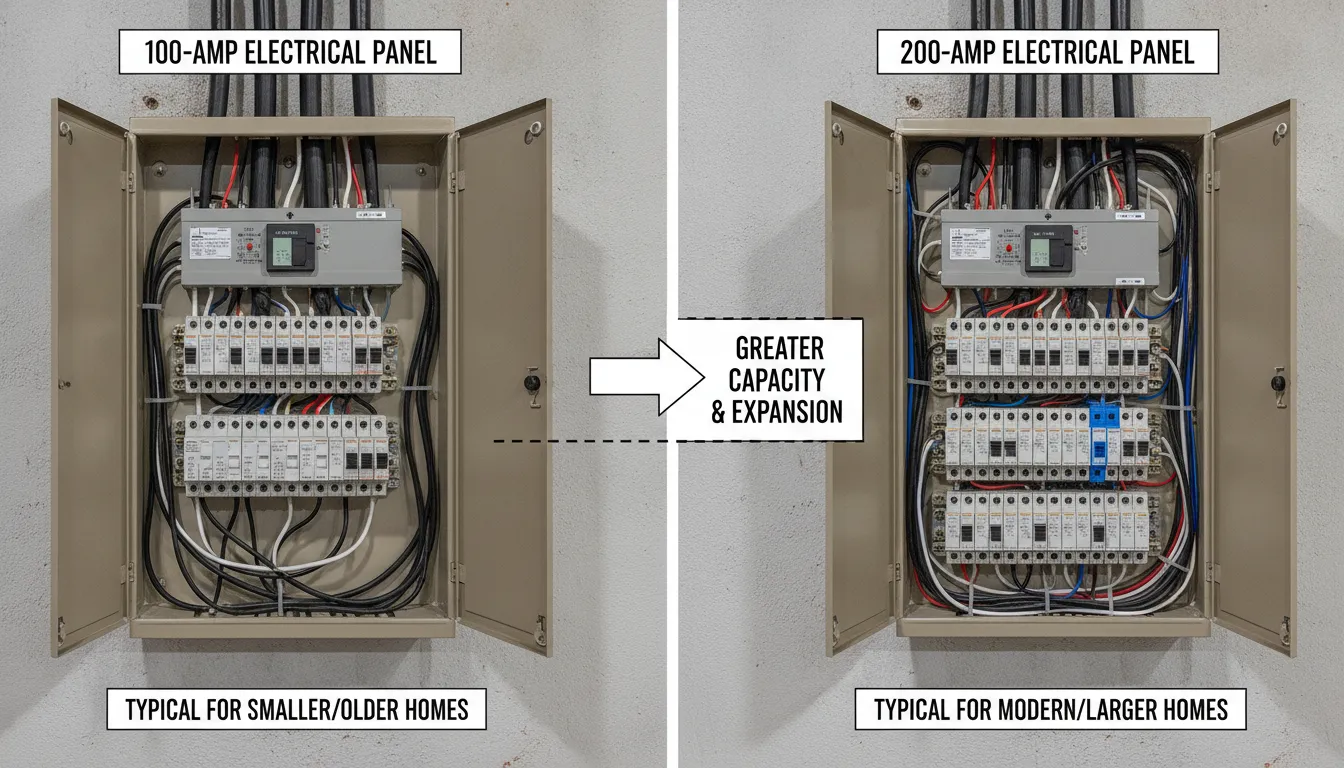
Adding central air conditioning, a heat pump, or a large appliance to your Oregon home may require more power than your current electrical panel can safely deliver. Many Portland-area homes built before 1980 run on 60-amp or 100-amp service, and modern cooling systems need dedicated 30-amp to 50-amp circuits. An electrical panel upgrade for AC Oregon homes brings your system to 200-amp service, meeting current code while giving your new equipment the steady power it needs to run safely and efficiently.
An electrical panel upgrade for AC Oregon is usually necessary when adding a 30-amp or 50-amp central cooling system to a Portland home with an older 100-amp service. Most houses built before 1980 cannot safely handle the heavy electrical load of a new central air conditioner alongside an electric range and other appliances. If your breakers trip often or your lights dim when the cooling kicks on, your panel is at its safe limit and needs a professional upgrade. Modern 200-amp panels meet local code requirements, provide room for future heat pumps or EV chargers, and reduce fire risks.
Schedule a free consultation for your electrical panel upgrade before your next cooling system installation.
Electrical Panel Upgrade for AC Oregon: When Adding AC or Large Appliances Triggers a Panel Upgrade
Adding new central AC or a heat pump is the main reason homeowners need an electrical panel upgrade for AC Oregon. Modern cooling units draw substantial power to keep your home comfortable during Northwest summers. If your home has an older electrical service, it may lack the capacity to safely run these high-demand units. You need enough power for the cooling system plus your daily lights and kitchen appliances.
Power needs for cooling systems
Central air units typically require a dedicated circuit handling 30 to 50 amps. Most homes built before 1980 were equipped with 60-amp or 100-amp service. These smaller panels were designed for basic lighting and outlet needs rather than large appliances. When you add a 40-amp AC load to a 100-amp panel, you quickly run out of capacity for other essential items like your oven or dryer.
Heat pumps have similar power requirements to central air units. Most systems need 30 to 50 amps to operate effectively during peak heating and cooling months. You can learn more about heat pump electrical requirements to see if your current setup is ready. If your breakers trip when the AC kicks on, it is a clear sign that your panel is at capacity.
Large appliances that strain your panel
Cooling systems are not the only items that can trigger a panel upgrade. Modern electric water heaters often need 30 amps. Electric ovens and ranges typically require 40 to 50 amps. If you plan to switch from gas to electric appliances, you may find that your current 100-amp service is insufficient. Proper large appliance circuit requirements must be met to prevent fire risks and voltage dips.
Newer technology like Level 2 EV chargers also adds strain on home electrical systems. These chargers need a 40- to 60-amp circuit to charge a vehicle quickly. Combining an EV charger with a new AC unit almost always means moving to 200-amp service. This provides 40 or more circuit slots and room for future additions.
Local Oregon electrical codes
All panel work must comply with the Oregon Electrical Specialty Code. This code establishes the rules for how much load a panel can safely carry. In the Portland area, adding a large load like central AC requires a permit from the city. A licensed electrician can perform a load calculation to determine whether your home needs a new panel before you purchase your new AC unit.
Does Your Home Need a 200-Amp Panel?
Many Portland-area homes built before 1980 use 60-amp or 100-amp service. These older panels often fail when you add new loads like a central air unit. A 200-amp electrical panel upgrade for AC Oregon gives you the power to run your cooling system and large appliances simultaneously. This upgrade stops the risk of blown fuses and helps keep your power steady.
Signs of an undersized panel
If your breakers trip every time the AC starts, your panel is likely at capacity. You may also notice lights dimming when the heat pump engages. Some homeowners hear a buzzing sound or feel heat near the breaker box. Electrical faults cause thousands of home fires each year. If you must unplug one appliance to use another, it is time for more capacity.
You should also check the brand of your panel. Older homes may contain Federal Pacific or Zinsco panels. These brands are known fire risks because the breakers often fail to trip during an overload. Replacing these obsolete units with a 200-amp panel ensures your home stays safe and meets the latest Oregon code requirements.
Benefits of upgrading to 200 amps
A new 200-amp panel provides room for 40 or more circuits. This extra capacity lets you add EV chargers, hot tubs, or future appliances later. It also delivers better surge protection for your electronics and sensitive equipment. Most importantly, a larger panel gives you peace of mind when summer temperatures spike.
The Electrical Panel Upgrade Process in Oregon
Getting an electrical panel upgrade for AC Oregon follows a clear process. You must work with a licensed electrician, the city permit office, and your power company. This work keeps your home safe and ensures your new cooling system has adequate power. Most projects follow a set path from the initial site visit to the final city inspection.
Planning and permits
The first step is a load calculation. A licensed electrician evaluates your current power usage by examining your lights, appliances, and the new cooling equipment. This calculation determines whether a 200-amp panel is sufficient. You can find more information in our guide to heat pump electrical requirements if you are switching to a heat pump system. After the calculation, your electrician files for a permit.
In Portland, the Bureau of Development Services reviews these plans. Permits typically cost between $150 and $250. The review period usually takes one to two weeks. During this time, your electrician also coordinates with Portland General Electric (PGE). During busy summer months, you might wait two or three weeks for PGE to schedule a service disconnect. Our professional electrical services team handles all these arrangements for you.
Installation day and final inspection
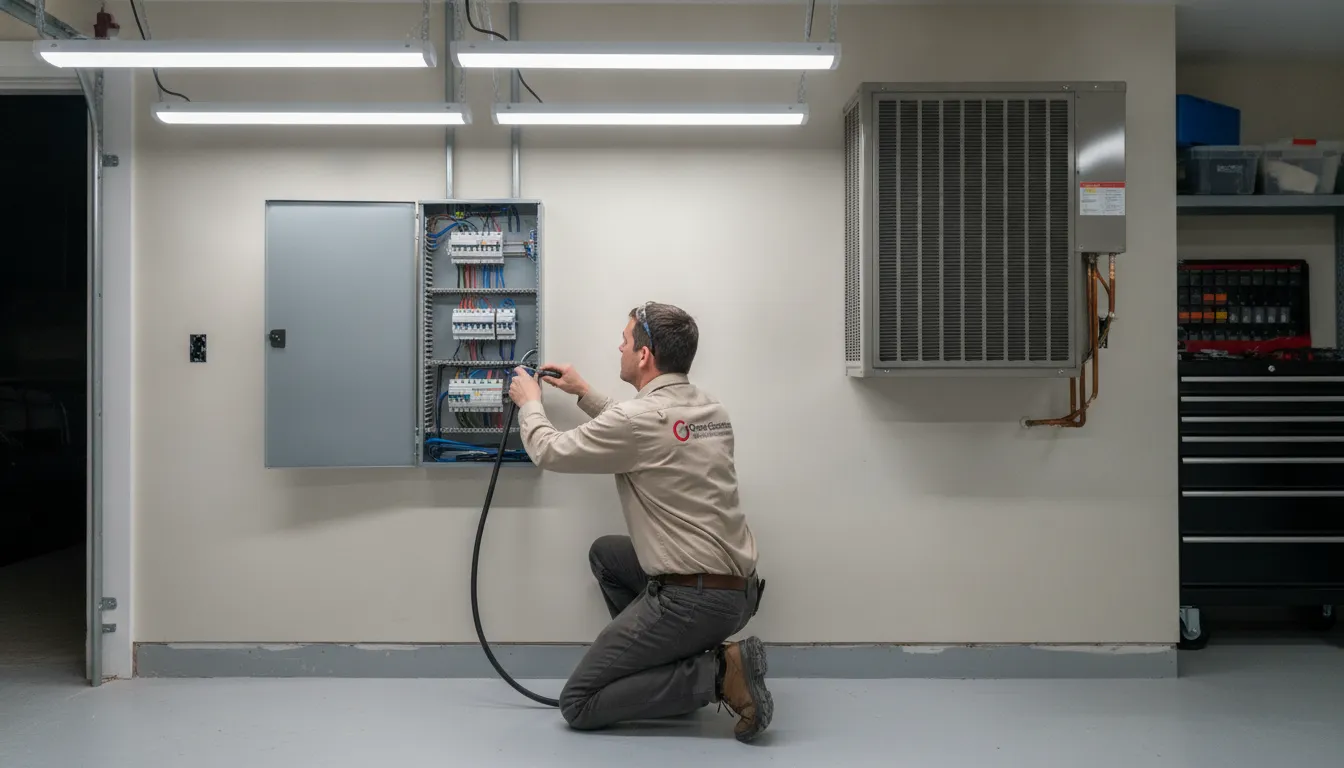
On the day of the upgrade, your power will be off for four to eight hours. Your electrician removes the old panel and installs the new breakers and wiring. They also verify adequate working space around the panel. Proper working space and clearance are required to meet state safety regulations. If you have an older home, you may also need a new meter base or service mast. These additions can add $1,000 to $2,000 to your total cost.
- Load calculation: Your electrician evaluates the power needs of your home and new AC unit.
- Permit filing: The team submits plans to the local building department for safety review.
- Utility coordination: We schedule a time for PGE to disconnect your home from the grid.
- Panel replacement: Workers swap the old panel for a new 200-amp unit with modern breakers.
- Service mast upgrade: We install a new meter base or mast if the existing equipment does not meet code.
- Final inspection: A city inspector verifies the work complies with the Oregon Electrical Specialty Code.
After the upgrade, the city must inspect the work. This final inspection is mandatory for all panel projects in Oregon. The inspector confirms every wire meets state code. Once approved, your new AC is ready to operate. This full process typically takes two to three weeks from start to finish. We ensure every step is completed correctly (CCB#198878) so your home stays safe for years.
How Much Does an Electrical Panel Upgrade Cost in Oregon?
Adding a new air conditioner to your Oregon home can place significant stress on your electrical system. Most central AC units and heat pumps need between 30 and 50 amps of additional capacity. For many homes built before 1980, the old 100-amp panel cannot handle this new load. If you are planning an electrical panel upgrade for AC in Oregon, understanding the expected costs helps you budget. In the Portland area, most homeowners pay between $2,500 and $5,500 for a full upgrade in 2026.
Standard panel upgrade costs
A basic panel upgrade is the most common project for newer homes. This involves removing your old 100-amp panel and installing a new 200-amp model. This type of project typically costs between $1,800 and $3,000. The price covers the new panel, breakers, labor, and permit fees from the city.
If you have a Federal Pacific or Zinsco panel, replacement is urgent. These older brands are known fire hazards. Replacing one with a safe, modern panel typically costs between $2,500 and $4,500. All new work must comply with the Oregon Electrical Specialty Code to keep your home safe and up to date.
Full service upgrades for older homes
Many older homes in Tigard and Portland need more than just a new panel. A full service upgrade includes the panel, a new meter base, and a new weatherhead mast. This comprehensive upgrade often costs between $3,500 and $6,000. The additional expense comes from the materials and labor required to update how power enters your home.
If your home still has 60-amp service, the project is more extensive. Upgrading from 60 amps to 200 amps for an AC unit can cost between $4,000 and $7,500. This price typically includes new grounding electrodes and utility company fees. In some cases, PGE may need to upgrade the transformer serving your property. Replacing the meter base and mast alone can add $1,000 to $2,000 to your total.
| Upgrade Type | Cost Range | What’s Included |
|---|---|---|
| 100A to 200A simple swap | $1,800 – $3,000 | New panel, breakers, labor, permit |
| Full service upgrade | $3,500 – $6,000 | Panel, meter base, mast, PGE coordination |
| Federal Pacific / Zinsco replacement | $2,500 – $4,500 | Hazard panel removal, new panel, full testing |
| Sub-panel addition | $800 – $1,800 | Secondary panel, wiring, dedicated circuit |
| 60A to 200A (older home) | $4,000 – $7,500 | Full service, ground wires, possible transformer |
Factors that affect your total cost
Several variables can change the final price of your panel project. The location of your panel makes a significant difference. If your panel is in a finished basement or a tight closet, the labor will cost more. Panels in open garages are typically the easiest and most affordable to replace.
- Old wiring: If your home has knob-and-tube wiring, your electrician may need additional time to ensure the new panel is safe.
- Sub-panels: You might need a sub-panel addition if you plan to add more than just an AC unit.
- Permit fees: Most permits in the Portland area cost between $150 and $250.
- Utility fees: PGE or Pacific Power may charge a fee to disconnect or upgrade your service line.
Always request a detailed quote from a licensed professional (CCB#198878) that covers all these factors before starting the work.
What Are the Permit Requirements for a Panel Upgrade in Portland?
Any electrical panel upgrade for AC Oregon homes must follow local regulations. In Portland, the Bureau of Development Services (BDS) oversees these projects. You must obtain a permit before work begins to ensure your home meets the Oregon Electrical Specialty Code (OESC). These requirements exist to protect your family from fire and shock hazards.
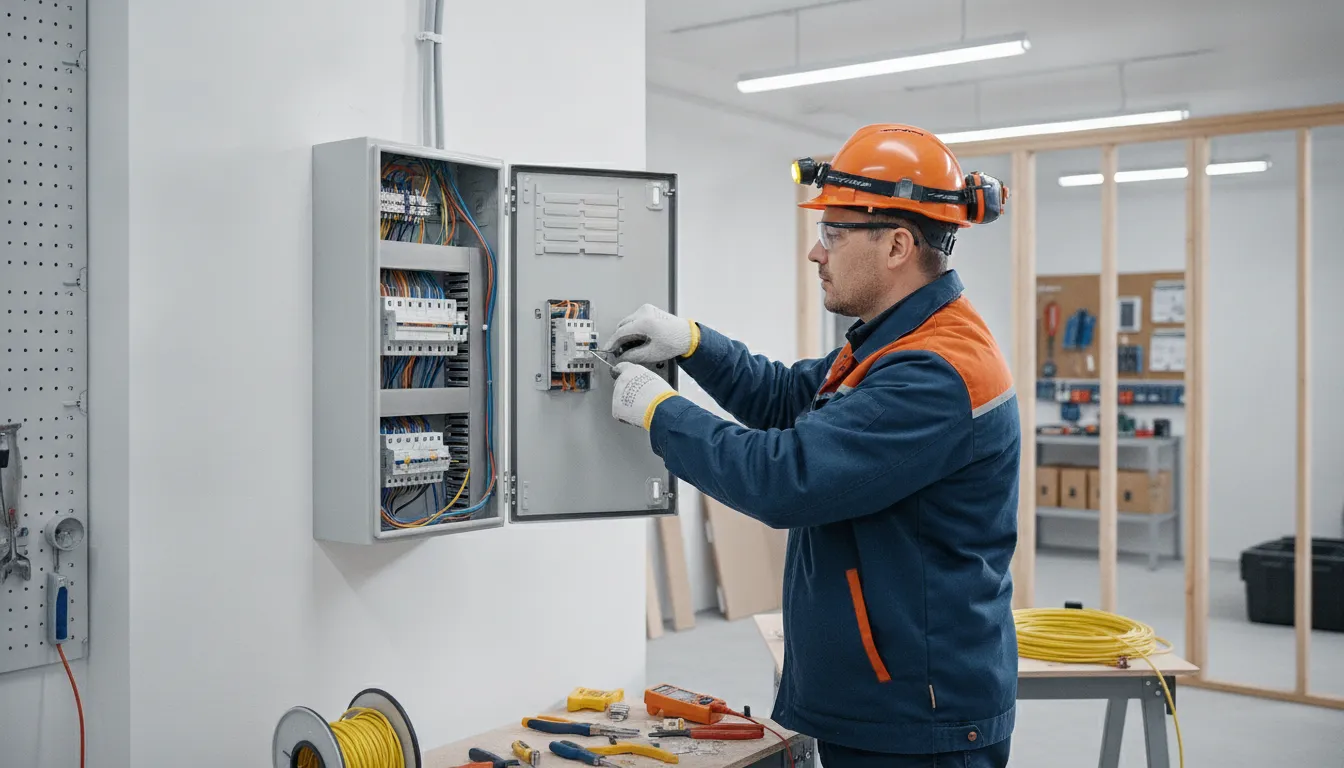
Portland permit costs and review timeline
A typical electrical permit in Portland costs between $150 and $250. Once we submit your plans, the BDS review period typically takes 5 to 14 business days. This time allows the city to verify that the new panel can handle your AC unit and other appliances. Following this home electrical planning guide helps your project move through the city system without delays.
PGE coordination and scheduling
Upgrading your panel often requires the utility company to disconnect your power. In the Portland area, we coordinate with PGE to handle this service disconnect. During peak summer or winter months, PGE may have a two- to three-week wait for these visits. We schedule these dates early so your heat pump electrical requirements are met on a timeline that works for you.
Final inspection and resale considerations
After our team completes the installation, a city inspector must visit your home. They verify that the work meets OESC standards and sign off on the permit. This final step is critical for your home insurance coverage and future resale value. Skipping permits is a significant risk. Insurers may deny claims for electrical work that was never inspected or approved by the city.
Choosing the Right Electrician for Your Panel Upgrade
Choosing the best team for an electrical panel upgrade for AC Oregon homes is an important decision. A panel upgrade involves complex wiring and strict safety codes. You need a contractor with the proper credentials and local experience to complete the job correctly.
Verify Oregon CCB licensing and insurance
Every electrical contractor in Oregon must hold a valid license from the Oregon Construction Contractors Board (CCB). You can verify a contractor’s status to confirm they are bonded and insured. This protects you if something goes wrong during the project. Pro Tech Power Corp holds license CCB#198878 and has served the Portland area for 14 years.
A licensed professional also understands the safety requirements for your home. Oregon code requires at least 30 inches of width and three feet of depth for electrical panel safety and access. Choosing a licensed contractor ensures your new system meets all local electrical codes.
Look for local utility experience
Your new panel must work with local utility providers like PGE. An experienced team will know how to file permits with the Portland Bureau of Development Services and coordinate with PGE crews to disconnect and reconnect power. This keeps your project on schedule and prevents unnecessary delays.
- Ask if the contractor has recent experience working with PGE or Pacific Power.
- Confirm they will obtain all required permits for your municipality.
- Verify they offer a final inspection to demonstrate the work is safe.
Why Pro Tech Power Corp is the right choice
Pro Tech Power Corp was founded in Tigard in 2013. We are a full-service electrical contractor serving the entire Portland metro area. Our team includes 17 licensed journeymen who specialize in modern electrical upgrades. We focus on transparent planning and safe results for every home we serve. If you are ready to begin your project, contact our team for a detailed quote.
Frequently Asked Questions
Can you upgrade an electrical panel without rewiring the whole house?
Yes, you can often replace your electrical panel without rewiring your entire home. A panel upgrade replaces the service box and breakers to handle more power. This is common when installing a new central air unit or heat pump. Your existing wiring remains in place unless an electrician identifies safety hazards that violate the Oregon Electrical Specialty Code. This approach meets your power needs while keeping costs manageable.
How long will my power be out during a panel upgrade?
Most homeowners should expect to be without power for four to eight hours on the day of the work. During this time, a licensed electrician removes the old panel and installs the new 200-amp service. They also coordinate with PGE to restore your power. While the physical swap is relatively quick, the overall project takes two to three weeks. This timeline accounts for city permit reviews and utility scheduling in the Portland area.
Does a heat pump use more electricity than central air?
Heat pumps and central air conditioners require roughly the same amount of power. Both systems typically need a dedicated 30-amp to 50-amp circuit to operate. Because both draw significant power, adding either system to an older home often necessitates a panel upgrade. A 200-amp panel ensures your home can run these large appliances alongside your lights and other equipment.
How much does an electrical panel upgrade cost in Portland?
In 2026, most Portland homeowners pay between $2,500 and $5,500 for a professional panel upgrade. A standard upgrade from 100 amps to 200 amps typically costs $1,800 to $3,000. This price includes labor and permits. Costs can increase if your project requires a new meter mast or service entrance. The location of your panel and the condition of your existing wiring will affect the final price.
Schedule a free consultation for your electrical panel upgrade
Upgrading your electrical panel is the best way to keep your home safe when adding new cooling equipment. Older panels often cannot meet the power demands of modern systems. If you wait until the heat arrives, you may face long waits for city permits and utility scheduling. Acting now means your new air conditioning system will run reliably when you need it most. Do not let an outdated panel delay your comfort. Our team at Pro Tech Power Corp (CCB#198878) can help you plan your project so you stay on track and avoid unnecessary risks. You can also request a free electrical consultation online. We have been in business for 14 years and understand Oregon permit requirements thoroughly. We will guide you through each step to ensure your home is ready for the next heat wave.
Ready to get started? Call (503) 780-6207 to schedule your free consultation today.