Hot Tub Electrical Installation Requirements: Portland Guide
Adding a luxury hot tub to your Portland home needs a proper high-voltage power source.
Schedule a professional hot tub electrical installation in Portland with Pro Tech Power Corp today.
Hot tub electrical installation requirements focus on giving your backyard spa a dedicated power supply that can handle high voltage safely near water. Most full-size spas need their own 240-volt circuit with a 50-amp GFCI breaker to stop shocks and connect directly to a manual shutoff box. The National Electrical Code says this switch must sit in sight of the spa and stay at least five feet away for safety. Your expert must pull burial-rated wire through PVC pipe buried at least eighteen inches deep to meet all local safety codes (ECM Selection). Hiring a licensed pro ensures your work follows all Portland area rules and keeps your manufacturer warranty valid.
Planning your backyard oasis involves checking your main panel for enough room to add a new heavy load. As a local team (CCB#198878), we will help you find the local permits and safety rules you need. The first step is Understanding Hot Tub and Swim Spa Electrical Requirements. Here is how.
What Are the Hot Tub and Swim Spa Electrical Installation Requirements?
Adding a hot tub or swim spa to your Oregon home brings luxury to your backyard. However, you must plan for the power these units need before you buy. Most systems require far more energy than a standard wall outlet can provide. Proper electrical planning for home additions ensures your new spa runs safely and well without tripping your breakers.
Plug and Play vs Hardwired Systems
Hot tubs generally fall into two types based on their power needs. Plug-and-play models are the simplest to set up. These units use a standard 120-volt household outlet. While they are easy to install, they often have smaller heaters. This means it takes longer to warm the water. The heater may also shut off when the jets are on high.
Most full-size hot tubs and swim spas use hardwired 240-volt systems. These units offer much more power, typically between 4 and 5.5 kW. You might hear people call these 220-volt or 230-volt systems. In the United States, these terms mean the same thing for home use. A 240-volt connection lets the heater and the pumps run at the same time to keep your water hot.
| Feature | Plug-and-Play (120V) | Hardwired (240V) |
|---|---|---|
| Installation. | Standard wall outlet. | Dedicated hardwired circuit. |
| Heater Power. | 1.0 to 1.5 kW. | 4.0 to 5.5 kW. |
| Amperage. | 15 to 20 Amps. | 30 to 60 Amps. |
| Setup Cost. | Low. | Moderate to High. |
| Performance. | Basic heating. | Rapid heating and jet use. |
Circuit and Amperage Needs
A dedicated electrical circuit is required for any hot tub setup. This means no other lights or tools can share the same line. Sharing a circuit could lead to power surges or fires. Most home spas draw between 30 and 60 amps. A 50-amp circuit is the standard for most mid-range models. If your home has an old service, you might need an electrical panel upgrade to handle the load.
Hardwired systems use a four-wire setup. This includes two hot wires, one neutral wire, and one ground wire. For a standard 50-amp circuit, 6 AWG copper wire is usually needed. If the spa is far from your main panel, a thicker wire may be used to prevent power loss. Using the wrong wire size can cause the motor to burn out or the heater to fail.
Safety and Code Standards
Working with high-voltage wiring near water is dangerous. The National Electrical Code (NEC) has strict rules to keep you safe. For example, a manual shut-off switch must be near the spa but at least five feet away. This allows you to cut power quickly in an emergency. The U.S. Consumer Product Safety Commission notes that following these rules is vital to prevent shocks.
All outdoor wiring must be protected. You cannot use standard indoor wires for a hot tub. Instead, wires must run through a pipe, such as PVC. The NEC requires these pipes to be buried at least 18 inches deep. At Pro Tech Power Corp (CCB#198878), our licensed team handles all permits and checks. We ensure your spa meets every code rule for your safety.
Why Do You Need a Dedicated Electrical Circuit and GFCI Protection?
Setting up a hot tub is more than just placing it in your yard. It needs a precise power plan to keep your home safe. The National Electrical Code (NEC) sets strict electrical installation services for these units. These rules help prevent fire and keep you safe from shock. Following these standards is vital for any homeowner in the Portland area.
Why a Dedicated Circuit is Required
A dedicated circuit is a wire that serves only one tool. For a hot tub, this means no other lights or devices can use the same line. This rule stops your breakers from tripping when the jets or heater kick on. Shared lines lead to power spikes, which can damage the spa or cause a fire. Per NEC standards, a dedicated path ensures the spa has the full power it needs to run.
When you add such a large load, you may need an electrical panel upgrade. Most full-size tubs draw a lot of current. If your current panel is full, a new line cannot be added safely. Our licensed journeymen can check your panel to see if it can handle the extra 50 or 60 amps. Using a dedicated line is the best way to keep your home power grid safe and stable.
The Critical Role of GFCI Protection
Water and power are a deadly mix. This is why Ground Fault Circuit Interrupters (GFCI) are needed. A GFCI breaker tracks the flow of power in the wires. If it finds even a tiny leak, it cuts the power in milliseconds. This fast action stops a person from getting a bad shock. The National Electrical Code mandates this guard for all spas and pools to lower shock risks.
In a hot tub, the GFCI acts as a vital safety net. It can find faults that a standard breaker might miss. High-voltage power near water is a big risk, so these devices are not a choice. Most modern tubs use a 240-volt system that must have this guard. It protects the pumps, the heater, and most of all, the people in the water. We ensure every unit we set up meets these life-saving rules.
Correct Breaker and Amperage Sizing
The size of your breaker must match what your spa needs. Most full-size hot tubs need a 50-amp or 60-amp GFCI breaker. A 50-amp circuit is standard for mid-range models. This size gives enough power to run the pumps and the heater at once. A 240-volt circuit allows for more heater power than a 120-volt plug-and-play unit. This results in faster heating and better use in cold weather.
Large tubs with many jets often need a full 60-amp service. This setup allows the tub to use its 5 kW heater to its full power. Using the wrong size breaker can cause trips or even damage the spa’s control board. Our team at Pro Tech Power Corp (CCB#198878) makes sure your circuit is sized right from the start. We follow all electrical standards to ensure a safe and smooth installation for your backyard retreat.
What Are the National Electrical Code Rules for Disconnect Switch Placement?
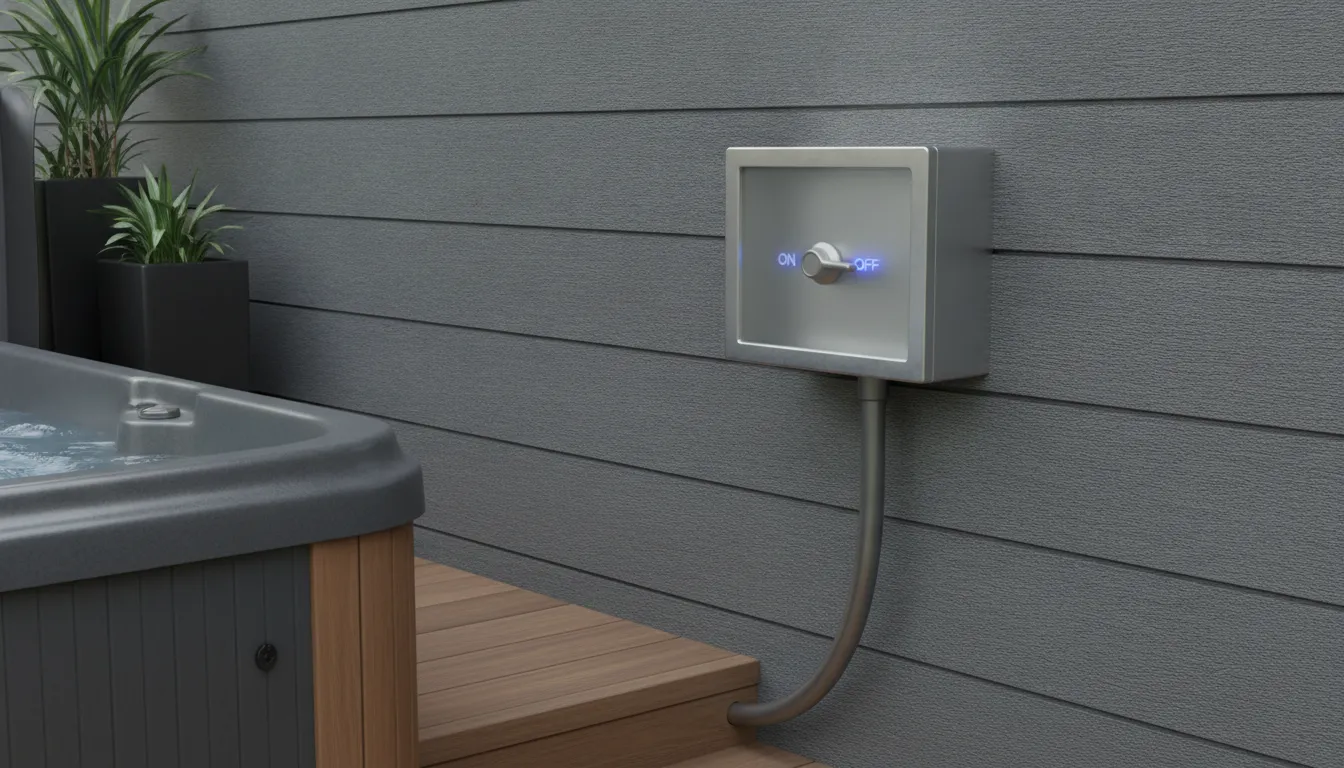
Safe professional electrical services focus on the manual disconnect device. This device is often called a spa pack or shutoff box. It acts as a safety switch. It lets you kill the power fast during a crisis or for regular service. The National Electrical Code (NEC) has strict rules on where this box must go to keep you safe from shock.
Safe distance from the water
Water and power do not mix well. The NEC says you must put the shutoff box at least five feet away from the edge of the water. This rule keeps a person in the tub from reaching out and touching the switch while they are wet. This simple gap stops risky path-to-ground shocks that could cause harm. In many cases, professional electrical planning for home additions helps find the best spot for this box.
Clear line of sight
The code also says the switch must be within sight of the hot tub. This means no walls or fences can block the view. A service pro must be able to see the tub while they work on the power box. This stops someone from turning the power back on by mistake while a person is working on the unit. Per NEC Art. 680, this device must be easy to reach for the user and the technician.
Standard height and access rules
Beyond distance, the box needs to be easy to use. It should sit at a height that an adult can reach without help. It cannot be hidden behind plants or stored items. If your current power setup is full, you might need an electrical panel upgrade to handle the new load safely. Proper hot tub electrical installation requirements ensure the box is ready for any emergency. Our team at Pro Tech Power Corp (CCB#198878) follows every code rule to keep your Portland home safe.
How Do You Plan Trenching, Conduit, and Wire Sizing for Your Spa?
Setting up a new spa involves more than just picking a flat spot in the yard. You must meet the exact hot tub electrical installation requirements to keep your home safe and the system functional. This process starts with a detailed plan for the path of your power lines from the main panel to the tub. Good planning ensures your spa has the power it needs while meeting all local safety rules and building codes. You must also consider the layout of your yard and the total distance from your breaker box to the spa site.
Planning the Below Ground Path
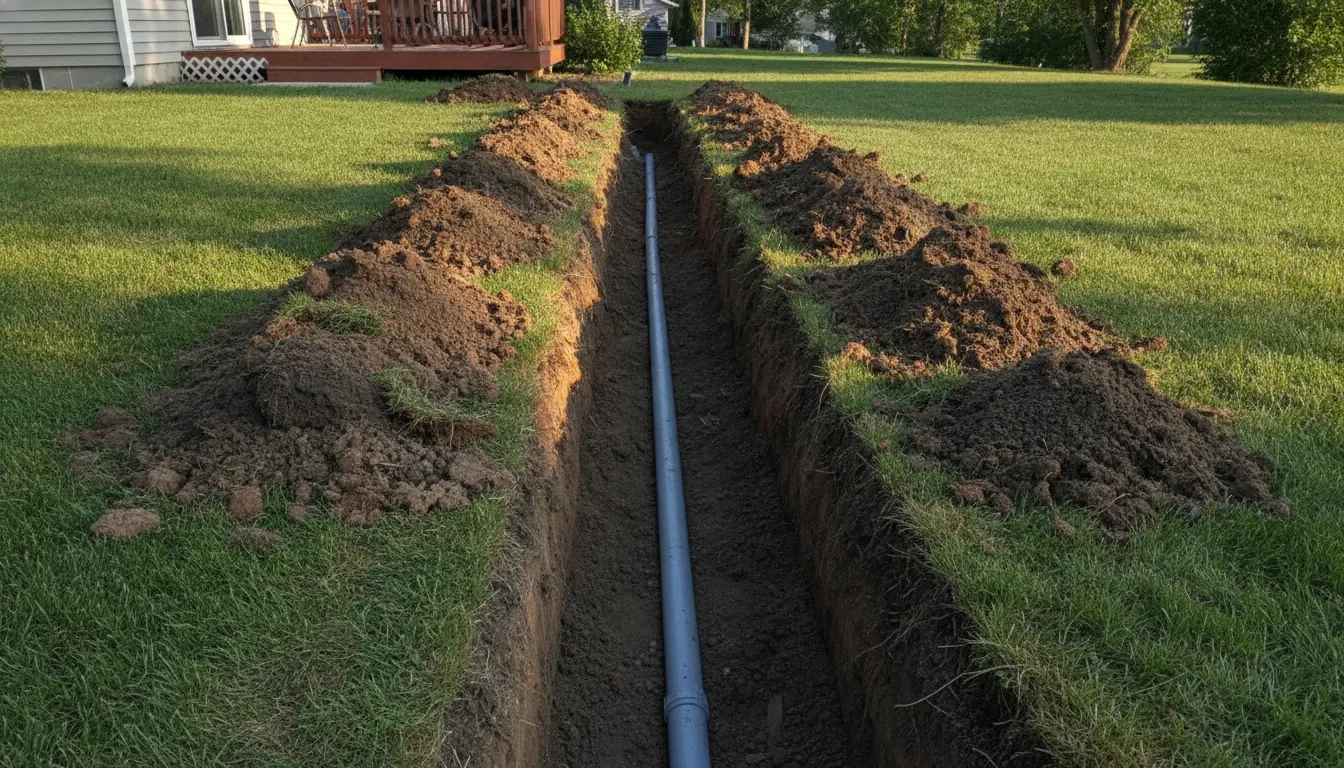
Running wires below ground keeps them safe from garden tools, lawn mowers, and foot traffic. The National Electrical Code (NEC) has clear rules for how deep these lines must go to avoid damage from digging. For most home setups, you must bury PVC pipe at least 18 inches deep in the soil. This depth helps protect the line from soil shifts and yard work that could break the conduit over time.
You also need to keep the spa at least five feet from your home walls and other structures to meet local clearance rules. Proper spacing helps prevent water damage to your home and keeps the electrical path clear of other metal objects.
- Mark a clear path from your main panel to the spa while avoiding other buried pipes or roots.
- Dig a trench that is at least 18 inches deep along the entire path to meet standard safety codes.
- Place the PVC conduit in the trench and seal all joints with cement to keep water and dirt out.
- Run the pipe into a hand shut-off box placed within sight of the hot tub but five feet away.
- Fill the trench with dirt once a pro has checked the conduit joints and the burial depth.
Picking the Right Wire Size and Type
The type of wire you use is a key part of any safe spa install. You cannot use indoor wires like Romex for an outdoor tub because they cannot handle wet conditions. Instead, you must use wet-rated wires like THHN or THWN once the line goes outside the house. These wires have a tough skin that stands up to heat and moisture over time without breaking down or leaking power. Using the wrong wire can lead to shorts, power loss, or fire risks that put your home in danger.
Wire size also matters for safety and steady power flow to your tub. A standard 50-amp circuit usually needs 6 AWG copper wire to handle the load of the pump and the heater at the same time. If your spa is far from your home, you might need 4 AWG copper wire instead to deal with voltage drop. This thicker wire prevents power loss over long runs and keeps your heater running at full speed during the winter. Meeting hot tub electrical installation requirements for equipment grounding also helps keep your family safe from shocks.
Installing the Manual Disconnect Switch
A manual disconnect switch is a vital safety part for any hot tub setup. The NEC requires this switch to be within sight of the spa but at least five feet away from the water edge. This gap keeps the switch far enough from the tub so a person cannot reach it while they are in the water. In an emergency, this box allows you to cut all power to the spa with one quick move. It also gives service pros a safe way to work on the tub without the risk of someone turning the power back on by mistake.
For tough tasks, an electrical panel assessment may be needed to handle the new load on your home system. Hiring a pro ensures all these details meet the latest safety codes.
Contact Pro Tech Power Corp today to plan your safe, code-compliant outdoor spa wiring.
How Do You Coordinate and Plan Timing Before Your Spa Arrives?
Planning your spa arrival takes more than just choosing a spot in the yard. You must sync your timeline with the dealer and your electrical team. Most hot tub electrical installation requirements involve steps that start weeks before the truck arrives. Good timing helps you avoid delays and extra costs.
You need to make sure the base is ready and the power is in place before the tub is dropped off. At Pro Tech Power Corp (CCB#198878), we work with you to plan every step. This makes sure the unit is ready to use the day it arrives at your home.
Home power load check
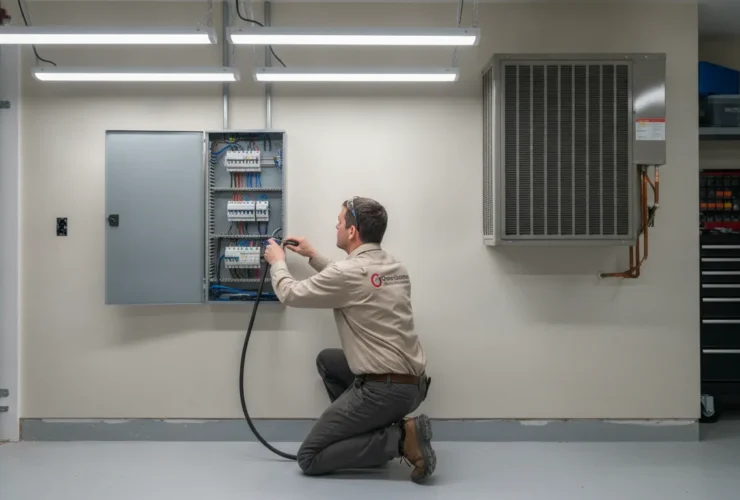
The first step is to see if your home can handle the new load. A new spa often needs 50 or 60 amps on its own line. Our team will look at your main box to see if you need an electrical panel upgrade. Older homes in Portland often need more room for these large circuits.
Doing this check early makes sure you have enough power to run the heater and pumps at the same time. This keeps the breaker from failing when you turn on the jets on a cold night. We make sure your system is safe and meets all current rules for high-load appliances.
Trench and pipe planning
Most Portland homes need a trench to run power to the spa site. The National Electrical Code (NEC) says you must bury wiring at least 18 inches deep in PVC pipe. We plan the dig to make sure the path is clear and safe from other lines.
Using the right pipe protects the wires from soil and rain over time. If the wire run is very long, we may use a thicker gauge to keep the power level strong. This step is vital for the long-term health of your hot tub and your home’s wiring system.
Local inspection steps
City inspectors must see the work before you finish it. They need to check the trench and pipe before you bury them in the ground. This open-trench check is a key part of the local building code and makes sure your home stays safe. We plan these visits to keep your project on track.
Once the spa is set, a final check makes sure the ground and shut-off switch are safe. The switch must be at least five feet away but within sight of the water for emergency use. We handle all the permits to make this part easy for you and your family.
Frequently Asked Questions
Can I use an extension cord to power my hot tub?
No, you should never use an extension cord to power a hot tub. Standard cords cannot handle the high power load. They can melt or catch fire easily. Most spa brands and the National Electrical Code do not allow them for safety reasons. Using one also ends your warranty and creates a shock risk near the water. You must have a dedicated, hardwired line put in by a pro for safe use.
Do I need a permit for hot tub electrical installation in Portland?
Yes, you need a permit for new hot tub wiring in the Portland area. High-voltage work near water is a big safety worry for local building officials. A permit ensures a city inspector checks the work for safety and code rules. At Pro Tech Power Corp, we handle all permit steps for our clients. This gives you peace of mind that your home meets all local electrical rules and standards for new spa installs.
What is the difference between 120V and 240V hot tubs?
A 120V tub plugs into a wall outlet and is easier to set up. However, a 240V hardwired tub heats the water much faster and works better in cold weather. According to Jacuzzi, a 240V system lets the heater run at 4 to 5.5 kW. A 120V system only gives you 1 to 1.5 kW. This means your water stays hot even when the jets are on high for a long time.
Why is a licensed electrician necessary for hot tub wiring?
Wiring a spa is risky because it mixes high voltage with water. A licensed pro ensures every ground and bond is right to stop shocks. They also know the NEC Art. 680 rules for wet areas. Our team of Journeymen at Pro Tech Power Corp (CCB#198878) has the skills to keep your family safe. We handle the hard technical work and city checks so you can just enjoy your new tub with no stress.
Ready to schedule your hot tub electrical installation?
Waiting to set up your new spa wiring can lead to long delays. It can also lead to much higher costs in the future. If you skip an expert check, you might face safety risks or need an electrical panel upgrade that stops you from using your tub. These technical problems often get worse the longer you wait.
Acting now is the best way to stay safe. Setting up your site visit today makes sure your house is ready for the new power load so you can start resting much sooner. Our team is fully licensed (CCB#198878) and will handle every detail to keep your home safe.
Ready to schedule your hot tub electrical installation? Call 503-780-6207 to talk to a licensed electrician about your project today.