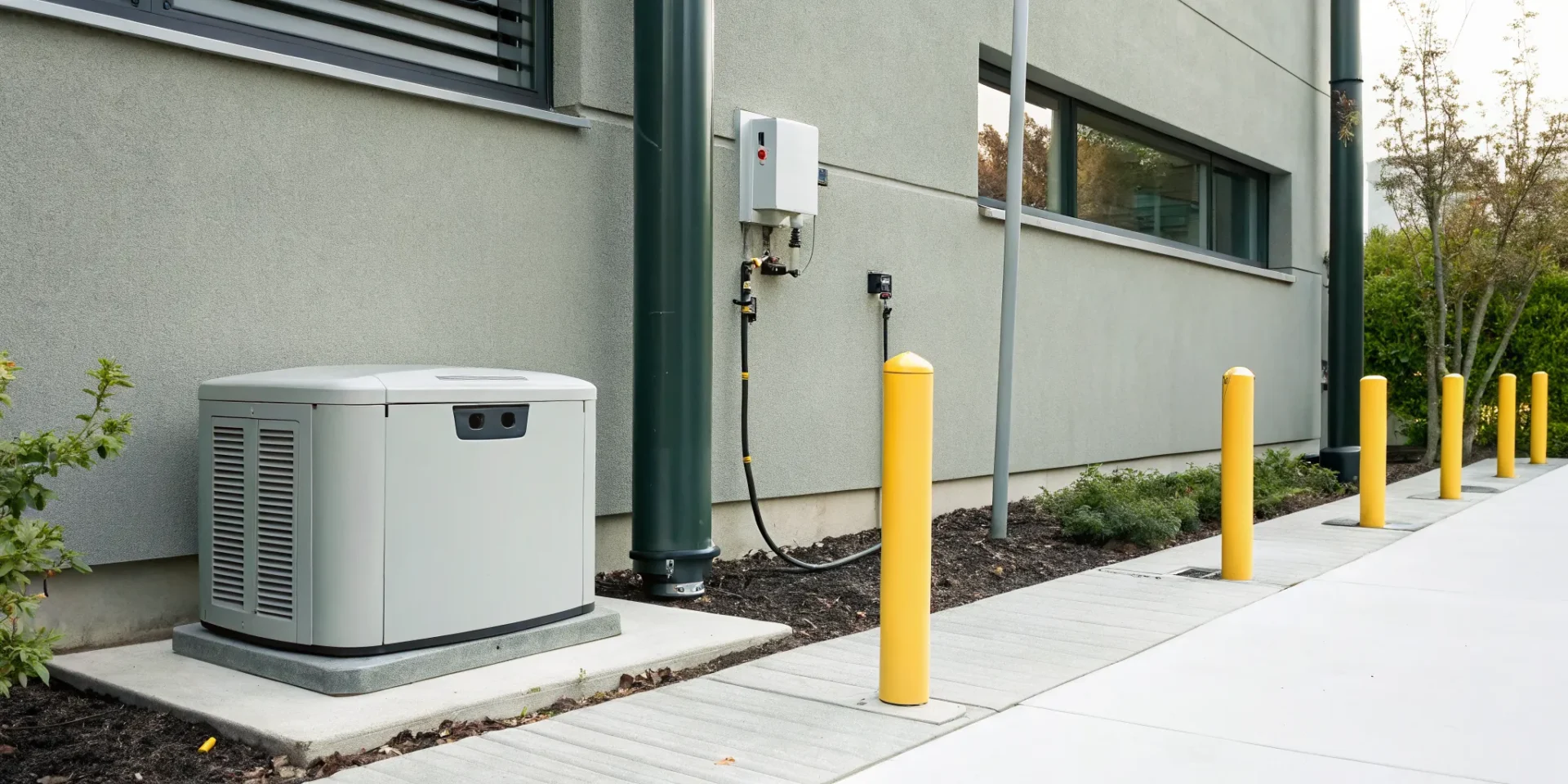
Your Guide to a Natural Gas Line for a Generator
Your generator’s performance depends entirely on its ability to get the fuel it needs, exactly when it needs it. An improperly installed gas line can starve the engine, causing it to fail right when you’re counting on it. Common mistakes like choosing the wrong pipe size, ignoring your home’s total gas demand, or skipping professional safety checks can turn your reliable backup plan into a major liability. This article is your guide to avoiding those pitfalls. We will cover the essential steps for correctly and safely installing a natural gas line for a generator, ensuring your system is ready to perform flawlessly during any power outage.
Key Takeaways
- Opt for Natural Gas for Unmatched Reliability: A natural gas line provides a continuous fuel supply, which means you don’t have to worry about refueling during a long power outage. It’s a convenient and cost-effective solution for keeping your home powered.
- Professional Installation is Non-Negotiable: Connecting a generator to a gas line is a complex job that requires a licensed expert to handle local codes, permits, and safety checks. Hiring a professional is the only way to ensure your system is safe and compliant.
- Correct Sizing and Placement are Crucial: Your generator’s performance depends on a properly sized gas line that can meet its fuel demand. Just as important, the unit must be placed a safe distance from your home to ensure proper ventilation and prevent carbon monoxide risks.
Why Power Your Generator with Natural Gas?
When you’re investing in a whole-home generator, one of the biggest decisions is how you’ll fuel it. While options like propane and diesel have their place, natural gas is often the top choice for homeowners for its unique combination of convenience, cost-effectiveness, and reliability.
Connecting your generator to your home’s existing natural gas line means you tap into a fuel source that’s always on. This eliminates the need for bulky storage tanks and the hassle of refueling. It’s a clean, efficient, and straightforward solution that provides peace of mind when you need it most.
Enjoy a Never-Ending Fuel Supply
Imagine a major storm rolls through, and the power goes out for days. If your generator runs on gasoline or propane, you’re constantly wondering how much fuel is left and how you’ll get more if roads are closed. With a natural gas generator, that worry disappears. Connecting to your utility’s natural gas line provides a continuous fuel supply, so you won’t have to refuel your generator during long power outages. As long as the gas utility is operational, which it almost always is, your generator can run indefinitely, keeping your lights on, your food cold, and your home comfortable.
Save Money and Reduce Your Footprint
Beyond convenience, natural gas is typically more affordable than propane or diesel, which can lead to significant savings over the life of your generator. It also burns cleaner than other fossil fuels, reducing emissions and your environmental impact. There is one trade-off to consider: a generator using natural gas generally produces about 80% of the power it would when using gasoline or propane. However, for most homeowners, this slight reduction in output is a small price to pay for the incredible reliability and lower operating costs. We can help you select a Kohler or Cummins generator that is perfectly sized to meet your home’s needs, ensuring you have all the power you require.
What’s Required for a Natural Gas Line Installation?
Getting a natural gas line installed for your generator involves more than just laying a pipe from point A to point B. It’s a precise process that requires careful planning and technical expertise to ensure your generator runs reliably and your home stays safe. Think of it as the foundation for your home’s energy independence. A proper installation is built on three key pillars: understanding local regulations, confirming your home’s gas supply can handle the new demand, and using the right professional-grade materials for the job.
Handling these requirements correctly is non-negotiable. Skipping a step or using the wrong part can lead to an unreliable generator or, worse, a serious safety hazard. This is why it’s a job best left to licensed professionals. When you work with an experienced electrical contractor, they manage all these technical details for you. They ensure every connection is secure, every code is met, and your system is perfectly sized for your needs. This gives you peace of mind knowing your generator will have the fuel it needs to kick on the moment the power goes out. Let’s walk through what each of these steps entails.
Know Your Local Codes and Permits
Before any work begins, the first step is to understand the local rules. Every city and county has specific building codes that govern how natural gas lines must be installed. These regulations cover everything from the type of pipe you can use to how deep it needs to be buried. Following these rules is essential for safety and to pass the final inspection.
A professional installer will be familiar with the Oregon Mechanical Specialty Code and any additional requirements for the Portland area. They will also handle the entire permitting process for you. This ensures your project is documented correctly and meets all legal and safety standards from the very start.
Check Your Home’s Gas System Capacity
Your home’s existing natural gas system was designed to fuel the appliances you already have, like your furnace, water heater, and stove. A standby generator is a powerful piece of equipment that requires a significant amount of fuel. Before installing a new line, it’s critical to confirm that your gas meter and main supply line can support this additional load.
An experienced technician will perform a calculation to determine your home’s total gas demand with the generator included. If your current system isn’t large enough, your generator might not get enough fuel to run properly, or it could affect the performance of your other gas appliances. This assessment ensures your entire system works together seamlessly.
The Right Tools and Materials for the Job
Installing a gas line requires specific materials and specialized tools to create a secure, leak-free system. The pipe material, fittings, and shut-off valves must all be rated for natural gas and installed according to strict industry standards. For example, the International Fuel Gas Code dictates that any gas piping installed underground must have a minimum amount of earth cover for protection.
This isn’t a project for standard plumbing pipes or DIY methods. Professionals use specialized equipment to cut, thread, and connect the gas lines, ensuring every joint is perfectly sealed. Using the correct materials and installation techniques is fundamental to building a safe system that will last for decades.
What Size Gas Line Does Your Generator Need?
Choosing the right size for your generator’s gas line is one of the most important steps in the installation process. It’s not as simple as picking any pipe; the size directly impacts your generator’s ability to perform reliably when you need it most. An undersized line can starve the engine of fuel, which could leave you in the dark during an outage. Let’s break down what goes into making the right choice for your home.
How to Calculate Your Generator’s Fuel Needs (BTU)
First, we need to figure out how much fuel your generator actually needs to run. This is measured in British Thermal Units, or BTUs, which is a standard way to talk about heat energy. A good rule of thumb is that a generator requires about 2,500 BTUs for every horsepower it produces. So, a 20-horsepower generator would need around 50,000 BTUs. This number is the foundation for all other calculations. Understanding your generator’s energy demand helps ensure the gas line can deliver enough fuel to keep the lights on, especially when your home is drawing a lot of power.
Account for Pipe Length and Pressure Drop
The next piece of the puzzle is distance. The farther the gas has to travel from your meter to your generator, the larger the pipe needs to be. This is because of something called pressure drop. As gas flows through a long pipe, it naturally loses a bit of pressure along the way. A wider pipe helps compensate for this loss, ensuring a steady and sufficient flow. Here are some general guidelines a professional might use:
- Up to 10 feet: 3/8-inch pipe
- 10 to 50 feet: 1/2-inch pipe
- 50 to 100 feet: 3/4-inch pipe
- Over 100 feet: 1-inch pipe
A licensed professional will calculate the exact requirements for your specific layout to guarantee optimal performance.
Why the Right Pipe Size Matters
Getting the pipe size right from the start is crucial. If the line is too small, your generator might not get enough gas pressure to work correctly, causing it to sputter or fail under a heavy load. It’s a preventable problem that you don’t want to discover during a power outage. For this reason, it’s often smart to install a slightly larger pipe than what’s minimally required. This gives you a buffer and even prepares your home for a more powerful generator in the future. Properly sizing the gas line is a key part of a professional generator installation that guarantees reliable power for years to come.
How Professionals Install Your Gas Line
Connecting a generator to your home’s natural gas line is a complex job that requires precision and technical expertise. It’s definitely not a weekend DIY project. When you work with a professional team, you can expect a systematic process that puts safety and performance first. From the initial design to the final inspection, every step is handled with care to ensure your generator runs reliably when you need it most. Here’s a look at how licensed technicians approach a generator installation.
Step 1: Assess the Site and Design the System
The first step is always a thorough site assessment. A professional will visit your property to determine the best location for your generator and map out the most efficient route for the new gas line. This isn’t just about convenience; it’s about safety and compliance with local codes. They’ll consider factors like ventilation, distance from windows and doors, and accessibility. This initial planning phase is like creating a blueprint for the entire project. It ensures every detail is accounted for before any physical work begins, guaranteeing a smooth and successful installation from the start.
Step 2: Run and Secure the New Gas Line
Once the plan is set, the real work begins. A licensed technician will run the new gas line from your home’s main supply to the generator’s location. This involves selecting the correct pipe size, which is critical for your generator’s performance. A pipe that’s too small or too long won’t deliver enough gas pressure, preventing the generator from operating correctly when you need it. Our experienced team handles this with precision, securing the line properly and ensuring every connection is solid and meets all local regulations for a safe, long-lasting setup.
Step 3: Make Final Connections and Test for Leaks
With the gas line in place, the next step is to make the final connections to your home’s gas meter and the generator itself. This is where expertise truly matters. After everything is connected, the technician performs a comprehensive leak test. Using tools like a pressure gauge and a soapy water solution, they meticulously check every joint and connection point to confirm there are absolutely no gas leaks. This step is non-negotiable and is one of the most important safety checks in the entire process, giving you complete confidence in your new system.
Step 4: Complete the Final Inspection
The job isn’t finished until it passes a final inspection. After the installation and leak tests are complete, the work is reviewed to ensure it complies with all local building and safety codes. A professional contractor will manage this process for you, coordinating with local inspectors to get the final approval. This last step provides official verification that your new gas line and generator connection are installed correctly and safely. When you’re ready to get started on a project that’s done right the first time, you can reach out to our team.
Key Safety Measures for Gas Line Installation
When you’re working with natural gas, safety isn’t just a suggestion, it’s the most important part of the job. A proper installation ensures your generator runs efficiently and, more importantly, keeps your home and family safe from potential hazards like gas leaks or carbon monoxide exposure. This is one home project where cutting corners is never an option. Following the right safety protocols from the start gives you peace of mind, knowing your backup power system is reliable and secure. Let’s walk through the essential safety measures every installation should include.
Why You Should Always Hire a Licensed Pro
Tackling a gas line installation yourself might seem like a way to save money, but the risks are incredibly high. It’s crucial to hire licensed professionals to install a natural gas line for a generator. A licensed contractor has the training and experience to handle natural gas safely and understands all the local building codes and permit requirements in the Portland area. They know how to correctly size the pipes, make secure connections, and perform the necessary pressure tests to check for leaks. This isn’t just about following rules; it’s about ensuring the job is done right to prevent dangerous situations down the road.
Ensure Proper Generator Placement and Ventilation
Where you place your generator is a critical safety decision. A generator must be located a safe distance from your house, typically at least five feet away from any doors, windows, or vents, to prevent deadly carbon monoxide (CO) from entering your home. CO is an odorless, colorless gas produced by the generator’s engine, and it can build up to dangerous levels in enclosed spaces. A professional will assess your property to find the ideal spot that meets all carbon monoxide safety guidelines while also considering factors like noise and accessibility for future maintenance.
Install Essential Shut-Off Valves and Regulators
A safe gas line installation includes several key components, like shut-off valves. A professional will install manual shut-off valves at the main gas supply and right before the generator. These valves allow you to quickly and safely turn off the gas flow in an emergency or when work needs to be done. They also install a regulator to ensure the gas pressure delivered to your generator is correct. Using the right valves and regulators is non-negotiable for a secure system. It’s one of the many technical details that a qualified electrical contractor handles to make sure your entire system functions correctly and safely.
Common Installation Mistakes to Avoid
Installing a natural gas line for your generator is a project where precision is key. Even small oversights can lead to performance issues or safety hazards down the road. Getting it right the first time saves you from future headaches and ensures your generator is ready when you need it most. By being aware of the common pitfalls, you can make sure your installation is done correctly and safely from the start.
Here are a few of the most frequent mistakes we see and how to steer clear of them.
Choosing the Wrong Pipe Size or Materials
It’s easy to assume any gas pipe will do, but that’s a critical misstep. Using a pipe that’s too small is one of the most common errors. An undersized pipe can’t deliver the volume of natural gas your generator needs to operate under a full load. This can cause the generator to sputter or fail to start, defeating its purpose entirely. The length of the pipe also matters, as longer distances can lead to a drop in pressure. A professional will carefully calculate the fuel requirements to select the right pipe diameter and material for a steady, reliable fuel supply.
Forgetting Your Home’s Total Gas Demand
Your generator isn’t the only appliance drawing from your natural gas supply. Your furnace, water heater, stove, and fireplace all need fuel, too. A successful installation accounts for the total gas demand of your entire home, including the generator. Your gas meter must have enough capacity to handle everything running at once. In many cases, a meter upgrade is necessary to support the additional load of a powerful home generator. A qualified technician will assess your home’s total BTU requirements to ensure your gas system can keep up without compromising the performance of your other appliances.
Skipping Professional Checks and Bypassing Codes
In an effort to save time or money, some people might consider DIY-ing the gas line or hiring an unlicensed handyman. This is a mistake you can’t afford to make. Working with natural gas requires specialized knowledge to ensure safety and compliance with local building codes. A licensed professional will secure the necessary permits and make sure the installation passes inspection. This isn’t just about following rules; it’s about protecting your home and family. When you’re ready for a safe and compliant generator installation, it’s best to work with certified experts.
How Much Does Natural Gas Line Installation Cost?
Let’s talk about the numbers. Investing in a natural gas line for your generator is a smart move for long-term reliability, but it’s important to understand the costs involved. Generally, you can expect the installation to range from $600 to $1,200. This price typically covers the entire process, from the pipe and fittings to the professional labor required to get the job done right.
Of course, this is a general estimate. The final cost depends on the unique layout of your property and the specifics of your existing gas system. Think of it like any home improvement project; the final price tag is shaped by the details. Factors like the distance from your gas meter to your generator, the complexity of the pipe run, and local permit fees all play a role. We’ll break down these variables so you can get a clearer picture of what to expect for your home.
What Factors Influence the Final Cost?
Several key factors can affect the final price of your gas line installation. The most significant is the capacity of your home’s current gas system. A professional will need to determine if your existing gas meter and supply lines can handle the additional demand from a whole-home generator. If your system requires an upgrade to support the generator, this will add to the overall cost. The length and complexity of the gas line run also matter. A longer distance or a route that requires navigating finished walls and complex obstacles will require more materials and labor than a straightforward installation.
A Breakdown of Labor and Material Costs
When you receive a quote, the total cost is typically broken down into three main categories: labor, materials, and permits. Labor costs, which often range from $300 to $600, cover the time and expertise of the licensed professionals performing the installation. Material costs usually fall between $200 and $400 and include all the necessary piping, fittings, and connectors. Finally, securing the proper permits from your local municipality can add another $100 to $200. These permits are essential for ensuring your installation is safe and up to code. For a precise quote tailored to your home, it’s always best to contact a professional.
Connecting Your Gas Line to Your Electrical System
Once the gas line is in place, the next critical phase is integrating the generator with your home’s electrical panel. This isn’t a one-person job; it’s a coordinated effort that brings together different skilled professionals to ensure everything works together safely and correctly. The gas line provides the fuel, but the electrical connection is what delivers the power to your home when you need it most.
This step involves careful planning to make sure the generator, the fuel supply, and your home’s electrical system communicate flawlessly. A licensed electrician will handle all the wiring, from connecting the generator itself to installing the all-important transfer switch. This ensures that when an outage occurs, your generator is ready to take over without any manual intervention, keeping your lights on and your home running smoothly. It’s the final piece of the puzzle that turns your generator into a reliable, automated backup power solution.
How to Coordinate Gas and Electrical Work
Connecting a generator involves two distinct trades: plumbing for the gas and electrical for the power. This is not a DIY project. You’ll need a licensed plumber to run the natural gas line and a licensed electrician to handle the wiring and final connection. As your electrical contractor, we manage the electrical side and can help coordinate the entire project to ensure both parts are completed to code and in the right sequence.
Before any work begins, it’s essential to pull the correct permits from your local building department. Working with certified professionals ensures that all installations meet safety standards and pass inspection. Attempting this work without the right permits or qualifications can lead to significant fines and create serious safety hazards for your home and family.
Connect to Your Automatic Transfer Switch (ATS)
The heart of your backup power system is the Automatic Transfer Switch (ATS). This device is the brain that detects a power outage, disconnects your home from the utility grid, and signals your generator to start up and power your home. When utility power returns, the ATS handles the switch back and shuts down the generator. This seamless transition is what makes having a whole-home generator so convenient.
Your electrician will install the ATS and connect it to your main electrical panel and the generator. Proper installation is key, as is ensuring the gas line provides a steady fuel flow for the generator to operate effectively. According to the International Fuel Gas Code, all piping must be correctly sized and installed to guarantee safety and reliability, which is why professional installation is non-negotiable.
Related Articles
- How to Use a Whole House Generator Sizing Calculator USA – Pro-Tech-Power
- Whole House Generator Sizing: What Size Do You Need?
Frequently Asked Questions
Why can’t I install the gas line myself to save money? Working with natural gas is a job that requires specific training and licensing for a reason. The risks of an improper installation, like gas leaks or poor ventilation, are incredibly high. Licensed professionals understand the local codes, have the right tools to create secure connections, and know how to perform the necessary safety tests. Hiring a pro isn’t just about following rules; it’s about ensuring the safety of your home and family.
Will my current gas meter be sufficient for a new generator? That’s one of the first things a professional will determine. Your home’s gas system was originally sized for your existing appliances, like your furnace and water heater. A whole-home generator adds a significant demand. A technician will calculate your home’s total potential gas usage to see if your meter and supply lines can handle the extra load. If not, an upgrade may be necessary to ensure all your appliances, including the generator, run correctly.
How long can my generator actually run on a natural gas line? As long as your natural gas utility is supplying gas to your home, your generator can run. This is the biggest advantage of this fuel source. Unlike propane or diesel, you don’t have to worry about a tank running empty during a prolonged outage. It provides a continuous, reliable fuel supply, giving you true peace of mind when the power is out for an extended period.
I read that natural gas generators are less powerful. Is that a problem? It’s true that a generator produces slightly less power on natural gas compared to propane, but this is rarely an issue for homeowners. A professional installation always starts with correctly sizing the generator for your home’s specific needs. We’ll help you choose a Kohler or Cummins model that provides more than enough power for your essentials, so you won’t notice a difference in performance. The trade-off is well worth the convenience and endless fuel supply.
What’s the first step to getting a natural gas generator installed? The best way to start is with a professional site assessment. A qualified technician will evaluate your property, discuss your power needs, and determine the best location for the generator. They will also assess your current gas and electrical systems to create a comprehensive plan. This initial consultation gives you a clear roadmap for the project and ensures everything is designed for safety and reliability from day one.