
Panels & Wiring
New Home Electrical Wiring Portland: A Complete Guide
Pro Tech Power
· 21 Min Read
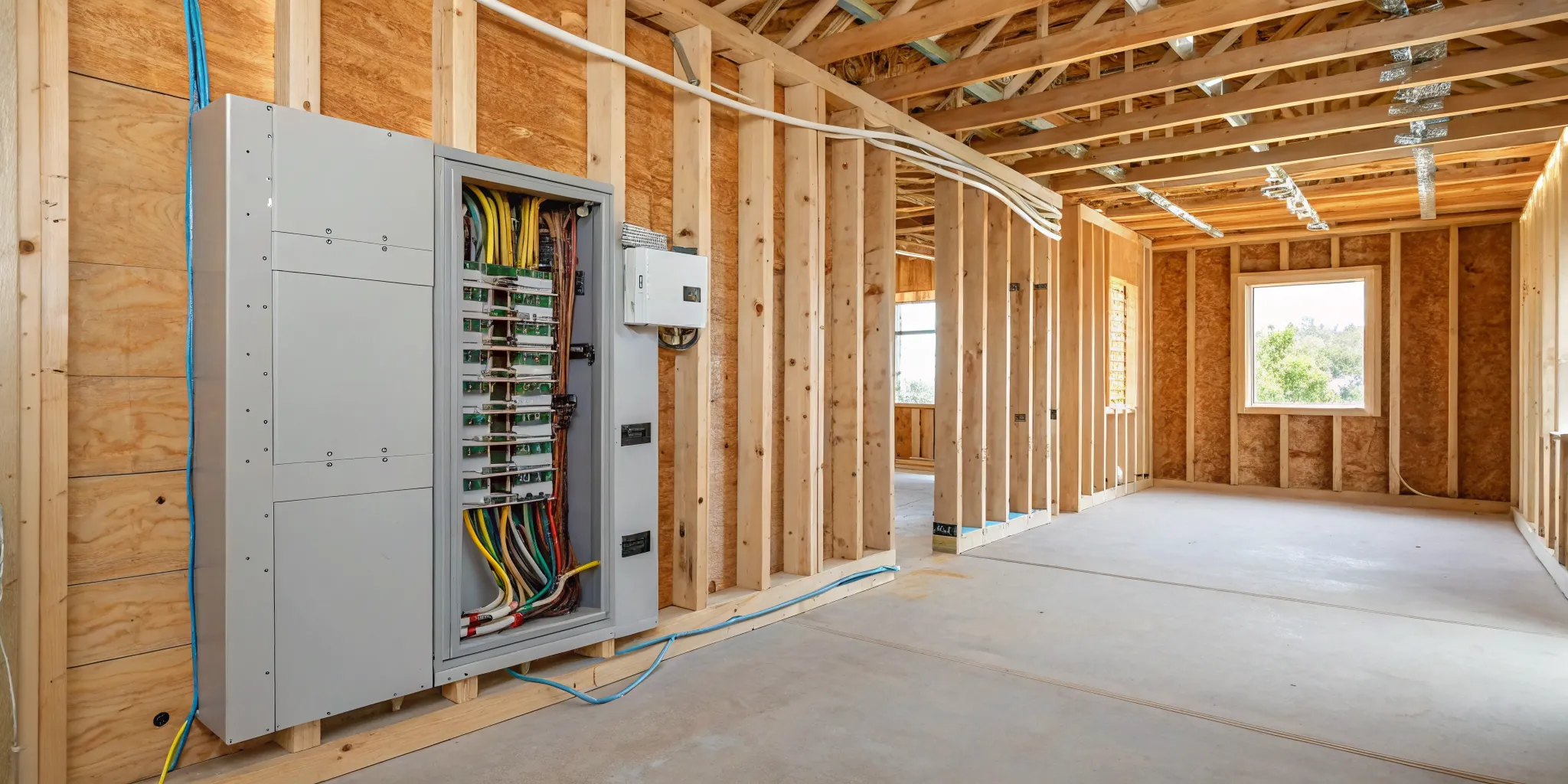
Your new home needs to do more than just turn on the lights; it needs to power your modern life. From dedicated circuits for a home office and high-efficiency appliances to pre-wiring for an electric vehicle charger or a whole-home generator, today’s electrical demands are complex. Building from the ground up gives you the perfect opportunity to create a system that’s not only safe and reliable today but also ready for tomorrow’s technology. This forward-thinking approach is the key to a truly functional home. We’ll explore the essential components of a future-ready installation and how planning for new home electrical wiring Portland families can depend on makes all the difference.
Key Takeaways
- Plan your electrical layout early and think ahead: Work with your electrician from the very beginning to map out a system that fits your lifestyle. Considering everything from outlet placement and smart home features to future needs like an EV charger will save you from costly changes down the road.
- Hire a licensed professional for safety and compliance: Electrical work is a job for experts, not a DIY project. Always choose a contractor with valid CCB and BCD licenses in Oregon to ensure your home’s wiring is safe, up to code, and passes all required inspections.
- Keep your project on track with clear communication: Your home’s size, design complexity, and material choices all affect the final cost and timeline. Maintaining open communication with your contractor helps manage expectations and ensures the project runs smoothly from start to finish.
What’s Included in New Home Electrical Wiring?
When you’re building a new home, the electrical wiring is like its central nervous system. It’s much more than just outlets and light switches; it’s a complex network that powers your entire life. A professional installation ensures everything works safely and efficiently from day one. Getting it right during construction saves you from costly and complicated fixes down the road. A complete new home electrical project involves several key stages, from designing the entire system and installing the main panel to integrating modern technology and custom lighting.
Properly planning your residential electrical system is one of the most important steps in your build. It involves mapping out where you’ll need power, considering your family’s current and future needs, and ensuring the entire system can handle the load. This foundational work guarantees your home is not only functional but also safe and prepared for whatever technology comes next. Let’s look at the essential components of a new home wiring installation.
Whole-Home Wiring Installation
The first step is designing and installing the wiring that runs throughout the entire house. This process involves carefully planning an electrical layout that fits your home’s blueprint and your lifestyle. A licensed electrician will run durable, high-quality cables through the walls, floors, and ceilings, connecting every room to the main power source. This includes placing outlets, switches, and fixtures in practical and convenient locations. A well-thought-out wiring plan ensures your home’s electrical system is reliable, meets all local codes, and can support your daily activities without a hitch. You can see examples of this detailed work in our project portfolio.
Electrical Panel and Breaker Box Setup
The electrical panel, or breaker box, is the heart of your home’s electrical system. It takes the main power coming into your house and distributes it safely to all the different circuits. Each circuit is protected by a breaker, which automatically shuts off power if it detects an overload, preventing potential fire hazards. Installing the right size panel is critical, as it needs to accommodate your current electrical demands while leaving room for future additions like a hot tub or an electric vehicle charger. A professional setup ensures your home has a dependable and secure electrical distribution system from the very beginning.
Smart Home Technology Integration
Building a new home is the perfect opportunity to wire for smart technology. Integrating features like automated lighting, smart thermostats, security cameras, and whole-home audio is much simpler and cleaner during the construction phase. An electrician can run the necessary low-voltage wiring and dedicated circuits to create a seamless, connected living space. Planning for smart home integration from the start allows you to enjoy advanced convenience and control without the hassle of retrofitting later. It’s a great way to make your new house feel truly modern and customized to your needs.
Custom Lighting System Installation
Lighting does more than just illuminate a room; it sets the mood and highlights your home’s best features. A custom lighting plan involves a mix of ambient, task, and accent lighting to create a functional and beautiful environment. During a new build, you can work with your electrician to install recessed lighting, under-cabinet lights, pendant fixtures, and outdoor landscape lighting exactly where you want them. This stage also includes setting up special circuits for major appliances and installing dimmer switches to give you complete control over your home’s atmosphere. Thoughtful lighting design can truly transform your space.
How Much Does New Home Electrical Wiring Cost in Portland?
Budgeting for a new home build involves many moving parts, and electrical wiring is a critical piece of the puzzle. While every project is unique, understanding the typical costs in Portland can help you plan effectively. The final price tag depends on the size of your home, the complexity of the installation, and the materials you choose. Let’s break down what you can expect to invest in a safe and reliable electrical system for your new home.
Cost Per Square Foot
A great way to get a ballpark figure for your electrical wiring budget is to look at the cost per square foot. For new construction, many industry estimates place the cost between $3 and $5 per square foot. So, for a 2,500-square-foot home, you might budget between $7,500 and $12,500 for the complete wiring installation. Think of this as a starting point. This range typically covers the basics: running wires, installing outlets and switches, and setting up the main electrical panel. It’s a foundational cost that ensures your home is powered safely and efficiently from day one.
Factors That Affect the Final Price
Your home’s unique features will shape the final cost of your electrical project. The overall size is the most obvious factor; a larger home requires more wire, more outlets, and more labor. The complexity of the job also plays a significant role. Are you planning for custom lighting, a home theater, or integrated smart home technology? These features require specialized skills and more intricate wiring plans. Finally, the contractor you choose matters. An experienced, licensed team may have a higher rate, but their expertise ensures the work is done correctly and up to code, preventing costly issues down the road. Our portfolio of work showcases the quality you can expect from a seasoned professional.
Additional Expenses to Consider
Beyond the core wiring, a few other costs can pop up. First, you’ll need to account for electrical permits. In Portland, permits are required for most electrical work to ensure it meets safety standards, and they can range from around $75 to over $900 for a major project. Your electrical contractor will handle securing these for you. Also, keep in mind that the cost of materials like light fixtures, smart switches, or custom outlet plates isn’t always included in the initial wiring quote. If you’re planning for high-end finishes or specific technology, be sure to discuss these details with your contractor to get a complete and accurate budget.
How to Choose an Electrical Contractor in Portland
Choosing the right electrical contractor is one of the most important decisions you’ll make for your new home. The electrical system is the heart of your house, powering everything from your lights to your appliances, and you need a team that is not only skilled but also reliable and trustworthy. A great contractor will work with you, your builder, and other trades to ensure your home’s wiring is safe, efficient, and built to last. Taking the time to vet your options properly will give you peace of mind and protect your investment for years to come.
Verify CCB and BCD Licensing
Before you even think about getting a quote, your first step should be to check for proper licensing. In Oregon, any legitimate electrical contractor must hold two key licenses: one from the Construction Contractors Board (CCB) and another from the Building Codes Division (BCD). These licenses are not just pieces of paper; they are your assurance that the contractor meets state standards for safety, training, and accountability. You can easily verify a contractor’s license online to confirm their status. If a company can’t provide their license numbers or seems hesitant to do so, consider it a major red flag and move on to the next candidate.
Look for New Construction Experience
Wiring a new home from the ground up is a completely different ballgame than a simple repair job. It requires a deep understanding of architectural plans, building codes, and project coordination. Look for a contractor with a strong portfolio of new residential or commercial builds. An experienced team knows how to plan for future electrical needs, install complex systems like smart home technology, and work seamlessly with other construction crews to keep the project on schedule. Ask to see examples of their past projects to get a feel for the quality and scope of their work and ensure they have the right experience for your home.
Check Reviews and Reputation
A contractor’s reputation can tell you a lot about what it’s like to work with them. Look for recent reviews on platforms like Google or Yelp to see what past clients are saying. Pay attention to comments about their professionalism, communication, and ability to stay on budget and on time. A few negative reviews aren’t necessarily a deal-breaker, but you should look for patterns in the feedback. A company with a long history of positive reviews and a clear commitment to customer satisfaction is more likely to provide the excellent experience you want for your new home build.
What Permits and Inspections Does Portland Require?
Working with permits and inspections might seem like a hassle, but they are essential safeguards for your new home. This process ensures that all electrical work is done correctly, meets strict safety standards, and is fully compliant with local regulations. Think of it as a built-in quality check that protects your family and your investment. A professional electrical contractor will handle this entire process for you, making it a smooth and worry-free part of your home-building journey. They know the requirements inside and out, from submitting the initial application to scheduling the final sign-off.
When You Need an Electrical Permit
In Portland, you’ll need an electrical permit for almost any new wiring project. This isn’t just for building a home from the ground up. It also applies to smaller jobs like adding new outlets, installing recessed lighting, or upgrading an old fuse box to a modern circuit breaker panel. The city requires these permits to ensure all electrical work is performed safely and according to code. Getting the right residential electrical permits is the first step in any legitimate electrical installation, providing a clear record of the work done on your property.
The Inspection Process and Timeline
Once your contractor applies for a permit, it’s usually issued within a day of payment. After the initial wiring is installed, an inspection must be scheduled before the walls are closed up with drywall. This allows a city inspector to verify that the wiring, outlets, and connections are all installed correctly. Your contractor will schedule this by providing the permit number and a specific inspection code. This critical step confirms that the work meets Portland’s safety standards, giving you confidence that your home’s electrical system is safe and reliable from the start.
Meeting Local Code Standards
To legally perform electrical work in Portland, a contractor must hold active licenses from both the Oregon Construction Contractors Board (CCB) and the Building Codes Division (BCD). These credentials ensure they are qualified, insured, and accountable for their work. A professional will always include their license numbers on the permit application. It’s also important to know that even if your project doesn’t require a larger building permit, a separate electrical permit is almost always necessary. This focus on compliance guarantees that every part of your electrical system is installed with the highest level of safety and expertise.
What Makes a Wiring Project More Complex?
When you’re building a new home, the electrical wiring is like the central nervous system. It powers everything, from the lights you flip on every morning to the smart home devices that make life easier. While every new construction project requires careful planning, some factors can add layers of complexity, influencing the project’s timeline and budget. Understanding these elements from the start helps you and your contractor create a clear plan for a safe, efficient, and future-ready home.
Your Home’s Size and Layout
It makes sense that a larger home requires more wire, outlets, and circuits, which increases the overall scope of the project. But it’s not just about square footage. A home with a complex architectural design, like one with vaulted ceilings, multiple levels, or unique room shapes, demands more intricate planning and installation. While wiring a new build is generally more straightforward than rewiring an existing home, a complicated layout can still drive up the cost per square foot. An experienced electrician knows how to map out a wiring plan that works with your home’s specific design, ensuring every connection is secure and properly sized to prevent safety hazards down the road.
Planning for Future Electrical Needs
A great electrical plan doesn’t just meet your needs today; it anticipates what you’ll need tomorrow. Thinking ahead is one of the smartest things you can do during a new build. Do you dream of adding an electric vehicle charger in the garage? What about a hot tub on the back patio or a dedicated workshop with heavy-duty power tools? Discussing these possibilities with your electrical contractor early on allows them to build a system that can grow with your future needs. This might involve installing extra circuits in the electrical panel or running conduit for future installations, saving you from costly and disruptive updates later.
Energy Efficiency Goals
Modern homes are increasingly built with energy efficiency in mind, and your electrical system is a huge part of that equation. If you’re interested in reducing your carbon footprint and your utility bills, your wiring plan can be designed to support that. This could include dedicated circuits for high-efficiency appliances, integrated smart home systems that manage lighting and climate control, or wiring that’s ready for a future solar panel installation. It also means planning for reliable backup power. Integrating a whole-home generator from brands like Kohler or Cummins ensures you have uninterrupted power, and proper electrical grounding provides a safe path for fault currents, which is essential for both safety and efficiency.
Common Electrical Installation Mistakes to Avoid
Building a new home is an exciting process, but a few missteps with your electrical system can create long-term headaches and safety issues. Understanding the most common mistakes helps you ensure your project is done right from the start. A professional electrical plan is your best defense against these preventable problems, keeping your home safe and functional for years to come.
Costly Planning Errors
One of the biggest planning mistakes is overloading a circuit by connecting too many devices to it. While a tripped breaker is an obvious sign, this constant strain can also wear down your wiring over time. Another frequent issue is improper wiring, which includes using wires that are too small for the electrical load or having loose connections. These errors aren’t just inconvenient; they can pose serious safety risks. A detailed plan from an experienced contractor ensures your electrical system can handle your family’s needs safely, placing outlets and circuits exactly where you need them without cutting corners.
The Risks of DIY Electrical Work
It can be tempting to handle some electrical work yourself to save money, but this often leads to bigger problems. Many DIY projects overlook key safety precautions, like failing to install GFCI outlets in required areas, which increases the risk of shock. What starts as a cost-saving measure can quickly become more expensive when a professional has to be called in to fix mistakes, correct code violations, or address unsafe wiring. Working with a licensed electrician from the beginning is the most reliable way to protect your investment and, more importantly, your family.
Overlooking Permits and Inspections
In Portland, you need an electrical permit for most new electrical work, including adding new outlets or light fixtures. Skipping this step is a common but risky mistake. Permits trigger inspections, which are designed to verify that the work meets local safety codes. Forgoing an inspection means a critical safety check is missed, potentially leaving hidden hazards within your walls. A qualified electrical contractor will manage the entire permitting and inspection process for you, giving you peace of mind that your home’s wiring is safe, compliant, and correctly installed.
Key Safety Considerations for Electrical Wiring
Electrical work is one area where you can’t afford to take chances. Building a new home gives you the opportunity to install a safe, reliable electrical system from the ground up. Prioritizing safety from day one protects your investment, your property, and your family. A correctly installed system that meets all local codes is fundamental to a secure home. This involves more than just connecting wires; it requires a deep understanding of electrical principles, strict adherence to safety protocols, and quality craftsmanship. From proper grounding to hiring qualified professionals, every decision contributes to the safety of your home’s electrical infrastructure.
On-Site Safety Protocols
When it comes to any electrical project, safety is the top priority. The most fundamental rule is to always turn off the power to the circuit you’re working on by heading to the main service panel and switching off the correct breaker. It’s a simple but critical step that can prevent electrical shocks and other serious accidents. A professional electrician will follow strict safety protocols, including testing to confirm the power is off and securing the work area. This disciplined approach ensures the project is completed safely for everyone involved.
The Importance of Proper Grounding
You might hear electricians talk about “grounding,” and for good reason. It’s a critical safety feature in your home’s electrical system. Think of proper grounding as a safety net. If there’s a fault, the grounding wire provides a safe path for electricity to travel to the earth, preventing it from passing through a person. Without this crucial pathway, the risk of electrical shock and equipment damage increases. In a new home, ensuring the system is correctly grounded is a foundational step for long-term safety.
Why You Should Hire a Professional
While the DIY spirit is admirable, electrical work isn’t the place to cut corners. Small mistakes can lead to big problems like overloaded circuits, fire hazards, and failed inspections. Hiring a licensed electrician helps you avoid these common pitfalls. A professional understands Portland’s electrical codes, secures the right permits, and ensures the job is done correctly the first time. This protects your home and can save you money on costly fixes. When you partner with a team of experts, you’re investing in safety, quality, and an electrical system built to last.
How to Keep Your Electrical Project on Track
A new home build has many moving parts, and the electrical work is its central nervous system. Keeping this critical phase on schedule and within budget is key to a smooth construction process. A successful project isn’t just about the final result; it’s about how you get there. With a bit of planning, clear communication, and smart material choices, you can ensure your electrical installation goes off without a hitch and powers your home safely for decades to come.
Understanding the Installation Timeline
The best time to bring an electrician into your new home build is right at the beginning. When you hire an electrician early, they can help design a system that fits your lifestyle and budget, preventing costly changes later. A typical wiring project happens in two main stages: the “rough-in” phase before drywall, and the “trim-out” or “finish” phase where fixtures are installed. Your contractor should provide a clear schedule for these stages and coordinate with other trades to keep everything moving forward. A well-defined timeline is the roadmap for your project.
Communicating Effectively with Your Contractor
Clear communication is the secret to a stress-free construction project. Your electrical contractor is a key player who should work closely with your general contractor and designers. Don’t be afraid to ask questions or request regular updates; a great contractor will be happy to walk you through their progress. Establishing a rhythm for communication, like a weekly check-in, ensures everyone is on the same page. This collaboration is crucial for keeping the project on schedule and helping it pass inspections the first time. Feel free to reach out to our team to see how we manage project communication.
Selecting Quality Materials and Components
The components hidden behind your walls are just as important as the fixtures you see. Opting for high-quality materials is an investment in your home’s safety and reliability. A common mistake is using the wrong size wire for a circuit, which can create a serious safety hazard. Loose connections or undersized wires are risks you can’t afford to take. Your electrician should use durable, code-compliant components from trusted brands. Discuss the options with them and trust their professional recommendation over the cheapest price tag. You can see the quality of our finished electrical work in our past projects.
Start Your New Home Electrical Project
Getting the electrical wiring right is a critical part of building a new home. It’s the hidden network that powers your life, so planning it thoughtfully is key to creating a space that’s safe, efficient, and ready for the future. A successful project begins with a solid plan, the right professional partner, and a clear understanding of the process. When you approach your new home’s electrical system with care, you’re laying the foundation for years of comfort and convenience, ensuring your project runs smoothly.
Your First Step: Consultation and Planning
The best time to hire an electrician for your new home is right at the beginning, alongside your architect and builder. Bringing an expert in early helps you design a system that fits your lifestyle and budget. They can help map out an electrical layout that’s optimized for how you’ll use each room, ensuring you have outlets exactly where you need them. This early collaboration prevents costly changes and ensures your home’s electrical framework is practical and safe from day one. A thoughtful initial consultation is the first step toward a home that works for you.
Partnering with Pro-Tech-Power
Choosing the right electrical contractor is crucial, and you need a team with proven experience in new home construction. At Pro-Tech-Power, we manage every part of the electrical wiring process for new builds. From installing the first outlets to setting up your main panel and performing final safety checks, we handle it all. We ensure your home’s wiring is safe, efficient, and fully compliant with all local electrical codes. You can see our dedication to quality in the residential and commercial work we’ve completed throughout the Portland area. We partner with you to bring your vision to life.
How to Prepare for the Installation
While your contractor manages the technical side, knowing what to expect can make the process smoother. One of the first steps is securing the proper permits. Most electrical work for a new home requires residential electrical permits to ensure the project meets legal and safety standards. Your contractor typically handles this, but it’s good to be aware of the requirement. As the project moves forward, our team coordinates with other trades on-site. Your main role is to communicate your vision clearly so we can build an electrical system that suits your new home.
Related Articles
- Top-Rated Electrician Portland Oregon | Pro Tech Power Corp
- Trusted Beaverton Oregon Electricians | Pro Tech Power Corp
- Expert Electrical Contractor Salem OR | Pro Tech Power Corp
- Local Electrician in Tigard, Oregon | Pro Tech Power Corp
- Electrician in Eugene, Oregon | Pro Tech Power Corp
Frequently Asked Questions
How long does the electrical wiring for a new home usually take? The timeline really depends on the size and complexity of your home. Generally, the work is split into two main phases. The first is the “rough-in,” which happens after the framing is up but before the drywall is installed. The second is the “finish” phase, which takes place near the end of the build when we install fixtures, switches, and outlets. A good contractor will coordinate closely with your builder to create a schedule that keeps the entire project moving smoothly.
What if I want to add an EV charger or hot tub in the future? This is a great question, and it’s exactly why we emphasize planning ahead. During the initial build, we can easily install the necessary wiring or conduit for future additions like an EV charger, hot tub, or workshop. Taking care of this now is far simpler and more affordable than trying to add it later, which would involve cutting into finished walls. It’s a smart way to make sure your home is ready for whatever comes next.
Does your initial quote include the cost of light fixtures and smart home devices? Typically, an initial wiring quote covers the foundational work, which includes the labor and materials like wires, outlets, switches, and the main electrical panel. The decorative and functional pieces, such as light fixtures, ceiling fans, or specific smart home components, are usually selected by you and budgeted for separately. We always recommend discussing your specific product choices with us so we can provide a complete and accurate budget for your project.
Why is it so important to hire an electrician with new construction experience? Wiring a new home is completely different from doing a simple repair. It requires the ability to read architectural blueprints, design an entire electrical system from the ground up, and coordinate seamlessly with plumbers, HVAC technicians, and other crews on a busy job site. An electrician who specializes in new builds knows how to plan for efficiency and safety from the very beginning, which helps prevent costly delays and ensures your home’s electrical system is solid.
What happens during an electrical inspection? An inspection is a standard quality check to ensure all the electrical work is safe and up to code. After the rough-in wiring is complete, a city inspector will visit the site to review the installation before the walls are closed up. They check things like wire placement, circuit loads, and proper grounding. Your contractor will handle scheduling the inspection and will make sure all the work is ready to pass, giving you peace of mind that everything behind your walls is installed correctly.