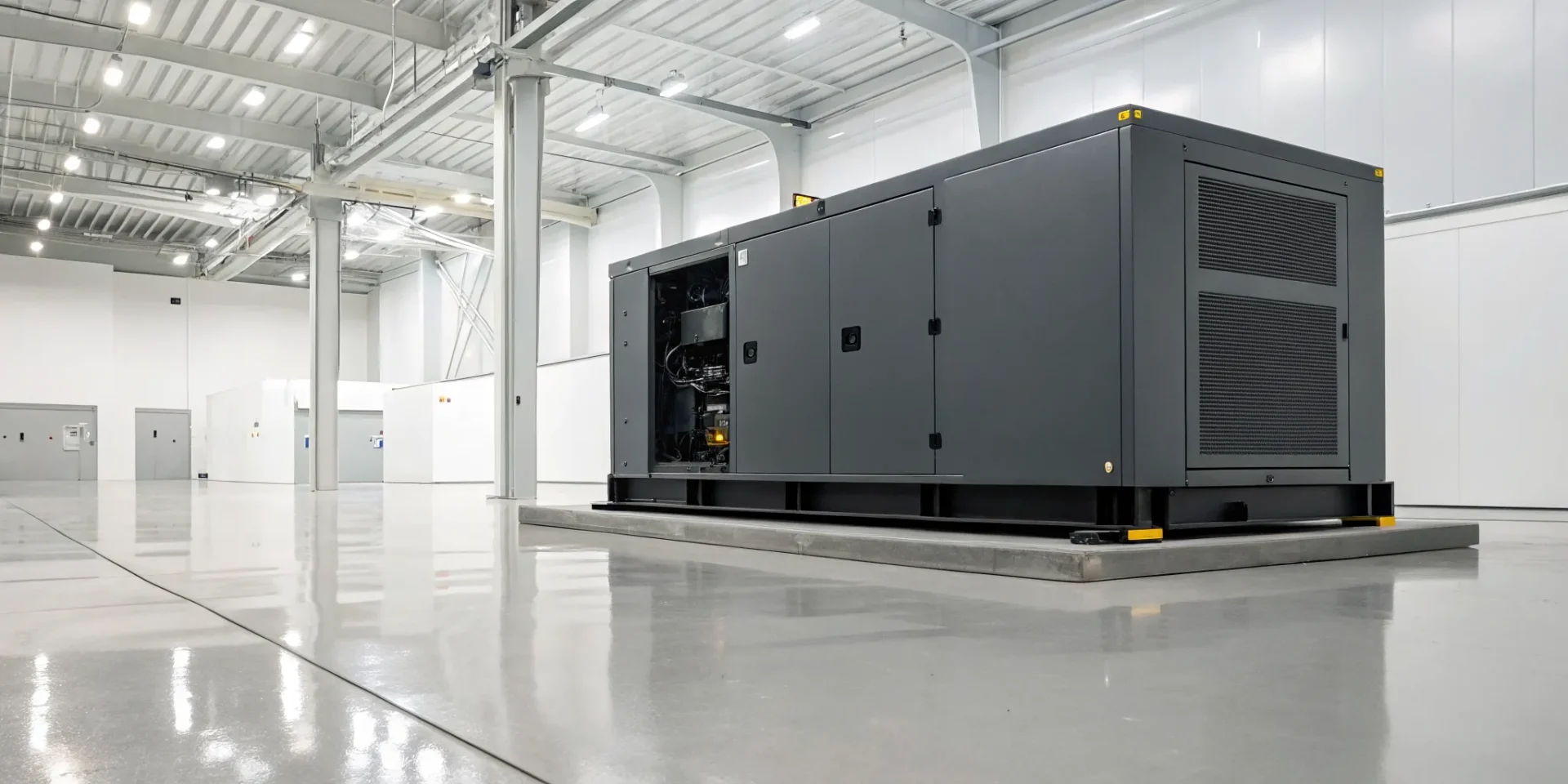
Backup Generator 101: Your Complete Guide
Thinking about a major home upgrade often brings kitchens and bathrooms to mind, but what about an improvement that protects your entire home? A whole-home backup generator is a powerful investment in your property’s security and value. Unlike cosmetic changes, it provides a practical function that offers true peace of mind during unpredictable weather. For potential buyers, a home equipped with reliable backup power is significantly more attractive, signaling a well-maintained and resilient property. This article explores why a generator is a smart financial decision, how it impacts your home’s resale value, and what you need to know before making the investment.
Key Takeaways
- Automatic generators offer seamless power: A standby generator works with an automatic transfer switch to restore electricity to your home within seconds of an outage, ensuring your life continues without interruption.
- Choosing the right model is a balancing act: The perfect generator for you depends on several factors, including the power output needed for your home, the most convenient fuel source for your property, and the reliability offered by top brands.
- Professional installation is a non-negotiable part of the investment: The total cost includes both the generator unit and the critical installation by a licensed electrician. This ensures your system is safe, compliant, and ready to perform, protecting your home and potentially increasing its market value.
How Does a Backup Generator Keep Your Home Running?
When a storm hits and the lights flicker out, the first thought is often, “How long will this last?” For homeowners with a backup generator, the answer is, “Just a few seconds.” A whole-house generator is more than just a piece of equipment; it’s a system designed to keep your life running without interruption. When it senses a power outage, it automatically kicks in to restore electricity to your home’s essential circuits or even the entire house.
This process feels almost magical, but it’s a well-coordinated sequence of events. It all starts with a smart device that acts as the brain of the operation, constantly monitoring the electrical feed from the utility company. Once it detects a problem, it springs the generator to life and safely manages the transfer of power. The generator itself, which runs on a reliable fuel source, then produces clean, stable electricity to power everything from your refrigerator and lights to your home office and heating system. It’s a seamless transition that provides peace of mind, ensuring your family stays safe and comfortable, no matter what the weather is doing outside.
The Automatic Switch: How Power Transfers
The hero of any power outage is the Automatic Transfer Switch, or ATS. Think of it as the system’s command center. The ATS is wired directly into your home’s electrical panel and constantly watches the flow of power from the grid. The moment it detects an interruption, it immediately disconnects your home from the utility line. This is a critical safety step that prevents your generator from sending power back into the grid, which could endanger utility workers. Within seconds, the ATS signals your generator to start up. Once the generator is running smoothly, the ATS transfers your home’s electrical load to it, restoring your power.
Fueling Your Generator: What Are the Options?
Your generator needs fuel to create power, and you have a few reliable options to choose from. The most common for residential standby generators are natural gas and liquid propane (LP). If your home already has a natural gas line, it’s an incredibly convenient choice, providing a virtually unlimited fuel supply. Liquid propane is another excellent option, stored in a tank on your property. This is ideal for homes without access to natural gas lines. For larger properties or specific power needs, diesel is also a possibility, known for its power and efficiency. The right fuel source depends on your home’s location, existing utilities, and power requirements.
Automatic vs. Manual: What’s the Difference?
When you picture a generator, you might think of a portable unit you have to wheel out, fuel up, and start with a pull-cord. That’s a manual generator. While useful in some situations, they require you to be home and able to work them during an outage. An automatic standby generator, on the other hand, offers true hands-free operation. These units are permanently installed outside your home, much like an air conditioning unit. They turn on automatically when the power fails and turn off when it returns. This means you get uninterrupted power for your home whether you’re there, away on vacation, or sleeping soundly through a storm.
What Are the Main Types of Backup Generators?
When you start looking into generators, you’ll see a few different kinds. Choosing the right one comes down to what you need it to do—are you looking for something to power your whole house seamlessly, or just to keep the fridge running? Let’s walk through the main types: portable, standby, and inverter generators. Understanding the difference is the first step toward finding the perfect fit for your home and getting the peace of mind you’re looking for.
Portable Generators
Portable generators are a basic, movable power source. They’re useful for camping or running a few essentials during an outage, but they have their limits. You have to manually start them, often in the middle of a storm, and they require frequent refueling. Because they can’t power your whole home automatically, they offer a partial solution at best. For safety, you must operate them well away from your house to avoid carbon monoxide buildup, which can be a real challenge in bad weather. They are a hands-on solution for temporary power needs, but not ideal for keeping your entire home comfortable and functional.
Standby Generators
This is where you get true peace of mind. A standby generator is a permanent solution installed outside your home, like an AC unit. The best part? It works automatically. These systems monitor your home’s power, and the moment an outage occurs, an automatic transfer switch safely disconnects from the grid and turns the generator on. Within seconds, your lights and appliances are running again. Whole-house generators can power an entire home, so you don’t have to do anything. For anyone living in areas with unpredictable weather, it’s the most reliable way to keep your family safe and comfortable without lifting a finger.
Inverter Generators
Inverter generators are a modern take on portable power. Their key feature is the ability to produce “clean” power, a stable electrical current that’s safe for sensitive electronics like laptops, TVs, and smartphones. This protects your expensive devices from potential damage from power fluctuations. Inverter generators are also known for being much quieter and more fuel-efficient than traditional portable models. While they are an excellent choice for recreational activities or for powering a few specific devices during an outage, they generally don’t have the output to run an entire house. Think of them as a high-tech, smaller-scale solution.
Top Generator Brands to Consider
Choosing a generator brand is a significant decision, but it gets easier when you match a brand’s strengths to your specific needs. Think about what matters most to you. Is it whisper-quiet operation for your peaceful neighborhood? Is it raw power for a large home with multiple HVAC systems or a commercial property? Or is it finding a reliable option that fits a specific budget? Each manufacturer has a reputation for different qualities, and there’s no single “best” brand, only the one that’s best for you. As dealers for both Kohler and Cummins, we have an in-depth understanding of their products and can help you compare models. We also bring years of experience to every generator installation, including for popular brands like Generac. To help you make an informed choice, let’s look at the top three brands you’ll likely consider. Understanding their key differences is the first step toward finding the perfect fit for ensuring your power stays on, no matter what.
Kohler
Kohler generators are a fantastic choice for homeowners who prioritize quiet performance and long-term durability. With over a century of experience, Kohler has perfected the art of creating reliable power. Their units are known for running smoothly and quietly, which is a huge plus in residential areas. They are engineered to handle the high demands of modern homes, powering everything from sensitive electronics to major appliances without a hitch. Because of their robust construction, Kohler generators are considered a premium investment in your home’s comfort and security, built to last for years to come.
Cummins
If you have a larger home, a farm, or a commercial space, a Cummins generator is definitely worth a look. They are celebrated for their powerful output and incredible reliability, designed to take on heavy electrical loads with ease. Cummins is a powerhouse in the energy world, and their residential units benefit from that top-tier engineering. One of the key advantages is their efficiency and the longer intervals between recommended maintenance checks. This makes them a solid, low-fuss choice for anyone needing a truly robust power solution. You can explore the full lineup of Cummins home generators to see their different models and find the right fit.
Generac
Generac is one of the most recognizable names in backup power, largely because they offer a range of affordable and user-friendly options. For many homeowners, a Generac generator provides the perfect balance of reliability and value, making backup power more accessible. While they are known to be a cost-effective choice, it’s good to know that some models may have more frequent maintenance requirements compared to brands like Kohler or Cummins. Even so, their popularity is a testament to their performance, providing peace of mind for countless families who want a dependable backup plan without a premium price tag.
What to Expect for Installation and Cost
Investing in a whole-home generator is a big decision, and understanding the full financial picture from the start is key. The total cost isn’t just the price tag on the generator itself; it includes professional installation, which is essential for safety and performance, as well as long-term operating expenses. Let’s break down what you can expect when you decide to secure uninterrupted power for your home.
Why Professional Installation Is a Must
While the idea of a DIY project can be tempting, installing a standby generator is a job exclusively for a licensed electrical contractor. A professional installation ensures your generator is set up correctly and safely, meeting all local codes and regulations. An expert will handle everything from placing the unit in the right spot to connecting it to your home’s electrical panel and fuel source. This process is complex and involves high voltages, so having a qualified team manage the project guarantees your generator will work efficiently and reliably when you need it most, protecting both your home and your investment.
Understanding Transfer Switches and Permits
The magic of a standby generator lies in its ability to take over automatically during an outage. This is possible thanks to an automatic transfer switch (ATS). The ATS constantly monitors the power coming from the utility. The moment it detects an interruption, it disconnects your home from the grid and signals the generator to start, seamlessly transferring the power source. A professional installer will not only correctly install this critical component but also handle the entire permitting process with your local jurisdiction, ensuring your setup is fully compliant and saving you a major headache.
The Initial Price of the Generator
The cost of the generator unit itself can vary widely based on the brand, size, and features you choose. For a whole-home solution, you can expect the generator to be a significant purchase. Top-tier brands like Kohler and Cummins offer a range of models to fit different needs, with prices often starting in the low thousands and going up from there depending on the power output required for your home. When you work with us, we’ll help you select the right generator that fits your home’s specific power needs and your budget.
Budgeting for Installation
The cost of installation is separate from the price of the generator and can also have a wide range. Installation costs can run from a few thousand dollars to over $20,000 in some cases. This variation depends on several factors, including the complexity of your home’s electrical system, the distance from the generator to your utility meters, and the type of fuel line that needs to be run. A straightforward installation will be on the lower end, while a more complex project requiring extensive trenching or electrical work will be higher. We provide a clear, detailed quote so you know exactly what to expect.
Factoring in Long-Term Operating Costs
Beyond the initial purchase and installation, it’s important to consider the ongoing costs of owning a generator. These include the fuel to run it (typically natural gas or propane) and the cost of regular upkeep to keep it in top condition. Different brands have different needs; for example, some models may require more frequent attention, while premium brands like Cummins and Kohler are known for having more extended maintenance intervals. Following the manufacturer’s recommended upkeep schedule is the best way to ensure your generator has a long, reliable life.
Choosing Your Generator: Key Features to Compare
Once you’ve decided a standby generator is right for you, the next step is picking the perfect model. This isn’t about finding a one-size-fits-all solution; it’s about matching the generator’s capabilities to your home’s specific needs. When you start comparing models, you’ll want to look at a few key factors: power output, fuel type, noise level, and the manufacturer’s warranty. Thinking through these details will help you feel confident in your final choice and ensure you have reliable power when you need it most.
As dealers for Kohler and Cummins, we trust these brands to deliver exceptional performance. We also have extensive experience installing Generac models. By focusing on these key features, you can find the right generator to protect your home and family.
Finding the Right Size for Your Home
When we talk about a generator’s “size,” we’re really talking about its power output, which is measured in kilowatts (kW). The right size for you depends entirely on what you want to power during an outage. Do you only need to keep the essentials running, like your refrigerator, lights, and furnace? Or do you want to power your entire home without interruption? To figure this out, you’ll need to assess your power needs. Make a list of the appliances and systems you can’t live without, and a professional can calculate the total wattage required to help you select a generator that can handle the load.
Selecting the Best Fuel Source
Standby generators typically run on natural gas, liquid propane (LP), or diesel. Each fuel source has its own set of benefits. Natural gas is incredibly convenient because it’s supplied directly to your home through an existing utility line, meaning you have a virtually endless supply. Liquid propane is stored in a tank on your property, which makes it a great option if you don’t have access to natural gas. Diesel is known for its power and efficiency, but it also requires a storage tank that needs to be refilled. Your choice will likely depend on what’s most accessible and practical for your property.
Considering Noise and Placement
Many people worry that a home generator will be loud and disruptive, but modern units are much quieter than their predecessors. Thanks to advanced designs and sound-dampening enclosures, many standby generators operate at a volume similar to a central air conditioning unit. Proper placement is also crucial for minimizing noise. A licensed electrician will help you choose a location that complies with local codes for distance from windows, doors, and property lines. A professional installation process ensures everything is set up correctly for safe, quiet, and reliable operation with minimal disruption to your home.
Evaluating Warranties and Brand Reliability
A backup generator is a significant investment, so you want to choose a brand known for its durability and support. Kohler and Cummins are two of the most respected names in the industry, and for good reason. They build high-quality machines designed to last. When comparing them, look at the warranty details. For example, Kohler typically offers a 5-year warranty, while Cummins provides its own competitive warranty options. A strong warranty is a good indicator of the manufacturer’s confidence in its product, giving you peace of mind that your investment is protected for years to come.
Is a Backup Generator a Smart Investment?
When you’re thinking about major home upgrades, a backup generator might be on your list. It’s a significant purchase, so it’s natural to ask: is it really worth it? For many homeowners, especially here in the Pacific Northwest where storms can be unpredictable, the answer is a resounding yes. A generator isn’t just about convenience; it’s about security, protecting your property, and maintaining your daily life without interruption. Let’s break down the real value of adding a backup generator to your home.
The Value of Uninterrupted Power and Safety
The most immediate benefit of a backup generator is the peace of mind that comes with knowing your home will stay powered during an outage. This provides an invaluable safety net, ensuring your essential systems keep running. Think about it: your refrigerator and freezer stay cold, preventing hundreds of dollars in food from spoiling. Your heating and air conditioning systems continue to operate, keeping your family comfortable and your pipes safe from freezing in the winter.
For anyone who works from home, has critical medical equipment, or relies on a well pump for water, continuous power is a necessity, not a luxury. A professionally installed backup generator automatically kicks in the moment an outage is detected, so your security system, lights, and internet connection stay on without you having to lift a finger.
How a Generator Can Impact Property Value
A standby generator is more than just a piece of equipment; it’s a permanent upgrade that can make your home more attractive to future buyers. In a competitive real estate market, features that provide security and convenience stand out. A whole-home generator signals that a property is well-maintained and prepared for anything, which is a major selling point.
According to home improvement data, a backup power installation is one of the few projects that can recoup a significant portion of its cost upon resale. Buyers are often willing to pay a premium for a home that offers resilience against power outages. It removes a major point of stress for a new owner, making your property a more compelling choice compared to others in the neighborhood.
Common Generator Myths, Debunked
There are a few common misconceptions about generators that might give you pause. Let’s clear them up. One popular myth is that generators are incredibly noisy, like having a construction site in your backyard. The truth is, modern standby generators from brands like Kohler and Cummins are designed with noise-reduction technology, making them about as loud as a standard central air conditioning unit.
Another common belief is that a small, portable generator can do the same job. While portable units have their uses, they can’t automatically power your entire home and require you to manually set them up in bad weather. They also have limited output and can pose safety risks if not operated correctly. A standby generator is a fully integrated, automatic solution that provides seamless power safely and efficiently, a decision our professional team can help you feel confident about.
Related Articles
- How to Use a Whole House Generator Sizing Calculator USA – Pro-Tech-Power
- Whole House Generator Sizing: What Size Do You Need?
Frequently Asked Questions
How do I know what size generator my home needs? Figuring out the right size isn’t a guessing game. It’s about calculating your home’s specific power needs. The best way to start is by thinking about what you absolutely need to keep running during an outage. Is it just the refrigerator, some lights, and the furnace? Or do you want to power your entire home, including the air conditioning and home office? A professional will help you calculate the total electrical load of those items to recommend a generator, measured in kilowatts (kW), that can handle everything without strain.
Why does the cost of installation vary so much? The wide range in installation costs comes down to the unique layout of your property. A more straightforward project, where the generator is placed close to your electrical panel and fuel line, will naturally cost less. The price can increase based on factors like the complexity of your home’s wiring, the need for trenching to run a long fuel line, or significant upgrades to your electrical panel. We provide a detailed quote upfront so you can see a clear breakdown of the costs for your specific project.
Is an automatic standby generator really worth the investment over a portable one? While a portable generator can power a few things in a pinch, an automatic standby generator provides a completely different level of security and convenience. The real value is its hands-free operation. It turns on automatically within seconds of an outage, whether you are home, asleep, or on vacation. You don’t have to wheel anything out in a storm, mess with fuel, or run extension cords. It’s a permanent solution that keeps your entire home safe and comfortable without you lifting a finger.
What does the installation process actually look like? The process is very thorough to ensure everything is done safely and correctly. It starts with a consultation where we assess your property and discuss your power needs. Once we select the right generator, our team handles all the necessary permits. The installation itself involves preparing a stable base for the unit, connecting it to your home’s electrical system with an automatic transfer switch, and hooking it up to its fuel source. We finish by testing the entire system to make sure it runs perfectly.
What kind of upkeep does a generator need after it’s installed? Think of your generator like your car; it needs regular attention to perform reliably for years. Following the manufacturer’s recommended upkeep schedule is key. This typically includes periodic checks of the oil and fluid levels and running the generator for a short test cycle to ensure all its components are in good working order. This proactive care ensures your generator will be ready to go the moment you need it.