
Lighting
How to Choose Custom Outdoor Lighting for Your Home
Pro Tech Power
· 23 Min Read
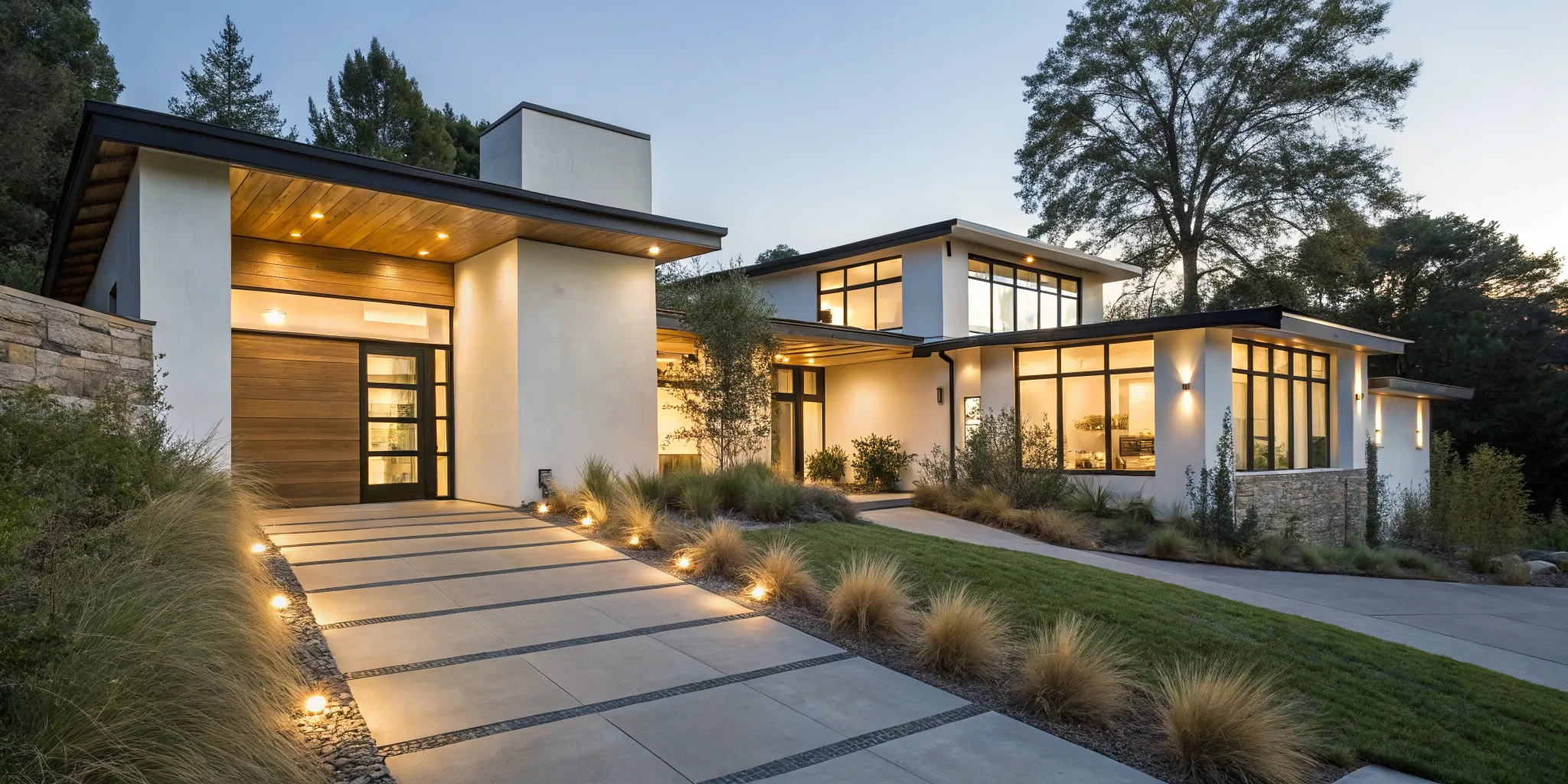
You’ve put so much care into making your home beautiful on the inside, but what happens when the sun goes down? A stunning home can disappear into the darkness, its best features hidden. Your home deserves to shine, day and night. This is where custom outdoor lighting comes in, acting as the perfect finishing touch to your property’s exterior. Unlike generic fixtures, a custom plan allows you to artfully highlight your home’s unique architectural details, showcase your landscaping, and create a warm, welcoming first impression. It’s your opportunity to extend your personal style to your home’s exterior and create an inviting ambiance for family and guests.
Key Takeaways
- Plan with purpose: A successful project starts with a clear vision. Consider your home’s architectural style and your goals for both safety and ambiance to create a cohesive and effective design.
- Invest in quality for long-term value: Opt for durable, weather-rated materials and energy-efficient LEDs. This approach ensures your lighting withstands the elements and saves you money on energy bills and future replacements.
- Rely on a professional for installation: Working with a licensed electrician guarantees your system is installed safely, complies with local codes, and performs beautifully. This protects your investment and ensures a flawless result.
Why Invest in Custom Outdoor Lighting?
Thinking about your home’s outdoor lighting as just a utility is a missed opportunity. The right lighting does more than just brighten up your driveway; it’s an investment that transforms your property’s look, feel, and function. Custom lighting allows you to create a cohesive design that perfectly matches your home’s architecture and your personal style. It’s about creating an atmosphere, improving safety, and even adding long-term value to your home. When you plan your lighting with intention, you get a result that off-the-shelf fixtures simply can’t match.
Enhance Your Home’s Curb Appeal
Your home deserves to shine, even after the sun goes down. Custom outdoor lighting is one of the most effective ways to highlight your home’s best features and create a warm, welcoming first impression. Unlike standard big-box store fixtures that can feel undersized or out of place, a custom plan ensures every light is scaled perfectly to your home’s proportions. You can draw attention to beautiful architectural details, illuminate a favorite tree, or cast a soft glow over your entryway. This thoughtful approach to residential electrical work adds a layer of elegance and personality, making your home stand out in the best way possible.
Improve Safety and Security
A well-lit exterior is a safer exterior. One of the most practical benefits of custom outdoor lighting is its ability to improve safety for your family and guests. By strategically illuminating pathways, stairs, and entry points, you can reduce the risk of trips and falls in the dark. Beyond accident prevention, thoughtful lighting is also a powerful security feature. A property that is brightly and intentionally lit can discourage potential intruders, giving you greater peace of mind. It’s a simple, effective way to make your home feel more secure without sacrificing style.
Save Money with Energy-Efficient Lighting
Investing in custom lighting might sound expensive, but it can actually lead to savings in the long run. Modern lighting solutions, particularly LEDs, are incredibly energy-efficient and consume far less power than traditional incandescent bulbs. This translates directly to lower monthly electricity bills. Furthermore, choosing high-quality, durable fixtures designed to withstand Oregon’s weather means you won’t be spending money on frequent repairs or replacements. When you contact a professional to plan your project, you’re investing in a durable, low-maintenance system that adds value and beauty for years to come.
How Can You Customize Your Outdoor Lighting?
Customizing your outdoor lighting is about more than just picking a pretty fixture from a catalog. It’s an opportunity to create a cohesive and intentional design that reflects your personal style and highlights your home’s best features. Think of it as the final, perfect accessory for your home’s exterior. A well-designed lighting plan can transform your property, making it feel more welcoming, secure, and uniquely yours.
The process involves thoughtfully considering several key elements to ensure the final result is both beautiful and functional. From the style of the fixtures to the color of the light they cast, every choice contributes to the overall effect. You’ll want to think about how the lights will look during the day and how they’ll perform at night. By focusing on the right details, you can create a custom lighting scheme that not only illuminates your space but also enhances your lifestyle, whether you’re hosting a backyard barbecue or simply enjoying a quiet evening on the patio. Let’s walk through the main ways you can tailor your outdoor lighting to perfectly suit your home.
Find Your Fixture Style
The first step is choosing fixtures that feel like a natural extension of your home’s architecture. Take a look at your home’s defining features. Is it a classic Colonial, a sleek modern build, or a cozy Craftsman? The right fixtures will complement these existing details. For example, a home with clean lines and large windows might call for minimalist sconces, while a traditional brick house could be beautifully accented with classic lantern-style lights. You can find endless inspiration by browsing architectural home styles to identify the elements that define your home’s character and find lighting that enhances it.
Select the Right Size and Scale
Getting the proportions right is crucial, and it’s one area where custom planning really shines. A fixture that’s too small can get lost on a large facade, while one that’s too big can overwhelm the space. A good rule of thumb for lights flanking your front door is to choose fixtures that are about one-quarter to one-third of the door’s height. For garage lighting, you can go a bit larger. It’s all about creating a balanced, harmonious look. A professional can help you visualize the options and select the perfect size and scale for every area of your property, ensuring every light looks like it was made for its spot.
Choose Durable Materials and Finishes
In the Pacific Northwest, outdoor fixtures have to be tough enough to handle our wet winters and sunny summers. Investing in high-quality, durable materials will save you from the hassle of rust and fading down the road. Look for fixtures made from solid brass, copper, or powder-coated aluminum, which are designed to withstand the elements gracefully. Brass and copper will develop a beautiful natural patina over time, while a quality powder-coated finish provides a resilient barrier against moisture and UV rays. Choosing the right material ensures your lighting will look great for years to come with minimal upkeep.
Pick the Perfect Light Source and Color
The type of light you choose has a huge impact on the mood and usability of your outdoor spaces. Modern LED technology is the gold standard, offering incredible energy efficiency and a remarkably long lifespan. Beyond that, you can customize the light’s color temperature, measured in Kelvins (K). A warm white light (around 2700K) creates a cozy, inviting glow perfect for patios and entryways. A cooler, brighter white (3000K-4000K) is great for task areas and enhancing security. Adding dimmers gives you even more control, allowing you to adjust the brightness to suit any occasion. This level of lighting control is key to creating a versatile outdoor environment.
Connect to Your Smart Home
For ultimate convenience and control, integrate your outdoor lighting with your smart home system. Imagine your landscape lights turning on automatically at sunset, or being able to dim your patio lights with a simple voice command. Smart lighting allows you to set schedules, create custom “scenes” for entertaining or relaxing, and control everything from an app on your phone, whether you’re home or away. Systems like Lutron can be seamlessly integrated by a professional, giving you sophisticated control that feels effortless. It’s a simple way to make your home safer, more efficient, and more enjoyable.
How to Compare Outdoor Lighting Options
Once you have a vision for your home’s exterior, it’s time to get practical. With so many lighting fixtures on the market, it can be tough to know which ones are worth the investment. Comparing your options based on a few key criteria will help you choose lights that not only look great but also last for years. Think of it as a checklist to ensure you’re getting the best quality and performance for your home. By focusing on durability, weather resistance, energy use, and warranty, you can confidently select fixtures that will stand the test of time.
Check for Quality and Durability
The first thing to look at is what a fixture is made of. High-quality materials are your best defense against the elements, especially in the Pacific Northwest. Look for fixtures made from solid brass, copper, or powder-coated aluminum, as these metals resist rust and corrosion. While they might cost more upfront, they won’t degrade or discolor after a few seasons of rain. Some manufacturers even offer hand-forged fixtures made with incredible attention to detail. This level of craftsmanship is a clear sign that your lighting is built to last, saving you the hassle and expense of replacements down the road.
Confirm It’s Built for the Outdoors
Not all lighting fixtures can handle direct exposure to the weather. It’s essential to choose lights specifically rated for outdoor use. Look for a UL (Underwriters Laboratories) rating of “wet-rated” for fixtures that will be in direct contact with rain, like post lights or uncovered wall sconces. For covered areas, such as a porch or patio, “damp-rated” fixtures are sufficient. High-end fixtures are often built for the outdoors with special paints and strong aluminum that resist sun and rust damage. This ensures your lights will continue to function safely and maintain their finish, no matter what the Oregon weather throws at them.
Look for Energy-Saving LEDs
Choosing energy-efficient lighting is one of the smartest decisions you can make for your home. LED (light-emitting diode) fixtures are the gold standard for outdoor lighting because they use significantly less energy than traditional incandescent or halogen bulbs. This translates directly into lower electricity bills each month. Plus, LEDs have an incredibly long lifespan, often lasting 25,000 hours or more. That means you won’t be climbing a ladder to change bulbs every year. As part of our residential electrical work, we always recommend LEDs for their reliability and long-term savings.
Review the Warranty and Lifespan
A manufacturer’s warranty is a great indicator of product quality. A company that stands behind its products with a strong warranty is confident in their durability and performance. Before you buy, check the details of the warranty. What does it cover? The fixture’s finish, the electrical components, the LED itself? A comprehensive, multi-year warranty provides peace of mind and protects your investment. If you have questions about which brands offer the best warranties or need help sourcing the right fixtures, you can always reach out to our team for guidance. We can help you find reliable options that fit your home’s style and your budget.
Match Your Lighting to Your Home’s Style
The best outdoor lighting feels like a natural extension of your home. It should highlight the architecture, not compete with it. To get that seamless look, you’ll want to choose fixtures that complement your home’s existing style. Think of it as picking the right piece of jewelry for an outfit. Whether your home is a classic Tudor, a sleek modern build, or a cozy farmhouse, there’s a lighting style that will feel just right. Here’s a quick guide to help you find the perfect match.
For a Traditional or Classic Home
If your home has traditional architecture, like a Colonial, Tudor, or Victorian, look for lighting that embodies timeless elegance. Fixtures with classic details, warm metals, and graceful shapes will enhance your home’s character. Think about lantern-style sconces flanking your front door or post lights made from materials like brass, copper, or handcrafted wrought iron. These designs often feature curved lines and decorative elements that add a touch of sophistication. The goal is to choose lighting that feels like it has always been there, perfectly suiting the home’s stately and established feel. You can find beautiful traditional fixture inspiration to get a better sense of what might work for your space.
For a Modern or Contemporary Home
Modern and contemporary homes are all about clean lines, simple forms, and a minimalist feel. Your outdoor lighting should follow suit. Look for fixtures with strong geometric shapes, like squares, rectangles, and cylinders. Finishes are typically sleek and understated, such as matte black, brushed nickel, or stainless steel. Instead of ornate details, modern lighting focuses on the form itself and the quality of the light it produces. You can create a cohesive look with a variety of modern mounting configurations, from low-profile wall sconces that cast light up and down to simple hanging pendants over an outdoor seating area. The right fixtures will underscore your home’s contemporary aesthetic without adding unnecessary clutter.
For a Rustic or Farmhouse Home
For homes with a rustic, craftsman, or farmhouse style, you’ll want lighting that feels both charming and durable. These styles call for fixtures that are simple, functional, and a little bit rugged. Gooseneck “barn lights” are a popular choice over garage doors or entryways, adding a touch of nostalgic character. Look for materials with dark, weathered finishes that can stand up to the elements while adding to the rustic appeal. These lights blend practicality with a cozy, welcoming vibe, making them perfect for enhancing the comfortable and unpretentious nature of a farmhouse. Exploring different farmhouse lighting styles can help you find fixtures that perfectly balance charm and function for your home.
Myths About Custom Outdoor Lighting
When it comes to outdoor lighting, a few common misconceptions can keep homeowners from exploring custom options. Let’s clear the air and look at what’s really true about creating a personalized lighting plan for your home.
Myth: It’s Just for Looks
It’s easy to think of outdoor lighting as purely decorative, like jewelry for your house. While a beautiful lighting design certainly adds a touch of elegance, its purpose goes far beyond aesthetics. A well-designed system is also about function and safety. Custom lighting allows for a perfect match in style, size, and placement, which standard lights just can’t offer. Think about it: strategically placed lights can illuminate dark pathways to prevent trips, brighten entryways for a warm welcome, and highlight steps for safer navigation at night. A thoughtful lighting plan also enhances your home’s security by eliminating shadowy spots that could otherwise attract unwanted attention. It’s a practical upgrade that makes your property safer and more usable after the sun goes down.
Myth: It’s Too Expensive
The word “custom” often sounds expensive, and it’s true that a tailored lighting plan is more of an investment than grabbing a few solar stakes from a hardware store. However, it’s important to consider the long-term value. Off-the-shelf fixtures often use cheaper materials that don’t stand up to Oregon’s wet weather, leading to frequent replacements. A custom project uses high-quality, durable materials built to last. Plus, by using energy-efficient LEDs and professional installation, you can save on electricity bills and future repair costs. Think of it as an investment in your home’s curb appeal and your own enjoyment of the property. You get a unique result that truly fits your home’s character and your family’s needs.
Myth: It’s an Easy DIY Project
With so many DIY tutorials available, it can be tempting to try and tackle an outdoor lighting project yourself. While hanging a string of patio lights is one thing, designing and installing a complete, hardwired system is another story. A proper installation requires a deep understanding of electrical work, including voltage, wiring techniques, and how to properly weatherproof every connection to keep it safe and functional for years. Professionals can help you design a layout that creates the right ambiance without causing annoying glare for you or your neighbors. Working with an experienced electrician ensures the job is done safely and correctly, giving you a beautiful, reliable system without the headaches or hazards of a DIY attempt.
Myth: All Outdoor Lights Are Created Equal
Walking through a big-box store, you might think all outdoor lights are more or less the same. In reality, there’s a huge difference in quality, performance, and purpose. Fixtures vary widely in their materials, from plastic and aluminum to more durable options like brass and copper. The light source itself also matters; a cheap, integrated LED can’t be replaced, meaning the whole fixture is useless if it fails. Custom lighting opens up a world of possibilities. In fact, almost any fixture can be modified to meet your specific needs, whether it’s adjusting the finish or changing the type of bulb. A professional can guide you through these choices to create a cohesive and effective lighting scheme that you simply can’t achieve with a piecemeal approach.
Outdoor Lighting Mistakes to Avoid
Investing in custom outdoor lighting can completely transform your home’s exterior, but a few common missteps can prevent you from getting the beautiful and functional result you want. Even the most stunning fixtures can fall flat if they aren’t implemented correctly. By being mindful of a few key details during the planning process, you can ensure your lighting project is a brilliant success that adds value and enjoyment to your home for years to come. Let’s walk through the most frequent mistakes I see and how you can easily sidestep them.
Getting the Scale Wrong
One of the most common errors is choosing fixtures that are the wrong size for your home. A grand entryway can make small lanterns look tiny and insignificant, while oversized fixtures can overwhelm a modest porch. The goal is to find a balance that complements your home’s architecture, not competes with it. Before you shop, measure the area where the light will be installed. For example, a good guideline for lights flanking a front door is to choose fixtures that are about one-quarter to one-third the height of the door itself. A quality lighting provider will offer a wide range of fixture sizes to help you find the perfect fit.
Creating Unwanted Glare
The purpose of outdoor lighting is to illuminate your space, not to create blinding hotspots. Unshielded bulbs can produce harsh glare that is uncomfortable for you and your guests, and it can even spill over into your neighbors’ yards, creating what’s known as light trespass. To avoid this, opt for fixtures that direct light downward or use diffusers to soften the glow. Paying attention to the bulb’s brightness (lumens) and color temperature will also help create a warm, inviting atmosphere instead of a sterile, overly bright one. Thoughtful lighting design focuses on where the light lands, not on the bulb itself.
Forgetting About Weather and Wear
Here in the Pacific Northwest, our outdoor fixtures have to be tough. Forgetting to account for rain, moisture, and temperature fluctuations can lead to rust, corrosion, and electrical failures. Always choose fixtures made from durable, weatherproof materials. Look for options built with strong aluminum and finished with a special powder coating that resists sun and rust damage. It’s also critical to check that your fixtures are UL-rated for their specific location. A light on a covered porch needs a “damp location” rating, while a fixture exposed directly to rain requires a “wet location” rating to ensure safety and longevity.
Lacking a Clear Plan
Simply buying a few lights you like and placing them randomly around your property rarely leads to a cohesive look. The best outdoor lighting schemes start with a clear plan. Think about what you want to achieve. Are you lighting a pathway for safety, highlighting an architectural feature, or creating a cozy ambiance on your patio? Sketch out your property and decide where you need task, ambient, and accent lighting. Having a specific idea of your goals will help you and your electrician create a layered, effective system. A well-thought-out plan is the foundation for all successful residential electrical projects.
Smart Features to Consider for Your Lighting
Beyond just the look of your fixtures, modern technology offers some incredible features that make your outdoor lighting more convenient, secure, and impressive. These aren’t just flashy gadgets; they are practical tools that help you get the most out of your investment. If you want your lighting to work harder for you, here are a few smart features worth considering.
Smart Systems and App Control
Imagine adjusting your garden lights from your couch or setting them to turn on automatically just before you get home. That’s the power of smart lighting. These systems connect your outdoor fixtures to your Wi-Fi, giving you full control through a simple smartphone app. You can set schedules, dim the lights for a relaxing evening, or even change their color to match a holiday theme. Many of these systems can also integrate with your existing home automation platforms. This allows you to create a smart home where your lights work in harmony with your other devices, adding a layer of convenience and energy efficiency to your daily routine.
Motion Sensors for Added Security
Smart lighting isn’t just about convenience; it’s also a powerful tool for home security. Integrating motion sensors with your outdoor lights means they’ll switch on instantly whenever movement is detected. This can be incredibly effective at startling and deterring potential trespassers who prefer to operate in the dark. It also adds a practical layer of safety for you and your family, lighting up pathways and entryways as you arrive home after dark. Choosing the right outdoor security lighting with motion sensors is a simple step that provides significant peace of mind, making your property feel safer and more secure around the clock.
Cohesive Landscape Lighting
A well-designed lighting plan feels intentional and harmonious. Smart technology makes it easier than ever to achieve a cohesive look across your entire property. Instead of dealing with separate timers for your path lights, spotlights, and patio fixtures, you can sync them all within one system. This allows you to control everything at once, ensuring the brightness and color temperature are consistent. You can even program different “scenes” for various occasions, like a soft, warm glow for a quiet night in or a brighter, more festive look for a backyard party. These landscape lighting ideas help create a polished and unified ambiance that truly complements your home and garden.
Should You Hire an Electrician for Outdoor Lighting?
After you’ve planned your perfect outdoor lighting design, you might be tempted to make the installation your next weekend DIY project. While it’s great to be hands-on, working with electricity, especially outdoors where it’s exposed to the elements, is a job for a professional. Hiring a licensed electrician isn’t just about convenience; it’s about ensuring the safety, longevity, and performance of your investment. A pro handles the complexities of wiring, trenching, and connecting to your home’s power source, so you can be confident the job is done correctly and safely from the start.
The Benefits of Professional Installation
Bringing in a licensed electrician for your outdoor lighting project offers peace of mind that a DIY job just can’t match. First and foremost is safety. A professional ensures every connection is secure, weatherproof, and compliant with local electrical codes, which helps prevent serious risks. Following proper electrical safety guidelines is non-negotiable, especially outdoors. An experienced electrician also brings design expertise, helping you place fixtures for the best aesthetic and security effects. They can recommend the right products for our Pacific Northwest climate and complete the job efficiently, saving you the time and frustration of a complicated installation.
What to Expect During Installation
The professional installation process is straightforward and designed to bring your vision to life without any guesswork. It typically begins with an initial consultation where you’ll discuss your goals with the electrician. They’ll assess your property and provide tailored recommendations. Next, they will create a detailed plan that maps out fixture placement and wiring routes. Once you approve the plan, the installation begins. Your electrician will handle all the technical work, from carefully digging trenches for underground wires to securely mounting fixtures and making the final connections. After the physical installation, they will perform a thorough inspection and test the entire system to guarantee everything works perfectly before walking you through how to use your new lighting.
How to Save on Your Custom Lighting Project
A custom lighting plan is a fantastic investment in your home’s beauty and security, but that doesn’t mean you can’t be smart about the budget. A high-end look doesn’t always require a high-end price tag, especially when you plan ahead. With a little strategy, you can achieve that gorgeous, professionally lit look while keeping costs in check. It’s all about knowing where to invest for long-term value and where you can find savings without cutting corners on quality or safety. From choosing the right technology to timing your purchases, a few key decisions can make a big difference to your bottom line. Thinking through your project with a cost-conscious mindset from the start helps you allocate your funds effectively. You can prioritize statement fixtures in high-visibility areas and use more budget-friendly options where they won’t be as noticeable, all while maintaining a cohesive design. This isn’t about being cheap; it’s about being strategic and making informed choices that align with your vision and your finances. Let’s walk through a few practical ways you can make your custom lighting project more affordable, both now and in the long run, ensuring you get a result you love without any financial regrets.
Opt for LEDs to Save on Energy Bills
One of the easiest ways to save money over the life of your lighting system is to choose LED fixtures. While they might sometimes have a higher initial cost, the long-term savings are significant. According to the U.S. Department of Energy, LED lighting uses up to 75% less energy than traditional incandescent bulbs. Plus, they last so much longer, meaning you won’t be spending time and money on frequent replacements. This efficiency is great for your wallet and reduces your home’s overall energy consumption. It’s a simple switch that pays for itself many times over.
Bundle Fixtures for a Better Value
When you’re mapping out your lighting design, think about all the fixtures you’ll need for the entire project. Purchasing your lights as a package deal or in a bundle can often unlock a better price than buying them one by one. Many suppliers offer discounts for larger orders, which can add up to real savings. This approach also helps you create a cohesive, unified look across your property, since all the fixtures will match. Some professional installers may even offer a better rate on the installation when they’re putting in multiple fixtures at once, which is another great way to manage the overall cost of outdoor lighting.
Look for Seasonal Deals
A little patience can go a long way when it comes to saving money on your lighting fixtures. Retailers often run seasonal sales that can help you get high-quality lights for less. Keep an eye out for promotions around major holidays or during end-of-season clearance events, like at the end of summer. This is a great time to find deals on premium outdoor products. A simple tip is to subscribe to newsletters from your favorite lighting brands or suppliers. They’ll often send exclusive offers directly to your inbox, giving you a heads-up on upcoming sales so you can plan your purchase and get the best possible price. This outdoor lighting buying guide offers more great tips.
Frequently Asked Questions
How much should I budget for a custom outdoor lighting project? The cost of a custom lighting project can vary quite a bit, so there isn’t a single price tag. The final investment depends on factors like the size of your property, the number of fixtures you need, and the quality of the materials you choose. Think of it as a long-term upgrade to your home. A professional consultation is the best way to get a clear and accurate estimate tailored to your specific goals and property.
What is the first step I should take to plan my outdoor lighting? A great way to start is by simply observing your property after dark. Take a walk around and make notes of any areas that feel too dark, like pathways or side yards. Also, identify the features you love and want to show off, such as a beautiful tree, stone accents, or interesting architectural details. Gathering a few inspiration photos of lighting styles you like can also be incredibly helpful before you talk with a professional.
Can I just put LED bulbs in my old fixtures to save money? While you can sometimes replace old bulbs with LEDs, it may not give you the best result. Older fixtures might not be properly sealed, which can lead to moisture damage and electrical issues with the new bulbs. Modern, integrated LED fixtures are designed as a complete system, ensuring everything is weatherproof and optimized for performance and a long lifespan. Investing in new, high-quality fixtures is often the safer and more reliable choice.
Will my new lighting system require a lot of maintenance? A professionally installed system using high-quality materials is designed to be very low maintenance. Because we recommend durable materials like brass or powder-coated aluminum and long-lasting LED technology, you won’t have to worry about frequent bulb changes or rust. Your main task will likely be just wiping the fixture lenses clean every so often to keep them shining brightly.
How long does a professional installation usually take? The timeline really depends on the scope of your project. A simple installation with a few fixtures might be completed in a day, while a more complex design for a large property could take several days. An experienced electrician works efficiently to minimize disruption. During your initial consultation, they can give you a much more specific timeline based on your unique lighting plan.