Your Guide to Commercial EV Charging Stations for Sale
More of your customers and tenants are driving electric vehicles every day. For them, finding a reliable place to charge isn’t just a convenience; it’s a necessity that influences where they choose to shop, work, and live. As a property owner, this presents a huge opportunity to stand out. By offering dependable EV charging, you cater directly to a growing, high-value demographic. But meeting this demand means making smart choices. When you look for a ‘commercial ev charging station for sale’, you need a clear plan for installation and management. This guide will help you build that plan, covering everything from hardware reliability to electrical requirements.
Key Takeaways
- Choose a charger based on dwell time: Select a Level 2 charger for locations where people park for several hours, like workplaces or hotels. Opt for a DC fast charger for high-traffic spots with quick turnarounds, such as retail centers or rest stops.
- Budget for the full installation, not just the hardware: The charger’s sticker price is only part of the total cost. Your budget should also account for professional installation, potential electrical upgrades, and ongoing network fees, but remember to look for rebates to lower the expense.
- Start with a professional site evaluation: Before making any decisions, have a qualified electrician assess your property. This crucial first step determines your electrical capacity, helps you plan for permits, and ensures you can build a scalable system for future growth.
What Are the Main Types of Commercial EV Chargers?
When you’re ready to add EV charging to your property, one of the first questions is, “Which type of charger is right for me?” The answer really depends on your business and how your customers or employees will use them. Think about how long people typically park at your location. Are they staying for a full workday, or just stopping in for a quick coffee? Understanding this will help you choose between the main types of commercial chargers available.
Level 2 Charging Stations
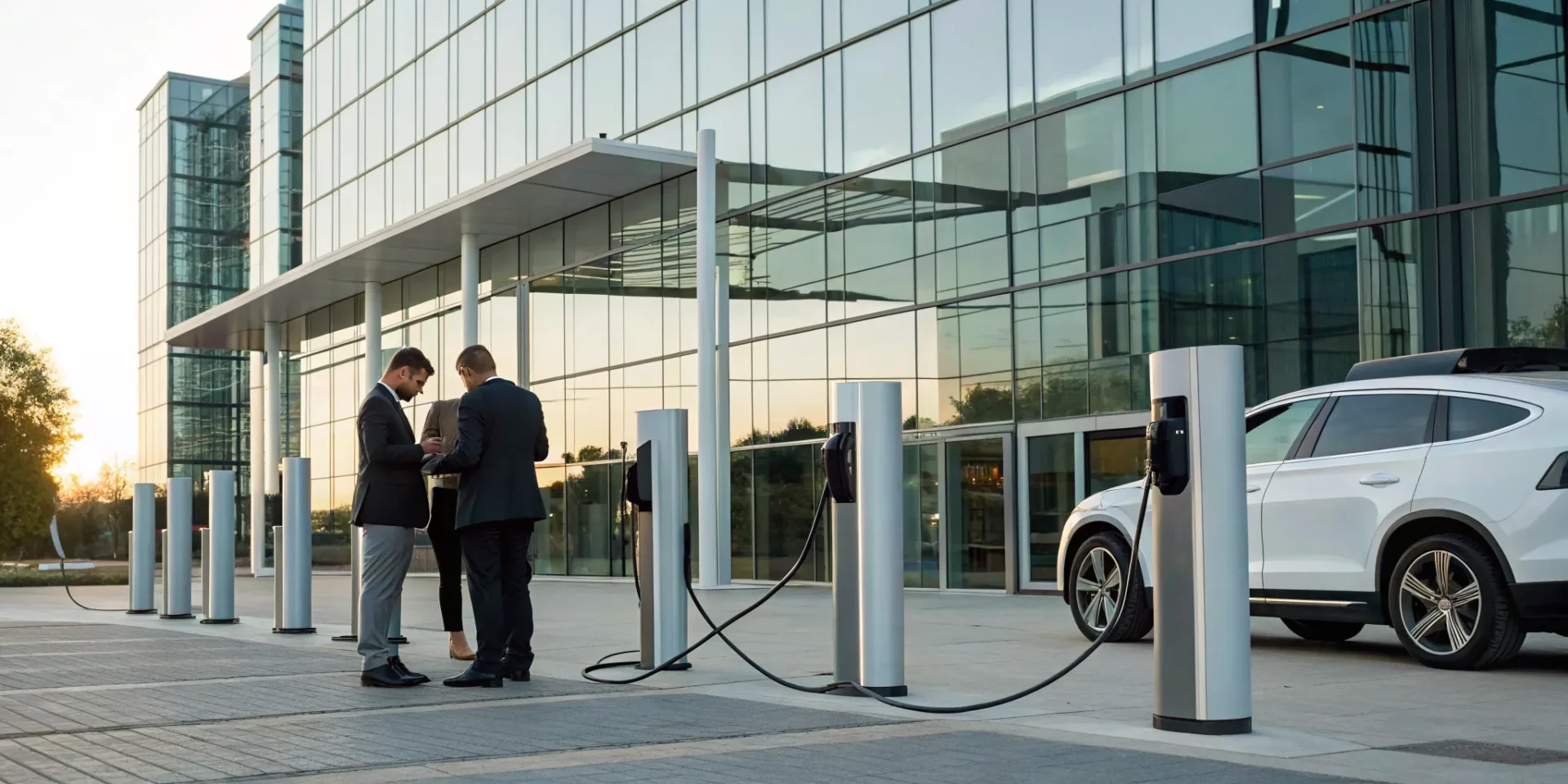
Level 2 chargers are the most common type you’ll find for commercial use. They use AC (alternating current) power and are a perfect fit for places where cars will be parked for a few hours or more. Think office buildings, apartment complexes, hotels, and long-term parking at shopping centers. While they aren’t as fast as their DC counterparts, they provide a reliable charge that’s much quicker than a standard wall outlet. A Level 2 station can fully charge most EVs overnight, making them an ideal amenity for employees or residents. Our team can assess your property’s electrical system to determine the best placement and setup for your commercial electrical needs.
DC Fast Charging Stations
If you need speed, DC fast chargers are the way to go. These powerful stations are designed for quick turnarounds, making them essential for businesses where drivers are on the move. You’ll often see them at gas stations, highway rest stops, and retail locations where customers only stay for a short time. A DC fast charger can add hundreds of miles of range in under an hour, which is a huge draw for EV drivers in a hurry. They are a bigger investment and require more power, but for the right location, they can be a major attraction. The U.S. Department of Energy offers great resources on the different charging levels.
Networked vs. Non-Networked Options
Beyond charging speed, you’ll also choose between networked and non-networked stations. Networked, or ‘smart,’ chargers connect to the internet, which lets you manage them remotely. You can set charging prices, track usage, get performance reports, and even offer payment through mobile apps or credit card readers. This is the standard for most public-facing commercial chargers. Non-networked chargers are simpler, standalone units without these management features. They can be a good choice for a private fleet or a dedicated employee parking spot where you don’t need to process payments or monitor usage closely. For most businesses looking to offer a public amenity, a networked charging solution provides the flexibility and control you’ll want.
Key Features to Look for in a Commercial EV Charger
Choosing the right commercial EV charger involves more than just picking a model that looks good. The best chargers offer a blend of speed, convenience, and smart technology that benefits both you and your customers. When you’re ready to invest in an EV charging station, here are the key features to keep on your radar.
Charging Speed and Power Output
The first thing to look at is how quickly a charger can power up a vehicle. Commercial chargers generally fall into two categories: Level 2 and Level 3. Level 2 (AC) chargers are the most common type and are a perfect fit for locations where people park for a few hours, like workplaces, apartment buildings, and hotels. They offer a much faster charge than a standard wall outlet. For places with high traffic and quick turnarounds, like retail centers or rest stops, Level 3 (DC Fast) chargers are the way to go. They can charge a vehicle in a fraction of the time, getting drivers back on the road quickly.
Payment Processing Systems
If you plan to charge for electricity, a smooth and simple payment process is essential. You want to make it as easy as possible for drivers to pull up, plug in, and pay. Look for chargers with flexible payment processing systems that accept multiple forms of payment, including credit and debit cards, mobile payments like Apple Pay, and dedicated RFID cards or smartphone apps. A hassle-free payment experience not only encourages more people to use your station but also reflects well on your business. After all, convenience is a key part of great customer experience.
Connectivity and Network Management
Modern commercial EV chargers are smart devices. Most connect to the internet through Wi-Fi, Ethernet, or a 4G connection. This connectivity is a game-changer for property owners. It allows you to manage your charging stations from anywhere through a central network. You can monitor usage in real-time, set custom pricing, receive software updates, and get alerts if a station needs attention. This level of remote management gives you complete control over your investment and helps ensure your chargers are always running smoothly for your customers.
User Interface and Accessibility
Think about the driver’s experience when they use your charger. A great charger has a simple and intuitive user interface. This could be a clear screen that walks them through the process or simple LED indicator lights that show the charging status at a glance. Beyond the interface, reliability is everything. A charger that is constantly out of order will frustrate customers and hurt your reputation. Prioritizing a system known for its durability and uptime ensures you’re providing a dependable amenity that people can count on, which is always a smart business move.
Breaking Down the Cost of Commercial EV Chargers
Thinking about adding EV chargers to your commercial property is a smart move, but it’s important to have a clear picture of the total investment. The final price tag isn’t just about the charger itself. It’s a combination of the hardware, the professional installation, and the costs to keep it running smoothly. Whether you manage an apartment complex, a retail center, or an office building, getting a handle on these numbers from the start helps you build a realistic budget and avoid surprises down the road.
This isn’t just about adding an amenity; it’s a strategic investment in your property’s future. By offering EV charging, you cater to a growing market of electric vehicle owners, which can increase foot traffic, improve tenant satisfaction, and even create a new revenue stream. But to realize these benefits, you need a solid plan. Let’s walk through the three main financial components: the initial equipment purchase, the critical installation work, and the ongoing operational expenses. Understanding these costs upfront helps you budget effectively, explore potential rebates, and see how this investment can pay off for years to come.
Initial Equipment Pricing
First up is the cost of the charging station hardware. The price for a single commercial Level 2 EV charger can fall anywhere between $600 and $10,000. That’s a wide range, and the final cost depends on the features you choose. A basic, no-frills unit will be on the lower end, while a charger with advanced capabilities like payment processing, smart network management, and a more durable, stylish design will be at the higher end. This variability allows you to select a charger that aligns with both your budget and the specific amenities you want to offer your customers or tenants.
Installation and Infrastructure Costs
This is where a significant portion of your budget will go, and it’s the most critical part to get right. On average, the professional installation for one Level 2 commercial charging port costs between $3,500 and $15,000. The price varies based on your property’s current electrical infrastructure, the distance from the electrical panel to the charger location, and any necessary trenching or site work. A qualified electrical contractor will perform a site assessment to give you an accurate quote. This step ensures your commercial electrical system can handle the load safely and meets all local codes.
Ongoing Operating Expenses
Once your chargers are up and running, you’ll want to account for ongoing expenses. These include network subscription fees if you opt for a smart charger, which allows for remote management and payment processing. Regular maintenance is also key to protecting your investment and ensuring the chargers are always available for use. This involves routine electrical checks, software updates, and keeping the units clean. On the flip side, offering EV charging can become a revenue stream or a powerful draw for new business, as drivers actively seek out locations that provide this convenience.
How to Choose a Reputable EV Charger Brand
With so many EV charger brands on the market, picking the right one can feel overwhelming. But the brand you choose is more than just a name; it’s a long-term investment in your property’s infrastructure and the experience you offer your customers or tenants. A reputable brand delivers on its promises of reliability, safety, and performance. Making a thoughtful choice now will save you from dealing with equipment failures, frustrated users, and unexpected costs down the road.
Think of it like choosing any other critical piece of equipment for your business. You want something that is built to last, easy to manage, and backed by solid support. The best brands understand the demands of a commercial environment and design their products accordingly. They also work closely with professional electricians to ensure their chargers are installed correctly and safely. By focusing on a few key areas, you can confidently select a brand that aligns with your goals and provides lasting value.
Working with a Certified Installer
Even the best EV charger is only as good as its installation. Partnering with a certified electrician is essential for ensuring your charging station operates safely and efficiently. Many manufacturers require their products to be installed by qualified professionals to keep the warranty valid. This isn’t just a formality; it’s a safeguard that protects your investment. A certified installer has the training to handle the specific electrical requirements of advanced chargers, ensuring everything is up to code. This is the first and most important step in setting up a reliable commercial charging solution.
Evaluating Hardware Reliability and Warranties
Your commercial EV charger will likely be exposed to the elements, so durability is a must. Look for brands known for robust hardware that can withstand rain, heat, and physical impacts. A strong indicator of a manufacturer’s confidence in their product is the warranty they offer. Take the time to read through the warranty terms. A comprehensive, long-term warranty suggests the company stands behind its equipment and builds it to last. This peace of mind is invaluable, especially when you’re counting on the charger to be available for your customers or employees every day.
Assessing Software and Network Capabilities
Modern commercial EV chargers are smart devices. Most connect to the internet, allowing you to manage them remotely. This is a game-changer for businesses. With networked or “smart” chargers, you can monitor usage, process payments, set charging schedules, and even receive software updates that add new features over time. This level of control helps you manage electricity costs and provides valuable data on how your stations are being used. When comparing brands, consider the user-friendliness of their software and the reliability of their network connection options, like Wi-Fi or 4G LTE.
Considering User Reviews and Industry Reputation
Before you commit to a brand, do a little homework. See what other business owners are saying in online reviews. Look for feedback on reliability, ease of use, and customer support. While individual reviews are helpful, also consider the brand’s reputation among professionals. Electricians and builders often have firsthand experience with a wide range of products and can offer insights into which brands are consistently dependable and easy to work with. A brand that earns high marks from both users and installers is usually a safe bet.
Understanding the Electrical Needs for Your Installation
Installing commercial EV chargers is more than just mounting a box on the wall. The real work happens behind the scenes, within your building’s electrical system. To ensure your new chargers work safely and efficiently, you first need to confirm your property can handle the extra electrical load. Many commercial buildings, especially older ones, weren’t designed to support multiple vehicles charging at once.
Thinking about your electrical capacity from the start saves you from headaches and unexpected costs down the road. It involves looking at your current power supply, evaluating your electrical panel, and getting a clear picture of your property’s unique needs. This proactive approach ensures your investment is built on a solid foundation, ready to meet the demands of today’s EV drivers and prepared for what’s to come. Let’s walk through the key electrical considerations you’ll need to address.
Power Supply and Circuit Requirements
One of the first questions to answer is whether your building has enough power to go around. Each EV charger is a significant new draw on your electrical system, and adding several at once can strain your existing capacity. You’ll need to look at your main power supply and the individual circuits to see if they can support the chargers you want to install. Many properties face infrastructure limitations that require professional solutions. A qualified electrician can determine if your current setup is sufficient or if you’ll need upgrades to handle the new demand without disrupting your daily operations.
Potential Electrical Panel Upgrades
Your electrical panel is the heart of your building’s power distribution, and it needs to be robust enough for EV charging. The type of charger you choose will determine how much power it requires. A Level 2 charger has different needs than a DC Fast Charger, for instance. In many cases, especially with older buildings, the existing panel can’t handle the additional load safely. This often means an electrical panel upgrade is necessary. This is a common step in the installation process that ensures your system can deliver consistent power to the chargers while keeping the rest of your building running smoothly.
The Importance of a Site Assessment
Before any work begins, a professional site assessment is essential. This is the best way to get a complete understanding of your property’s electrical capabilities and limitations. During an assessment, an experienced electrician will inspect your current infrastructure, identify your power capacity, and recommend the best path forward for your specific goals. A thorough site evaluation acts as a roadmap for the entire project. It helps you plan effectively, avoid surprises, and ensures your charging stations are installed correctly and safely from day one. It also gives you a chance to plan for future growth as EV adoption continues to rise.
Finding Rebates and Incentives to Lower Your Costs
Installing commercial EV chargers is a significant investment, but you don’t have to cover the entire cost on your own. A variety of federal, state, and local programs are designed to make adding EV charging to your property more affordable. Taking the time to explore these rebates and incentives can dramatically reduce your upfront expenses and improve your return on investment. Think of it as a financial partnership to help you support the growing number of EV drivers. These programs can make a real difference, turning a long-term plan into an immediate possibility.
Federal Tax Credits
One of the most substantial financial perks comes directly from the federal government. Businesses that install new EV charging stations can qualify for a tax credit of up to 30% of the total cost. This isn’t just a deduction; it’s a dollar-for-dollar reduction of the income tax you owe, making it a powerful tool for lowering your project expenses. This federal incentive applies to qualifying equipment and installation costs, providing a solid financial foundation before you even factor in local programs. It’s a great first step for any commercial property owner looking to add EV charging.
State and Local Rebate Programs
Beyond federal support, many states and cities offer their own rebate programs to sweeten the deal. Here in Oregon, programs are available that can further cut down your costs. These incentives are often funded through clean energy initiatives and are designed to accelerate EV infrastructure growth. For example, the Oregon Clean Fuels Program creates opportunities for credits that can be sold for cash. Because these programs can be competitive and have specific application windows, it’s smart to research them early in your planning process. A qualified electrical contractor can often help you identify the best local options for your project.
Utility Company Incentives
Don’t forget to check with your local utility provider. Companies like Portland General Electric and Pacific Power often have their own incentive programs for commercial customers installing EV chargers. These utilities want to encourage off-peak charging to help balance the electrical grid, so they offer rebates on hardware, “make-ready” installation work, or even provide ongoing credits. These utility programs are separate from government tax credits, meaning you can often stack them for maximum savings. A quick call or visit to their website is all it takes to see what’s available for your business.
Planning Ahead: Common Installation Hurdles to Avoid
Installing a commercial EV charging station is an exciting step for any business, but the process involves more than just picking a charger and plugging it in. A smooth installation requires careful planning to get ahead of potential roadblocks. Thinking through these common hurdles from the start will save you time, money, and headaches down the line. The three biggest areas to consider are your building’s existing electrical system, the local permitting process, and your long-term needs as more people switch to electric vehicles. These aren’t deal-breakers, but key planning points for a successful project. For example, understanding your property’s electrical capacity from day one helps you budget accurately for any necessary upgrades. Similarly, knowing the local permit requirements in the Portland area prevents unexpected delays. And by thinking about future demand now, you can build a scalable system that grows with your business. Working with an experienced electrical contractor is the best way to identify and solve these challenges before they become problems. A thorough site assessment is the first step. This evaluation gives you a clear picture of what your property needs for a safe, efficient, and scalable EV charging setup. By anticipating these issues, you can create a clear plan that aligns with your budget and business goals, ensuring your investment pays off for years to come.
Addressing Infrastructure Limitations
One of the first questions to answer is whether your building’s current electrical system can handle the load of one or more EV chargers. Many commercial properties, especially older ones, were not designed with high-powered charging in mind. This means your existing infrastructure might lack the necessary electrical capacity to support the new equipment. An overloaded system can lead to tripped breakers or, in worse cases, create a serious safety risk. A professional electrician will determine if you need an electrical panel upgrade, new wiring, or a dedicated circuit to support your chargers. In some cases, we may even need to coordinate with the local utility company to increase the power supply to your building. Addressing these infrastructure limitations upfront is essential for a reliable and safe charging experience for your customers and employees.
Managing Permitting and Code Compliance
Every construction project requires adherence to specific rules, and EV charger installation is no exception. You’ll need to secure the right permits and ensure the entire setup complies with local and national electrical codes. These regulations are in place to guarantee safety, covering everything from wiring methods to specific fire protection requirements based on the charger type and its location. The permitting process and code requirements can be complex and often vary between municipalities. A licensed electrical contractor who is familiar with the regulations in the Portland area will handle the paperwork and inspections for you. This ensures your installation is not only safe but also avoids potential fines or delays. Properly managing compliance from the start is key to a hassle-free project.
Preparing for Future Growth
While you might only need one or two chargers today, the demand for EV charging is growing rapidly. It’s wise to think about your future needs during the initial installation. Planning for expansion now can save you from more expensive and disruptive work later. For example, installing the electrical conduit for four charging stations while you only install two initially is much more cost-effective than digging up your parking lot again in a few years. Consider how many of your employees, customers, or tenants will be driving EVs in the next five to ten years. Building a scalable charging network shows foresight and positions your business as a forward-thinking leader. By planning for this future, you create an amenity that will attract and retain people for years to come while making your property more valuable.
Frequently Asked Questions
How do I decide between a Level 2 and a DC Fast Charger for my business? The best choice really comes down to how long people park at your property. If you run a workplace, hotel, or apartment complex where cars are parked for several hours or overnight, a Level 2 charger is the perfect fit. If your business sees quick customer turnover, like a coffee shop or retail center, a DC Fast Charger offers the speed that on-the-go drivers need.
What’s the very first step I should take if I’m interested in installing EV chargers? The most important first step is to schedule a professional site assessment. An experienced electrical contractor will evaluate your property’s current electrical system, identify the best locations for the chargers, and give you a clear understanding of the project scope. This assessment is the foundation for a successful installation and helps you create an accurate budget from the start.
Can I actually generate revenue from these chargers? Yes, you can. With networked or “smart” chargers, you have the ability to set your own pricing for charging sessions. This allows you to create a new revenue stream for your business. You can set prices based on the time of day, the amount of energy used, or a flat session fee, giving you full control over how you monetize the amenity.
My building is older. Will I need major electrical upgrades? It’s a definite possibility. Many older buildings were not constructed to handle the power demands of modern EV charging. A site assessment will determine if your current electrical panel and wiring can support the new load. If not, an upgrade will be necessary to ensure the chargers operate safely and reliably without disrupting power to the rest of your building.
Do I have to find all the rebates and handle the permits myself? You don’t have to go it alone. A qualified electrical contractor who is experienced with commercial EV charger installations can guide you through the process. They can help identify relevant federal, state, and utility incentives you may qualify for and will manage the entire permitting and inspection process to ensure everything is compliant with local codes.