
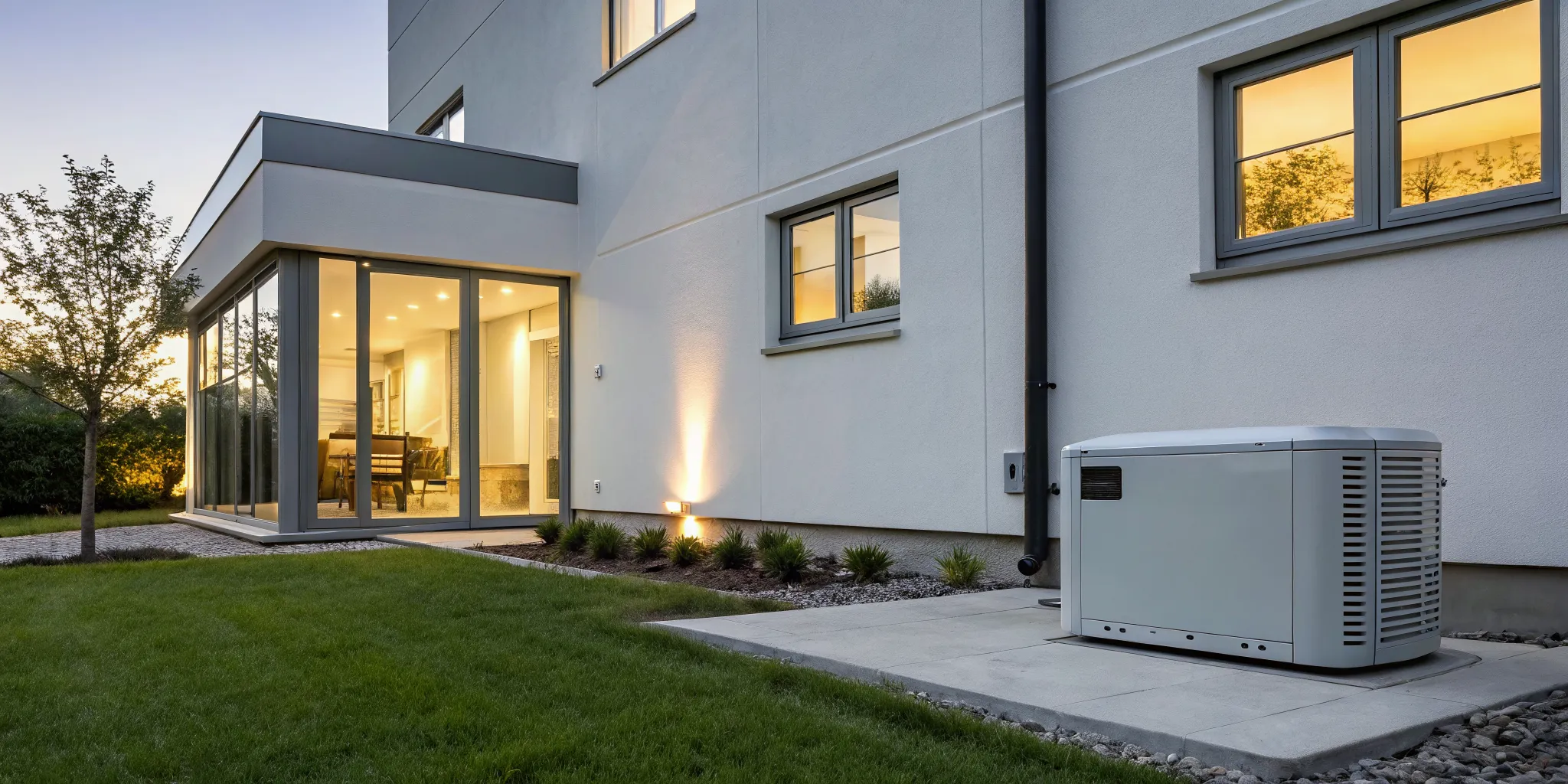
The term “generator” often brings to mind a loud, gas-guzzling machine you have to wheel out of the garage. A standby generator couldn’t be more different. This permanent appliance, installed outside your home like an AC unit, is a silent guardian for your electrical system. It monitors your power around the clock and, within seconds of an outage, automatically turns on to restore full power to your home. You don’t have to do a thing. This seamless transition keeps your lights, heat, and appliances running without a flicker of interruption. We’ll explain the technology behind these systems and compare top brands to help you find the right fit.
Key Takeaways
- Get automatic, uninterrupted power: Unlike portable models, a standby generator is a permanent solution that kicks on automatically the moment an outage occurs, keeping your home running smoothly without any manual effort.
- Focus on power and fuel first: Before looking at brands, determine exactly what you need to power to get the right size. Then, consider your fuel source, as natural gas offers a continuous supply while propane works anywhere.
- Installation determines reliability: A generator’s performance depends entirely on proper installation. Hiring a licensed electrical contractor is essential for safety, code compliance, and ensuring your investment works flawlessly when you need it.
What Is a Standby Generator and How Does It Work?
When you think of a generator, you might picture a noisy, portable machine you have to drag out of the garage and manually start. A standby generator is completely different. It’s a permanent solution, installed outside your home much like an air conditioning unit, that’s wired directly into your electrical system. Its entire job is to wait for a power outage.
The moment your home loses power, a standby generator senses the disruption and automatically springs to life, restoring electricity to your home in seconds. You don’t have to lift a finger. Whether it’s a summer storm or a winter freeze, these machines provide seamless, automatic power so your lights, refrigerator, and heating system stay on. This means you can continue your day without interruption, keeping your family comfortable and your home protected. It’s the kind of peace of mind that’s hard to put a price on, especially when the rest of the neighborhood goes dark.
How an Automatic Transfer Switch Keeps the Lights On
The magic behind a standby generator’s automatic operation is a device called an automatic transfer switch, or ATS. Think of the ATS as the brain of your backup power system. It constantly monitors the electrical current coming from the utility company. The instant it detects an outage, it safely disconnects your home from the utility grid and simultaneously signals the generator to start up. Within about 10 to 20 seconds, the ATS transfers your home’s electrical load to the generator, and just like that, your power is back on. This hands-free process ensures a safe and smooth transition, protecting your sensitive electronics from power surges.
Common Fuel Types and Power Sources
Standby generators for homes typically run on either natural gas or liquid propane (LP). If your home is already connected to a natural gas line, that’s often the most convenient and cost-effective option, providing a virtually endless fuel supply. If you don’t have access to natural gas, liquid propane is an excellent alternative. It requires a large storage tank to be installed on your property, which will need to be refilled periodically. Both are clean-burning and reliable fuel sources that keep your generator ready to go at a moment’s notice. Diesel is another option, but it’s more commonly used for commercial applications.
What to Know About Installation and Electrical Connections
Installing a standby generator is a complex job that should always be handled by a licensed electrical contractor. It’s definitely not a weekend DIY project. A professional will ensure the generator is placed in a safe location with proper ventilation to prevent exhaust buildup and overheating. The installation involves intricate electrical work, including connecting the generator and the automatic transfer switch to your home’s main electrical panel. A qualified team will handle all the necessary permits and ensure the entire system is up to code, giving you a safe and reliable backup power source for years to come.
A Look at Leading Standby Generator Brands
When you’re ready to invest in a generator, the brand name really does matter. It’s a sign of quality, reliability, and the kind of performance you can expect when the power goes out. While there are many options on the market, a few names consistently rise to the top. We’ll look at three of the most respected brands in the industry: Kohler, Cummins, and Generac. Each has its own strengths and is known for specific qualities.
As dealers for both Kohler and Cummins, we have a deep understanding of what makes their products stand out. We also have extensive experience with professional generator installation, including all three of these leading brands, so we can help you understand which one is the perfect fit for your property. Choosing the right brand is a key step in ensuring you have dependable power for years to come, whether you’re protecting your family home or your commercial building. Let’s explore what makes each of these brands a leader in the field.
Kohler: A Legacy of Power
Kohler has built a rock-solid reputation for powerful and dependable generators. They are known for engineering products that perform under pressure, making them a fantastic choice for homes and businesses that can’t afford any downtime. Their liquid-cooled models, in particular, are designed for serious performance, ensuring your property has the power it needs during critical moments. When you choose a Kohler, you’re investing in a legacy of durability and engineering excellence. This focus on quality is why they are a top choice for businesses and discerning homeowners who demand unwavering reliability from their backup power systems.
Cummins: Built for Reliability
When you think of reliability, Cummins is a name that immediately comes to mind. Their generators are engineered with efficiency and endurance as top priorities, making them a go-to for anyone who needs absolute confidence in their backup power. Cummins standby generators are built to kick in seamlessly and keep everything running smoothly, no matter how long an outage lasts. They have a long history of producing high-quality power solutions that meet rigorous demands. This commitment to performance makes a Cummins generator a smart investment for your property, giving you peace of mind that you’re protected by one of the most trusted names in power generation.
Generac: A Popular Home Solution
Generac has become one of the most recognizable names in home backup power, and for good reason. They specialize in creating innovative standby generators designed specifically for residential needs. Homeowners often choose Generac for their user-friendly features and their focus on keeping essential appliances and systems running during an outage. Their products are designed to provide a reliable and accessible backup power solution, giving families comfort and security when the grid goes down. Because of their popularity, our team has extensive experience performing expert installations of Generac generators, ensuring they are set up correctly for safe and dependable operation from day one.
What to Look For in a Standby Generator
Once you’ve decided a standby generator is right for you, the next step is choosing the perfect model. This decision goes beyond just picking a brand. It’s about matching the generator’s capabilities to your home’s specific needs, your property’s layout, and your personal preferences. Thinking through a few key factors will help you find a reliable generator that provides true peace of mind when the power goes out. From getting the size just right to understanding the latest tech features, here’s what you should consider before making this important investment in your home’s security and comfort.
Sizing It Right: Power and Capacity
The most critical factor in choosing a generator is its power capacity, measured in kilowatts (kW). An undersized generator won’t be able to handle the load, while an oversized one is an unnecessary expense. Your ideal size depends entirely on your power requirements. Do you want to power just the essentials, like your refrigerator, furnace, and a few lights? Or do you want a whole-house solution that can run everything, including your air conditioning and other large appliances, without a hitch? A professional can perform a load calculation to determine the exact size you need, ensuring you have dependable power for what matters most.
Considering Your Fuel Source
Standby generators typically run on two main fuel types: natural gas (NG) or liquid propane (LP). If your home already has a natural gas line, this is often the most convenient option, providing a continuous fuel supply without any need for refueling. If you don’t have access to natural gas, liquid propane is an excellent alternative. It requires a large storage tank on your property that will need to be refilled periodically, but it can be used anywhere. The right choice depends on what’s available and most practical for your location, ensuring your generator always has the fuel it needs to operate.
Keeping It Cool (and Quiet)
Where you place your generator is just as important as which one you choose. Standby generators are permanent fixtures and need a designated, stable spot with plenty of ventilation to prevent overheating. For safety, they must be installed a specific distance away from doors, windows, and vents. Local building codes and even homeowners’ association rules can also dictate placement. Beyond the technical requirements, consider the noise level. Some models are designed to run more quietly than others, which can be a significant benefit for you and your neighbors.
Smart Features and Remote Monitoring
Today’s generators are smarter than ever. Many leading models from brands like Kohler and Cummins come equipped with remote monitoring capabilities. These features connect to your home’s Wi-Fi, allowing you to check your generator’s status directly from your smartphone or computer, no matter where you are. You can receive updates, confirm it’s ready for the next outage, and get alerts if an issue arises. This technology adds a layer of convenience and confidence, letting you know that your power backup system is always prepared to do its job.
Understanding Warranties and Support
A standby generator is a major home appliance, and a strong warranty is your protection for that investment. Before you buy, take a close look at the manufacturer’s warranty. A good warranty will cover parts and labor for several years, giving you assurance that the company stands behind its product. Reputable brands offer comprehensive warranties that reflect the quality and durability of their machines. This is a key indicator of a generator’s long-term reliability and provides a safety net for your purchase, ensuring you’re covered down the road.
Comparing Generator Performance and Reliability
When you invest in a standby generator, you’re really buying peace of mind. You want to know that when the power goes out, your generator will spring to life without a hitch. Performance isn’t just about power output; it’s about dependability, efficiency, and longevity. Several key factors influence how a generator performs over its lifespan, from the way it cools itself to the fuel it uses. Let’s break down what you need to look for to ensure you get a reliable machine that’s ready for anything.
Air-Cooled vs. Liquid-Cooled: What’s the Difference?
One of the first technical details you’ll encounter is the cooling system. Think of it like the difference between a lawnmower engine and a car engine. Air-cooled generators use a fan to blow air across the engine to keep it from overheating. They are generally more compact and work well for smaller homes or when you only need to power essential circuits.
Liquid-cooled generators, on the other hand, use a radiator and coolant system, just like a car. This method is much more effective, allowing the generator to handle larger power loads for longer periods. They also tend to run quieter and have a longer operational lifespan, making them the go-to choice for larger homes or anyone wanting to power their entire property without compromise.
Runtime and Fuel Efficiency Explained
A generator can’t run without fuel, and your choice of fuel source directly impacts its runtime and convenience. The two most common options for home standby generators are natural gas and liquid propane (LP). If your home is already connected to a natural gas line, it’s an incredibly convenient option that provides a virtually endless supply of fuel. You’ll never have to worry about refueling.
Liquid propane is a fantastic alternative if you don’t have natural gas access. It’s stored in a large tank on your property that a supplier will need to refill periodically. The efficiency of any generator depends on its size and the amount of power it’s producing. A properly sized generator will run more efficiently and effectively, which is why professional guidance is so important.
What Are Other Owners Saying?
Before making any major purchase, it’s always a good idea to check in with people who already own the product. Reading user reviews and feedback on specific generator models can give you invaluable insight into their real-world performance. Current owners are the best source for honest information on everything from how loud a unit is during its weekly self-test to how it held up during a multi-day outage.
You’ll find that brands with a strong reputation, like Kohler and Cummins, are consistently praised by homeowners for their durability and reliability when it counts. Looking into what other people are saying can help you feel confident that you’re choosing a machine that’s been proven to perform.
Understanding Upkeep and Lifespan
A standby generator is a significant piece of equipment, and like your car, it requires regular attention to perform its best. Consistent upkeep is the single most important factor in ensuring your generator will run reliably for its entire lifespan, which can be 20 years or more. This doesn’t have to be complicated; most of the work involves following the manufacturer’s recommended schedule.
Typically, this includes periodic checks of the oil and filters and allowing the generator to run a short self-test each week to keep the engine lubricated and ready. Following these simple guidelines helps catch any potential issues early and ensures your generator is always prepared to take over when a power outage strikes.
What’s the Investment for a Standby Generator?
A standby generator is a significant home upgrade, and it’s smart to understand the full financial picture before you commit. The total cost isn’t just the price tag on the generator itself. It’s a combination of the unit, professional installation, and long-term upkeep. Think of it as an investment in your home’s security and your family’s comfort. When the power goes out, having a reliable backup source keeps your lights on, your food fresh, and your daily life uninterrupted. Breaking down the costs helps you budget effectively and see the true value a generator adds to your property.
Understanding these different components helps you see where your money is going and why each part is essential for a safe and reliable system. From selecting the right size unit to ensuring it’s installed correctly by a licensed professional, every step contributes to the generator’s performance when you need it most. This isn’t just about buying a piece of equipment; it’s about creating a seamless solution that integrates with your home. By looking at the complete investment, you can plan accordingly and feel confident in your decision to protect your home and family from power disruptions.
Cost Factor: Generator Size and Capacity
The first major variable in your budget is the generator unit. The price is directly tied to its power output, which is measured in kilowatts (kW). A smaller generator that can power essential appliances like your refrigerator, furnace, and a few lights might start in the low thousands. However, a more powerful whole-house generator capable of running everything, including your air conditioning, will have a higher price tag. Prices for residential generators can range from around $4,000 to over $20,000, depending on the brand and capacity. The key is to choose a size that matches your specific needs without overpaying for power you won’t use.
Factoring in Installation Costs
Generator installation is a complex job that requires a licensed electrical contractor, and this is where a significant portion of your investment will go. It’s definitely not a weekend DIY project. The installation process involves preparing a concrete pad for the unit, connecting it to your home’s electrical panel with an automatic transfer switch, and running a fuel line for natural gas or propane. The final cost can vary based on your home’s layout, the location of your electrical panel and fuel source, and local permit requirements. A professional generator installation ensures everything is done safely and up to code, giving you a reliable system that works flawlessly when you need it most.
Beyond the Purchase: Long-Term Costs
Once your generator is installed, there are a few ongoing costs to keep in mind. Just like your car, a generator has an engine that needs regular attention to stay in top condition. This typically includes annual check-ups, oil and filter changes, and battery inspections to ensure it will start reliably during an outage. You’ll also want to account for the cost of fuel, either natural gas or propane, which it will consume during operation. While these costs are relatively modest, budgeting for routine upkeep is the best way to protect your initial investment and extend the life of your generator for years to come.
Financing and Potential Savings
While the upfront cost is substantial, a standby generator can pay off in several ways. First, it can be a major selling point for your home. Many buyers see a generator as a premium feature that adds significant value and peace of mind, potentially increasing your property’s resale value. It also protects you from the hidden costs of a power outage, like spoiled food, burst pipes from a failed sump pump, or the expense of a hotel stay. For those who work from home, a generator prevents lost income due to internet or power loss. Many installers and manufacturers also offer financing options to help make the investment more manageable.
Choosing the Right Generator for Your Home
Picking the right standby generator is a big decision, but it doesn’t have to be overwhelming. It’s all about matching the generator’s capabilities to your home’s specific needs and your family’s priorities during an outage. By thinking through a few key areas, you can confidently choose a system that provides reliable power and peace of mind for years to come. Let’s walk through how to find the perfect fit for your home.
How to Calculate Your Home’s Power Needs
Before you can choose a generator, you need to know what you want to power. Do you just need the essentials like the refrigerator, furnace, and a few lights, or do you want to run your entire home as if nothing happened? Start by making a list of the appliances and systems you can’t live without. When you calculate the wattage of these items, you’ll get a clear picture of your power requirements. This step is crucial because selecting a generator with the right power capacity ensures it runs efficiently without being overworked. A professional can perform a detailed load calculation to give you the most accurate assessment.
Why Professional Installation Matters
A standby generator is a powerful piece of equipment that integrates directly with your home’s electrical system, which is why professional installation is non-negotiable. A licensed electrician will ensure the generator is placed in a safe location with proper ventilation to prevent exhaust buildup and overheating. They handle the complex wiring, connect the automatic transfer switch correctly, and make sure everything complies with local codes and regulations. This isn’t just about performance; it’s about the safety of your home and family. Proper generator installation guarantees your system will work exactly as it should when you need it most.
A Smart Investment: Home Value and Resale
A standby generator is more than just a convenience; it’s a significant upgrade to your property. For potential homebuyers, a home that’s protected from power outages offers a huge sense of security and is a major selling point. In areas where storms or grid issues are common, a generator can make your home stand out on the market. Sellers who can show that their generator is reliable and was installed correctly may find it easier to attract buyers. This makes a standby generator one of the few home improvements that can add value while also improving your quality of life.
Related Articles
- How to Use a Whole House Generator Sizing Calculator USA – Pro-Tech-Power
- Whole House Generator Sizing: What Size Do You Need?
Frequently Asked Questions
Will a standby generator power my entire house? That depends on the size you choose. You can select a smaller model to cover just the essentials, like your refrigerator, heating system, and a few lights. Or, you can opt for a larger, whole-house generator that can handle everything at once, including your air conditioning and other major appliances. A professional load calculation is the best way to determine the exact capacity you need for your home.
How is a standby generator different from a portable one? A standby generator is a permanent installation, much like a central air conditioning unit. It’s wired directly into your home’s electrical system and runs on natural gas or propane. Unlike a portable generator that you have to wheel out, fuel up, and start manually, a standby unit senses a power outage and turns on automatically within seconds, so you don’t have to do a thing.
How much upkeep does a standby generator require? Think of it like your car; it needs a little regular attention to run perfectly. Most generators perform a short, quiet self-test each week to keep the engine ready. Beyond that, following the manufacturer’s guidelines for periodic checks of the oil and filters is the best way to ensure it will be reliable for its entire lifespan, which can be 20 years or more.
Do I have to do anything to turn it on during an outage? No, and that’s the best part. A standby generator works with a device called an automatic transfer switch. This switch constantly monitors the power coming from the utility company. The moment it detects an outage, it automatically disconnects your home from the grid and signals the generator to start, restoring your power in about 10 to 20 seconds.
How long does the installation process take? A professional installation is a detailed process that can vary depending on your property. It involves preparing a stable base for the unit, running the electrical wiring to your main panel, and connecting the fuel line. The timeline depends on factors like the location of your electrical and gas lines and any necessary permits. A qualified contractor can give you a clear timeline after assessing your home.