PGE EV Charger Rebates and Home Charging Prep
PGE EV Charger Rebates and Home Charging Prep in Oregon
PGE EV charger rebates can make home charging more affordable, but the rebate is only one part of the project. Before you buy a wall charger or schedule installation, your home needs the right electrical capacity, a safe charger location, a permit path, and a plan that fits PGE program rules.
Planning a home EV charger in Tigard, Portland, Beaverton, Lake Oswego, or nearby Oregon communities? Request a quote from Pro-Tech-Power so a licensed team can review your panel, charger location, and installation scope before you apply for incentives.
The short answer: PGE promotes rebates on faster home chargers and electrical panel upgrades through PGE+ and its Smart Charging program. PGE also notes that eligible customers may qualify for rebates and credits of up to $6,000 on faster home chargers, electrical panel upgrades, and bill credits. Because program details can change, homeowners should confirm current eligibility directly with PGE before buying equipment or assuming a specific dollar amount.
This guide explains what to check before you apply, how rebates connect to electrical prep, and why a good installation plan starts with the home, not the charger box.
What Are PGE EV Charger Rebates?
PGE EV charger rebates are incentive opportunities for Portland General Electric residential customers who want faster home charging. On its current residential offers pages, PGE describes PGE+ as a one-stop option for buying qualified EV chargers, arranging installation, enrolling in Smart Charging, and accessing rebates on faster home chargers and electrical panel upgrades.
That matters because many Oregon homeowners focus only on the charger price. In reality, the charger is usually the easiest part to price. The larger question is whether your home can safely support a dedicated 240-volt circuit, where the charger will be mounted, and whether the existing electrical panel has capacity for the added load.
PGE also promotes ongoing bill credits through Smart Charging. Smart Charging programs are designed to help utilities manage when EVs charge, often by encouraging charging outside peak demand periods. If you are comfortable letting the utility influence charging windows within program rules, those credits may be part of the overall savings picture.
Use PGE information as the source of truth for eligibility, rebate amount, income qualifications if applicable, required charger models, installer requirements, and enrollment timing. Use your electrician to confirm whether the home is ready for the charger the program requires.
Why Electrical Prep Comes Before the Rebate Application
A rebate can reduce your net cost, but it does not change what the electrical system needs. A Level 2 charger is not a small plug-in accessory. It normally needs a dedicated 240-volt circuit, proper breaker sizing, correctly sized conductors, grounding and bonding that meet code, and a charger location that can be installed safely.
That is why electrical prep should happen before you commit to a charger or rely on a rebate estimate. A homeowner may qualify for a charger incentive but still need panel work, routing changes, outdoor-rated equipment, or a different charger location to make the installation safe and code-compliant.
If you are still comparing project budgets, start with Pro-Tech-Power’s guide to Level 2 EV charger installation cost in Oregon. It explains why a simple garage setup can be very different from a detached garage, carport, or home that needs more capacity first.
Home Charging Prep Checklist Before You Apply
Before applying for PGE EV charger rebates or buying equipment, walk through the following checklist. It will help you avoid delays, change orders, and purchases that do not fit your home.
1. Confirm Your Utility Account and Program Eligibility
First, confirm that your home is in PGE territory and that the program you want is available to your account type. PGE pages state that its residential special offers site is for PGE residential customers. If your home is served by a different utility, your incentive path may be different.
Check the PGE+ and Smart Charging requirements before purchasing a charger. Some programs may require specific charger models, enrollment steps, timing rules, or documentation. Do not assume that every charger sold online will qualify.
2. Identify the Charger You Want to Install
The charger you choose affects the circuit size, charging speed, and installation approach. Many Level 2 chargers operate on a 240-volt circuit, but amperage varies. A higher-amperage charger may charge faster, yet it also places a larger demand on the home electrical system.
Match the charger to how you actually drive. A homeowner who drives 30 miles a day may not need the same setup as a household with two EVs, long commutes, or frequent overnight charging demands. A right-sized charger can be safer, cleaner, and more cost-effective than chasing the highest possible amperage.
3. Check Electrical Panel Capacity
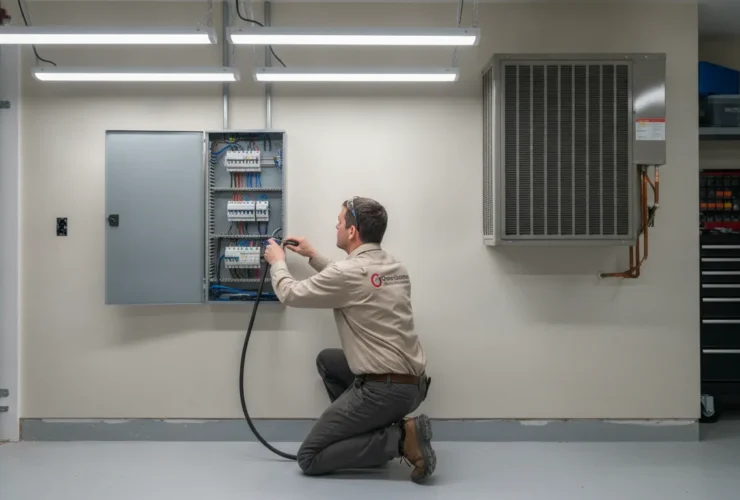
Your electrical panel is the most important part of the prep conversation. A Level 2 charger adds a significant continuous load. The electrician should evaluate available breaker space, panel rating, existing loads, and whether the home can support the charger without overloading the system.
Some homes have enough capacity for a dedicated charger circuit. Others need a load calculation, load management equipment, a subpanel, or a panel upgrade. If your project may involve added capacity, read Pro-Tech-Power’s guide to an electrical panel upgrade in Portland so you know the signs and cost factors before you start.
4. Choose the Charger Location
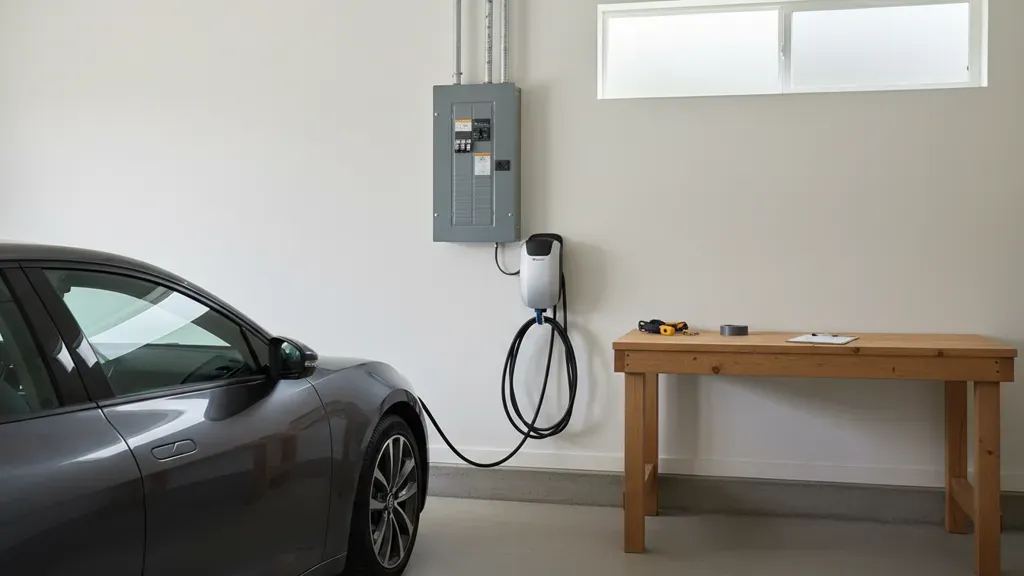
The best charger location is not always the most convenient parking spot. The electrician needs to consider distance from the panel, wall structure, conduit routing, weather exposure, vehicle cord reach, physical protection, and whether the charger will be hardwired or plug-connected.
An attached garage near the panel is usually the simplest scenario. A detached garage, carport, exterior driveway, or pedestal location can add trenching, outdoor-rated equipment, conduit, and more inspection considerations.
5. Confirm Permit and Inspection Requirements
Oregon has statewide rules for electric vehicle charging system permits and inspections. Oregon Administrative Rule 918-311-0065 states that people installing an EV charging system must obtain a permit from the inspecting jurisdiction for the EVSE. It also explains that permits under the rule include up to two inspections.
Permitting protects the homeowner. It creates a documented inspection path and confirms that key electrical safety items were reviewed. If a rebate program asks for proof of installation, permitting and installation documentation may also help keep your paperwork organized.
For a deeper code-focused overview, see Pro-Tech-Power’s guide to EV charging station code requirements.
How Panel Upgrades Fit Into PGE EV Charger Rebates
PGE’s current public pages mention rebates for faster home chargers and electrical panel upgrades. That connection is important because many older homes were not built with EV charging in mind. A panel may have room for new breakers but still lack safe capacity for the load, or it may already be near its practical limit because of HVAC, kitchen equipment, laundry, and other major electrical demands.
Not every EV charger project needs a panel upgrade. A qualified electrician may be able to install the charger on the existing panel if the load calculation supports it. In some homes, load management can be a cleaner solution than replacing the whole panel. In other homes, a panel upgrade is the right long-term move because the homeowner also plans to add HVAC equipment, a remodel, a hot tub, or other high-demand electrical additions.
Before buying a charger, ask Pro-Tech-Power to evaluate your panel and installation location. A short electrical review can prevent the most common rebate and installation surprises.
Common Mistakes That Delay EV Charger Incentives
Most EV charger delays are preventable. Watch for these issues before you apply for PGE EV charger rebates or schedule installation.
- Buying the charger too early: The model may not qualify for the incentive or may require more electrical capacity than the home can support affordably.
- Assuming the panel has capacity: Open breaker spaces do not automatically mean the panel can support a Level 2 charger.
- Choosing a difficult location: Long wire runs, detached garages, exterior mounting, and trenching can change the budget quickly.
- Skipping permit planning: A permitted installation helps protect safety, documentation, and resale confidence.
- Ignoring Smart Charging requirements: If bill credits depend on enrollment, charger connectivity, or charging behavior, those details should be understood up front.
- Waiting until delivery day: If the EV arrives before the home is ready, you may be stuck relying on slow Level 1 charging while electrical work is planned.
What a Licensed Electrician Should Verify
A good EV charger quote should be more than a number. It should reflect the actual installation conditions at your home. Pro-Tech-Power’s residential team can evaluate the practical details that determine whether the project is simple or more involved.
Expect a licensed electrician to review:
- Electrical panel rating, condition, and available capacity
- Breaker space and whether tandem breakers or subpanels are relevant
- Dedicated circuit requirements for the selected charger
- Wire size, conduit route, and wall or ceiling access
- Indoor versus outdoor mounting requirements
- GFCI protection and manufacturer installation instructions
- Permit and inspection path for your local jurisdiction
- Whether load management or a panel upgrade should be considered
If you have not yet chosen an electrician, Pro-Tech-Power’s article on hiring an electrician for EV charger installation explains what to ask before you sign.
Local Factors for Portland Area Homeowners
Homes across the Portland metro area vary widely. A newer attached garage in Tigard may be straightforward. An older Portland home with a crowded panel, finished walls, limited driveway access, or a detached garage may need more planning. Beaverton, Lake Oswego, Tualatin, West Linn, Sherwood, and nearby communities each have their own jurisdictional details and inspection workflows.
Weather also matters. Oregon installations often need attention to damp locations, exterior routing, and equipment rated for the environment where it will be used. Even when a charger is mounted inside a garage, conduit routing and cord reach should be planned so daily use is simple and safe.
For location-specific electrical help, see Pro-Tech-Power’s pages for Tigard electrical work, Portland electrical work, and Beaverton electrical work.
How to Prepare for a Quote
You do not need to know every technical answer before contacting an electrician. Still, a few details can make the quote process faster and more accurate.
- Your EV make and model, or the vehicle you plan to buy
- The charger model you are considering, if any
- Photos of your electrical panel and the proposed charger location
- Approximate distance from the panel to the parking spot
- Whether the charger will be inside, outside, or in a detached structure
- Any PGE rebate or Smart Charging requirements you have found
- Your preferred timeline for installation
It also helps to take photos of the panel label, main breaker, open breaker spaces, and the wall where you want the charger installed. If the panel is blocked by storage, clear the area before the electrician arrives.
A Practical Timeline for Rebate-Ready Home Charging
A smooth project usually follows a simple sequence:
- Confirm PGE eligibility: Review current PGE+ and Smart Charging requirements.
- Choose or shortlist chargers: Do not purchase until you understand program and electrical requirements.
- Schedule an electrical review: Have the panel, route, and location evaluated.
- Finalize the scope: Confirm whether the project needs a basic circuit, load management, subpanel, or panel upgrade.
- Handle permit requirements: Make sure the EVSE permit path is included.
- Complete installation and inspection: Keep records, invoices, and photos.
- Submit or complete rebate steps: Follow PGE’s current instructions and keep copies of all documentation.
Ready to move from rebate research to a real installation plan? Get a quote from Pro-Tech-Power for EV charger installation and home electrical prep in the Portland metro area.
Final Thoughts
PGE EV charger rebates can help make home charging more affordable, especially when they apply to both faster chargers and panel upgrades. The best results come from lining up the rebate requirements with the physical reality of your home.
Start by confirming current PGE rules. Then have your panel, charger location, and permit path reviewed by a licensed electrical contractor. That order helps you choose equipment wisely, avoid preventable delays, and build a home charging setup that is safe, convenient, and ready for daily use.
Frequently Asked Questions
Do PGE EV charger rebates cover panel upgrades?
PGE’s public residential pages state that PGE+ can include rebates on faster home chargers and electrical panel upgrades. Confirm current eligibility, amounts, and documentation requirements directly with PGE before starting work.
Should I buy an EV charger before applying for a rebate?
Not always. Check PGE requirements first and have an electrician confirm that your home can support the charger you want. Buying early can create problems if the charger does not qualify or needs more capacity than expected.
Does every Oregon home need a panel upgrade for Level 2 charging?
No. Some homes can support a Level 2 charger with the existing panel. Others need load management, a subpanel, or a panel upgrade. The right answer depends on a load calculation and the condition of the existing electrical system.
Is a permit required for an EV charger in Oregon?
Oregon Administrative Rule 918-311-0065 says people installing an EV charging system must obtain a permit from the inspecting jurisdiction for the EVSE. Your electrician should include permitting in the project plan.