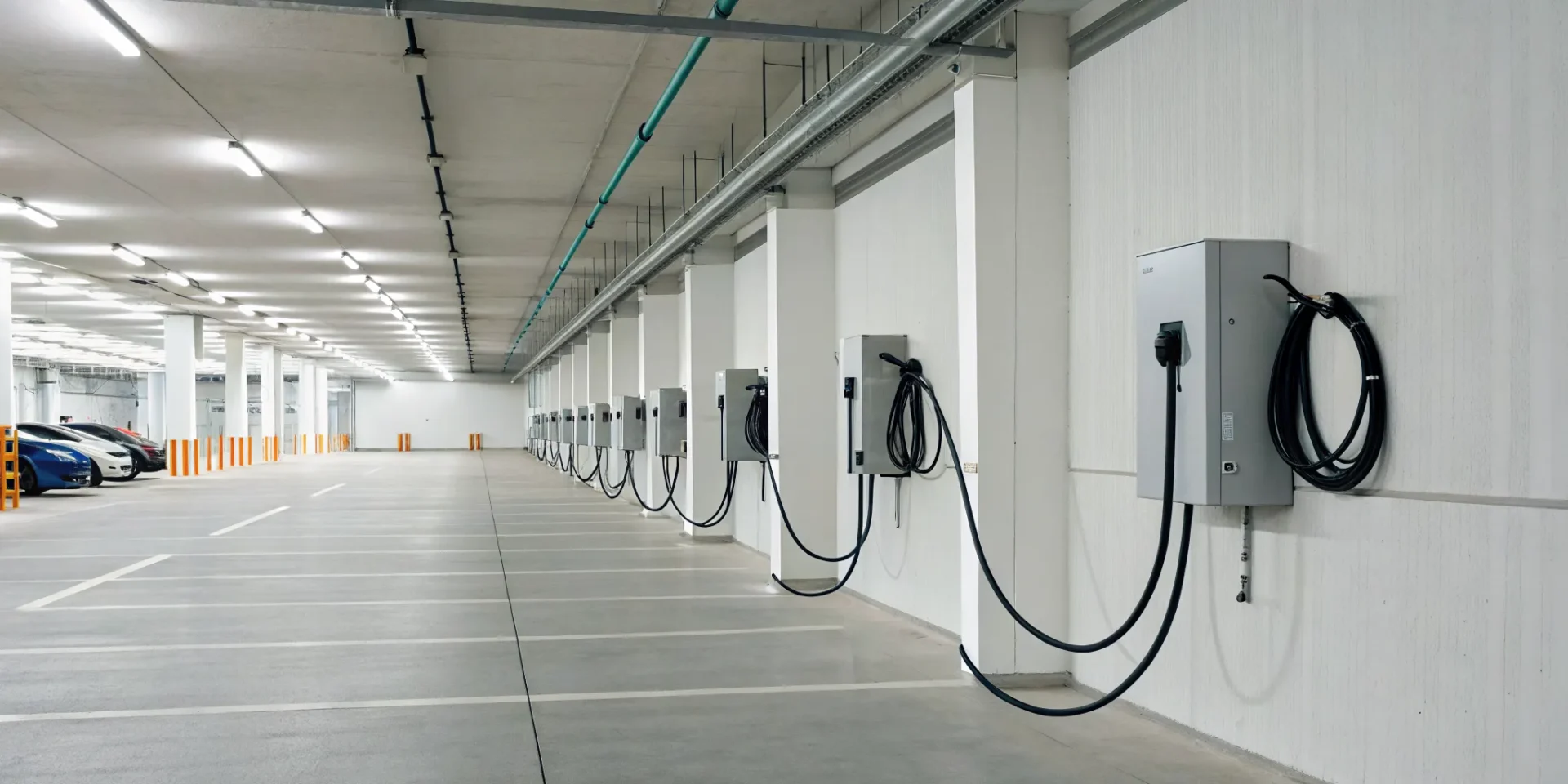
A Guide to EV Charging Station Code Requirements
For business owners and property managers, adding EV charging is a powerful way to attract tenants and customers. But this valuable amenity comes with a unique set of responsibilities. Unlike a simple residential setup, a commercial installation must account for public use, which means following detailed rules for accessibility, parking, and signage. Federal laws like the Americans with Disabilities Act (ADA) and local zoning ordinances play a huge role in the project’s design and placement. Getting the ev charging station code requirements right is essential for avoiding legal issues, ensuring a positive user experience, and protecting your investment from the very beginning.
Key Takeaways
- Know the rules before you start: A compliant EV charger installation involves more than just electrical work; you must also follow local zoning laws for placement and ADA guidelines for accessibility in commercial settings.
- Prepare your electrical system for the demand: Most EV chargers require a dedicated 240-volt circuit to function safely and efficiently. A professional load calculation will determine if your current electrical panel can handle the extra power or if an upgrade is needed.
- Hire a professional to ensure a safe installation: Working with a licensed electrician is the best way to guarantee your project meets all safety codes. They handle the entire process, from securing permits to passing final inspections, which protects your property and your investment.
What Code Requirements Apply to EV Charging Stations?
Installing an EV charging station is a fantastic upgrade for any home or business, but it’s not as simple as just plugging it in. To ensure your charger is safe, reliable, and legal, you need to follow specific code requirements. These rules aren’t meant to be a hassle; they exist to protect your property, your vehicle, and anyone using the charger. Think of them as the blueprint for a successful installation.
From national electrical standards to local zoning ordinances, several layers of regulations come into play. Understanding these requirements from the start helps you plan your project, avoid costly mistakes, and ensure a smooth inspection process. Whether you’re a homeowner adding a charger to your garage or a business owner providing a new amenity, getting the codes right is the first step.
The Basics of Building Codes
When you install an EV charger, you’re modifying your property’s electrical system, which means you have to follow local building codes. These rules ensure the installation is structurally sound and integrates safely with your existing infrastructure. Local building codes and ordinances often specify where a charger can be placed, what kind of wiring is needed, and whether you need to add dedicated parking spots. For new construction projects, some cities even require a certain number of parking spaces to be “EV-ready.” A licensed electrician can tell you exactly what your local jurisdiction requires, from permits to final inspection.
Required Safety and Certification Standards
Beyond local building codes, your EV charging station must meet strict industry standards for safety and performance. This is non-negotiable. Every component, from the charger itself to the wiring, must be tested and certified by a recognized organization like Underwriters Laboratories (UL). A UL listing means the product has passed rigorous safety tests. Additionally, commercial or public charging stations must comply with the Americans with Disabilities Act (ADA). These accessibility standards ensure that people with disabilities can easily access and use the equipment, covering details like ground clearance, reach ranges, and the force required to operate the charger.
What Are the Three Levels of EV Readiness?
If you’re building a new home or commercial property, planning for electric vehicles is one of the smartest moves you can make. Thinking ahead saves you from expensive and disruptive retrofitting projects later on. The industry has three standard levels of preparation, often called “EV readiness,” that outline how equipped a building is for future charging needs. Each level represents a different degree of investment and preparation, from laying the basic groundwork to having a fully functional charger ready to go.
Understanding these tiers helps you decide which approach fits your project’s budget and goals. For general contractors, offering these options can be a major value-add for clients. For homeowners, it’s about future-proofing your property. Whether you’re just running the initial wiring or installing a complete charging station, a little foresight goes a long way. Let’s look at what each level of EV readiness involves so you can make an informed choice for your new construction or remodel project.
EV-Capable
Think of an EV-capable building as having good bones. This is the first and most basic level of preparation. It means that during construction, your electrician installs the necessary electrical panel capacity and the conduit (the tube that protects the wiring) to support a future EV charging station. The actual wiring and charger aren’t installed yet, but the essential pathway is in place.
This is the most cost-effective way to prepare for an EV charger. By doing this work during the initial build, you avoid the much higher cost of opening up walls and running new conduit later. It’s a simple step that makes the final installation of a charger significantly easier and cheaper down the road.
EV-Ready
An EV-ready building takes things one step further. In addition to the conduit and panel space, this level includes a complete, dedicated electrical circuit. That means all the wiring is run from the panel to the future charging location, ending in a 240-volt outlet or junction box. Essentially, all the electrical work is done and waiting.
This setup makes installing a charger a straightforward “plug and play” process for a qualified electrician. According to the Alternative Fuels Data Center, this approach is perfect for property owners and developers who want to offer the convenience of a nearly complete installation without committing to a specific charger model. It gives the future resident or tenant the flexibility to choose their preferred charging station.
EV-Installed
The final level is EV-installed, and it’s exactly what it sounds like. The building has a fully operational EV charging station in place from day one. This is the most proactive approach, showing a clear commitment to supporting electric vehicles and offering immediate convenience. There’s no need for any additional work; the owner or tenant can start charging their vehicle as soon as they move in.
For homeowners who already drive an EV or plan to buy one soon, this is the ultimate setup. For commercial properties or multi-unit housing, having chargers installed can be a powerful marketing tool to attract and retain tenants. If you’re ready to go all-in, you can contact a professional electrician to handle the entire installation process during your build.
Key Building Codes for EV Chargers
When you’re planning to install an EV charger, a few key building codes set the standards for a safe and reliable setup. These aren’t just suggestions; they are requirements that ensure your property and everyone using the charger are protected. Think of them as the rulebook that professional electricians follow to get the job done right. Understanding the main players, like the National Electrical Code and the International Building Code, helps you appreciate why certain steps, like using certified equipment, are so important. These codes work together to create a complete safety framework for your installation, from the wiring inside your walls to the charger itself.
National Electrical Code (NEC)
Think of the National Electrical Code (NEC) as the primary safety guide for all electrical installations in the U.S., including your EV charging station. Its purpose is to protect people and property from electrical hazards. The NEC outlines the essential safety standards for everything from the type of wiring used to the specific circuit requirements for your charger. Even if your local area has minimal regulations, following the NEC is the best practice for ensuring a safe and dependable installation. A licensed electrician will always use the NEC as their foundational guide to make sure every part of the project meets the highest safety benchmarks.
International Building Code (IBC)
While the NEC focuses specifically on electrical systems, the International Building Code (IBC) covers general building safety and construction. For EV chargers, the IBC ensures the installation is structurally sound and compliant with broader safety rules. For example, the IBC requires that EV chargers meet specific safety regulations, often by referencing the NEC (specifically NFPA 70). This connection ensures that your electrical installation is not only safe on its own but also integrates properly with your home or commercial building’s overall safety plan. It’s another layer of protection that guarantees your charging station is installed correctly within the larger context of your property.
UL Listings and Safety Certifications
How do you know the EV charger itself is safe? That’s where safety certifications like UL listings come in. UL (Underwriters Laboratories) is a nationally recognized organization that tests products to ensure they meet strict safety and performance standards. A UL-listed charger has been rigorously tested for safety and performance, giving you peace of mind that it’s free from defects and won’t pose a fire or electrical shock risk. Both the NEC and IBC require certified equipment for installations. When you work with a professional, they will only use UL-listed (or equivalent) chargers and components to guarantee your installation is fully compliant and, most importantly, safe for everyone to use.
What Are the Accessibility Standards for EV Chargers?
When you install an EV charging station, especially in a public or commercial space, it needs to be usable by everyone. This isn’t just about being considerate; it’s about following legal standards that ensure people with disabilities have the same access as everyone else. Think of it like accessible parking spaces or ramps next to stairs. The goal is to remove barriers and create an inclusive environment for all drivers.
These accessibility standards cover everything from the dimensions of the parking space to the design of the charger and the route a person takes to get to it. Federal laws like the Americans with Disabilities Act (ADA) set the foundation for these requirements, making compliance a must for businesses and public facilities. Getting this right is crucial not only for avoiding legal issues but also for serving all potential customers and tenants. Properly planned commercial electrical services will always account for these accessibility needs from the very beginning of a project, ensuring your installation is both functional and compliant from day one. Understanding these rules helps you plan your installation correctly, preventing the need for expensive and time-consuming modifications later on.
ADA Requirements
The Americans with Disabilities Act (ADA) is a federal civil rights law that prohibits discrimination against individuals with disabilities in all areas of public life. This includes access to EV charging stations. To help property owners and installers comply, the U.S. Access Board provides detailed design recommendations for building accessible charging stations. These aren’t just friendly suggestions; they are guidelines based on legal requirements. Following them ensures that your charging station is accessible and meets federal standards, protecting you from potential legal issues and making your property welcoming to all drivers.
Accessible Parking Rules
The rules for an accessible EV charging spot are based on established accessibility standards. This means the station must have specific features, such as a firm, stable, and slip-resistant ground surface. There must be enough clear floor space for a person using a wheelchair to maneuver, both to get out of their vehicle and to operate the charger. The standards also dictate appropriate reach ranges so that controls, connectors, and card readers are within grasp. An accessible route, free of obstructions, must connect the charging space to the building or facility entrance.
Design and Placement Guidelines
Where you put the charger matters just as much as the space around it. Accessible chargers should be located on the shortest possible accessible route to the building’s entrance. If the charger is in a parking garage, there needs to be at least 98 inches of vertical clearance to accommodate taller vehicles, like vans with lifts. The design should also consider the location of the vehicle’s charging port. Ideally, the station is placed so the charging inlet on the car aligns with the charger, with a clear access aisle on the driver’s side.
How Zoning Ordinances Affect Your Installation
Beyond electrical codes, you also have to consider local zoning ordinances. These are the city or county rules that dictate where you can place an EV charging station on your property. Zoning laws cover things like setbacks from property lines, placement in your yard, and signage requirements for businesses. Because these regulations vary between Portland, Tigard, and other local communities, understanding them is key to a smooth installation. An electrician who knows the local rules can make this process much simpler.
Zoning for Residential Properties
For most homeowners, adding an EV charger is a straightforward process. Residential zoning ordinances usually focus on ensuring the installation doesn’t block public access or create an eyesore. For example, your local rules might specify how far a charger must be from the sidewalk. If you live in a community with a homeowner’s association (HOA), there may be additional aesthetic guidelines to follow. While the requirements for residential installations are generally simple, it’s always smart to check your local zoning code first.
Zoning for Commercial Properties
Zoning is more detailed for commercial properties. The main goal is to ensure EV charging is an allowed use in your specific zone, whether it’s retail, office, or multi-family housing. Ordinances often specify the required number of stations, parking space dimensions, lighting, and signage. For business owners and contractors, understanding these local rules is essential for planning a successful project. These regulations help create a consistent and user-friendly charging experience for the public.
The Permitting Process
Getting the right permits brings all these code and zoning requirements together. Before work begins, you or your electrician will submit plans to your local building department. An official reviews them to confirm they meet all safety and zoning codes. Once approved, the city issues a permit, and the installation can start. This process ensures your installation is safe and compliant. While it can take time, governments are working to streamline approvals for EV infrastructure. An experienced electrician can manage this entire process for you.
Electrical and Circuit Requirements for EV Chargers
Beyond codes and permits, your EV charger needs the right electrical foundation to work safely and efficiently. This is where the technical details come into play, from the power of the circuit to the capacity of your entire electrical panel. Getting these requirements right isn’t just about compliance; it’s about protecting your vehicle, your property, and ensuring you get a reliable charge every time. Let’s break down what your electrical system needs to support an EV charger.
Voltage and Amperage
EV chargers come in different power levels, and the one you choose will determine your charging speed. Level 1 chargers use a standard 120-volt outlet, like the one your toaster uses. They’re slow but don’t require special wiring. For a much faster charge, most homeowners and businesses opt for a Level 2 charger, which requires a 240-volt circuit, similar to an electric dryer or oven. The amperage of the circuit also matters, as a higher amperage delivers more power. A qualified electrician can help you decide on the right voltage and amperage combination for your needs and vehicle.
Dedicated Circuits
An EV charger is a powerful piece of equipment, and it needs its own dedicated circuit. This means the circuit powering your charger cannot be shared with any other outlets or appliances. Think of it as a private lane on the highway just for your car. This prevents your electrical system from becoming overloaded, which can trip breakers or, in worse cases, create a fire hazard. A proper EV charger installation always includes a new, dedicated circuit run directly from your electrical panel to the charging station, ensuring a safe and consistent flow of power.
Load Calculations and Panel Upgrades
Before installing a new dedicated circuit, it’s crucial to know if your main electrical panel can handle the extra demand. This is done through a “load calculation,” where an electrician assesses your property’s total electrical usage. If your panel is already near its maximum capacity, adding a powerful EV charger could overload it. In this case, you may need an electrical panel upgrade to safely accommodate the new charger. This is especially common in older homes or commercial buildings with lots of existing equipment. It’s a critical step to ensure your entire electrical system remains safe and reliable.
EV Charging Rights in Multi-Unit Housing
Installing an EV charger can feel complicated when you live in a shared community like a condominium, apartment complex, or a neighborhood with a homeowner’s association (HOA). You have to consider not just your own needs but also the rules of the property and the rights of your neighbors. The good news is that many states have laws protecting your right to install a charger, as long as you follow the proper procedures and safety guidelines. Understanding these rules is the first step to getting your home charging station set up.
Condominiums
If you own a condo, you generally have the right to install an EV charging station in your assigned parking space. Oregon’s “Right to Charge” law supports this, but your condo association can still set reasonable restrictions. For example, they can require you to submit detailed plans from a licensed electrician, follow all building codes, and cover the full cost of installation, maintenance, and electricity usage. The association can only deny your request if there are valid safety concerns, structural issues with the building, or if the installation is not technically feasible. It’s always best to review your condo’s bylaws and start a conversation with your board early.
Apartments
For renters, installing an EV charger requires a different approach since you need the landlord’s permission. While you don’t have the same legal protections as a condo owner, many property managers are becoming more open to EV charging as an attractive amenity for residents. The biggest hurdle is often compliance, as the property owner is responsible for ensuring any installation meets safety, accessibility, and zoning requirements. When you approach your landlord, come prepared with a clear proposal that outlines how a professional electrician will handle the installation and how you plan to cover the costs. This shows you’ve done your homework and makes it easier for them to say yes.
Homeowner Associations (HOAs)
Living in a community governed by an HOA adds another layer to the process. Similar to condo associations, HOAs cannot unreasonably prohibit you from installing an EV charger on your property. However, they can enforce rules about the charger’s placement and appearance to maintain the neighborhood’s aesthetic. For instance, they might have guidelines on where you can place the unit or require it to be a certain color. Before you hire an electrician, be sure to check your HOA’s governing documents and submit a formal application for approval. This will help you avoid any potential fines or disputes down the road.
Resources to Help You Stay Compliant
Understanding EV charger regulations can feel like a lot, but you don’t have to sort through it all by yourself. Plenty of resources are available to help you make sure your installation is safe, legal, and efficient. From federal guidelines that provide a broad overview to specific local ordinances, these tools can point you in the right direction. Knowing where to look for information is the first step toward a smooth and successful installation process.
Government Guides
Federal and state governments are actively working to make EV adoption easier, which means they’ve created some excellent resources for property owners. The U.S. Department of Transportation offers a public EV infrastructure playbook that outlines how local governments can streamline regulations. While it’s written for officials, it gives you a great look at the standards your city is likely following. These guides help clarify the technical requirements and standards that manufacturers and installers must meet, ensuring your equipment is both safe and reliable from the start.
Local City and County Resources
While federal guides are helpful, your project’s success ultimately depends on following local rules. Your city or county planning department is the best source for specific zoning ordinances and permit requirements. These local codes determine where you can place a charging station on your property and what kind of electrical work is needed. A quick search on your local government’s website for “EV charging permits” will usually provide checklists, applications, and contact information. Getting familiar with these local requirements early on can save you a lot of time and prevent headaches later.
Why Hire a Professional Electrician?
The most straightforward way to ensure your EV charger installation meets every code is to work with a licensed electrician. A professional handles the entire process, from assessing your home’s electrical capacity to securing the right permits and passing the final inspection. They are experts in the National Electrical Code (NEC) and local amendments, ensuring every connection is safe. Engaging a qualified electrician for your residential services not only guarantees compliance but also protects your home, your vehicle, and your family from the risks of improper installation.
Common Compliance Challenges and Solutions
Installing an EV charger is an exciting upgrade, but the path from planning to plugging in can have a few bumps. Code compliance, in particular, presents some common hurdles for homeowners and property managers. Each type of charging station has unique requirements that can affect everything from your timeline to your budget. Knowing what to expect can make the process much smoother. Let’s walk through a few of the most frequent challenges and, more importantly, how to solve them so you can get your installation done right.
Permit Delays and Costs
Getting the right permits is a non-negotiable step, but it can sometimes feel like a waiting game. The time it takes to get a permit approved can vary, and unexpected delays can push back your entire project schedule. These delays often happen when paperwork is incomplete or doesn’t account for the specific requirements of your charger type and location. The costs can also add up, especially if multiple submissions are needed. The best way to manage this is to work with a professional electrician who is an expert in the local permitting process. They can prepare and submit a complete and accurate application, helping you avoid common pitfalls that lead to delays and extra fees.
Navigating Different Local Rules
Compliance can be tricky because regulations are constantly evolving and can differ from one city to the next. The rules for safety, accessibility, and placement in Portland might have slight variations from those in a neighboring community. Trying to keep up with these different local requirements on your own can be a major headache and may lead to a failed inspection. An experienced local electrician is your best resource here. They stay current on the specific electrical codes for your area and ensure your installation meets every single one. This expertise is key to a smooth, successful project without any last-minute surprises.
Ongoing Maintenance
Your responsibility for compliance doesn’t end once the final inspection is complete. To ensure your EV charging station remains safe and operates correctly, you need a plan for ongoing maintenance. Regular check-ups help protect users, your property, and your investment. Over time, components can wear out, and without proper care, your station could fall out of compliance with safety standards. A professional can provide a maintenance schedule and perform routine service to keep everything in top condition. This proactive approach ensures your charger is always ready and reliable for you or your tenants.
How a Licensed Electrician Ensures Compliance
Understanding the code requirements for an EV charging station is one thing, but putting them into practice is another. This is where a licensed electrician becomes your most valuable partner. They are trained to handle the specific complexities of these installations, ensuring every connection is safe, every wire is correctly sized, and every component meets strict legal standards. Working with a professional isn’t just about convenience; it’s about protecting your investment, your property, and your peace of mind. A qualified electrician ensures your project is done right the first time, saving you from costly fixes and potential hazards down the road.
The Benefits of Professional Installation
A professional installation goes far beyond simply mounting a charger on the wall. A licensed electrician assesses your home’s entire electrical system to ensure it can handle the new load safely and efficiently. Their expertise guarantees that your EV charger installation not only meets all local and national codes but is also optimized for performance. This professional oversight is crucial for the longevity of your charger and the safety of your home. By hiring an expert for your electrical projects, you can be confident that the work is sound and that your charging process will be both reliable and secure.
Handling Inspections and Permits
One of the biggest hurdles in any home improvement project can be the paperwork. Installing an EV charger requires specific permits to ensure the work is performed according to local regulations. A licensed electrician manages this entire process for you. They know exactly what permits are needed in the Portland area, how to fill out the applications correctly, and how to schedule the necessary inspections. This streamlines the installation and protects you from potential fines or legal issues that can arise from unpermitted work. It lets you focus on the excitement of your new EV, not the complexities of city bureaucracy.
Meeting Fire Safety Codes
Fire safety is a non-negotiable aspect of any electrical work, and EV chargers are no exception. Different types of chargers have unique fire protection requirements depending on their power level and location. Licensed electricians are trained to understand these specific demands. They ensure your installation complies with all relevant fire safety codes, which minimizes risk and protects your property. From using the correct wiring and breakers to ensuring proper ventilation and placement, a professional electrician implements multiple layers of protection. This expertise is essential for preventing electrical fires and ensuring your charging station operates safely for years to come.
Related Articles
Frequently Asked Questions
Do I really need a permit to install an EV charger at my house? Yes, in almost all cases, you will need a permit. Installing a Level 2 charger involves adding a new, high-power circuit to your home’s electrical system, which is considered a significant electrical project. The permitting process ensures that the work is reviewed, inspected, and verified to meet all local safety codes. A licensed electrician will handle the entire permitting process for you, making sure all the paperwork is filed correctly and the final installation passes inspection.
My house is older. Can its electrical system handle an EV charger? This is a very common concern, and the answer depends on your home’s specific electrical panel. Before any installation, a qualified electrician will perform a load calculation to determine if your panel has enough capacity to safely support the charger’s demand. If your panel is already maxed out, they may recommend an upgrade. This is a standard procedure that ensures your entire electrical system remains safe and reliable while accommodating your new charger.
What’s the difference between an EV-ready and an EV-installed home? Think of it this way: an EV-ready home has all the behind-the-scenes electrical work done. The dedicated 240-volt circuit is run from the panel to your garage or parking spot, ending in a junction box or outlet. All you need to do is have an electrician connect the actual charger. An EV-installed home takes it one step further and already has a fully functional charging station mounted and ready to use from the moment you move in.
Can my HOA or condo board actually prevent me from installing a charger? Generally, no. In Oregon, “Right to Charge” laws protect your right to install a charging station in your designated parking space. However, your HOA or condo association can establish reasonable rules for the installation. They might require you to use a licensed electrician, submit your plans for approval, or follow specific aesthetic guidelines. They can’t unreasonably deny your request, but you do need to follow their established process.
Why is it so important to use a UL-listed charger? A UL listing is your assurance that the charger has undergone rigorous, independent testing for safety and performance. It certifies that the product is free from defects that could create a fire or shock hazard. Both the National Electrical Code and local building codes require that all components of an installation are certified by a recognized testing lab like UL. Using a non-listed charger is a serious safety risk and will cause your installation to fail inspection.