Generators
Manual Transfer Switch for Generator: Planning Checklist

Pro Tech Power Corp
· 15 Min Read
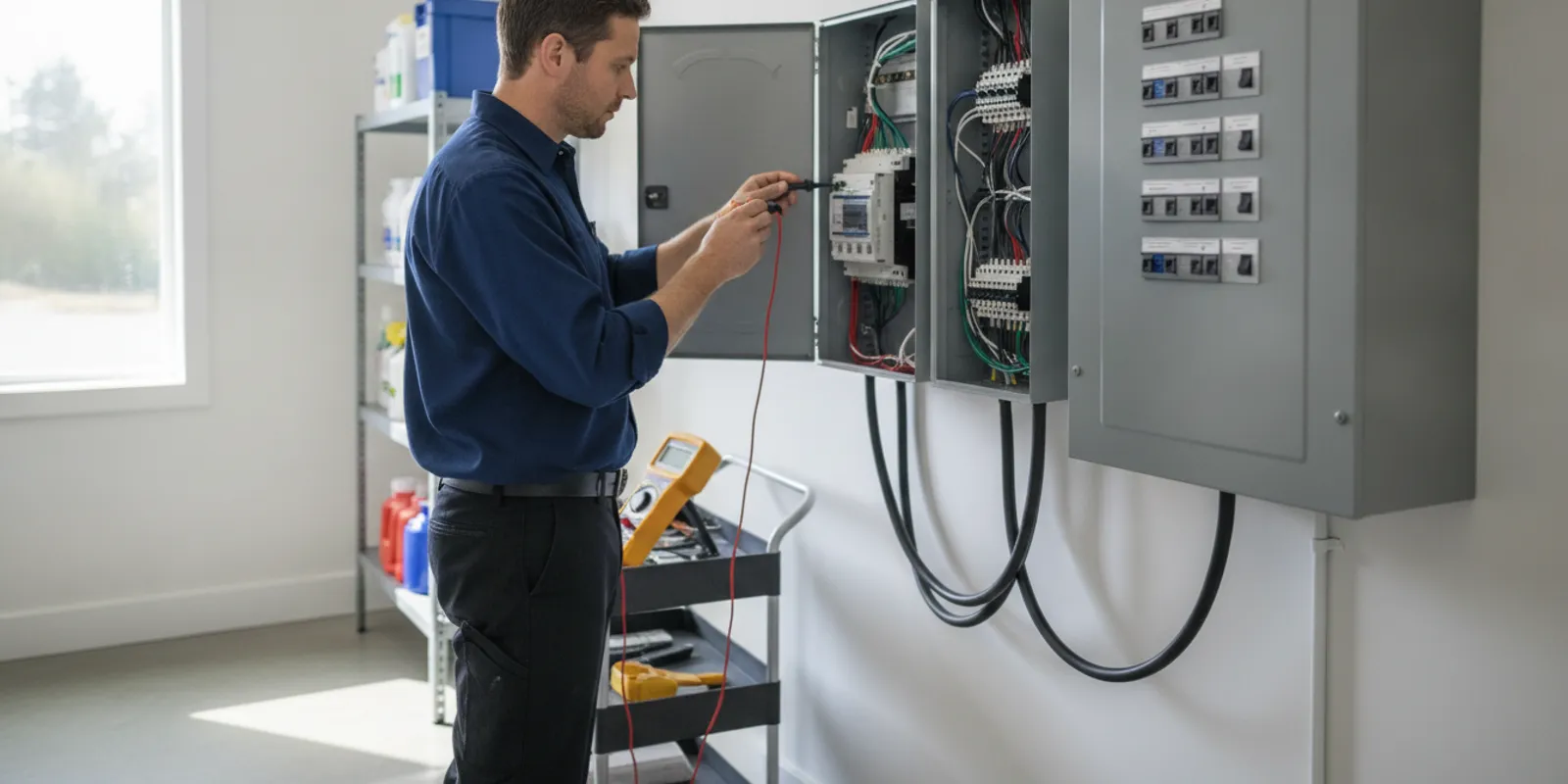
A manual transfer switch for generator use is one way to choose between utility power and generator power during an outage. The right setup depends on the generator, the circuits you want to run, and how the transfer equipment fits the home’s electrical system. This planning checklist explains the decisions to make before choosing equipment or requesting an installation estimate.
Discuss your backup-power plan
What does a manual transfer switch do?
A transfer switch changes the source of power feeding selected circuits or an electrical system. In a manual setup, a person operates the switch when utility power is unavailable and again when utility power returns. The switch is designed to prevent the generator and utility sources from feeding the same system at the same time. That separation is essential: connecting a generator without approved transfer equipment can create a serious shock and fire hazard, and can send power back onto utility lines.
Manual transfer equipment can be part of different generator arrangements. Some configurations serve a selected group of circuits; others are designed around a larger part of a building’s electrical system. The switch is not simply a convenient outlet or a device chosen by appearance. Its rating, configuration, location, and compatibility with the generator and electrical system all matter.
For a permanent, whole-home backup plan, the transfer equipment is one component in a larger design. The generator, fuel supply, site, electrical capacity, required controls, and local permitting all affect what is suitable. Pro Tech Power installs whole-home generators, including Kohler and Cummins models. The planning discussion should start with the desired backup outcome, then establish which equipment and operating approach fit it.
When might a manual arrangement fit?
A manual transfer arrangement may make sense when an owner is comfortable taking an active role during an outage and the design calls for a person to initiate the changeover. The owner needs to be present, know the operating sequence, and be able to reach the equipment safely. If the household is often empty, if no one can reliably operate the equipment, or if uninterrupted automatic response is a priority, those are important reasons to compare other transfer approaches.
Manual operation does not mean improvised operation. The equipment must be selected and installed for the intended electrical system. A homeowner should not make temporary connections to a panel, bypass a switch, or alter wiring to make a generator work. Ask a qualified electrical contractor to determine whether the proposed equipment is appropriate and to explain what the owner is expected to operate.
Think through likely outage conditions, too. Will someone be at home? Is the equipment reachable in poor weather? Can the designated operator read and follow the manufacturer’s instructions? Are there household members who may need power but cannot operate equipment themselves? A plan that is technically possible but difficult to use may not be the best plan for the people relying on it.
How does manual transfer compare with automatic transfer?
The main difference is who initiates the change between power sources. A manual switch requires a person to operate the equipment according to the written instructions. An automatic transfer arrangement uses compatible controls to detect a loss or return of utility power and perform the changeover as designed. Automatic equipment can reduce the need for someone to be present, but it must be matched to the generator and project requirements.
Neither label alone tells you which option is safer or better for every home. The appropriate design depends on the equipment, the circuits and loads involved, the owner’s expectations, the site, and applicable requirements. A whole-home system is not automatically a fit for every building, and a manual approach is not automatically a low-cost or simple installation. Compare complete project proposals rather than comparing only the switch name or a single equipment line.
| Planning point | Manual transfer arrangement | Automatic transfer arrangement |
|---|---|---|
| Who initiates changeover? | A person operates the equipment as directed. | Compatible controls initiate the changeover as designed. |
| What should the owner plan for? | Operator availability, access, clear instructions, and a safe operating sequence. | Equipment compatibility, control setup, testing, and the desired automatic response. |
| How are circuits selected? | By the project design and the switch configuration. | By the project design and the compatible transfer equipment. |
| What should a quote explain? | Ratings, included circuits or coverage, operation, permits, and installation scope. | Generator and control compatibility, coverage, operation, permits, and installation scope. |
| Is one always less costly? | No. Installed cost depends on equipment, wiring, site conditions, and project scope. | No. Installed cost depends on equipment, wiring, site conditions, and project scope. |
This comparison is a starting point, not an equipment specification. A contractor should explain the proposed arrangement for the actual property. For a broader overview of generator choices and project questions, review generator transfer planning alongside the household’s backup priorities.
Which circuits should the plan cover?
Begin by listing the functions that matter during an outage. This is more useful than starting with a switch model or a claim that the system will power everything. Common priorities may include refrigeration, selected lighting, communications, a well pump where applicable, and heating or cooling equipment if the generator and electrical design can support it. Which loads make sense depends on the home and its equipment; no generic list can establish capacity for a specific property.
Separate essential needs from items that would be convenient. For example, a household might first identify the refrigerator, a few lights, and communication equipment, then decide whether additional loads are important. Larger equipment can have starting demands that differ from its normal operating demand. A qualified estimator needs to account for the actual equipment and its requirements, rather than simply adding appliance labels or square footage.
Ask how the proposal defines coverage. Does it identify specific circuits, a panel or subpanel arrangement, or a broader scope? Does it explain any limits on simultaneous use? Will the owner need to manage loads manually? Clear answers help prevent different assumptions about what “whole-home” means. If desired operation depends on limiting which equipment runs together, get that explained in plain terms before approving the plan.
For background on matching backup capacity to household priorities, see the whole-house generator sizing guide. It can help you prepare questions, but a guide cannot determine the correct capacity or transfer configuration for your property.
What should you check before choosing equipment?
Generator compatibility
Confirm that the proposed transfer equipment is compatible with the selected generator and its controls. Ask the estimator to identify the equipment in the proposal and explain the relationship between the generator, transfer switch, and electrical system. If you are comparing models, base the comparison on the complete proposed installation, not just the generator’s advertised capacity.
Electrical system and available space
The existing panel, its condition, available spaces, wiring routes, and the proposed locations for the generator and transfer equipment can all affect the work. Existing installations vary. A site review may reveal that the project needs additional electrical work or a different arrangement than expected. Ask which parts of the proposal are confirmed and which may change after the equipment and wiring are examined more closely.
If a panel change is being considered, read what to know about an electrical panel upgrade. A generator project does not automatically require a panel upgrade; the need depends on the actual system and design. Ask for the reason if an upgrade appears in the estimate.
Fuel, location, and clearances
The generator’s fuel arrangement and installation location belong in the same early conversation as transfer equipment. The planned location must work for the property and the equipment’s installation requirements. The fuel source and required connections must also fit the selected generator. Ask who is responsible for each part of the work and what the proposal includes; do not assume that every quote covers the same site preparation or connections.
For a separate review of siting considerations, see the Oregon generator placement guide. For fuel-planning questions, the generator fuel options overview provides another useful starting point. The final plan still needs to reflect the particular property and equipment.
Permits and local requirements
Ask what approvals and inspections apply to the project, who will coordinate them, and whether those steps appear in the estimate. Requirements can depend on the work and jurisdiction. Oregon’s Building Codes Division provides statewide building-code information; consult its official website for current information, and ask the contractor how the applicable requirements affect your project. Do not treat an online checklist as a substitute for a project-specific code review.
What should a written estimate explain?
A useful estimate should give you enough detail to understand what will be installed and how the proposed arrangement meets your stated priorities. Before you compare totals, check whether each proposal describes a similar scope. A lower number may reflect different equipment, fewer circuits, different site work, or exclusions rather than a more efficient version of the same project.
- Generator and transfer equipment: Identify the proposed make and model, the transfer equipment, and how the components work together.
- Coverage: State which circuits or portions of the electrical system are included and explain any operating limits.
- Installation work: Describe wiring, equipment locations, connections, and any panel changes included in the quoted scope.
- Site preparation: Clarify the planned location, required preparation, fuel connections, and which tasks are included or excluded.
- Permits and inspection: Explain what approvals are expected and who coordinates the relevant steps.
- Operation and handoff: State how the owner will learn the approved operating procedure and which manufacturer documents will be provided.
- Assumptions and exclusions: Call out unresolved site conditions, work by others, and items that may change the total.
Request clarification in writing if a proposal uses broad language such as “backup power included” without explaining the actual coverage. Ask how the owner will know when to operate a manual switch, which steps are part of the approved procedure, and what to do when utility power returns. The installer should point you to the manufacturer’s instructions and explain the project’s specific operating plan. Do not rely on an informal verbal summary for safety-critical steps.
What questions should you ask before approving a plan?
- What will this system power? Ask for a clear description of the included circuits or coverage, plus any limits on loads that can run at the same time.
- Why is this transfer approach proposed? Ask how a manual arrangement fits the household’s outage needs and what would change with an automatic approach.
- Who needs to be present to operate it? Discuss whether someone will be available and able to follow the written instructions during an outage.
- What equipment is included? Have the estimator identify the generator and transfer equipment and explain compatibility.
- What is not included? Confirm any site work, fuel connections, panel changes, or other work excluded from the estimate.
- What approvals apply? Ask who coordinates permits and inspections and what the project schedule depends on.
- How will the system be handed over? Find out what written instructions and equipment documentation you will receive.
- What may change after a site review? Ask which conditions could alter scope, equipment, timing, or price.
Compare responses side by side. If one estimate is vague about coverage or operating responsibilities, ask for details before treating it as equivalent to a more specific proposal. A clear discussion helps you decide whether the plan fits the home and the people who will use it.
What does manual operation mean for the household?
A manual transfer switch changes the household’s role in an outage. Someone must recognize that utility power is unavailable, reach the equipment, and follow the approved procedure for the installed system. That person should know where the manufacturer’s instructions are kept and understand which parts of the process are theirs to perform. A quote should not leave the owner guessing about which control to use or when the system is ready for a changeover.
Plan for the realities of the home, not just an ideal day. A storm can bring darkness, rain, cold, or limited access to the area where the equipment is installed. The person expected to operate the switch may be away, ill, or unfamiliar with the system. Consider who else could be shown the written procedure and whether the equipment is accessible without moving stored items or entering an unsafe area. These details help determine if manual operation will be practical for your household.
Discuss how the system behaves during both sides of an outage: when utility power is lost and when it becomes available again. Ask the installer to explain the approved sequence for the particular equipment and to direct you to the manufacturer’s documentation. The exact actions depend on the installed design, so a general online explanation should not be used as operating instructions. Keep the project-specific guidance where household members can find it.
It is also useful to agree on what the system is intended to accomplish. Some owners prioritize a handful of essential loads; others want a broader set of household functions. Your preferred coverage affects equipment selection and cost, but it may also affect how much attention the owner needs to give to which loads run together. Ask whether the proposed setup calls for any load management and how that responsibility will be explained during the handoff.
- Identify who may operate the equipment and who should receive the written instructions.
- Ask how the manual control is labeled and where its instructions will be stored.
- Discuss access during poor weather and any household mobility or availability concerns.
- Confirm how the proposed coverage relates to the loads you named.
- Ask who to contact with questions about the installed equipment after the project is complete.
These are planning questions, not a do-it-yourself checklist. Keep hands away from electrical panels and do not improvise a connection. If the proposed arrangement or its operating sequence is unclear, pause and request an explanation from the contractor before approving the work.
How do Kohler and Cummins options fit the discussion?
Pro Tech Power sells and installs Kohler and Cummins whole-home generators. A brand name alone does not settle the transfer-switch question. The proposed generator model, controls, project design, desired coverage, and installation conditions must be considered together. Ask the estimator to show how the selected transfer equipment is suited to the specific generator and intended operation.
If you are weighing those two generator lines, the Kohler and Cummins comparison can help you organize questions about the overall backup plan. Use the comparison as preparation for a project conversation, not as a substitute for a site-specific recommendation.
How can you prepare for a planning conversation?
Bring a short list of what you want to keep running and what matters most during an outage. Note whether anyone is usually home, whether a household member depends on powered equipment, and whether there are specific comfort or work needs to consider. If you have information about major appliances or the existing panel, make it available, but do not open electrical equipment or attempt to test circuits yourself.
Also note what you know about the property: the likely generator location, possible fuel arrangements, access constraints, and any planned remodel or electrical changes. A contractor can verify what matters during an assessment. Photos taken from a safe distance may help describe access or the general area, but they do not replace an on-site evaluation or equipment review.
Pro Tech Power is an electrical contractor serving residential and commercial customers across the region. Its whole-home generator installation information and project portfolio offer context on the company’s broader electrical and generator work. When you are ready, use the contact page to discuss project details and request a quote.
How can you compare two generator proposals fairly?
Put the proposals beside each other and compare the same questions in the same order. First, check that both describe the same goal: for example, selected essential circuits or a wider portion of the home. Next, compare the generator and transfer equipment, the stated coverage, site work, fuel-related scope, permits, and owner instructions. If one proposal leaves an item unspecified, mark it as a question rather than assuming that it is included.
Imagine that one quote lists a generator and a transfer switch but does not say which circuits are included. A second quote identifies the coverage, explains the changeover approach, and lists work at the installation location. The second proposal may be easier to evaluate even if its total is higher, because the scope is more visible. Ask the first contractor to clarify those same details before drawing a conclusion about price.
Another comparison issue is what happens when the site review identifies work not apparent at the first conversation. One estimate may state assumptions about the existing panel or wiring; another may not mention them. Ask each contractor which site conditions could change the scope and how any added work would be documented and approved. A clear process for handling changes helps you avoid surprises and compare like with like.
Use a simple worksheet with one line per item: generator model, transfer equipment, coverage, wiring, location preparation, fuel connections, approvals, owner handoff, exclusions, and assumptions. Record the answer or note that it needs clarification. This shifts the decision away from a single total and toward the details that determine whether the plan suits your household. If any proposal uses unfamiliar terminology, ask for a plain-language explanation before signing.
Frequently asked questions
Does a manual transfer switch power every circuit in a house?
Not necessarily. The circuits or portions of an electrical system covered depend on the design and equipment. Ask for the included coverage and any operating limits in writing rather than assuming that “whole-home” means every load can run at once.
Can I connect a generator to my panel without a transfer switch?
No. Do not connect a generator to a panel using improvised wiring or a homemade arrangement. Properly selected transfer equipment is essential to isolate power sources and reduce the risk of backfeed, shock, fire, and harm to utility workers. Have a qualified electrical contractor evaluate the installation.
Is a manual transfer switch a fit for a whole-home generator?
It depends on the generator, controls, electrical design, and how the household expects the system to operate. A person must follow the approved operating procedure for a manual arrangement. Ask an estimator to compare suitable transfer approaches for the specific generator plan.
Does choosing manual equipment guarantee a lower project cost?
No. The installed total depends on equipment, electrical work, site conditions, fuel arrangements, permitting, and project scope. Compare complete estimates with the same coverage and clearly stated inclusions instead of assuming one switch type will always cost less.
What is the safest first step?
Write down the loads you want to support, your expectations for manual or automatic operation, and questions about the property. Then have a qualified contractor review the generator and transfer plan. Do not attempt panel wiring or operate equipment outside the manufacturer’s instructions.
Plan the transfer equipment as part of the whole system
A manual transfer switch is not a stand-alone answer to backup power. The best planning conversation connects the transfer method to the generator, the circuits you want to support, site and fuel conditions, approvals, and the people who may need to operate the equipment. With those details clearly defined, you can compare proposals on scope and suitability rather than on the switch label alone.
Request a generator project quote
Make the equipment decision with a project-specific review and clear operating instructions before an outage occurs.