
Generators
Kohler vs Cummins whole house generator: Oregon Guide
Pro Tech Power Corp
· 17 Min Read

An Oregon outage exposes poor generator sizing faster than differences between premium brands. A Kohler vs Cummins whole house generator comparison matters, but neither brand can overcome a system designed around guesswork.
Request a whole-home generator installation quote from Pro Tech Power Corp.
Kohler vs Cummins whole house generator decisions should start with the home’s measured electrical load, not a blanket winner for dependable backup power. Both are premium, reliable choices, but the right model depends on required capacity, fuel supply, outage priorities, available placement, controls, and installation details during outages. A professional load calculation identifies which circuits must stay powered and how much starting demand major equipment creates during an outage. That result guides capacity, fuel planning, transfer equipment, and whether an air-cooled or liquid-cooled model fits the property and site conditions. Only then should homeowners compare model-specific engine design, noise, weather options, controls, warranty terms, placement needs, and professional installation quality.
The useful question is not which badge wins, but which properly sized model fits your Oregon home and installation site. Kohler vs Cummins whole house generator at a glance lays out the practical differences before we examine sizing, fuel, controls, and placement. Here’s how.
Kohler vs Cummins whole house generator at a glance
A Kohler vs Cummins whole house generator choice does not have one winner for every home. Both brands offer sound options, but the right fit depends on the home’s electrical load, fuel supply, site, and backup goals.
Start with the power the household needs during an outage. Then compare models that can meet that load under the conditions at the property. Brand names matter, but a sound design and safe installation matter just as much.
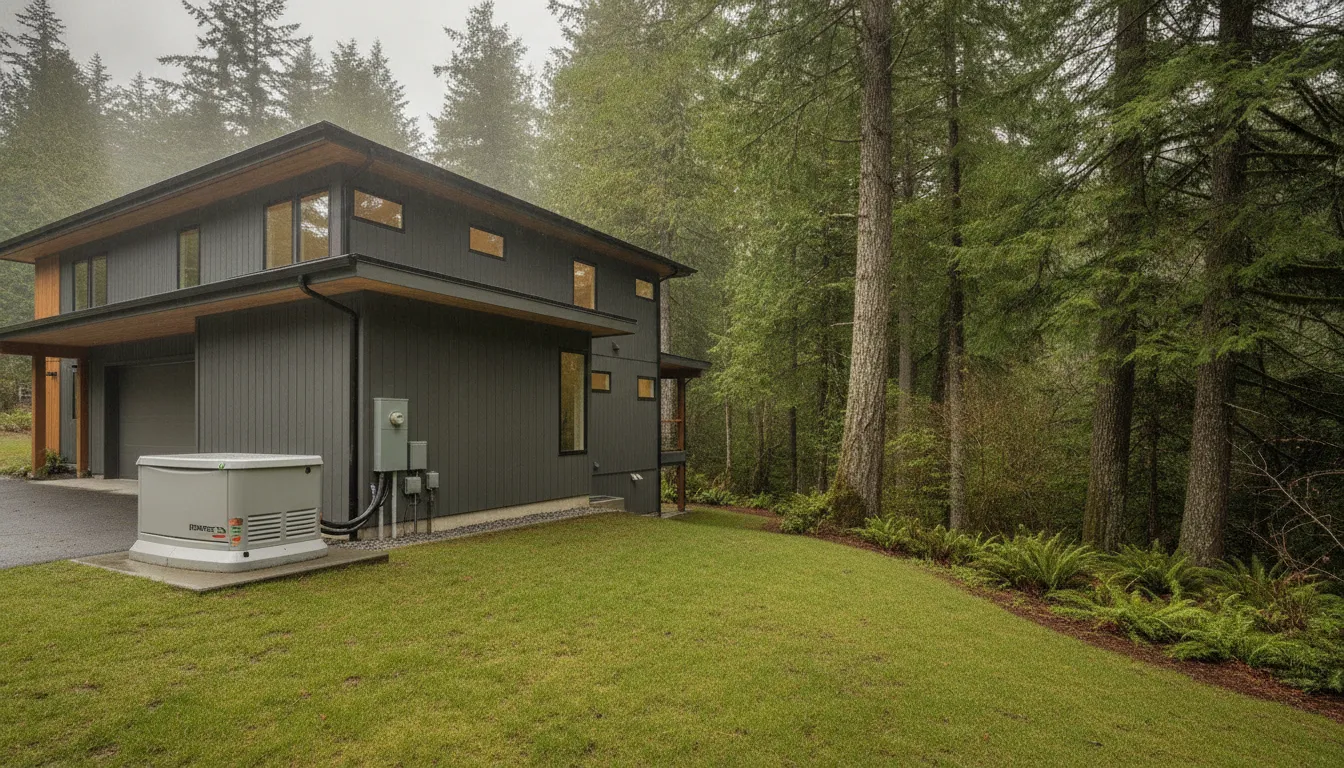
Side-by-side planning guide
This table shows the main points to compare before selecting a model. Product lines change, so confirm each detail for the exact unit, transfer equipment, and control package in the proposed design.
| Comparison point | Kohler | Cummins |
|---|---|---|
| General fit | Compare when residential load needs and site conditions match an available model. | Compare when residential load needs and site conditions match an available model. |
| Common fuel choices | Verify natural gas or propane compatibility for the exact model. | Verify natural gas or propane compatibility for the exact model. |
| Controls | Check transfer switch compatibility, alerts, and remote monitoring options. | Check transfer switch compatibility, alerts, and remote monitoring options. |
| Sizing range | Match available output to the measured starting and running loads. | Match available output to the measured starting and running loads. |
| Questions to verify | Confirm enclosure, placement limits, fuel demand, controls, and local support. | Confirm enclosure, placement limits, fuel demand, controls, and local support. |
Fuel and load come first
Fuel choice can affect placement, piping, and the overall installation plan. If a project uses stored fuel, the system may also face rules for spill prevention and corrosion protection. The EPA outlines federal requirements for emergency generator underground tanks, though local rules may add other steps.
Generator size should follow a load review, not a quick guess based on home size. Large motors and heating equipment can draw more power when they start. A contractor should also confirm which circuits need backup and whether load controls are part of the plan.
Details to verify before choosing
Ask for a written comparison of the exact Kohler and Cummins models under review. It should cover rated output on the planned fuel, transfer equipment, control features, enclosure details, sound data, and site needs. Those facts give a fairer comparison than broad claims about either brand.
The proposal should also explain permits, fuel work, electrical work, and startup testing. Reviewing questions to ask generator installers can help homeowners compare the full plan, not just the equipment label.
Price is useful only when the scope is clear. Site access, electrical changes, fuel work, and permit needs can shift the total. Compare the same scope and review relevant backup generator installation cost factors before weighing bids.
How should an Oregon home be sized for backup power?
A Kohler vs Cummins whole house generator decision should begin with the home, not the badge on the enclosure. The right size depends on what must run during an outage and which loads may wait. A careful load calculation turns those choices into a clear backup-power plan.
Outage priorities
First, list the circuits that protect safety, comfort, food, and daily routines. For many Oregon homes, that list includes heating equipment, refrigeration, well pumps, lighting, internet equipment, and selected outlets. Then separate essential loads from optional loads, such as large kitchen appliances or extra heating zones.
Essential-circuit backup serves a focused set of loads and can limit how much power the system must supply. Broader backup supports more of the home, but it requires a fuller review of likely use during an outage. Homeowners should also review backup generator installation cost factors because the chosen backup scope affects more than the generator itself.
Think through different outage conditions, too. A short summer outage may call for a different load mix than a long winter interruption. The goal is not to run everything by default. It is to decide what should remain available when utility power is down.
Starting loads and load management
A load calculation must consider more than the power equipment uses after it is running. Motors in pumps, compressors, and heating systems can draw extra power when they start. If several start together, the generator must handle that brief demand without losing stable power.
Load management can keep selected high-demand equipment from running at the same time. This approach may support broader coverage without planning for every appliance to operate at once. It also makes outage priorities clear, so the system protects the circuits that matter first.
An installer should confirm which loads can cycle, which must stay on, and which may be locked out. This matters when two large loads could request power at nearly the same moment. The plan should be easy for the homeowner to understand.
Future plans and installer evaluation
Sizing should reflect planned electrical changes, not only today’s panel. Tell the installer about a future heat pump, remodel, shop equipment, or other added load. That discussion helps avoid a backup plan that no longer fits after the next project.
Brand selection comes after this work. Once the needed capacity and control plan are clear, Kohler and Cummins options can be compared on features that fit the site. Without that groundwork, a brand comparison can point toward a unit that does not match the household.
A strong installer evaluation should document the load calculation, transfer approach, fuel plan, placement, and load-management choices. Site and fuel planning matter because stationary engines are subject to EPA emissions rules. Use these questions to ask generator installers when comparing how contractors study the home before recommending Kohler or Cummins.
How do fuel options affect the decision?
Fuel choice can narrow the Kohler vs Cummins whole house generator decision before model features do. Start with what is available at the property, then compare models approved for that fuel. Natural gas and propane can change generator output, site work, and outage planning.
Natural gas connection and capacity
A home with natural gas may support a direct fuel connection, but an existing meter does not confirm enough capacity. The installer must review the generator load with the other gas appliances. The utility may also need to confirm the service and meter can support the planned demand.
Natural gas avoids an on-site fuel tank and scheduled deliveries. Still, runtime depends on continued utility supply during an outage. Homeowners should ask how that assumption fits the outages they want to prepare for.
Propane storage and delivery planning
Propane may suit homes without a natural gas connection. It requires space for a tank, a practical delivery route, and a clear refill plan. Tank placement and fuel piping can also affect site design, permits, and the total project scope.
Runtime estimates should use the selected generator’s fuel-use data and the usable tank supply. They should also reflect the loads the home plans to run. These items belong among the backup generator installation cost factors reviewed before choosing a unit.
Tank type matters too. If underground fuel storage is part of a project, the planning team should check all rules that apply. The EPA outlines federal requirements for certain underground generator fuel systems, including installation and spill prevention topics. Local requirements and the actual tank setup still guide the final plan.
Fuel-specific output and coordination
A generator model may not deliver the same rated output on natural gas and propane. Compare the manufacturer’s rating for the exact model, fuel, and voltage. Do not assume two units with similar names will support the same home loads.
Fuel choice also shapes who must coordinate the work. The process may involve the electrical installer, gas utility, propane supplier, and local permitting office. Before selecting Kohler or Cummins, include fuel capacity, placement, and inspection needs in the questions to ask generator installers.
The right comparison is site-specific. Confirm the available fuel first, then size the unit from its fuel-specific rating and the home’s planned backup loads.
Request an installation quote to compare properly sized Kohler and Cummins options for your home.
What should you compare in controls and outage operation?
Compare the exact controller and transfer switch paired with each proposed generator. Review outage detection, startup, load transfer, return to utility power, alerts, exercise scheduling, and operation without internet access. Model-level details matter more than broad brand claims because controls and available features vary across Kohler and Cummins product lines.
Transfer behavior during an outage
Controls shape what happens between a utility outage and the return of stable backup power. When comparing Kohler vs Cummins whole house generator models, ask how each matched transfer switch senses an outage. Also confirm how it starts the unit, moves the load, and transfers back after utility power returns.
A good comparison uses the exact generator, controller, and transfer switch proposed for your home. Ask the installer to explain delays, warm-up time, cool-down time, and what happens if utility power briefly returns. These details help you judge the full system rather than the generator alone.
Transfer switch design should also match the circuits the generator will support. Some projects back up a chosen group of circuits, while others plan for broader home loads. Ask how the controls manage demand when several large appliances call for power at once.
Monitoring, alerts, and exercise schedules
Remote monitoring can show generator status and send alerts when the system detects a fault. Compare which alerts are available, who receives them, and whether the homeowner can change exercise schedules. Check whether remote access needs Wi-Fi, cellular service, a paid plan, or a separate device.
Internet-based tools are useful, but they should not be mistaken for the local controls that run the generator during an outage. Ask what the system can still do if your internet connection fails. Generator controls also support safe operation, while the EPA regulates emissions from stationary engines used for backup power.
Exercise scheduling lets the unit run a planned self-check. Compare how often it runs, whether the schedule is easy to change, and how faults are reported. A useful alert should tell you that attention is needed without making you guess where to look.
Questions for a model-level comparison
Do not assume every controller from one brand works the same way. Features can vary by model, transfer switch, and selected add-ons. Use these questions to compare written proposals:
- How does the automatic transfer sequence work from outage detection through return to utility power?
- Which faults trigger alerts, and can alerts reach more than one person?
- Can exercise timing be changed, and what happens if an exercise cycle finds a fault?
- Which features stop working without internet or cellular access?
- Can the installer show the controller and transfer switch before installation?
Clear answers reveal how the system will behave when power is out. They also show whether the proposed controls fit your household and comfort level. Add these points to your broader list of questions to ask generator installers before choosing a system.
What site considerations shape generator installation?
Before choosing between Kohler and Cummins, review whole house generator placement so the preferred brand is matched with a realistic pad location, clear access, sound considerations, transfer-switch routing, and fuel coordination.
The right location depends on much more than where a Kohler or Cummins unit will fit. An installer must plan for safety, local approval, fuel delivery, electrical work, and long-term access. These needs can also affect which model and enclosure suit the property.
Site review before model selection
Start with a full site review before settling the Kohler vs Cummins whole house generator question. The review should map the home, utility equipment, windows, doors, outdoor living areas, and nearby property lines. It should also note slopes, wet areas, and routes for new electrical and fuel lines.
Exhaust direction needs careful thought because engine emissions can affect health. The EPA explains the health risks tied to stationary engine pollutants. The planned location should also limit sound near bedrooms and shared outdoor spaces.
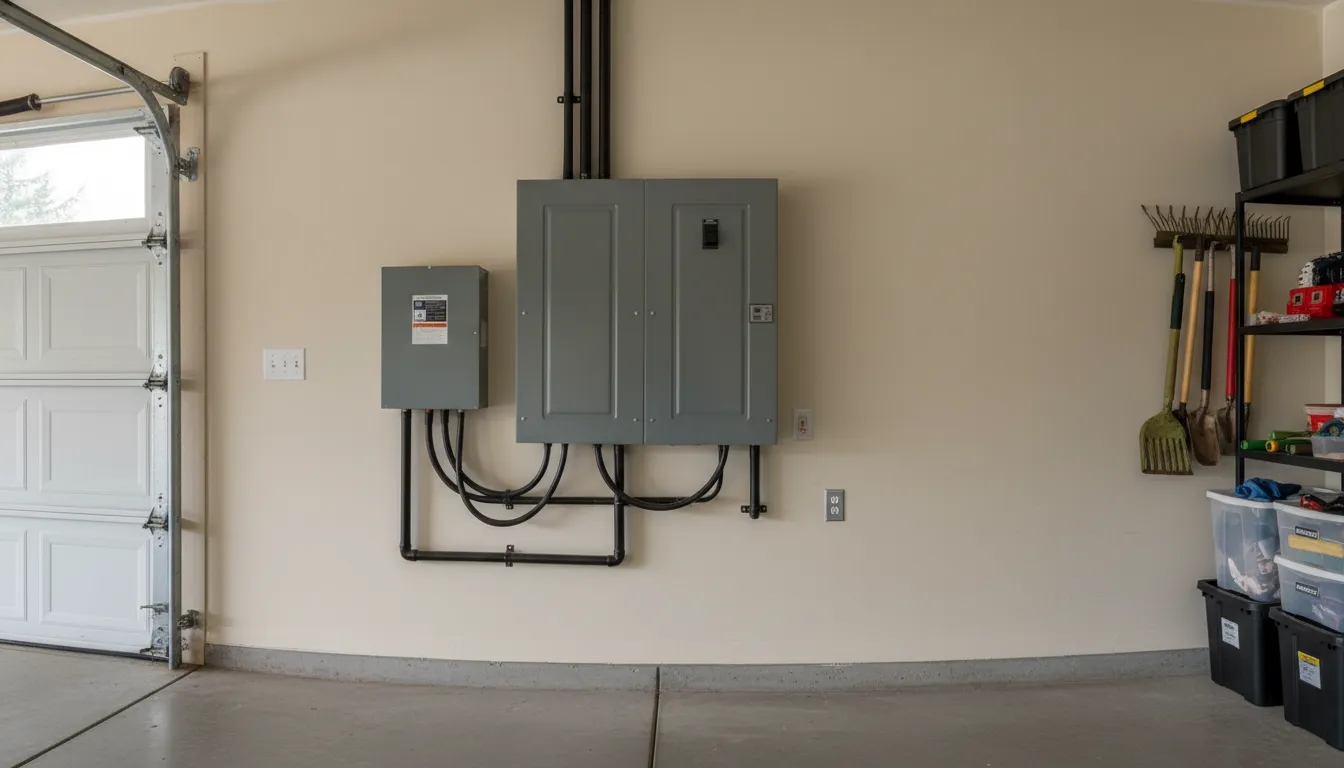
Installation planning steps
Oregon properties differ in grade, access, utilities, and local review needs. A sound plan brings those details together before equipment arrives. Use this sequence to reduce late changes and keep each trade aligned:
- Confirm the proposed location, required clearances, exhaust path, and local code approval needs. Compare each model’s dimensions and enclosure layout against the usable space.
- Check grade and drainage around the location. Plan a stable concrete pad when the chosen unit or site calls for one, and review seismic needs where applicable.
- Map a clear delivery route and future access around the unit. Gates, fences, plants, and narrow side yards can change the practical placement.
- Plan the transfer switch location and electrical path to the main panel. Confirm which household loads the system will carry before final equipment selection.
- Coordinate the natural gas or propane route with the fuel provider and installer. The plan must account for the selected generator’s fuel needs.
- Confirm permit scope, inspections, and utility coordination before work begins. Keep approved plans aligned with the final generator, pad, transfer switch, and fuel route.
Costs and contractor coordination
Placement choices can change trenching, conduit runs, fuel work, pad needs, and site preparation. Those items are among the backup generator installation cost factors worth reviewing before the project is set. A compact route is not always the best route if it limits safe access or approval.
Pro Tech Power Corp installs Kohler and Cummins generators and helps coordinate the electrical plan. Ask who will handle permits, fuel coordination, inspections, and final testing. These are useful questions to ask generator installers before choosing a unit or approving its location.
Which warranty questions should homeowners ask?
A Kohler vs Cummins whole house generator review should compare the warranty for each quoted model, not just the brand name. Ask for the complete warranty document before choosing a unit. Then compare the terms beside the installer’s written proposal, since the two documents may assign different duties.
Coverage term and covered work
Start by asking when coverage begins and whether registration is required. Confirm whether the term changes for parts, labor, travel, and dealer diagnosis. A long parts term can still leave an owner paying for labor or a service call. Do not rely on a summary page or spoken promise.
Ask which party approves a claim and who completes covered work. Also ask whether the installer handles claim paperwork or whether the homeowner must contact the maker. The answers belong in writing. These are useful questions to ask generator installers before signing an installation agreement.
Registration, exclusions, and transfer
Read the exclusions section line by line. Ask how missed inspections, unapproved parts, fuel quality, site conditions, or improper installation could affect a claim. Stationary engines are subject to EPA emissions standards, so ask whether emissions-related parts have separate terms. The warranty document should provide the controlling answer for the quoted model.
Confirm the registration deadline, required proof of purchase, and records the owner must keep. Ask whether registration is completed by the dealer or homeowner. If the home is sold, find out whether coverage transfers and what forms or fees apply. Never assume transfer rules are the same across Kohler and Cummins models.
Dealer support after installation
A warranty is easier to use when the support path is clear. Ask who answers the first call, how a fault is diagnosed, and how claim status updates are shared. Also confirm whether another authorized dealer can help if the original installer is unavailable.
Request written answers for any promise that affects ownership cost or claim access. The final proposal should name the exact generator model, covered installation work, warranty documents, and registration duties. It should also separate warranty coverage from possible backup generator installation cost factors. This gives homeowners a clean, fair basis for comparing the two quoted options.
How do you choose between Kohler and Cummins?
A Kohler vs Cummins whole house generator decision should begin with the home, not the brand name. Both makers offer strong options, but the right model must fit the electrical load, fuel supply, site, and homeowner priorities. Pro Tech Power Corp is a dealer and installer for both Kohler and Cummins, so its recommendation can stay focused on fit.
Start with the load and fuel
First, decide what the generator must power during an outage. Some homeowners want only core loads, such as refrigeration, heat, lights, and a well pump. Others want broader coverage that includes air conditioning, cooking equipment, or other large loads. The load plan shapes the needed generator capacity and transfer equipment.
Next, confirm which fuel is practical at the property. An existing natural gas connection may simplify one plan, while a propane tank may suit another site. Fuel choice also affects placement and project scope. The EPA regulates emissions from stationary internal combustion engines, which makes sound equipment selection and installation planning important.
Compare the site and controls
A model that looks right on paper still needs to work at the home. The installer should review the proposed location, access, nearby openings, fuel routing, electrical routing, and space for the transfer equipment. Noise expectations and enclosure details may also guide the choice because these features vary by model.
Homeowners should also compare how each shortlisted system starts, transfers power, reports status, and supports routine checks. Controls should feel clear to the people who will use them. Before accepting a recommendation, review these questions to ask generator installers and confirm why the proposed unit fits the property.
Review the complete quote
Do not compare equipment prices alone. Ask each quote to show the selected generator, transfer equipment, electrical work, fuel work, pad, permits, delivery, and startup scope. This makes differences easier to see. It also reduces the risk of comparing plans that include different work.
Homeowner preferences can break a close tie. One household may value simple controls, while another may care more about enclosure materials, placement, or the planned load mix. Reviewing the full backup generator installation cost factors helps keep those preferences tied to the real project scope.
A fit-led recommendation should explain the tradeoffs in plain language. It should show why a specific Kohler or Cummins model matches the load, fuel, site, controls, and complete installation plan. That process gives the homeowner a clear basis for choosing between two capable brands.
Frequently Asked Questions
Are Cummins generators better than Kohler for cold weather?
Cummins can have an advantage in very cold conditions, but the right setup depends on the specific model and installation site. According to Cummins, some standby generators operate down to 0 degrees Fahrenheit as equipped and can use kits for colder conditions. Kohler models may also use cold-weather accessories. An installer should confirm each model’s temperature rating for the Oregon property.
Does Kohler or Cummins require less routine upkeep?
Upkeep needs depend on the exact model, engine design, operating hours, and manufacturer schedule. Some Kohler residential air-cooled engines use hydraulic valve lifters, which can eliminate manual valve adjustments. Cummins models may have different inspection and adjustment requirements. Homeowners should compare the manuals for shortlisted units and confirm which qualified providers are available locally before choosing either brand.
How quiet are Kohler versus Cummins generators?
Both Kohler and Cummins use sound-attenuating enclosures, but noise output varies by model, load, placement, and surrounding surfaces. A larger or harder-working unit may sound different from a smaller unit under a light load. Compare manufacturer sound ratings under similar test conditions. The installation plan should also account for required clearances, nearby windows, bedrooms, property lines, and local rules.
Which brand is more reliable: Kohler or Cummins?
Both Kohler and Cummins are established premium generator brands, and neither is automatically more reliable for every Oregon home. Reliability depends on correct load sizing, suitable fuel supply, proper installation, routine upkeep, and access to qualified support. Compare the specific models rather than relying only on brand reputation. The better choice is the unit that fits the home’s electrical loads and site conditions.
Ready to Plan Your Whole-Home Generator?
Planning before the next outage gives you time to make a sound decision. You can compare Kohler and Cummins options, confirm the right load size, and coordinate each installation step carefully. Starting early also creates room to review your site, fuel choices, backup priorities, and budget without pressure.
A thoughtful choice today can reduce last-minute uncertainty and give your Oregon household a clear path toward dependable backup power. Ready to take the next step with a plan built around your home? Request a generator installation quote to discuss your priorities and begin planning a properly sized whole-home generator installation.