Agricultural Building Electrician Oregon Planning Guide
Barn wiring decisions made before construction determine how safely the building works. Plan too narrowly, and every added motor, heater, or tool becomes a costly constraint.
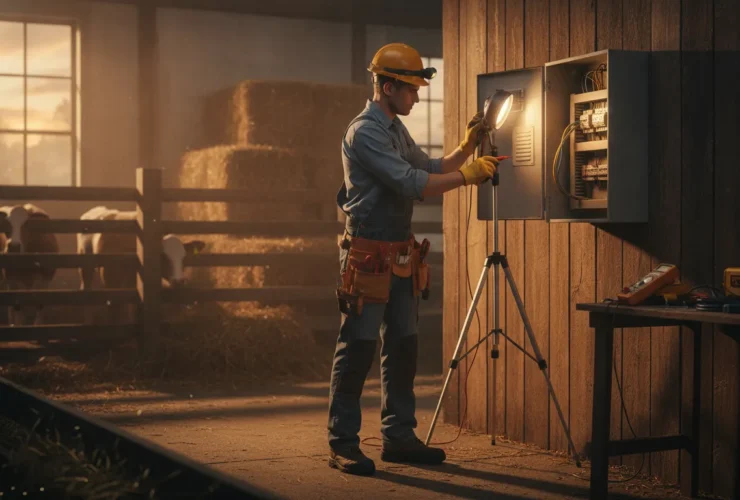
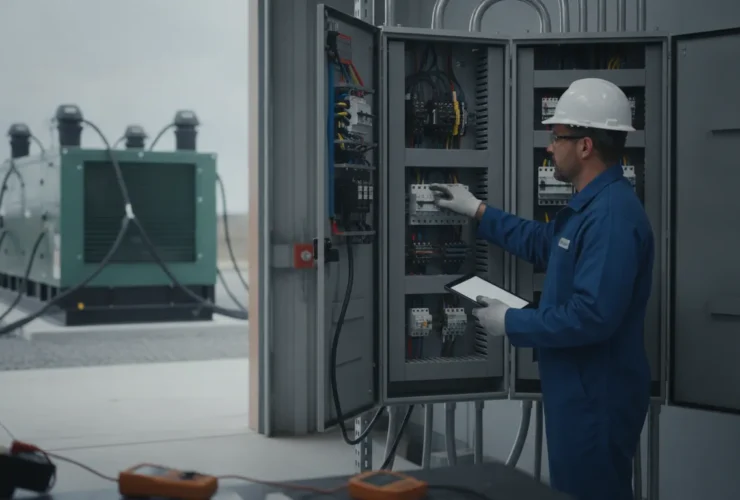
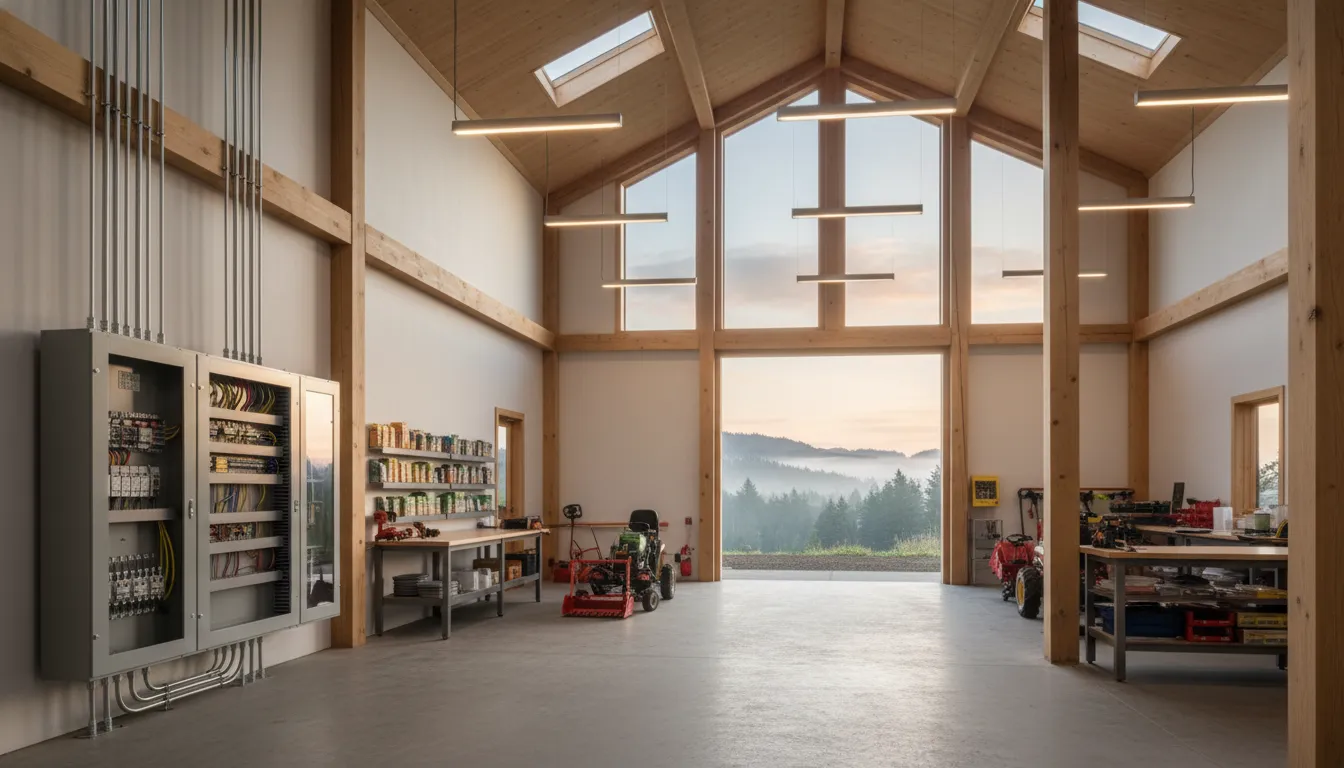
An agricultural building electrician Oregon farm owners hire should plan power around the structure’s use, equipment loads, harsh conditions, and future growth. That means sizing service and panels for motors, pumps, lighting, ventilation, heaters, tools, and planned additions, then placing circuits and controls where work happens. The plan should also reserve capacity and practical routes for future equipment, because retrofits often interrupt operations and cost more than planned installation. For livestock areas, grounding and bonding choices need careful review; Oregon’s 2023 OESC Article 547 guidance addresses agricultural buildings and livestock-accessible metallic equipment. Early design-build coordination aligns load calculations, permits, safe installation, and daily workflow before walls close or major equipment arrives.
The central question is not simply how much power the building needs today, but what people, animals, and equipment will demand throughout its working life. The next step is simple: Start with the building’s purpose and electrical loads, then turn those needs into a clear plan. Here’s how.
Agricultural Building Electrician Oregon: Start with the building’s purpose and electrical loads
A sound electrical plan begins with how the building will work each day. A livestock barn, crop building, and repair shop place different demands on the system. Owners and contractors should list present loads before selecting panels, circuits, or service size. They should also note equipment that may be added later.
Current and future load inventory
Start with every fixed and portable load expected in each work area. Record motors, pumps, fans, heaters, lighting, receptacles, tools, and control systems. Include equipment labels, voltage, phase, and rated current when that information is available. This gives the designer a clear base for circuit planning.
- List each building area and its planned use.
- Record equipment that runs daily, seasonally, or only during an outage.
- Note large motor loads and how often they start.
- Mark damp, dusty, livestock, washdown, and outdoor locations.
- Identify likely additions, such as a larger pump, welder, heater, or new production line.
Conditions matter as much as equipment. Damp and dusty farm settings can raise electrical hazards, according to the University of Missouri Extension. Showing these areas on the first plan helps the electrical team choose suitable equipment and routes.
Simultaneous demand and service size
A simple equipment total does not show the full operating picture. The designer also needs to know which loads can run at the same time. For example, morning work may require pumps, ventilation, lighting, heat, and shop tools together. Motor starts can also create short periods of high demand.
Walk through a normal day, a peak season, and a likely future workday. Note when each major load starts, stops, or overlaps with another load. This demand schedule helps the contractor plan service size, panel capacity, feeder paths, and room for growth. It can also expose equipment that should not share a circuit.
Early load planning supports better choices during commercial electrical project design. It reduces late changes when walls, equipment pads, or utility connections are already in place.
A design-ready record
Keep the load inventory in one working document that the owner, builder, equipment vendors, and electrician can review. Attach equipment data sheets and mark each load on a floor plan. Record assumptions when final equipment has not yet been selected. Clear notes make later updates easier to price and design.
- Equipment name, purpose, location, and power details
- Normal run time, start pattern, and expected load overlap
- Present equipment plus planned future additions
- Floor plans, vendor sheets, utility details, and open questions
An agricultural building electrician in Oregon can use this record to shape the design around real operations. The plan should also account for applicable rules. The 2023 Oregon Electrical Specialty Code Article 547 guidance addresses agricultural buildings, so building use and site conditions need clear documentation.
Plan equipment circuits around the way the farm works
A useful electrical plan starts with the work, not a generic outlet count. Map where people repair equipment, handle feed, store tools, and move vehicles. Then list the equipment used in each area, including its voltage and nameplate details. This gives an agricultural building electrician in Oregon a clear basis for circuit and power distribution decisions.
Circuits matched to daily work
Dedicated circuits can keep major equipment from sharing power with lights, convenience outlets, or other loads. The plan should show which machines may run at the same time. It should also allow for likely changes, such as a new workbench or a larger piece of equipment.
Placement matters as much as capacity. Outlets and connection points should support the normal path of work without blocking doors, storage, or vehicle lanes. Pro Tech Power Corp brings commercial electrical project expertise to planning for shops, barns, and other working buildings.
Voltage and motor load planning
Give the electrician a complete equipment list before design begins. Include welders, compressors, pumps, ventilation fans, heaters, and other fixed or portable equipment. For each item, note its location, voltage, phase, and nameplate rating. The electrician can then assess running loads, motor starting loads, circuit needs, and panel capacity.
Also explain which loads are essential and which can wait during peak work. That context helps the design team plan distribution around real use rather than rough guesses. Oregon’s 2023 Electrical Specialty Code guidance for agricultural buildings points to Article 547 for this type of site.
Accessible controls and future changes
Disconnects, panels, and controls should be easy for authorized workers to reach without crossing active equipment paths. Their placement must also account for dust, damp areas, livestock, stored materials, and possible impact. Farm workers often use electrical equipment in damp and dusty places. University of Missouri Extension farm safety guidance notes these added hazards.
A walkthrough with the electrical contractor can reveal conflicts that drawings may miss. Discuss door swings, wash areas, equipment clearances, material flow, and plans for later expansion. The design team and qualified electricians should set the final locations and wiring methods. Building users should not make field changes.
What makes agricultural building lighting practical?
Practical lighting starts with the work, movement, and conditions inside each building. Barns and farm shops can be damp or dusty, which can add electrical risk. The University of Missouri farm electrical safety guidance notes that farm workers often use electrical equipment in these settings.
Light matched to the task
A good plan separates detailed work areas from general travel areas. Benches, repair bays, wash zones, and animal care areas need focused light. Aisles and doorways need broad, even coverage so people can see obstacles, equipment, and changes in floor level.
Fixture placement matters as much as output. A bright fixture behind a worker can cast a shadow across the task. Poorly aimed lights can also create glare near doors or shiny equipment. Planning fixture locations around actual work positions helps limit both problems.
- Place task lights above and slightly ahead of work areas.
- Keep aisle lighting even from end to end.
- Aim exterior lights toward gates, doors, and loading points.
- Protect fixtures from likely contact with tools or equipment.
Useful color and clear visibility
Color quality affects how clearly workers can see labels, wire colors, fluids, and surface details. The right light should make those items easy to tell apart. Light color should also stay consistent across one work zone, since sharp changes can make visual checks harder.
Exterior lighting needs a narrow purpose. It should show the path between a vehicle, gate, and building entrance without creating harsh glare. Careful aiming also keeps more light on the property and less light in nearby windows or open land.
Simple controls and efficient operation
Controls should reflect how often each area is used. Separate switches let workers light one bay, aisle, or exterior zone without lighting the full building. Timers or sensors may suit storage rooms and short-use areas, while manual controls often fit active work zones.
Efficiency also depends on fixture access and long-term upkeep. Fixtures placed over fixed equipment may be hard to reach safely. An experienced team with commercial electrical project expertise can plan lighting, controls, circuits, and access as one system.
- Group controls by task and work zone.
- Keep switches easy to find at normal entry points.
- Plan safe access for cleaning and lamp or fixture replacement.
Lighting plans must also fit the building’s wider electrical design. Oregon’s agricultural building guidance points to 2023 Oregon Electrical Specialty Code Article 547. An agricultural building electrician in Oregon can account for those rules while planning practical daily use.
How do moisture and dust change the electrical plan?
An agricultural building electrician in Oregon should begin with the conditions in each work area, not just the planned electrical load. Water, dust, chemicals, pests, impact, and sharp temperature changes can shorten equipment life or create hazards. Farm work often puts electrical equipment in damp and dusty places, which an extension safety guide flags as a risk.
Conditions by work area
A dry equipment room and a washdown stall need different plans. The design team should map where spray, condensation, dust, animal waste, fertilizer, fuel, and cleaning products may reach electrical parts. It should also note where rodents can enter and where carts, tools, or livestock may strike equipment.
| Condition | Planning concern | Design response to discuss |
|---|---|---|
| Moisture or washdown | Water may reach wiring and devices | Location, enclosure, drainage, and protection |
| Dust or chaff | Material may collect around equipment | Dust type, buildup, sealing, and cleaning access |
| Corrosive material | Fumes or waste may damage parts | Compatible materials and separation |
| Pests or impact | Wiring may be chewed or struck | Routing, guards, and physical protection |
| Temperature swings | Heat, cold, and condensation stress equipment | Equipment ratings and placement |
These conditions can overlap. A livestock area may be damp, corrosive, dusty, and open to impact at the same time. The plan should address the combined exposure rather than select equipment for one issue alone.
Equipment selection and placement
Environmental ratings matter only when they match the real location and use. A qualified electrician should review enclosures, boxes, fittings, wiring methods, receptacles, controls, and disconnects for each zone. Placement can also keep sensitive parts away from spray paths, feed dust, direct sun, and routine vehicle traffic.
Cleaning plans belong in this review. Workers need safe access, while equipment should not sit where normal washing or sweeping drives water and debris toward it. Pro Tech Power Corp’s commercial electrical project expertise can support early coordination across building layout, equipment needs, and electrical design.
Local code and professional review
Do not treat a barn, shop, greenhouse, or livestock space as one uniform environment. Oregon’s electrical rules include concepts for agricultural buildings. The state’s Article 547 interpretation identifies the 2023 Oregon Electrical Specialty Code as the relevant code reference. Exact requirements still depend on the building, use, and site conditions.
Before work starts, coordinate with a qualified electrical contractor, the project designer, equipment suppliers, and the local authority. Share washdown routines, stored materials, animal areas, expected dust, and seasonal temperature ranges. That information helps the team choose suitable equipment and confirm permit, inspection, and plan review needs.
When does an Oregon farm building need electrical plan review?
Plan review needs can differ from one Oregon farm building to another. The building’s use, electrical load, equipment, and project scope can all affect the permit path. Treat early answers as planning guidance, not legal advice. Confirm the final requirements with the authority having jurisdiction before work begins.
Building use and project scope
A small hobby-use outbuilding may follow a different review path than a working barn, processing space, or large shop. New construction, added service capacity, and major wiring changes can also change what officials need to review. Oregon’s 2023 Oregon Electrical Specialty Code Article 547 guidance addresses electrical work in agricultural buildings.
The label “agricultural building” does not settle every permit question. Officials may look at how people, livestock, machines, and stored materials use the space. An agricultural building electrician in Oregon can help define the electrical scope. The local official still decides which permits, reviews, and inspections apply.
Early review coordination
Start permit coordination while the design is still flexible. Early contact can reveal missing details before crews, equipment, or utility work are scheduled. Use this sequence to keep the review process clear:
- Define the building’s use. Note whether the space will house livestock, equipment, storage, processing work, or several uses.
- Document the electrical scope. List the service size, panels, major loads, lighting, controls, and any planned future equipment.
- Contact the authority having jurisdiction. Ask which permit office handles the site and whether electrical plan review is needed.
- Prepare clear drawings. Show equipment locations, panel schedules, circuits, grounding details, and other items requested by the reviewing office.
- Confirm inspection stages. Ask when work must remain visible and what needs approval before the next phase can begin.
Bring specific questions instead of asking only whether the project needs a permit. A clear scope helps the reviewer give a useful answer. Pro Tech Power Corp’s commercial electrical project expertise can also support coordination between electrical design, field work, and project scheduling.
Drawings, inspections, and schedule allowance
Plan review and field inspection serve different roles. Drawings show the proposed system before installation, while inspections check the work at required stages. A reviewer may request changes or more detail. An inspector may also need access before wiring or grounding work is covered.
Keep schedule room for review comments, revised drawings, utility coordination, and inspections. Do not assume approval dates until the responsible office confirms them. Track submitted documents, questions, responses, and approved revisions in one place. This record helps the owner, contractor, and inspector work from the same plan.
If the building use or equipment changes during construction, raise the change before installation. A new load or layout may affect drawings, permits, or inspection timing. Early notice is usually easier to manage than rework after a required inspection.
Build in capacity for the farm’s next phase
Farm needs rarely stay fixed after a new barn, shop, or processing space opens. Equipment changes, workflows shift, and later phases may add loads that were not part of the first build. Planning those likely changes early can reduce disruption when the operation is ready to grow.
Spare capacity with a clear purpose
Start by listing equipment that could arrive during each planned phase of the farm. Include motors, pumps, ventilation, lighting, heaters, refrigeration, chargers, and any new production tools under consideration. Then separate likely additions from ideas that are less certain.
A future-load schedule gives the electrical designer a practical basis for sizing service equipment, feeders, panels, and backup power connections. Spare capacity does not mean installing the largest system available. It means making informed choices about space and power based on a realistic growth plan.
An agricultural building electrician in Oregon should review those plans against site conditions and current code needs. That review should account for the 2023 Oregon Electrical Specialty Code Article 547 guidance, which addresses electrical systems in agricultural buildings.
Pathways for phased expansion
Physical pathways can matter as much as available power. Empty conduit, accessible pull points, and planned routes can make future wiring less disruptive. They may also limit the need to open finished walls, cross active work zones, or disturb livestock areas later.
Map possible building additions before trenches, slabs, and wall finishes are complete. Reserve suitable panel space for later circuits, and keep future routes clear of fixed equipment. Label spare conduits and document where they end so the next phase does not begin with guesswork.
These choices should follow a coordinated site plan rather than a set of isolated electrical upgrades. Pro Tech Power Corp’s commercial electrical project expertise can support planning across agricultural buildings, shops, and related work areas.
Controls and data needs
Future equipment may need more than a power circuit. Farm controls, sensors, alarms, network links, cameras, and automated systems can require separate low-voltage pathways. Discuss those needs before construction, even when the final devices have not been selected.
Keep power and data routes organized, with access points placed where future equipment is most likely to sit. A simple controls plan should note expected device locations, communication needs, and environmental exposure. It should also show which systems must keep running during a power interruption.
The lowest first-phase price can become a false economy when every later addition requires demolition or a major electrical change. A phased design keeps near-term spending focused while preserving sound options for the farm’s next step.
Coordinate the electrician before construction reaches rough-in
Electrical coordination should start while the building layout can still change. Early choices affect service capacity, equipment locations, underground routes, and the work of other trades. An agricultural building electrician in Oregon can turn those choices into a clear electrical plan before rough-in begins.
Roles and decisions before rough-in
The owner should define how each space will operate, both now and later. List fixed equipment, portable tools, lighting needs, controls, pumps, ventilation, and planned expansion. Share equipment data sheets instead of relying on estimated loads.
The general contractor should lead a coordination meeting with the owner, electrician, equipment suppliers, and key trades. Pro Tech Power Corp’s commercial electrical project expertise can support this planning for barns, shops, and other farm buildings. Use marked plans to confirm the following items:
- Service location, available utility power, meter position, and utility lead times.
- Panel locations, feeder routes, trench paths, and required working space.
- Final equipment loads, connection types, disconnect locations, and control needs.
- Lighting zones, receptacle locations, exterior power, and future spare capacity.
- Areas exposed to moisture, dust, livestock, vehicles, washdown, or corrosive materials.
The electrician should send the utility a load summary and confirm its service requirements. The contractor should also contact the local permitting authority before work starts. Oregon’s guidance points agricultural buildings to 2023 Oregon Electrical Specialty Code Article 547, so project details should be reviewed against current requirements.
A controlled change process
Field changes are sometimes necessary, but verbal requests create risk. Route every change through one person, usually the general contractor or owner representative. The electrician should price and document the change before starting affected work.
Each change record should name the request, reason, cost, schedule effect, and approval status. Attach a revised sketch when a change moves equipment, conduit, panels, or underground work. Send updated details to suppliers and other trades whose work may be affected.
- Keep one current drawing set available to the full project team.
- Mark accepted changes on drawings as work proceeds.
- Confirm whether a change affects utility approval, permits, or inspections.
- Photograph concealed conduit and underground routes before they are covered.
A design-build approach can reduce handoffs when electrical design and field work need close coordination. Owners planning a new facility can review Pro Tech Power Corp’s new construction electrical planning before the building reaches rough-in.
Commissioning and turnover records
Commissioning should begin before final inspection, not after occupancy. The electrician and suppliers should test equipment connections, controls, lighting, and labeled disconnects. The owner should join functional checks and confirm that normal operating steps are clear.
The general contractor should collect a complete turnover package. It should include approved plans, marked as-built drawings, panel schedules, inspection records, equipment manuals, warranties, and test results. Record final settings and identify spare circuits so later changes do not begin with guesswork.
Schedule a final walk-through with the owner, electrician, and general contractor. Create a written correction list, assign each item, and track it through completion. Keep the final records where facility staff can find them during future repairs or additions.
Frequently Asked Questions
Do agricultural buildings require an electrical plan review in Oregon?
Plan review depends on the building’s use and electrical system. Commercial farm buildings covered by Article 547 generally require review. According to Clackamas County, light hobby agricultural buildings tied to a residence may be exempt when service is under 400 amps. The local building official makes the final decision, so confirm requirements before design begins.
What electrical code requirements apply to barns and farm shops in Oregon?
Requirements vary with the building’s use, equipment, environmental conditions, and livestock access. The Oregon Building Codes Division identifies the 2023 Oregon Electrical Specialty Code Article 547 as the key agricultural-building reference. Plans should address grounding, bonding, wiring protection, and any metallic equipment accessible to livestock. The permitting authority can confirm which provisions apply.
What are the key safety considerations for agricultural electrical installations?
Design for moisture, dust, corrosion, physical damage, and the loads created by farm equipment. Proper grounding, bonding, protected wiring, suitable enclosures, and correctly placed safety devices reduce risk. The University of Missouri Extension notes that damp and dusty farm environments can increase electrical hazards. Livestock areas also need careful evaluation for stray voltage and accessible metal.
How do you choose the right electrical contractor for an agricultural project?
Choose a licensed Oregon electrical contractor with experience planning barns, shops, and agricultural systems. Ask how the contractor calculates present loads, allows for future equipment, manages permits, and coordinates plan review. A strong proposal should clearly cover service size, panels, circuits, grounding, lighting, and environmental protections. Confirm who will handle design decisions, inspections, and communication with the permitting authority.
Why is specialized experience important for agricultural electrical work?
Agricultural buildings combine demanding equipment with conditions that ordinary commercial spaces may not face. Moisture, dust, corrosion, livestock, pumps, motors, and future expansion can affect system design. An agricultural building electrician in Oregon can identify these needs early, apply the relevant code provisions, and coordinate permits. Early planning helps avoid undersized service, unsafe equipment locations, and costly changes during construction.
Ready to Plan Your Farm Building’s Electrical System?
Delaying electrical planning can lead to costly layout changes after framing, equipment locations, access routes, and daily farm workflows are already set during construction. Starting now gives your contractor time to coordinate lighting, panels, machinery, backup power, and future capacity before construction restricts practical options on the property. Early coordination can also reduce last-minute decisions and provide a clearer installation path for your barn, shop, or other agricultural building without avoidable redesigns.
Ready to move your project forward with fewer late-stage changes and a plan built around how your property operates as construction timelines take shape? Request a consultation to discuss your agricultural building electrical project, review priorities, and establish the next steps for planning and installation.