ADU Electrical Requirements Portland Oregon Planning
The wrong panel decision can stall a Portland ADU before rough-in inspection. Load capacity, circuit design, permits, and contractor timing all need answers before construction starts.
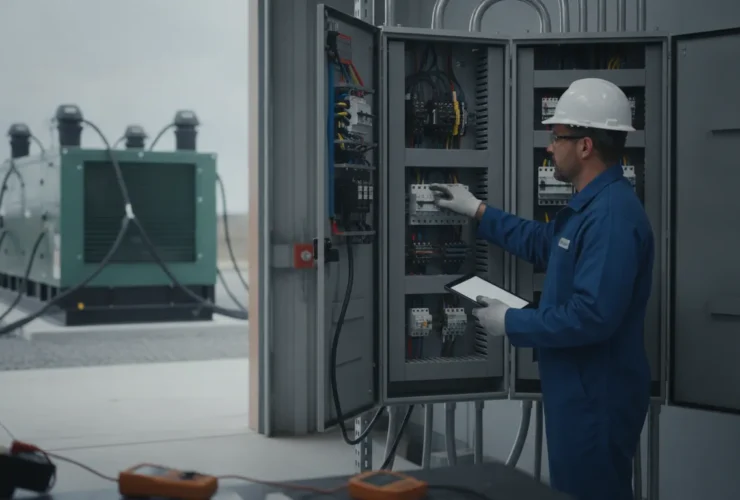
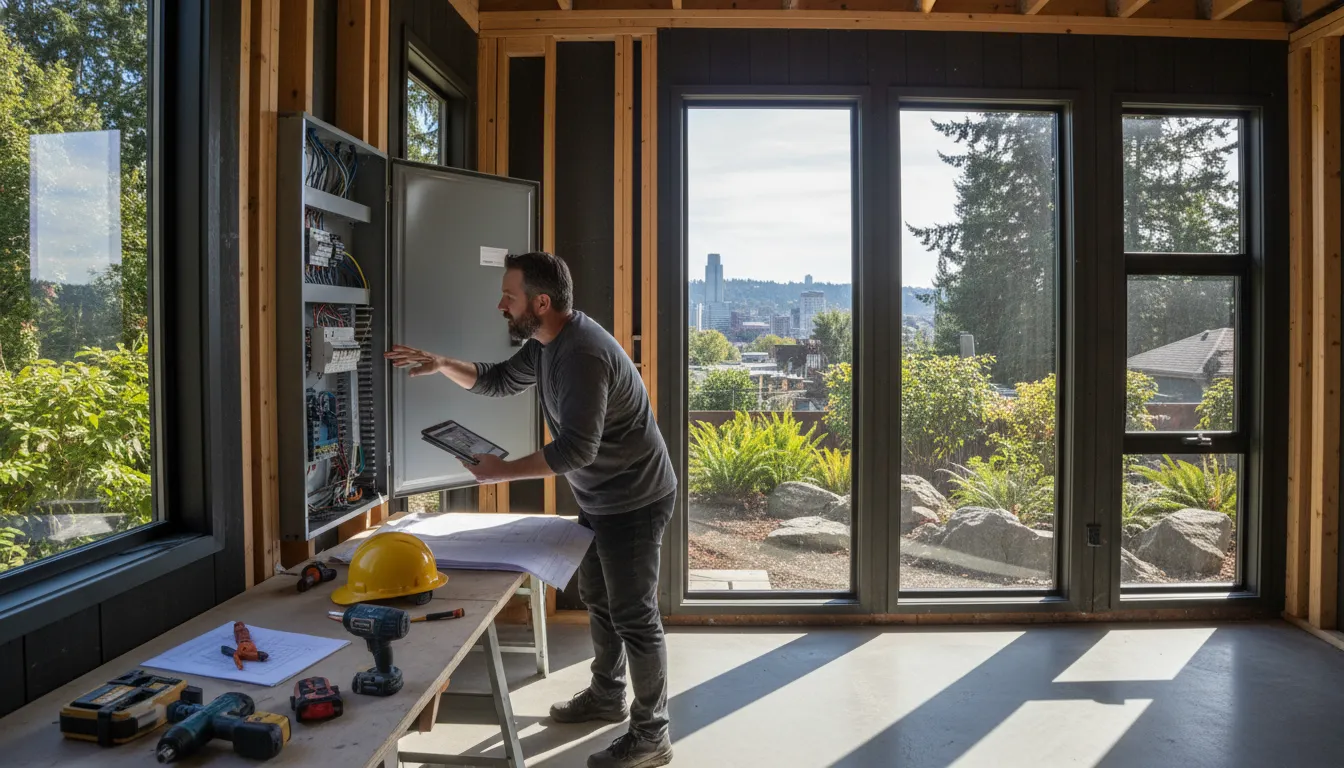
ADU electrical requirements Portland Oregon planners must address include licensed installation, a compliant service plan, circuit design, required permits, and inspections. The City of Portland’s ADU code guide requires a licensed electrical contractor for all new electrical work. It also requires AFCI protection when a new ADU is built within existing building space. Before plans are final, the project team should calculate the ADU’s load and confirm whether the existing electrical service can support it. The team must also map the panel, circuits, appliance loads, lighting, and future power needs before walls close. Early coordination among the homeowner, general contractor, electrician, utility, and permit office helps prevent redesigns, inspection delays, and added costs after construction begins.
The first question is which decisions must be settled before plans, bids, and permit reviews lock the project into an expensive path. Next, “ADU electrical requirements Portland Oregon planners should address first” maps the choices that shape every later step. Here’s how:
ADU electrical requirements Portland Oregon planners should address first
Electrical planning should begin while the ADU layout is still easy to change. Portland applies state residential rules along with local ADU guidance. Early choices about circuits, panels, appliances, and service capacity shape the plans submitted for permit review.
Portland’s baseline rules
Portland’s official ADU code guide says all new electrical work must be done by a licensed electrical contractor. It also treats the ADU as a separate dwelling for key electrical rules. Plan independent circuits for the ADU rather than extending circuits that serve the main home.
An ADU built within an existing building still counts as new occupancy. Its circuits are not treated as existing circuits, so they need Arc-Fault Circuit Interrupter protection. AFCI devices detect harmful arcs that can cause fires, as explained by the National Institute of Standards and Technology.
The ADU must also meet the Oregon Residential Specialty Code rules for two-family dwellings, with Portland’s listed changes. Electrical work must follow Oregon’s adopted electrical code. These layers affect equipment, wiring methods, circuit protection, and the permit review.
Load and panel choices
Start with a load review for both the main home and the planned ADU. List fixed appliances, heating and cooling equipment, water heating, laundry equipment, kitchen loads, and possible future needs. This review helps the contractor assess whether the existing service has room for the added demand.
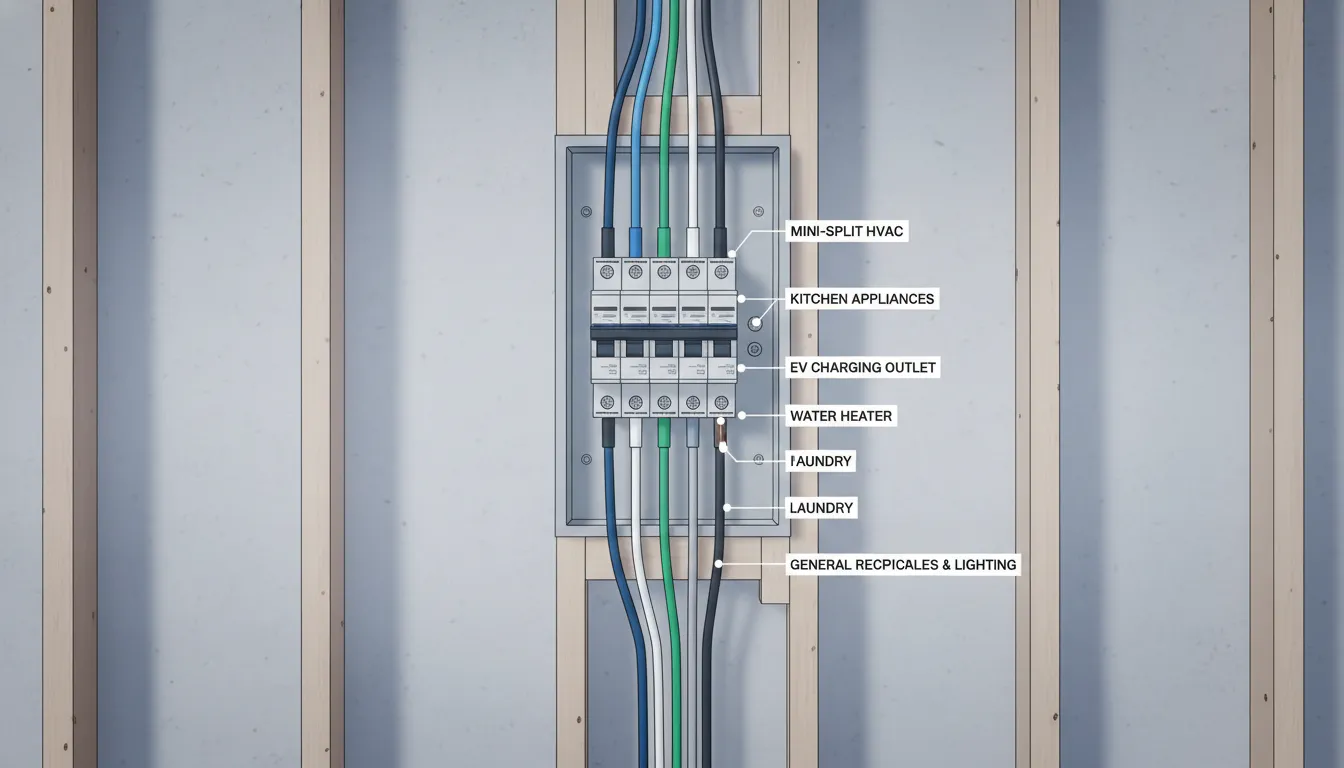
A separate subpanel can make ADU circuits easier to organize and access, but the right setup depends on the project. Panel location, feeder routing, available service capacity, and the ADU layout all matter. A service upgrade may be needed when the current equipment cannot support the planned load.
Decide major appliance types before the electrical plans are complete. Changing from gas to electric equipment later can alter load calculations and circuit needs. Pro Tech Power Corp’s ADU electrical system planning can include system planning, panel work, wiring, and lighting.
Plans before permit review
Give the electrical contractor a clear floor plan with room uses, appliance locations, and the proposed panel location. Include outdoor power, lighting, smoke alarms, and any dedicated equipment. Marking these items early reduces guesswork and helps the electrical plan match the building design.
Coordinate electrical routes with framing, plumbing, heating, and ventilation before work begins. This is important for a converted basement, garage, or other tight existing space. The contractor can then flag access limits, conflicts, and service changes before they disrupt construction.
Keep the scope stable during permit review when possible. If appliances, panel placement, or the unit layout changes, ask the electrical contractor to check the plans again. A small design change can affect circuit count, feeder size, equipment placement, or the planned inspection sequence.
Can the existing electrical service support an ADU?
An existing electrical service can support an ADU only when a site review and load calculation confirm enough capacity for both dwellings. Open breaker spaces alone are not proof. A licensed electrician should evaluate the service rating, panel condition, current loads, planned ADU equipment, feeder route, and future demand before design is finalized.
An ADU adds new circuits and loads to the property, but it does not always require a larger electrical service. An electrician must review the existing system and the planned ADU before choosing an approach. For ADU electrical requirements in Portland, Oregon, that review should happen early in design.
Existing service and panel review
The review starts at the service equipment, main panel, and any existing subpanels. The electrician checks panel condition, breaker space, service rating, grounding, and how power reaches the proposed ADU. They also note large loads already served by the home, such as electric heating, cooking equipment, or an EV charger.
Breaker space alone does not prove that the service has enough capacity. A panel can have open spaces while the calculated electrical load is near its allowed limit. Oregon currently uses the 2023 Oregon Electrical Specialty Code, which is based on the 2023 National Electrical Code.
Existing records can help, but the electrician still needs to inspect the site. Panel labels may be incomplete, and past changes may affect the design. The review should also trace how current loads are divided among panels. This creates a clearer picture before new circuits are planned.
The added ADU load
Next, the electrician builds a load calculation for the existing dwelling and planned ADU. The calculation reflects the proposed floor plan, general circuits, fixed appliances, heating, cooling, water heating, and other major equipment. All-electric plans may place a different demand on the service than plans using other energy sources.
Accurate plans make this step more useful. Appliance choices and heating systems should be known before the final electrical design is set. Pro Tech Power Corp’s residential electrical project support can connect this load review with circuit planning and the wider project scope.
Possible capacity outcomes
The calculation can point to several workable designs. If the existing service has enough capacity, the ADU may be supplied from a new feeder and subpanel. A subpanel provides a clear place for ADU circuits, but it does not create more capacity at the main service.
If capacity is limited, the design may need changes or a service upgrade. Equipment choices can sometimes change the calculated load, while other projects need new service equipment or utility coordination. The right path depends on the property, the planned loads, and local review requirements.
Avoid selecting a service size from a rule of thumb. Portland’s ADU guide states that all new electrical work must be completed by a licensed electrical contractor. A site review and load calculation give the project team a sound basis for design, permits, and pricing.
Subpanel or separate service: how should you choose?
Choosing between an ADU subpanel and a separate utility service starts with the home’s electrical capacity, the ADU design, and the planned use. A separate meter may sound simpler for billing, but it can add utility review and site work.
The right choice is not based on the ADU’s size alone. The panel location, feeder route, major appliances, and future electrical loads also shape the design.
Dedicated subpanel arrangement
A dedicated subpanel feeds the ADU from the property’s main electrical service. It keeps the ADU circuits grouped in one panel, which can make circuit control and future work more direct.
This approach depends on whether the existing service can support the added load. An electrician must review the full property, not just the ADU. Portland’s ADU code guide states that all new electrical work must be done by a licensed electrical contractor.
Separate utility service or meter
A separate service gives the ADU its own utility connection and meter when the utility and local rules allow it. This option may suit a detached unit or a project where separate utility billing matters.
It also calls for early coordination. The utility may need to review the service location and connection plan, while the local jurisdiction reviews the permitted electrical design. Oregon lists the adopted state electrical code, but local and utility requirements still affect the final arrangement.
| Decision point. | Dedicated ADU subpanel. | Separate service or meter. |
|---|---|---|
| Power source. | Fed from the property’s main service. | Connected through its own utility service. |
| Best early check. | Existing service capacity and feeder route. | Utility rules and service location. |
| Billing setup. | Usually shares the property’s utility meter. | May allow separate utility billing. |
| Coordination focus. | Load study, panel space, and circuit layout. | Utility review, permits, and site work. |
| Common design fit. | One property-wide electrical system. | More independent ADU electrical setup. |
A practical decision process
Start with a load review, then compare the routes and equipment needed for each option. Include electric heat, cooking, water heating, laundry, and any planned vehicle charging in that review.
Next, confirm the design with the permitting office and serving utility before construction starts. Pro Tech Power Corp’s panel and wiring services can cover system planning and installation as one coordinated scope.
For ADU electrical requirements in Portland, Oregon, the final configuration depends on the design, jurisdiction, and utility response. Early review helps prevent a panel choice from forcing costly changes after plans are complete.
Plan dedicated circuits around the ADU equipment schedule
Start circuit planning with an equipment schedule, not a rough count of outlets. List each fixed appliance, its model, its location, and the maker’s electrical data. This step lets the electrician plan circuits around real loads before walls close. It also helps the builder coordinate cabinet, plumbing, and mechanical plans.
The schedule should stay current as products change. A different range, dryer, heat pump, or water heater may need a different connection. Early coordination also shows whether the planned panel has enough room for the ADU. Pro Tech Power Corp’s coordinated ADU electrical work can tie this work to the wider construction schedule.
Kitchen and laundry loads
Kitchen and laundry equipment can shape much of the circuit plan. Record the nameplate information for the range, cooktop, wall oven, dishwasher, disposal, refrigerator, washer, and dryer. Do not assume two similar-looking products have the same needs. Confirm the final models before the electrician orders equipment or starts rough-in work.
- Mark each appliance location and the planned connection point.
- Note whether the product uses a cord, receptacle, or hardwired connection.
- Flag countertop areas, laundry work areas, and other places that need convenient receptacles.
- Share cabinet and appliance changes with the electrician at once.
Keep general receptacles and lighting in the plan as separate design choices. Think through furniture placement, work surfaces, entry points, exterior use, and paths between rooms. This approach supports a useful layout without guessing at exact code details too soon.
HVAC and water heating details
Heating, cooling, ventilation, and water heating choices need early review. Ask each trade for final product data and connection needs. Include indoor and outdoor HVAC units, fans, controls, pumps, and the water heater. Their locations can affect panel placement, wiring paths, and the order of rough-in work.
Also tell the electrician about future loads that may matter, such as an EV charger or added outdoor equipment. The electrician can compare the full schedule with the planned electrical supply. Oregon lists its current adopted standards on the Building Codes Division adopted codes page, which helps the team check the rules that apply.
Protection and final coordination
Required circuit protection depends on the circuit, location, and project conditions. For example, Portland states that circuits for an ADU built within existing building space are not existing circuits. Those circuits must have AFCI protection under the city’s ADU code guide. Have the licensed electrical contractor confirm all needed protection during design.
Before rough-in, compare the electrical plan with the final floor plan and every trade’s equipment schedule. Check appliance models, door swings, cabinet layouts, plumbing points, mechanical locations, lighting controls, and exterior fixtures. For ADU electrical requirements in Portland, Oregon, this review helps catch conflicts while changes are still practical.
How do you plan for EV charging and future electrical loads?
Plan future loads by listing likely equipment before the ADU panel and feeder are sized. Include EV charging, heat pumps, electric water heating, solar, batteries, outdoor power, and possible shop equipment. Then ask the electrician to calculate demand and identify useful panel capacity, wiring routes, or conduit that can be installed before walls close.
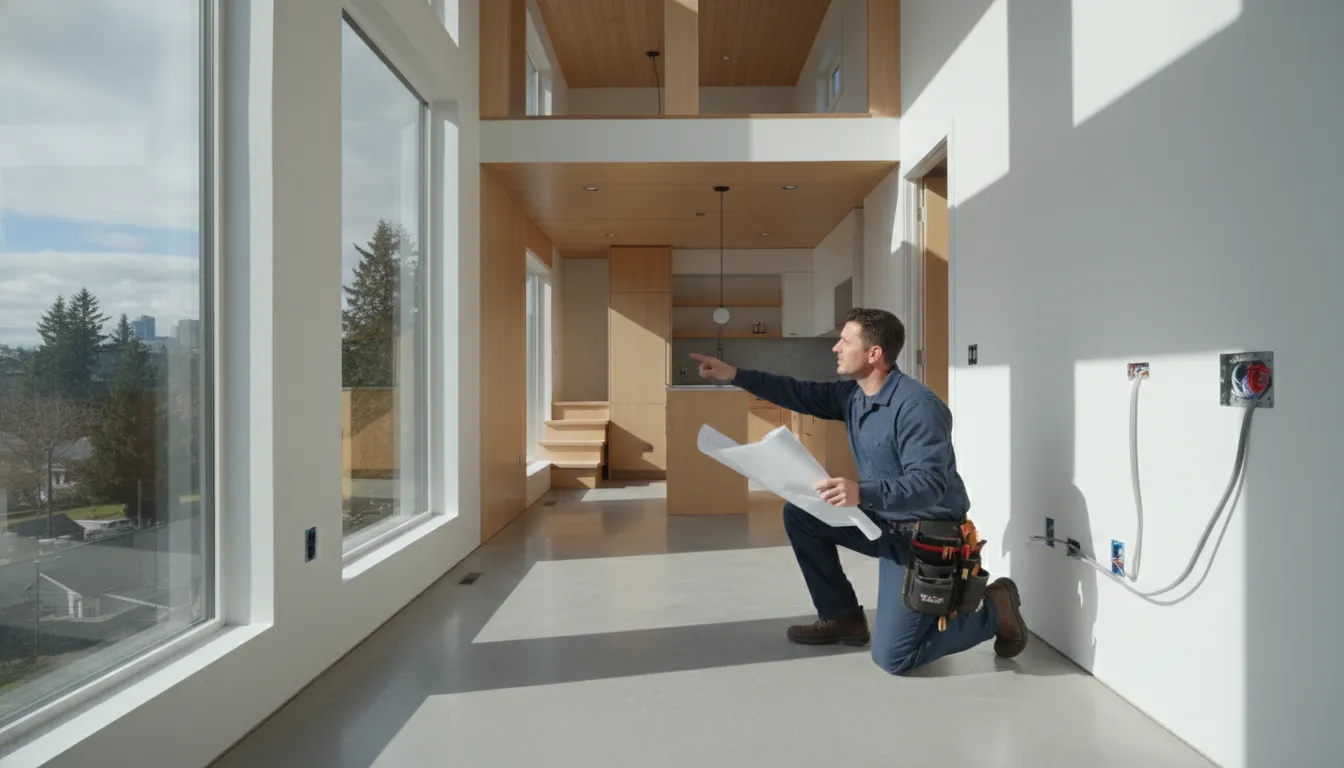
Future load planning starts before the electrician sizes the ADU panel or feeder. List what the ADU needs now and what may be added later. The plan should cover EV charging, heat pumps, solar equipment, battery storage, and other large loads.
When reviewing ADU electrical requirements in Portland, Oregon, include code and permit needs in the early design. Portland’s ADU guide states that all new electrical work must be done by a licensed electrical contractor.
A five-step load plan
A clear load list gives the electrical contractor a sound basis for system design. Use this workflow before rough-in work begins:
- List every planned load. Include the range, dryer, water heater, heating and cooling equipment, EV charger, and any outdoor power needs.
- Add likely future loads. Note possible solar panels, battery storage, a second EV charger, shop tools, or whole-home generator installation.
- Ask the electrician to calculate demand. The review should cover the main service, ADU feeder, panel size, breaker spaces, and planned equipment.
- Choose equipment locations and wire routes. Mark the parking area, outdoor heat pump unit, solar inverter, battery, panels, and other fixed equipment.
- Coordinate the final plan with the permit set. Confirm which pathways, circuits, and equipment will be installed now or reserved for later.
Capacity and panel choices
Available breaker spaces are only one part of the decision. The electrician must also check whether the service and feeder can carry the planned demand. That review may show a need for a larger panel, a different feeder, or a main service upgrade.
Discuss how the ADU will be used throughout the day. A tenant may cook, dry clothes, heat water, and charge a vehicle during the same period. This usage picture helps the electrician plan circuits and compare practical equipment choices.
EV charging can place a large demand on a residential system, so include it even if the charger comes later. Pro Tech Power Corp’s guide to electrical planning and requirements explains factors that affect this type of upgrade.
Pathways before walls close
Capacity planning works best when paired with a route plan. Reserve practical paths from the panel to future equipment locations before drywall goes up. Empty conduit, pull points, or framed routes can make a later installation less disruptive.
Plan access as well as the path itself. Future work should not require removing cabinets or cutting through finished rooms when another route is available. The contractor can also keep panel clearance and equipment locations in view during layout work.
Solar, storage, and EV equipment may sit outside the ADU or away from its panel. Their routes should account for the full property layout. Early coordination with an electrical contractor helps align these choices with the broader electrical design and installation.
What should you expect during permits and inspections?
Expect the ADU electrical scope to move through permit review, rough-in inspection, correction work if required, and final inspection. Keep approved plans available, confirm who schedules each inspection, and leave wiring and equipment accessible until approval. The general contractor and electrician should coordinate milestones so other trades do not cover work too soon.
Permits and inspections give the ADU electrical work clear checkpoints from planning through final approval. The electrical contractor should confirm the permit path before installation starts. Portland’s ADU code guide states that a licensed electrical contractor must complete all new electrical work.
Permit planning before work starts
The general contractor usually manages the full project schedule, while the electrical contractor handles the electrical scope and related permit details. Both teams should compare the approved plans with the field conditions. Early checks can catch changes to panel locations, appliance loads, lighting layouts, and service routes before they affect other trades.
Plans should clearly show the ADU layout and the systems that need power. The team should agree on permit duties, inspection timing, and how field changes will be recorded. This early coordination makes ADU electrical requirements in Portland, Oregon easier to track throughout the build.
Rough-in inspection readiness
The rough-in inspection takes place after wiring, boxes, and related electrical parts are installed but still open for review. Walls and ceilings should remain uncovered until the required inspection is complete. Before requesting it, the electrician should confirm that installed work matches the plans and current code.
- Keep electrical boxes, cable runs, grounding parts, and panel areas open and easy to reach.
- Confirm framing, plumbing, and mechanical work will not block or damage planned electrical routes.
- Label circuits and resolve plan changes before the inspector arrives.
- Include required AFCI protection for circuits in an ADU built within existing space.
Portland’s official guidance confirms the AFCI rule for new ADU circuits built within existing space. The electrician should check this protection before rough-in review. Finding a missing device or circuit detail early is simpler than fixing it after finishes go up.
Trade coordination matters most at this stage. A plumbing or duct change can force a wiring revision, while late cabinet changes can affect outlets. The electrical contractor should report conflicts to the general contractor before inspection. This keeps corrections focused and helps protect the schedule.
Final inspection readiness
The final inspection comes after fixtures, devices, panels, and required safety features are installed and working. The work area must be accessible, and permanent labels should be complete. The project team should also verify that earlier corrections have been addressed before requesting the final visit.
A practical pre-final check covers lights, switches, receptacles, dedicated appliance circuits, exterior power, and panel labels. It should also confirm that covers and finish devices are secure. For broader Portland-area electrical services, the contractor should coordinate final readiness with the general contractor and other trades.
Passing the electrical final is one part of completing the ADU permit process. Other trade inspections may still need approval. Clear scheduling between the owner, general contractor, electrician, and inspector helps prevent a finished surface or locked space from delaying signoff.
Questions to ask your ADU electrical contractor
A useful contractor interview goes beyond price. Ask how the electrician will define the work, document key choices, and coordinate with the rest of the build. Portland’s ADU guide states that all new electrical work must be done by a licensed electrical contractor.
Scope, loads, and equipment
Start by asking what the proposal includes and excludes. The scope should state whether the contractor will design branch circuits, lighting, exterior power, and the ADU panel. It should also address any work needed at the main house.
Ask who will complete the load calculation and when you will receive it. That calculation helps show whether the existing service has enough capacity. It also guides the choice between a subpanel, service changes, or other design options.
Request an equipment schedule before materials are ordered. It should name the planned panel, breakers, fixtures, controls, and other major electrical items. Confirm who approves substitutions if an item is unavailable. Contractors offering ADU electrical installation support should be able to explain how each choice fits the plans.
Permits and project coordination
Ask which party will obtain the electrical permit, submit plans, book inspections, and respond to correction notices. Make sure the proposal names that party. Clear permit responsibility prevents missed steps and confusion between the owner, general contractor, and electrician.
Utility coordination also needs a named lead. Ask whether the project may require utility review, a meter change, or work near the service entrance. Then confirm who will contact the utility and how those lead times affect the schedule.
Review the equipment schedule with the plumbing, mechanical, and cabinet plans. Ask how the electrician will confirm power needs for cooking, water heating, heating, cooling, and laundry. This check can catch conflicts before rough-in starts.
Timeline and change management
Ask for a timeline that identifies design, permit, rough-in, inspection, trim, and final inspection milestones. Confirm what must be ready before each visit. For general contractors, ask how crew dates will be shared and how schedule changes will be handled.
Before signing, ask how changes are priced and approved. A clear process should state who can request a change, how cost and time impacts are documented, and when approval is required. Also ask how field conflicts will be raised before work moves forward.
Use the same questions when comparing bids for ADU electrical requirements in Portland, Oregon. A complete proposal should make scope, responsibility, and decision points easy to compare. If key details remain unclear, contact Pro Tech Power Corp before scheduling work.
Frequently Asked Questions
Does an ADU need its own subpanel?
Not every Portland ADU needs a separate subpanel, but its circuits must be independent and cannot share loads with the main dwelling. A licensed electrical contractor should calculate the expected load and review the existing service capacity. That assessment determines whether the project needs an ADU subpanel, separate service, or main panel upgrade.
What are the requirements for an ADU in Oregon?
An Oregon ADU must meet applicable building, electrical, plumbing, mechanical, zoning, and local permitting rules. The City of Portland ADU code guide states that ADUs must follow Oregon Residential Specialty Code requirements for two-family dwellings, with listed modifications. New electrical work must also be completed by a licensed electrical contractor.
What are the common mistakes when building an ADU?
Common electrical planning mistakes include involving the electrician too late, skipping a load calculation, and overlooking future high-demand equipment. Poor coordination can also place panels, lighting, or dedicated circuits in impractical locations. Finalize appliance, HVAC, water-heating, and possible EV charging plans before electrical design begins. This reduces redesigns and helps keep permitting and construction on schedule.
Does Portland require electrical inspections for ADUs?
Yes. New or modified ADU electrical systems require permitting and inspection before final project approval in Portland. Coordinate inspection timing with the general contractor and licensed electrical contractor so required work remains accessible. The contractor should confirm the current inspection sequence and code requirements with Portland before construction begins, since adopted standards and local procedures can change.
Are Arc-Fault Circuit Interrupters (AFCI) required for ADU circuits?
Yes, AFCI protection is required when a new ADU occupancy is created within existing building space. Those circuits are treated as new rather than existing circuits. Portland’s ADU code guide states that they must have AFCI protection. The project electrician should also identify any other required circuit protection during design.
Ready to Plan Your ADU Electrical System?
Waiting to address electrical needs can lead to late design changes, permit delays, and difficult trade coordination once construction is underway. Starting now gives your project team time to assess planned loads, map circuits and lighting, and identify service needs before they disrupt the schedule. Early planning also creates a clearer electrical scope, helping you make informed choices before construction limits your options or raises the cost of changes.
Ready to move your Portland ADU forward with fewer electrical surprises and a plan that supports upcoming design, permit, and construction decisions? Contact Pro Tech Power Corp to request an ADU electrical consultation and start building a practical plan that keeps electrical decisions aligned with your broader project schedule.