
EV Charging
Electric Car Charger Installation at Home: Cost Questions — How Much to Install Electric Car Charger at Home

Pro Tech Power Corp
· 13 Min Read
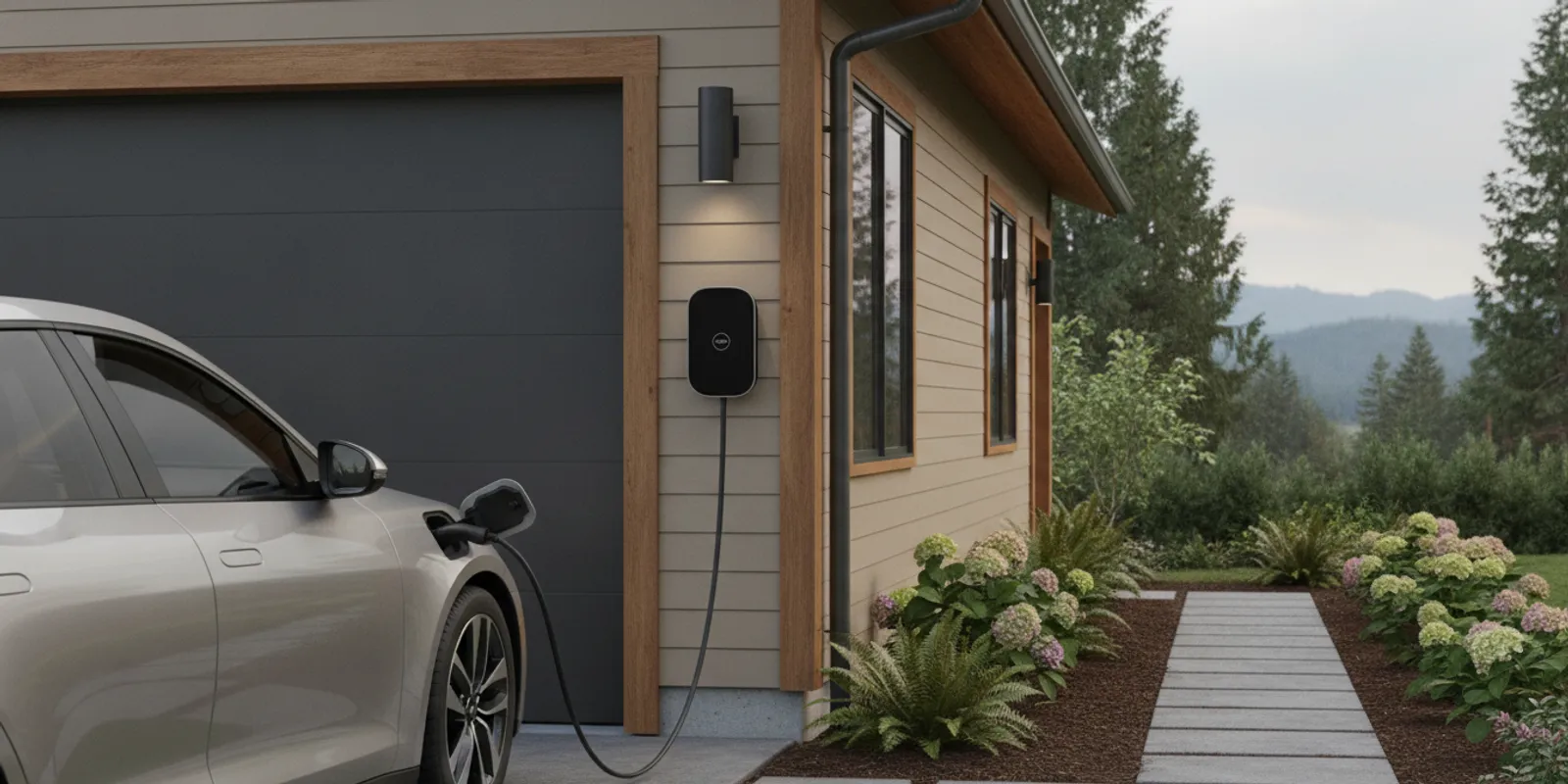
When homeowners ask how much to install electric car charger at home, the most useful answer is that the total depends on the home, not just the charger. Panel capacity, the route from the panel to the parking spot, equipment choice, and permit requirements can all change the work involved. A walk-through and electrical assessment help turn those unknowns into a project-specific quote.
Why does the cost vary from one home to another?
A charger installation combines equipment with the electrical work needed to supply it safely and conveniently. Two homes can buy a similar charger and still need different installation work. One may have a suitable electrical panel close to the garage. Another may need additional panel work, a longer cable route, or coordination with a local permitting authority.
That is why an online price range is only a starting point. It can help with budgeting, but it cannot confirm whether a particular home has enough capacity or what the electrician will find along the proposed route. For a useful quote, gather details about the vehicle, charger, panel, parking location, and any planned home upgrades.
Pro-Tech-Power provides residential EV charging installations, and project pricing is quote-based. The company does not publish a single price that applies to every home. A quote should reflect the actual conditions at the property and the scope you choose.
What does a typical cost estimate include?
Separate the project into a few parts when reviewing estimates. The charger is one line item. The electrical installation, materials, permitting or inspection requirements, and any needed capacity improvements are other considerations. Ask whether each item is included, excluded, or still subject to an on-site assessment.
The U.S. Environmental Protection Agency's home charging guide gives a broad reference range: equipment may cost $400–$1,000 depending on features, while electrician installation may range from $300–$2,000 depending on the home's setup. Those figures are general context, not a Pro-Tech-Power price or a promise about what a particular home will cost. Local conditions, the selected unit, and the work required can move a quote outside a broad reference range. Review the EPA's home EV charging guide for its cost context and planning overview.
When comparing quotes, look beyond the bottom line. Check the exact equipment model, included electrical work, route assumptions, permit responsibilities, and how changes discovered during installation would be handled. A lower number may reflect a smaller scope rather than a more efficient version of the same project.
Which quote details should you ask to see?
Ask for the proposed work to be described in plain language. The estimate should make it possible to tell what equipment is included, where the charger will be mounted, and what route the wiring is expected to follow. It should also distinguish confirmed work from assumptions that depend on further evaluation. If the contractor expects to verify an item at the property, ask when that check will happen and how you will be told if it changes the plan.
For example, a quote might depend on the panel being able to support the planned load or on a route being accessible without opening finished surfaces. Those are meaningful assumptions because changing either can alter the scope. You do not need to interpret technical calculations yourself; ask what the assumption means for the project and whether it is already confirmed.
Also ask whether the price includes the charger, materials, labor, and any required permit or inspection coordination. These details let you compare offers consistently. A quote that looks higher may include equipment or a more complete route, while a lower number may leave some items outside its stated scope.
How does the electrical panel affect the price?
The panel is the starting point for evaluating whether the home can support a new charging load. An electrician considers its rating, existing loads, available spaces, and the proposed charger requirements. The presence of an empty breaker space alone does not establish that the system has enough capacity. The overall electrical load matters.
If the panel can support the planned charger, the job may focus on the new circuit and its route. If the assessment identifies a capacity constraint, the quote may need to account for additional electrical work. That could mean exploring a different charging setup or considering a panel change, depending on the home's conditions and the applicable requirements. It is not possible to confirm the right option from a photograph of the panel alone.
If a panel change may be part of the project, ask the electrician to explain why it is being considered and what alternatives are suitable. A panel project is a separate scope that can affect schedule and total cost. Pro-Tech-Power has an overview of electrical panel upgrades for an EV charger that can help you prepare questions for that conversation.
How much does the wire route matter?
The distance between the electrical panel and the charger location affects materials and labor. A charger mounted on the other side of a garage wall from the panel may have a relatively direct path. A parking space farther away, a finished wall, or a route that needs to cross several areas can require more planning and installation work.
Distance is not the only factor. The electrician needs to identify a practical route that protects the wiring, avoids conflicts with existing building systems, and ends where the vehicle can connect comfortably. Some routes may be accessible through unfinished areas; others may involve finished ceilings, walls, or exterior surfaces. The best route is specific to the house and should be discussed before work begins.
Think about where the vehicle usually parks, where the charging port sits, and how the cable will reach without creating a trip hazard or obstructing a doorway. A charger placed for convenience today should also work if you change vehicles or parking habits later. Moving the proposed location during planning can sometimes change the route and scope, so make that decision before installation details are finalized.
Why does an on-site review matter?
Pictures and a short conversation can begin the planning process, but they cannot reveal every detail behind a wall or confirm every measurement needed for a final scope. An on-site review lets the electrician see the panel, the intended mounting area, access conditions, and the likely cable route together. That context can prevent an estimate from relying on a route that is impractical or a location that does not suit the way you use the garage.
Use the visit to walk through your priorities. Explain whether you want the charger indoors or outdoors, which vehicle position matters most, and whether you need to keep a walkway or storage area clear. Ask the electrician to explain the preferred mounting position and any trade-offs. If there are two reasonable locations, discuss how their routes and accessibility differ before choosing one.
Make sure the person preparing the quote knows about planned construction or electrical changes. Even if that work is not happening immediately, coordinating the conversation can help avoid making decisions that complicate a later project. This does not mean every future possibility belongs in the current scope; it means the estimate can reflect priorities you already know.
Does the charger itself change the total?
Different charger models vary in features and price. Your vehicle, preferred charging speed, connectivity preferences, and installation conditions help narrow the options. Before purchasing equipment, confirm that the model is appropriate for the intended installation and that its requirements can be met at the house.
Do not assume that a more feature-rich unit will charge your vehicle faster in every home. The vehicle's capabilities and the electrical setup are part of the picture. Ask the electrician to review the model information with you before buying, especially if the charger will be supplied separately. That conversation may help avoid purchasing equipment that does not fit the planned work.
Also distinguish the charger price from installation costs. An advertised equipment price does not tell you whether the home needs a new circuit, a longer route, or capacity improvements. Conversely, a quote for installation may not include the charger itself. Confirm what is included so that you compare complete scopes rather than unrelated numbers.
Before settling on equipment, decide what matters most to you: a straightforward connection, controls you can manage from a phone, a particular mounting style, or flexibility for a second vehicle. Those preferences do not all affect the electrical work in the same way, and not every feature is necessary for every household. A short list helps narrow equipment choices without paying attention to features that do not support how you plan to charge.
If you are supplying the charger yourself, share the exact product information before the electrician finalizes the scope. A product page or installation manual can provide details needed to confirm compatibility and plan the work. If you have not chosen a model yet, make that clear instead of assuming the estimate includes one. Confirm the division of responsibility for obtaining equipment and what happens if your preferred model changes.
What other factors can change a home quote?
- Existing electrical capacity: The electrician's load assessment helps determine whether the planned charging equipment fits the home's electrical system.
- Mounting location: A location close to the panel and convenient for the vehicle may simplify the work. A distant or difficult-to-access spot can add routing steps.
- Wall and ceiling access: Finished construction, concealed spaces, and obstacles can affect how wiring is routed and how much labor is involved.
- Chosen equipment: Brand, features, and installation requirements affect the equipment portion and can influence the electrical scope.
- Permits and inspections: Requirements depend on the local authority and project details. Confirm who will identify applicable requirements and coordinate the necessary steps.
- Timing with other work: If you are remodeling or making other electrical changes, coordinating the charger plan early may help avoid duplicated work or a location that no longer fits.
- Changes to the original plan: A different parking location, charger, or route can affect materials, labor, and timing. Resolve preferences before the final scope where possible.
These factors are reasons to ask for a clear assessment, not reasons to assume the most expensive scenario. The right scope depends on what is actually present at the property. An electrician can explain which factors apply and which are only possibilities.
How can you compare installation options?
Most homeowners are comparing more than one possible setup. A dedicated Level 2 charger is a common choice for home charging, but the location, existing electrical capacity, and vehicle needs should guide the decision. A lower-cost path that does not fit your parking routine or electrical conditions may not be the best value.
| Option or condition | What to confirm | Possible cost effect |
|---|---|---|
| Charger close to the panel | Whether the location works for the vehicle and allows a practical wiring route | May limit the amount of new wiring and routing work |
| Charger farther from the panel | Route length, access through finished areas, and mounting details | More materials or labor may be needed |
| Panel appears to have capacity | Load assessment and compatibility with the selected charger | May keep the scope focused on the charging circuit, subject to assessment |
| Panel capacity needs review | Whether another charging approach or panel work is appropriate | Additional electrical scope may affect the quote and schedule |
| Equipment not yet selected | Vehicle requirements, charger features, and installation specifications | Equipment choice changes the equipment portion and may shape installation needs |
The table is a planning aid, not a price list. Each row describes a condition to discuss, not a guaranteed outcome. A site assessment can establish what applies to your home.
When you receive an estimate, use the table to ask focused questions rather than treating any one row as an automatic charge. If the route is short, ask how that was confirmed. If a panel change is mentioned, ask what assessment led to that recommendation. If a proposed cost assumes a specific charger, verify the model and whether it is included. Clear answers help you understand what is known now and what might require a revised scope.
It can also help to write down your preferred charger location and the reasons for it. For example, you may want the cable to reach more than one parking position or want the equipment mounted away from shelving. Explaining these preferences gives the estimator a practical basis for discussing location, cable reach, and routing options.
How can two homes end up with different scopes?
Imagine one home has the panel on the garage wall and the preferred parking spot just a short distance away. If the electrical assessment supports the selected equipment, the proposed work may be relatively direct. A second home may have its panel on the opposite side of the house, finished rooms along the likely path, and a preferred charger location farther from the panel. That second layout calls for more routing discussion and may involve additional materials or labor.
This example does not predict either home's total. It shows why a charger model and an online equipment price cannot establish the installed cost by themselves. The home's electrical capacity and physical layout shape the work. An estimate should explain the conditions behind the proposed scope, so you can see whether the differences reflect actual project needs.
What should you prepare before requesting a quote?
A little preparation makes it easier to discuss the project clearly. You do not need to calculate your own electrical load or select a final route. Share the information you already have, then ask the electrician to verify the details that require an assessment.
- Identify your vehicle. Share its make, model, and year if known, along with any charging equipment supplied with it.
- Choose a preferred parking and charger location. Note which space the vehicle uses and where you would like the charger mounted.
- Share panel details if available. A clear photograph of the panel label and its interior can help start the discussion, but it does not replace an on-site evaluation.
- Explain the home layout. Mention whether the panel is in a garage, utility room, or another area, and whether the space between it and the parking spot is finished.
- Describe future plans. If you expect another vehicle, a remodel, or other electrical additions, raise that early so the plan can account for your priorities.
- Ask what the quote includes. Confirm equipment, labor, materials, permit-related responsibilities, and any conditions that could change the scope.
For a broader look at the installation process, read this guide to EV charger installation. You can also review the company's information about EV charging station requirements and bring any questions to your assessment.
How should you evaluate the quote?
A useful quote should make the planned work understandable. It should identify the charger or state whether you are supplying it, describe the electrical scope, and make clear what assumptions were used for the route and location. If an item cannot be confirmed until work begins, ask how that uncertainty will be communicated and approved.
Compare quotes on equivalent terms. One proposal may include equipment while another covers installation only. One may assume an exposed route, while another accounts for concealed wiring. Ask each contractor to clarify the scope rather than comparing headline totals without context.
Pay attention to the questions the estimator asks. The vehicle, panel, parking spot, cable route, and future plans are all relevant to a tailored recommendation. If you are unsure why a particular item appears in the estimate, ask for a plain explanation before deciding.
Pro-Tech-Power is an electrical contractor for residential and commercial customers, with residential EV charging installations among its offerings. You can see examples of completed work in the project portfolio and learn more about Pro-Tech-Power. The company serves customers across the region; its regional location information provides additional context.
Frequently asked questions
Can I estimate the installed cost from the charger price?
No. The equipment price is only one part of a home installation. The panel's capacity, circuit and wiring route, mounting location, access conditions, and local requirements can affect the work. Use equipment prices for an initial budget, then request a quote based on the actual home and confirm whether the charger is included.
Does an empty breaker space mean my panel can handle a charger?
Not necessarily. An open space does not by itself establish that the panel and home's electrical system can support the planned charging load. An electrician needs to assess the existing setup and the charger requirements. Ask for the reason behind any proposed panel work and whether another suitable approach is available.
Should I buy a charger before requesting a quote?
It is usually helpful to discuss the home and your preferred equipment before purchasing. Share the make and model if you have already chosen one, or explain which features matter if you are still comparing options. Confirm that the unit fits the intended installation and whether the quote includes equipment or only the electrical work.
What is the best next step?
If you are researching how much to install electric car charger at home, start by identifying the charging spot and gathering basic details about the vehicle and electrical panel. Then request a quote based on the home's actual layout and electrical conditions. That is the practical way to replace a broad online estimate with a scope that reflects your project.
A clear assessment helps you understand what the installation includes, which choices affect the total, and what questions to resolve before the work is scheduled.