
Panels & Wiring
How to Replace a Circuit Breaker: Safety Questions First

Pro Tech Power Corp
· 11 Min Read
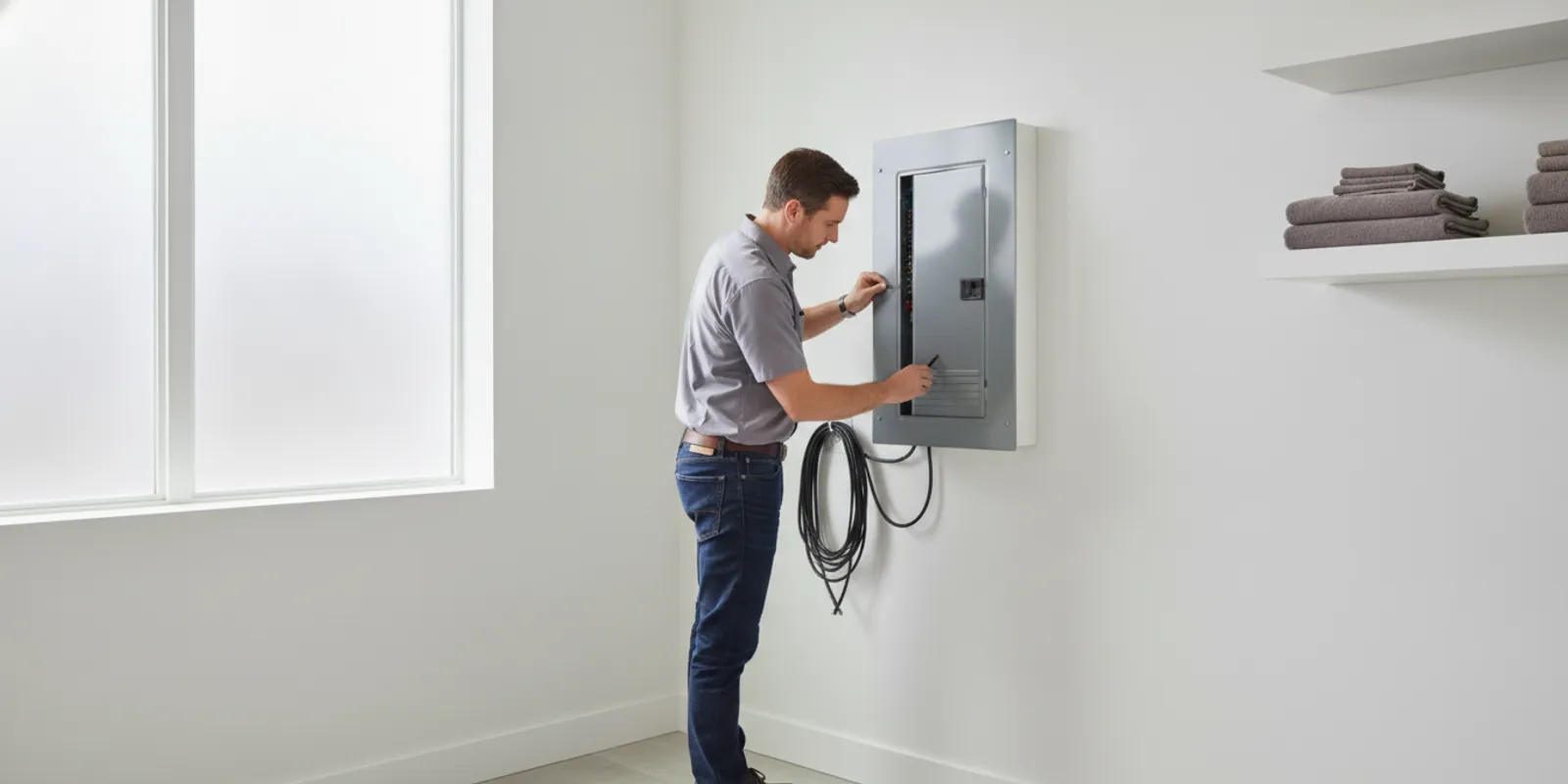
If you are searching for how to replace a circuit breaker, the first question should be whether replacement is actually the right response. A breaker that trips or seems to have failed can point to an overloaded circuit, an appliance problem, a wiring issue, or a concern elsewhere in the panel. Those possibilities cannot be sorted out safely by swapping parts at random. This guide explains what you can observe, what to avoid, and what to discuss with a qualified electrician.
Get A Quote for an electrical evaluation
Why should you pause before replacing a breaker?
A circuit breaker is a protective device. When it opens a circuit, it may be responding to a condition that needs attention, not simply reaching the end of its useful life. A replacement breaker does not correct an overload, damaged wiring, a defective connected appliance, or another underlying issue. If the cause remains, the replacement may trip too, or the electrical hazard may remain hidden.
That is why a breaker that trips repeatedly should not be treated as an invitation to keep resetting it or try a different breaker. The U.S. Consumer Product Safety Commission advises consumers not to simply replace a fuse or reset a tripped breaker, since the event can warn of an overloaded circuit. Its electrical safety information is a useful reminder: find out why the protective device operated before assuming the device itself is the problem.
Replacing a breaker also involves a panel that can contain energized parts even when a particular circuit is off. Removing a panel cover or reaching inside can expose a person to dangerous voltage. This article does not provide a do-it-yourself replacement procedure. A qualified electrician can evaluate the condition, identify the likely cause, and determine the appropriate next step.
What can a trip or apparent failure tell you?
A single trip does not establish a diagnosis. The circumstances are useful clues, but they are not proof of a particular fault. Note what was running, what happened just before the trip, whether the event has happened before, and whether you noticed heat, a smell, sound, or visible damage. Share those observations rather than attempting to investigate inside the panel.
| What you notice | What it may indicate | Safer next step | What an electrician may assess |
|---|---|---|---|
| The breaker trips when several appliances run together | The circuit may be carrying more load than it can support, though other causes are possible. | Stop using the affected combination of appliances. Do not keep resetting the breaker. | Connected loads, circuit use, wiring condition, and whether a change to the electrical plan is appropriate. |
| It trips when one specific appliance starts or runs | The appliance, its cord, or the circuit may be involved. | Stop using that appliance if you can do so safely. Do not open the panel or appliance. | The circuit and the reported conditions; further evaluation may be needed to distinguish appliance and wiring concerns. |
| It trips without an obvious change in use, or trips repeatedly | A fault or another electrical problem may be present. | Leave the breaker alone and arrange a prompt evaluation. | The breaker, circuit conductors, connections, and related panel components. |
| You notice a burning smell, unusual warmth, buzzing, smoke, or visible scorching | There may be an immediate electrical hazard. | Keep away from the panel. If there is smoke or fire, leave the area and call emergency responders. | Inspection after the area is safe, including assessment of damaged components and the source of the condition. |
| A breaker will not stay in position or appears damaged | The breaker may be damaged, or another condition may be causing it to open. | Do not force it, hold it in place, or substitute another breaker. | Whether the breaker is faulty and whether the circuit or panel also needs attention. |
These are general guideposts, not a remote diagnosis. A breaker that appears to have failed may be reacting correctly to a problem somewhere on the circuit. Conversely, the breaker itself may need attention. The distinction matters because replacing a part without addressing the reason for the trip can leave the household with the same interruption and an unresolved risk.
What should you do when a breaker trips?
Start with people and immediate hazards, not the panel. If you see smoke or flames, hear crackling, detect a strong burning odor, or see sparking, move away from the electrical equipment. Do not touch the panel, attempt to operate a switch, or use water on an electrical fire. Get everyone to a safe place and contact emergency responders if there is an active fire or immediate danger.
If there is no sign of immediate danger, take a moment to record what occurred. Which room or equipment lost power? What appliances were being used? Did the event happen while something started, heated, or changed settings? Has this happened before, and how often? Write down the approximate time and any visible observations. These facts help an electrician understand the event without putting you in the position of opening equipment or testing live electrical parts.
Do not remove the panel cover, touch internal components, or try to test a breaker with improvised tools. Do not repeatedly move a tripped breaker back and forth to see whether it will hold. If the trip recurs, the cause is unclear, or anything seems abnormal, stop using the affected circuit if you can do so without approaching a hazard and arrange professional help. Avoid using an extension cord as a workaround for a circuit that keeps opening; that can introduce additional risks and does not resolve the underlying issue.
For a broader checklist of hazards to notice around a home, read this home electrical safety guide. If you are unsure whether the condition is urgent, explain what you observed when you call an electrician. Pro Tech Power can be reached at 503-780-6207, or you can send details through the contact form.
How can a breaker problem involve the wider panel?
A breaker is one part of an electrical system. The circuit it protects includes conductors, connections, outlets or equipment, and the loads being used. The panel holds the breakers and makes connections to the home's electrical distribution. A problem reported at one breaker therefore does not automatically mean the breaker alone is at fault—or that the entire panel must be replaced.
An evaluation should follow the evidence. The electrician may ask when the problem started, whether it follows a particular appliance or activity, whether there were recent changes to the home, and whether other circuits have acted differently. They can then examine the relevant equipment using appropriate procedures. The goal is to understand the condition before recommending a repair, component replacement, or a broader electrical update.
Panel condition and capacity can become part of the conversation when a home has new electrical demands, repeated issues, or visible concerns. That does not mean a trip alone proves that an upgrade is needed. A panel project is a different scope from addressing an individual circuit, and its suitability depends on the property's electrical needs and what an on-site evaluation finds. For more context on that distinct topic, see this Oregon electrical panel planning guide.
When warning signs point to a panel concern, our breaker panel guidance covers why those observations warrant attention. It is not a substitute for an inspection, but it can help you describe what you have noticed and prepare useful questions.
What can an electrician evaluate before replacement?
The evaluation should connect the symptom to the electrical equipment involved. A qualified electrician may consider the history of the trips, what was operating at the time, the reported circuit, and the visible condition of accessible equipment. The appropriate examination depends on the situation and must be carried out with suitable safety precautions. A homeowner should not try to reproduce a fault, remove a panel cover, or perform measurements to speed up the process.
If replacement is being considered, the part must be appropriate for the particular panel and circuit. A breaker is not a generic switch that can be chosen only by appearance or by fitting into an open space. The panel's design, the circuit's requirements, and the condition of related components all matter. Using an unsuitable component or changing a rating without evaluating the circuit can undermine the protection the breaker is intended to provide.
The electrician should also distinguish the finding from the recommendation. For example, the explanation should make clear whether the concern appears to be the breaker, the connected circuit, a load pattern, or a broader panel issue. Sometimes additional investigation is needed before the source is certain. Ask what is known, what remains uncertain, and whether the quoted scope addresses the condition that caused the interruption rather than only the visible symptom.
This is why a search for a quick replacement does not always lead to a one-part answer. Clear findings help a homeowner compare the proposed scope with the original problem. If the recommendation includes additional work, ask what observation or requirement makes that work necessary. A concise explanation and a project-specific estimate can help you decide what to approve without attempting a hazardous diagnosis yourself.
What should you ask before approving a replacement?
A clear explanation is part of making a sound decision. Before work begins, ask the electrician to describe the observed problem, what they believe caused it, and how they reached that conclusion. If a breaker replacement is proposed, ask why replacement is appropriate and whether the electrician has checked for related concerns on the circuit or in the panel.
- What did you find? Ask for a plain-language summary of the condition and any important safety concern.
- Why is replacement being recommended? Clarify whether the breaker itself appears defective or whether it opened in response to another condition.
- What is included in the proposed work? Confirm whether the scope covers only a component, additional troubleshooting, or any other repair.
- Are there conditions that could cause the problem to return? Ask what remains uncertain and whether any follow-up evaluation is recommended.
- What will the estimate cover? Request a project-specific written estimate that explains the proposed work and any assumptions.
- Will permits or inspection requirements apply? Ask how applicable local requirements will be handled for the work being proposed.
For residential electrical work, Pro Tech Power describes a process that includes an initial consultation, a detailed estimate, communication during the project, and quality verification after completion. The exact scope depends on the conditions found. The company uses custom quotes rather than a standard posted price, so an estimate should reflect the actual project rather than a generic breaker-replacement figure.
How do you tell a simple interruption from a larger project?
You cannot reliably decide from the position of a breaker alone. A single interruption after several high-demand devices run at once may have a different explanation from a breaker that trips repeatedly under ordinary use. A visible sign of heat or damage changes the urgency. An electrician's evaluation determines whether the appropriate response is limited to one component, requires attention to a circuit, or calls for a wider plan.
It may help to think about three separate questions:
- What happened? Record the timing, equipment in use, affected rooms, and how often the event has occurred.
- What is the source? A qualified person investigates whether the issue relates to the breaker, the connected load, the circuit, or another part of the electrical system.
- What is the right scope? The work recommendation should address the identified condition. A larger upgrade should have a reason tied to the home's needs, not just the fact that one breaker tripped.
This measured approach avoids both underreacting to a real hazard and assuming that every trip requires a panel replacement. If your concern is connected to a remodel or new equipment, explain that as well. Changes in how a home is used can affect what questions need to be considered. Pro Tech Power handles residential electrical repairs and troubleshooting, as well as broader electrical planning. You can view examples of completed work in the project portfolio.
When should you call an electrician?
Arrange an evaluation when a breaker trips repeatedly, will not remain in position, or behaves differently without an obvious explanation. Contact an electrician if a problem seems tied to a particular appliance or outlet, if other electrical symptoms appear at the same time, or if you are uncertain what is safe to do next. Do not wait for a clear diagnosis from an online article; observations can guide the conversation, but they cannot replace an on-site assessment.
Treat smoke, sparks, burning odors, scorching, or unusual heat as urgent warning signs. Keep away from the affected equipment. In an active fire or immediate threat, leave and call emergency responders. If the area is safe but a warning sign remains, do not resume use of the affected equipment until a qualified person has assessed it.
Pro Tech Power is a comprehensive electrical contractor for residential and commercial customers across the region. Its residential work includes troubleshooting and electrical repairs for existing systems. The company also handles electrical planning for broader projects, so a discussion can cover the immediate symptom and any related goals. Ask what the findings support, what work is proposed, and what the estimate includes. For a project-specific conversation about a residential electrical concern, request an estimate through the online contact page. If you want to understand the company's background before reaching out, you can also learn more about Pro Tech Power.
Request a project-specific electrical estimate
Frequently asked questions
Can I tell from the breaker position whether it needs replacement?
No. Its position does not identify the cause. A breaker may open because of a condition on the circuit, or the breaker itself may need attention. A qualified electrician can inspect the relevant equipment and determine what the evidence supports.
Should I keep resetting a breaker that trips?
No. Repeated trips should be treated as a reason to stop and find out what is happening, not as a routine inconvenience. The CPSC's guidance warns against simply resetting a tripped breaker or replacing a fuse without addressing the possible cause.
Does one tripped breaker mean my panel must be replaced?
Not necessarily. One event by itself does not establish that the panel is defective or that an upgrade is needed. The circuit, connected equipment, breaker, and panel condition may all be considered as part of an evaluation.
What information should I have ready when I call?
Note which circuit or area was affected, what was running, when the event occurred, whether it has happened before, and any visible or audible warning signs. Do not remove the panel cover or test components to gather more information.
Can I get a standard price for a breaker replacement?
Pro Tech Power prepares custom, project-specific estimates rather than publishing a standard price for this work. The scope depends on what an electrician finds, so discuss the symptoms and request an estimate before approving work.
A breaker trip is a useful warning to pause and assess, not a reason to guess at a replacement. Keep clear of anything that appears damaged or hazardous, record what happened, and let a qualified electrician determine the safest next step.