
Residential
Home Electrical Safety: A Guide for Tigard Homeowners
Pro Tech Power
· 16 Min Read
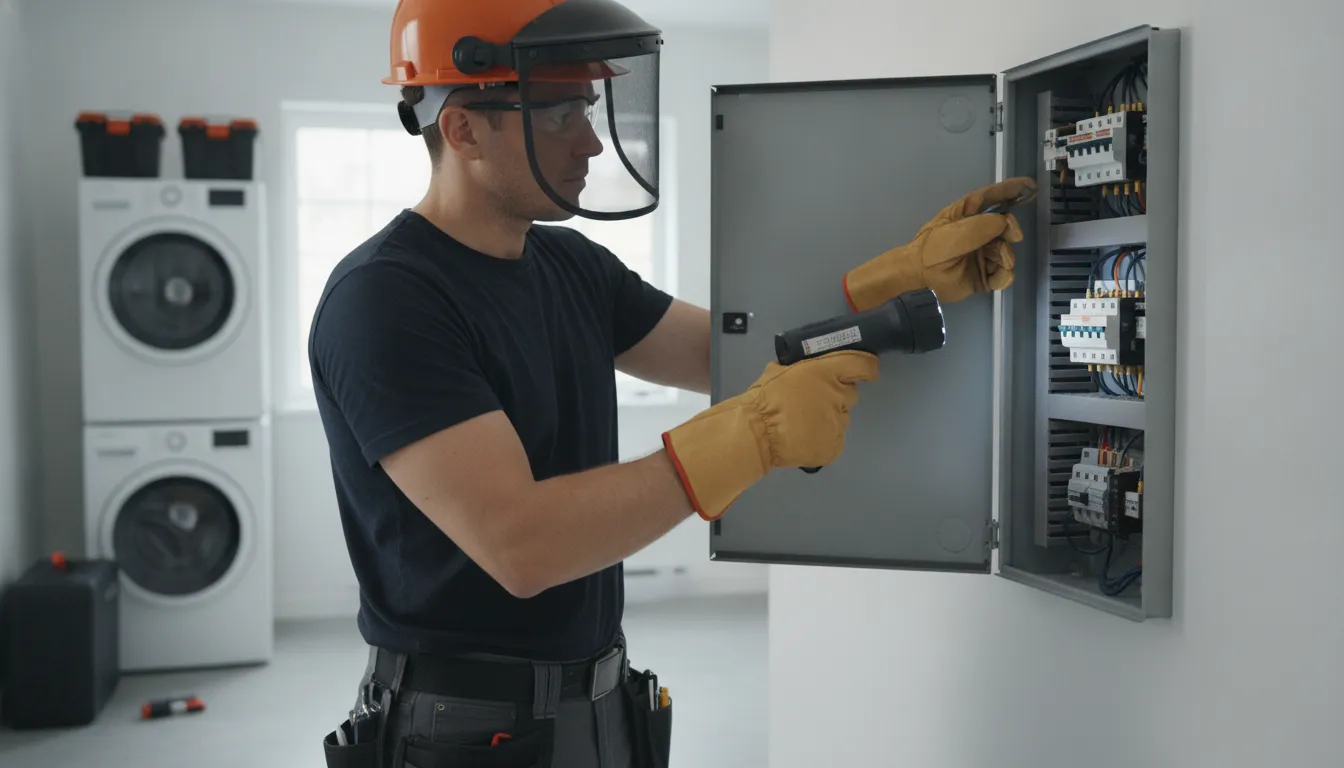
Flickering lights and warm outlets in your home are early warning signs of severe system faults. Neglecting these minor issues can lead to severe shocks or costly electrical fires that destroy homes. Regular safety checks are the only sure way to protect your home from these hidden hazards.
Schedule a home electrical safety inspection in Tigard with Pro Tech Power Corp today.
Practicing home electrical safety is the best way to prevent severe house fires, avoid fatal shocks, and keep your family safe. You can do this by learning to spot common system warning signs like flickering lights, warm outlets, and tripping breakers before they get worse.
As the CDC states, you must turn off the main circuit breaker right away if you notice frayed wiring, sparks, or burning smells. You should also test your safety devices monthly and hire a licensed electrician to handle panel upgrades, complex rewiring, and expert repairs. Taking these simple, smart steps keeps your system fully code-compliant, protects your Oregon home from damage, and gives you complete peace of mind.
Many homeowners in Oregon do not think about their wiring until a major problem occurs. Knowing these hidden risks is the first step to securing your home. The sections ahead walk you through why this matters, the warning signs to watch for, and the simple habits that keep your family safe.
Why Home Electrical Safety Matters for Tigard Homeowners
Our homes rely on power to run every day. But aging wires and local weather can put local property at risk. In Tigard and the Pacific Northwest, we have many older homes.
These homes often have aging wiring that cannot handle the electrical load of modern life. Wet weather and damp air can also stress old electrical parts over time. To protect your house, you must focus on home electrical safety. It is the best way to prevent dangerous failures.
National fire statistics and safety facts
The stakes of electrical safety are high. Fire statistics show the real danger of home wiring issues. According to the National Fire Protection Association, there are about 46,652 home structure fires a year from electrical failures.
These incidents cause about 13% of all home fires and 18% of all home-fire deaths in the nation. This means hundreds of lives are lost each year because of system failures. Most of these tragic events start from damaged wiring or overloaded panels.
Other federal data shows a similar path. Reports from the United States Fire Administration and FEMA show that about 24,200 residential electrical fires occurred in 2021. Those fires caused 295 deaths and led to more than 1.2 billion dollars in property loss.
The facts show that a small wiring issue can quickly grow into a major disaster. Homeowners must learn to spot these hazards early to keep their families safe.
Local risks in the Pacific Northwest
In places like Tigard, older homes need special care. Many local houses were built decades ago when power needs were much lower. These systems often have old wires that wear out or break down over time.
When damp Oregon air gets into your system, it can cause corrosion on metal contacts. This issue can lead to short circuits, sparks, and house fires. If you live in an older home, you should think about when your home needs electrical rewiring to avoid these risks. Safety starts with a solid wiring plan.
Protecting your family and your property
Electrical hazards can do more than damage your house. They also pose a major risk to human health and life. A simple shock can cause severe harm.
Federal health reports show that electrical injuries can be fatal and include shocks, burns, and electrocution. These injuries usually happen when people touch live parts or try to fix wires without proper training. You must never take risks with your home system. Keeping your system up to code is the only way to keep your family safe.
If you have concerns about your system, do not wait for a fire to start. You can easily prevent accidents by getting a full home check. A professional can find hidden issues in your walls and panel before they cause harm.
To get help, you can contact Pro Tech Power Corp today to schedule a safety check. Our team is ready to make sure your home stays safe and secure.
Spot the Warning Signs Your Home’s Electrical System Needs Attention
Your home gives clear signals when its wiring is in trouble. Knowing these warning signs can help protect your family and keep your house safe. Many home electrical issues start small but grow into real hazards if you ignore them. Watching how your lights, plugs, and switches behave is the first step in home electrical safety.
Common Indicators of Danger
You should check your walls and switches often. Outlets that feel warm to the touch or look dark and stained are key signs of bad wiring. If you hear a buzz when you flip a switch, turn it off.
Lights that flicker or dim when you run a large device show that your circuit is weak. Sparks that fly when you plug in a cord mean there is too much heat. The most urgent sign is a burning smell from a plug or panel.
A major sign of trouble is a circuit breaker that trips again and again. While a breaker that cuts off power is doing its job to keep you safe, frequent trips mean your electrical panel may be failing. An old panel cannot handle the heavy power load of modern tools. You should look for signs your electrical panel needs repair to avoid big system failures.
The Danger of Faulty Wiring
Never ignore these warning signs. Faulty or damaged wiring and parts cause about 69% of home electrical fires. These fires often start deep inside your walls where they are hard to spot. Old wires can crack or wear down over time.
If you smell burning or see sparks, you must act fast. The CDC warns that if you notice frayed wiring or a burning odor, you must act. You should shut off the electrical system at the main breaker at once.
Step-by-Step Response Plan
When you spot a warning sign in your home, you must follow a safe plan. Taking the right steps right away can prevent harm and keep small problems from turning into big trouble. Here is what you should do.
- Cut the power. If you see sparks or smell burning, go to your main panel. Shut off the main breaker right away to stop the flow of current.
- Do not touch. Never touch loose wires, hot outlets, or wet electrical parts, as doing so can cause a fatal shock.
- Clear the area. Move items that burn like paper, cloth, or boxes away from the warm outlet or buzzing switch to reduce fire risks.
- Call a professional. Get in touch with a licensed electrician to inspect your system, find the root cause, and make safe repairs.
If you see any of these warning signs in your home, do not wait. You can contact Pro Tech Power Corp today to schedule a full safety check. Our licensed team is ready to help keep your family safe.
What Are the Most Common Electrical Hazards in a Home?
Your home should be a safe place, but hidden dangers can put your family and property at risk. Keeping your family safe starts with a focus on home electrical safety. Knowing what to watch for can prevent bad shocks or fires. National fire stats show how fast these hazards can spread. These fires most often start in the kitchen, which accounts for 15% of the total. Attics or ceilings account for 9%, while bedrooms make up another 12%.
Outdated and damaged home wiring
Old wiring is one of the top causes of electrical fires. Many older homes in our area still have knob-and-tube or aluminum wiring. Standard vintage systems were not built for modern power needs. Over time, the protective coatings on these wires can crack or wear away. Bare wires can touch wood and insulation, leading to dangerous sparks.
The Centers for Disease Control and Prevention warns to act fast when you find hazards. If you see frayed wiring or smell burning, shut off the power at the breaker panel right away. Do not wait for a fire to start before you take action to fix your home wiring.
Overloaded outlets and aging service panels
Modern homes use more devices and appliances than ever before. If you plug too many devices into a single outlet, you risk overloading the circuit. An overloaded circuit can overheat the wiring behind your walls, which can lead to a fire. You should never use multi-outlet adapters or plug-in strips to run big appliances like microwaves or space heaters.
If your home has an older or undersized service panel, it will struggle to keep up with these heavy demands. You may notice your breakers trip often or your lights flicker when appliances turn on. You can prevent these risks by upgrading your electrical panel to a modern system. A new panel gives you the safety and capacity you need for daily life.
Damaged extension cords and incorrect DIY repairs
Extension cords are helpful for short-term use, but they are not meant for long-term use. Running cords under rugs or pinning them to walls can damage the insulation inside. Over time, the wires can fray and cause a major fire hazard. You should also throw away any cord that feels hot to the touch or has bent prongs.
Another common hazard is unsafe DIY electrical work. Working on home wiring without proper training can lead to fatal shock or serious injury. Many DIY errors involve wrong wire sizes or loose connections that can spark. If you need help with your electrical system, contact Pro Tech Power Corp to schedule an expert safety check. Keeping your home safe is always worth the call to a licensed pro.
How AFCI and GFCI Protection Keeps Your Family Safe
Modern home electrical safety depends on smart devices that work behind the scenes. Two of the most important tools are AFCI and GFCI protectors. While they may look similar, they serve different safety roles to keep your household safe.
GFCI protection for shock prevention
Ground-fault circuit interrupters, or GFCIs, protect you from dangerous electrical shocks. They monitor the flow of power through a circuit. If the current leaks out of its proper path, such as through water or a person, the GFCI shuts off the power in milliseconds. This rapid response is vital because even small electrical shocks can cause serious injuries or death. These outlets feature test and reset buttons on the face, allowing you to check their function monthly.
Because water is a major risk, you need GFCI protection near any water source. This includes kitchens, bathrooms, garages, crawl spaces, and outdoor outlets. In Oregon, strict bathroom electrical safety codes require these devices to prevent shock hazards. If your wet areas lack these outlets, you should address this issue right away.
AFCI protection for fire prevention
While GFCIs protect you from shocks, arc-fault circuit interrupters, or AFCIs, protect your home from electrical fires. An electrical arc occurs when current flows through a damaged or loose wire and jumps across a gap. This sparking generates high heat that can ignite nearby insulation or wood. AFCIs use smart sensors to detect these dangerous arcs and shut down the circuit before a fire can start. By constantly checking the waveform of the current, they can tell the difference between normal operation and a dangerous arc.
Because arcing often happens in hidden wiring, modern safety rules require AFCIs in most living areas. This includes bedrooms, living rooms, dining rooms, and hallways. Damaged cords, pinched wires, or loose connections behind walls can easily cause hidden arcs. An AFCI breaker detects these silent threats to protect your family while you sleep.
Dual-function devices and modern safety standards
Today, home electrical safety is more advanced than ever before. Many areas of your home now require both fire and shock protection. For these spaces, electricians can install dual-function AFCI/GFCI breakers or outlets. These smart devices give complete safety coverage by monitoring for both arc faults and ground leaks at the same time.
Checking your existing outlets is a simple step to verify your home is safe. If you have an older home in Tigard, your system might not meet current safety guidelines. Upgrading your protection is one of the best ways to secure your property. You can learn more about how we meet local safety codes by checking our electrical services options today.
If you are unsure whether your home has proper protection, do not wait for a hazard to occur. Contact Pro Tech Power Corp at 503-780-6207 or visit our contact page to schedule a professional home safety inspection.
DIY Electrical Work vs. Calling a Licensed Electrician
Many homeowners in Tigard love to tackle home projects themselves. But when it comes to power, safety must come first. Testing your skills on your home wiring can lead to shocks, fires, or code fines. Many older homes in the area have old systems that are not built for modern appliances. Knowing when to do the work and when to call a pro is key for your safety.
Safe electrical tasks for homeowners
You can safely handle a few basic tasks on your own. It is fine to change a light bulb or plug in new appliances. You can also test your GFCI outlets by pushing the test button on the face of the outlet. If you need to fix a desk lamp, swapping a frayed lamp cord is a safe DIY job. For these minor tasks, you do not need a license or years of training. But always turn off the power at the main breaker before you start any repair work.
| Task Type | DIY Safe? | Call a Pro? |
|---|---|---|
| Changing light bulbs | Yes, safe to do. | No, unless fixture is broken. |
| Testing GFCI outlets | Yes, use the button. | No, unless outlet fails test. |
| Working inside breaker panel | No, major shock hazard. | Yes, always call a pro. |
| Adding new wall circuits | No, high fire risk. | Yes, requires local permit. |
| Handling aluminum wiring | No, very dangerous. | Yes, needs expert repairs. |
Complex jobs for licensed professionals
Most other electrical tasks require special training and safety gear. You must never do work inside your main breaker panel. Adding new circuits or running wire through walls also needs a pro. Safety experts warn that only qualified electrical workers should handle live wires to avoid fatal shocks. If your house has old system parts, you will need a pro when your home needs electrical rewiring. A licensed pro will make sure your home meets the latest code standards and keeps your family safe.
Home electrical safety and the risks of DIY
Shoddy electrical work can put your home and family at risk. Faulty wiring is a main source of home fires and shock hazards. This is why we focus on doing the job right the first time. Our team lives by a simple rule: do it the safe way, the right way, every day. As local pros, we hold ESB License No. 13068 and CCB License No. 198878 to give you peace of mind. We ensure your system meets all local safety codes. Check out our electrical services to see how we can make your home safe.
Do not risk your safety on DIY projects. Contact Pro Tech Power Corp today for a professional home electrical safety inspection.
A Home Electrical Safety Checklist for Tigard
Seasonal weather and household risks
Oregon weather brings heavy rain and high humidity to the Willamette Valley. This wet weather makes electrical services and routine safety checks crucial for your home. High winds can also blow wet leaves and damp soil onto your outdoor outlets. Water and power are a bad mix. If equipment gets wet, the CDC says to turn off the main breaker. Do not walk into standing water to reach your panel. Keeping your system dry is a key safety rule.
Tigard families can stop home hazards by using a simple safety plan. Small faults like loose plugs or old alarms can start a fire. Checking your house each season will help you find these threats early. Use this checklist to stay safe.
Practical steps for your safety checklist
- Test your ground fault circuit interrupters (GFCIs) every month. Press the test button on your outlets to make sure they cut power when tripped, which is key in wet areas like kitchens and bathrooms.
- Check your smoke and CO alarms twice a year. Press the test button on each unit and swap the batteries to keep your family safe from unseen dangers.
- Inspect your cords and outlets for damage. If you see frayed wiring, sparks, or smell burning plastic, turn off the main breaker and stop using that outlet right away.
- Keep plugs and cords clear of water. Avoid using appliances near wet surfaces, mostly during our rainy Oregon winters when moisture can seep into outdoor outlets.
- Tighten fixtures that feel warm or make noise. If a switch or outlet cover is warm to the touch, it shows an overloaded circuit or loose connection that needs quick repair.
- Watch for flickering lights when big appliances turn on. If your lights dim when the heat pump or dryer starts, it may mean your panel is struggling to handle the load.
When to call a professional
While some care steps are simple, home electrical safety is too important to risk on DIY guesses. Oregon requires licensed experts to handle complex system changes. Working with a licensed pro ensures your home meets local codes and protects your property from severe risks. An inspection can find hidden issues in your attic or walls. If you face frequent issues or want a full safety check, please reach out to us.
Our team is ready to inspect your panel, test your GFCI outlets, and secure your outdoor power lines. Do not wait for a small spark warning to become a big fire. Our licensed staff will help you keep your family safe. You can Contact Pro Tech Power Corp today to book your safety check with our Tigard team. We do it the safe way, the right way, every day.
Frequently Asked Questions
What causes electrical fires in homes?
Most electrical fires in homes start from faulty wiring, overloaded outlets, or bad appliance cords. If you see sparks, frayed wires, or smell something burning, you should turn off the power at the main breaker right away. According to the CDC, these warning signs mean you must shut down your system to prevent a fire.
Do I need an electrician to install a GFCI outlet?
Yes, you should hire a licensed pro to put in a GFCI outlet. Working with live wires is very unsafe and can cause bad shocks or even death. The CDC states that electrical injuries can be fatal, so only trained people should work on these parts. A local expert will make sure your new outlets meet Oregon code rules.
How often should a home electrical system be inspected?
You should have your home power system checked every three to five years. If you live in an older home, you may need to have it checked more often to find hidden risks. According to the CDC, only trained experts should handle this work. A thorough check by a local pro keeps your system safe and up to date.
What are the guidelines for electrical safety in the home?
The main rules are to avoid overloading outlets, keep cords away from water, and never use damaged gear. You must also test your safety switches once a month. The CDC warns that you should never touch wet appliances or outlets if your home has flooded. Following these rules prevents shocks and fires.
Ready to Secure Your Tigard Home’s Electrical System?
Leaving small electrical problems alone can lead to bad damage or sudden house fires. Taking action now keeps your home safe and up to code before a major hazard happens. Do not wait for a small spark to turn into a large emergency when simple safety checks can prevent it. Our licensed local experts are ready to inspect your system and make sure every wire runs safely. We will find any hidden risks and fix them quickly so you do not have to worry. A quick visit can save your house and keep your family secure.
Ready to make your home safe? Call Pro Tech Power at 503-780-6207 or schedule your home safety check online today.