Breaker Panel Repair: Signs You Need an Electrician
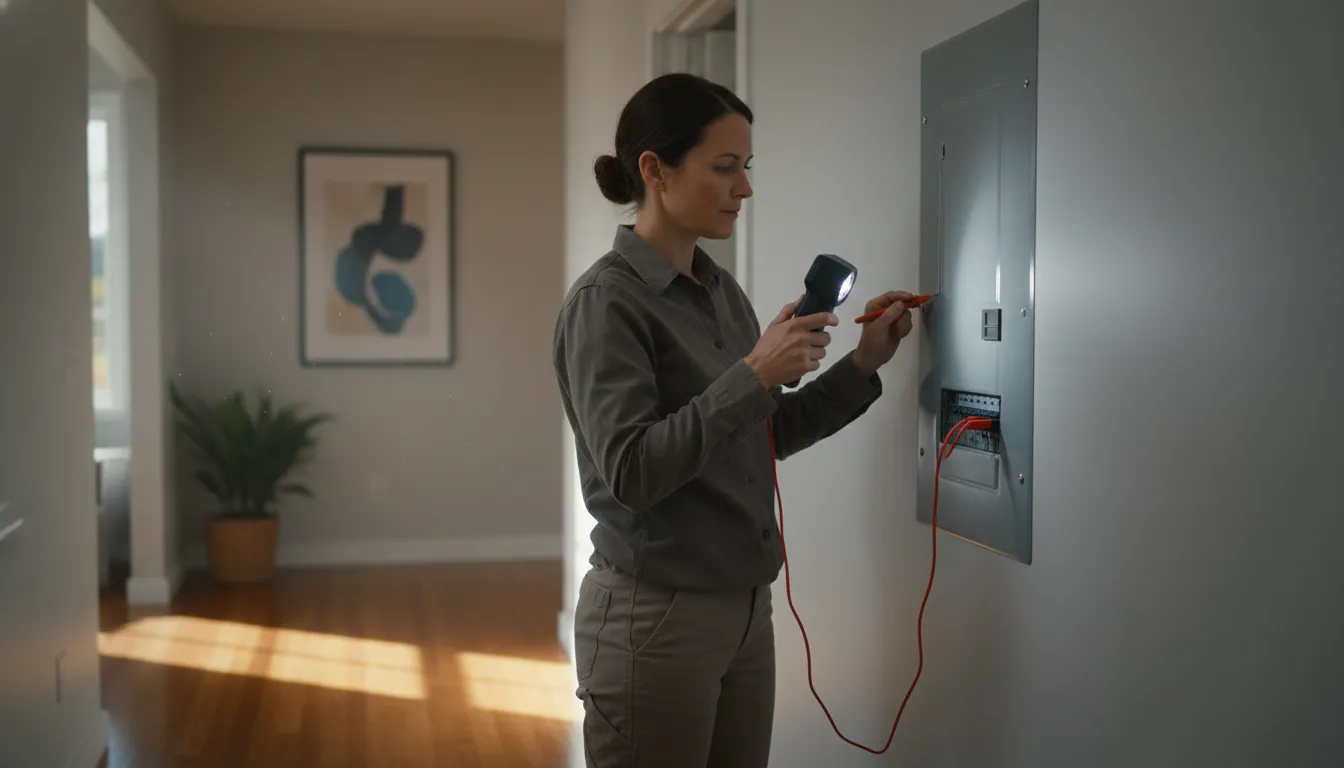
A burning smell, persistent buzz, or hot surface near your breaker panel is not a nuisance to put off. These changes may signal damage where your home’s electrical power is distributed, and a licensed electrician should evaluate them promptly.
Request an electrical safety inspection if your panel is hot, noisy, damaged, wet, or repeatedly tripping.
Pro Tech Power Corp helps homeowners decide whether breaker panel repair or replacement is the safe next step when warning signs appear. Repeated trips, buzzing, heat, burning odors, scorch marks, or damaged breakers warrant an inspection. Leave the panel closed and ask a qualified electrician to assess it instead of attempting a repair.
The key question is which changes at your panel need a prompt electrician visit. It also matters which problems point toward replacement before heat or outages create added risk. Start with Breaker panel repair signs that deserve attention; here is how.
Breaker panel repair signs that deserve attention
A breaker panel does not need to fail completely before it warns you. Repeated trips, a burning smell, or strange sounds can point to heat or damage inside the equipment. If you notice these changes, treat breaker panel repair as a safety issue, not a home project.
Do not remove the cover or try to inspect wiring yourself. The CDC states that electrical work should be done only by qualified persons. A licensed electrician can assess the cause while keeping the panel closed until safe work begins.
Repeated trips and changes in power
A breaker can trip when it responds to a problem on a circuit. Yet trips that happen again after normal appliance use deserve attention. Notice which rooms lose power and what was running at the time. That information helps an electrician trace the issue without you opening the panel.
Watch for lights that dim or flicker when everyday equipment starts. Also note outlets or circuits that stop working while other areas remain normal. These changes do not prove that the panel is damaged. They are reasons to schedule an evaluation through residential electrical services.
Odor, heat, and unusual sound
A burning or hot-plastic odor near the panel is an urgent warning sign. Buzzing, sizzling, popping, or crackling sounds are also not normal background noise. Heat you notice while standing near the panel can add to the concern, even if there is no visible smoke.
Keep your distance if these signs appear. Avoid opening the panel, pressing on breakers, or trying to find the source of the odor. If you see smoke or fire, leave the area and call emergency services. If the concern is odor, sound, or nearby heat, arrange prompt professional service.
Water, corrosion, and visible damage
Look at the outside of the closed panel from a safe distance. Rust, green corrosion, water streaks, dampness nearby, or signs of a leak should be reported. Water exposure can affect electrical equipment, even when the lights still work and breakers seem steady.
Visible scorch marks, dark stains, melted plastic, or a warped panel face also deserve quick attention. Do not wipe, scrape, dry, or reset anything at the panel. Take note of what you can see, then keep people away from the area until an electrician can check it.
One unusual event may be hard to explain from the hallway. Several warning signs, or any sign of heat or burning, call for a timely safety review. Pro Tech Power Corp serves homeowners in the Willamette Valley. To describe the warning signs and request an assessment, contact the team.
What does it mean when a breaker will not reset?
A safety warning, not a diagnosis
A breaker that will not reset is responding to a problem, but the cause is not clear from outside the panel. It may be tied to a fault, a damaged device, damaged wiring, or a breaker that needs review. If it trips again at once, treat that as a warning and do not keep testing it.
The important point is that a failed reset does not tell a homeowner which repair is needed. The CDC electrical safety guidance states that only qualified persons should do electrical work. Observations belong outside the panel, with its cover left in place.
One room without power may feel inconvenient, but a breaker that refuses to stay set deserves care. A repair visit can sort out the cause. Until then, do not assume the circuit is safe just because the lights are off.
What can you note before calling?
You do not need to diagnose the circuit to provide useful details. Note only what you can see, hear, or smell without touching panel parts. These details help describe the issue while you stay clear of electrical hazards.
- Identify what lost power. Note the rooms, outlets, lights, or large appliances affected, without removing covers or touching wiring.
- Look for visible signs from a safe distance. Record smoke, sparks, buzzing, scorching, or a burning odor, then move away if present.
- Recall what was running before the trip. A space heater, kitchen appliance, charger, or power tool may help explain when the issue began.
- Record whether the issue repeated. Note whether the breaker would not stay set, but do not make repeated reset attempts.
- Keep people away from warning signs. If you notice heat, odor, smoke, or noise, avoid that area and report it when you call.
This short record can help an electrician understand what happened before arriving. It also avoids trial-and-error steps near equipment that may not be safe to handle.
When professional service is the next step
A breaker that will not stay reset needs a qualified evaluation, especially when power remains out or warning signs are present. The next step is not opening the panel, removing its cover, or swapping parts. For local help, contact Pro Tech Power through its panel inspection services page.
When you call, share the affected rooms, what was running, and any odor, heat, sound, or visible sign. A clear report keeps the visit focused while leaving breaker panel repair work to a trained professional.
Repair or replacement: how an electrician decides
A breaker that trips is a warning, not a diagnosis. An electrician first finds the cause, then weighs breaker panel repair against panel replacement. This choice depends on the damage, the panel’s safe use, and the home’s needs ahead.
The professional evaluation
Panel work is not a safe test-and-see project for a homeowner. The CDC states that only qualified persons should do electrical work. A trained electrician can inspect the panel while guarding against shock and arc hazards inside it.
The review starts with the affected circuit, breaker fit, bus connections, panel cover, and wiring condition. The electrician looks for corrosion, heat damage, loose parts, or signs of water entry. Repeated trips also call for a load review. A new breaker cannot fix a circuit that is still overloaded.
| Decision factor. | Repair evaluation. | Replacement consideration. |
|---|---|---|
| Damage found. | One serviceable part is affected. | Damage reaches the panel or bus. |
| Corrosion or moisture. | No spread is found in the enclosure. | Rust or water affects key parts. |
| Recurring faults. | The fault has a clear, limited cause. | Problems return across circuits. |
| Panel age and condition. | Parts remain sound and suitable. | Wear or obsolete parts limit service. |
| Added electrical loads. | The existing panel can serve them. | New demand calls for more capacity. |
When repair may fit the problem
Repair may fit when the trouble is limited and the rest of the panel is sound. For example, an electrician may find one failed breaker. If there is no damage to the bus or enclosure, a targeted repair may be possible. The electrician still needs to find why the part failed.
A repair choice should leave the panel safe after the work is done. Panels need suitable protective enclosures, including a dead front. This point appears in a CDC electrical safety checklist. Missing covers or spreading corrosion may point beyond a small repair.
When replacement enters the discussion
Replacement is considered when the panel cannot support a safe repair plan. This may include corroded interior parts, burned connections, or recurring faults. A panel in poor overall condition may also need replacement. Age matters, but safe function leads the decision.
Future load matters as well. Added appliances or charging equipment may change what the home asks of its panel. A licensed electrician can review faults and planned loads through a licensed residential electrician. Then the electrician can explain which option fits the home.
What happens during a professional panel inspection?
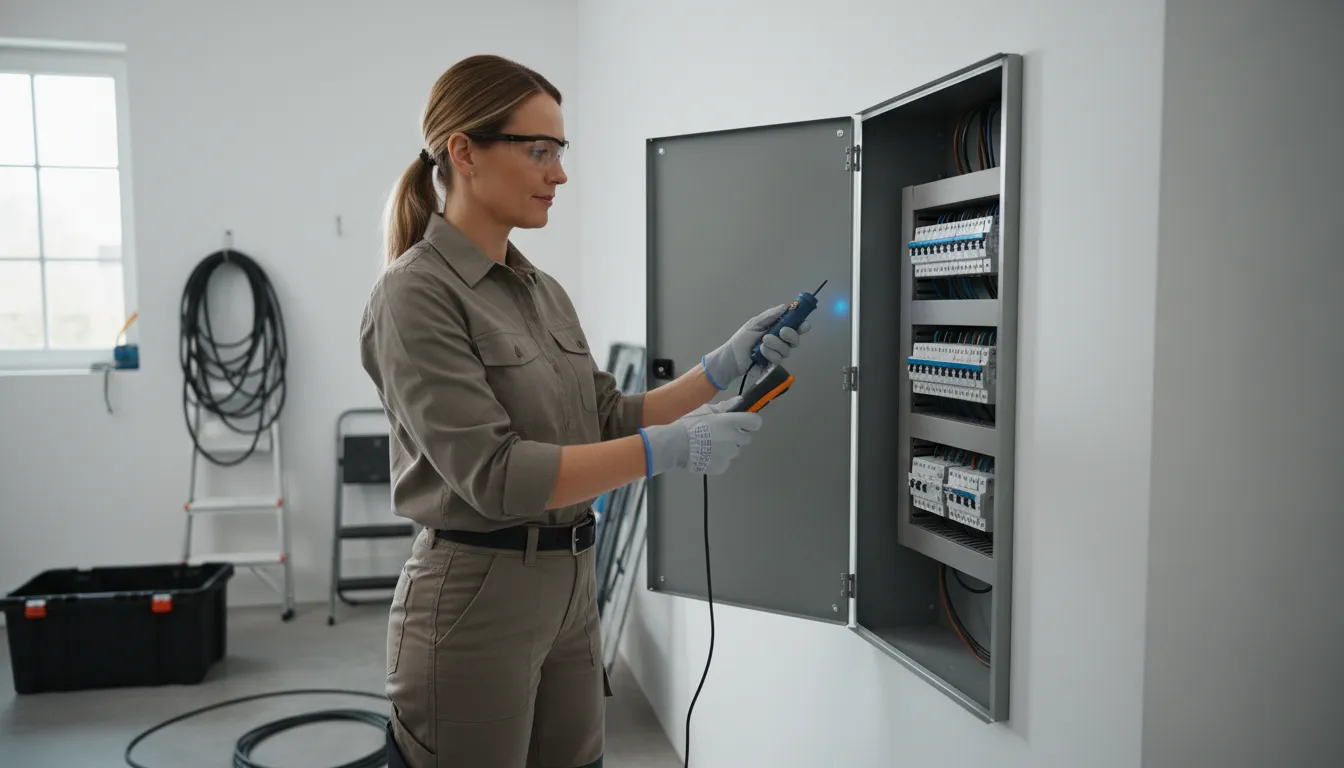
A professional panel inspection starts with your account of the problem. Tell the electrician about tripping breakers, flickering lights, buzzing, warm areas, or burning odors. Details about when a symptom occurs can help narrow the cause.
The goal is not to guess at a quick fix. It is to learn whether breaker panel repair can address the issue safely. The electrician also checks whether the panel still fits the home’s electrical needs.
Your safety concerns and panel condition
Panel work calls for trained care because electricity can cause shock, burns, and fire. The CDC states that qualified persons should do electrical work. Do not remove the panel cover or test internal parts yourself before the visit.
During the appointment, the electrician reviews the symptoms and inspects the accessible panel area. That review may include the cabinet, cover, breakers, labels, and signs of damage. A panel should be housed in an enclosure made for its purpose.
- Describe what you have noticed. Explain which breaker trips and what was running at the time. Mention heat, noise, odor, discoloration, or past electrical work.
- Review visible panel conditions. The electrician looks for damaged parts, poor fit, missing labels, or other warning signs. They may also note issues around the panel location.
- Check the affected circuit. A problem may come from a breaker, a circuit, or equipment served by that circuit. Testing helps avoid replacing a part that is not the cause.
- Assess panel capacity and use. The electrician considers the panel setup and the home’s current electrical demands. This matters when new equipment or repeated overloads may be involved.
- Discuss the repair scope. You should receive a clear explanation of the finding and the proposed work. The next step may be a repair, a panel upgrade, or replacement planning.
Repair compared with replacement
Not every panel issue calls for full replacement. If the panel is in sound condition, a repair may address a failed breaker or another limited problem. Pro Tech Power can explain its electrical repair options after the inspection findings are clear.
Replacement may come into the discussion when the equipment is damaged, outdated, or not suited to present needs. In that case, the electrician should explain why a repair is not the sound path. Ask what work is included and how service to the home will be managed.
Preparing for your appointment
Before the inspection, write down the symptoms and any recent changes in the home. Keep the panel area clear, but do not open the enclosure. If you smell burning or see signs of an urgent hazard, stop using affected circuits. Seek prompt help.
An inspection gives you a practical basis for the next decision. If your breaker panel is showing warning signs, contact Pro Tech Power to request an electrical assessment.
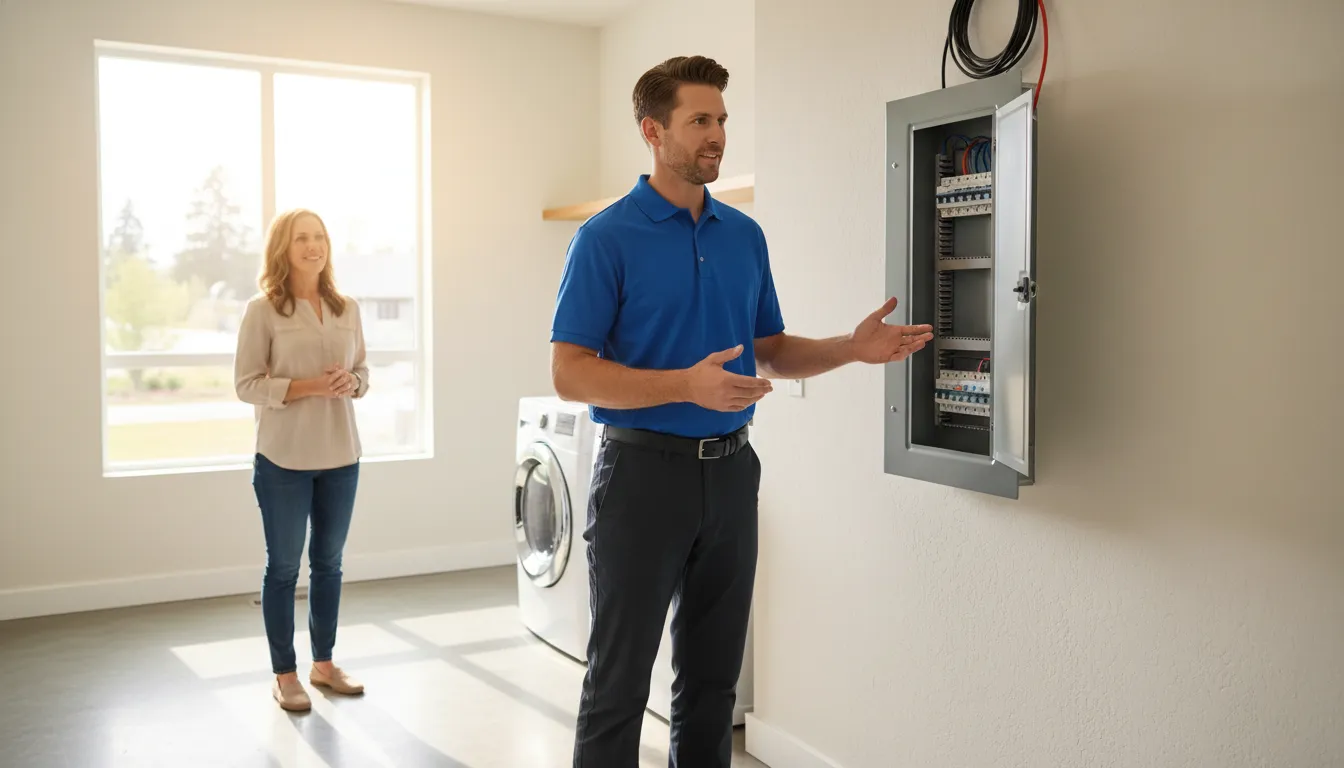
When home projects put more demand on the panel
Planned loads before walls close
A remodel can change how a home uses power. A finished basement may add lighting, outlets, heating equipment, and a workspace on one floor. A kitchen update may add several appliances that run at the same time. Before walls close, ask whether the existing panel can serve those plans safely.
This review is not the same as assuming a replacement is needed. An electrician can look at panel condition, open spaces, planned circuits, and expected load. That step helps the electrical plan match the remodel plan. It can also reveal whether breaker panel repair should be addressed before new branch circuits are added.
An early discussion also keeps choices practical. A homeowner may adjust where equipment goes, or plan access for new wiring before cabinets and finishes are installed. That is easier than learning late that the electrical work needs more space or a different schedule.
Improvements that deserve a panel review
Some projects bring an obvious need for more electrical service points. Others seem simple until the plans include dedicated circuits or added equipment used often. A panel assessment makes sense when the project includes changes such as:
- A kitchen remodel with new cooking, cooling, or dishwashing equipment.
- A bathroom update with added receptacles, lighting, or heated features.
- A home office, workshop, bonus room, or finished basement.
- An outdoor living area with lighting and weather-rated receptacles.
- An addition that expands the home’s daily electrical use.
A contractor should check panel work rather than treating it as a do-it-yourself step. The CDC electrical safety guidance states that electrical work should be done by qualified people. That matters during renovations, when new circuits and existing wiring must work together without shortcuts.
The panel also needs to be reviewed as equipment, not just a box with spare slots. Heat marks, damage, loose parts, or repeated trips can change the project scope. Pro Tech Power’s home electrical evaluation team can help homeowners separate a needed repair from a planned capacity update.
Timing the assessment with the project
The best time to assess the panel is early in planning. Share appliance selections, room layouts, lighting plans, and future uses with the electrician. A homeowner adding a hobby room may have different needs than one adding a simple bedroom. Clear plans make it easier to map circuits before finish work begins.
The review should account for today’s project and plans already on the horizon. If another room update is likely soon, say so during planning. The electrician can explain what the present panel can support. The homeowner can then make choices with a fuller view of the home’s electrical needs.
Early review can also reduce rework. If the panel needs attention, the electrical scope can align with access and the rest of the remodel schedule. Homeowners can view completed residential electrical projects in Pro Tech Power’s project work before discussing a planned upgrade.
A home improvement project is a practical checkpoint for the electrical system. New circuits should start with a panel that is safe, suited to the plan, and ready for daily use. An assessment gives the homeowner clear next steps while the project is still easy to adjust.
When should you request breaker panel repair now?
Warning signs that need a prompt call
Request breaker panel repair now if you notice a burning odor, dark marks, melted plastic, heat, or sparks. A steady buzz or crackle also needs attention. The CDC notes that faulty electrical equipment or installation can create a fire hazard.
Call for help promptly if water reached the panel after a leak, flood, storm, or plumbing problem. Moisture and electrical parts are an unsafe mix, even when the cover looks dry. Do not wait for smoke or a full loss of power before taking that risk seriously.
Repeated breaker trips also call for attention, especially when the same circuit trips again after a reset. A trip can protect the home from a fault. Frequent trips may point to a circuit, breaker, appliance, or panel issue that needs testing.
Safe steps before an electrician arrives
Keep your first response simple and safe. If you see smoke, fire, or active sparks, leave the area and call emergency services. If it is safe to move away, keep people and pets clear of the panel.
- Do not remove the panel cover or touch damaged parts.
- Do not use water near sparks, smoke, or electrical equipment.
- Do not keep resetting a breaker that trips again.
- Stop using items on an affected circuit if you can do so safely.
- Note odors, noises, heat, trips, and any recent moisture exposure.
A homeowner should not open the panel to inspect wiring or try a repair. Only qualified people should do electrical work on a panel. An electrician can inspect the panel, find the fault, and explain the safe next step.
Try to notice which room or appliance lost power, but do not test the panel yourself. Avoid touching the panel door if it feels hot or moisture is present. This information can help an electrician investigate while you remain safely away from damaged equipment.
Getting local help for panel concerns
For homes in Tigard, Portland, and nearby communities, panel trouble can disrupt daily routines and raise urgent safety concerns. Pro Tech Power Corp provides breaker panel evaluations for homeowners who need a trained evaluation instead of guesswork.
When you request service, describe the sign you noticed and when it began. Include whether breakers are tripping, the panel feels hot, or moisture was nearby. Mention any outage in part of the home. These details help the team prepare for a safe visit.
Do not delay a call when a panel smells burned, shows heat damage, makes persistent noise, sparks, gets wet, or keeps tripping. Use the contact form for a service request so a qualified electrician can assess the panel without a risky do-it-yourself check.
Frequently Asked Questions
How much does it cost to fix a breaker panel?
The cost of breaker panel repair depends on whether the problem is a failed breaker, damaged connection, or a panel that needs replacement. For reference, The Spruce reports an average electrical panel replacement cost of about $2,500 when required components and professional labor are included. An electrician must inspect the panel before providing a reliable repair or replacement estimate.
Can I replace a circuit breaker myself?
No. A breaker panel may remain energized even when individual breakers are switched off, and contact with live components can cause serious injury or fire. The CDC/NIOSH electrical safety guidance states that electrical work should be performed by qualified persons. A licensed electrician can identify the correct repair, compatible parts, and required safety checks without exposing a homeowner to panel hazards.
Why does my circuit breaker keep tripping?
A circuit breaker can trip because a circuit is overloaded, a device or cord has a fault, or wiring and panel components need inspection. Resetting a breaker once may restore power after an isolated event. Because the CDC/NIOSH identifies faulty electrical equipment or installations as fire hazards, recurring trips, heat, buzzing, or burning odors should be evaluated by a qualified electrician.
How long does breaker panel repair take?
Repair timing depends on the fault, panel condition, part availability, permit requirements, and whether replacement becomes necessary. Replacing one compatible breaker is generally less involved than replacing an outdated or damaged panel. During the appointment, an electrician can inspect the equipment, explain whether repair is appropriate, and provide a project timeline before additional work begins.
What breaker is compatible with my electrical panel?
The correct breaker must match the panel manufacturer’s approved specifications and the circuit’s requirements. Similar-looking breakers are not automatically interchangeable. A mismatched component may not operate correctly or may create unsafe conditions inside the panel. Since the CDC/NIOSH electrical safety guidance limits electrical work to qualified persons, an electrician should identify and install the approved replacement breaker.
Ready to request a breaker panel inspection?
Ignoring breaker panel warning signs can prolong uncertainty about your home’s electrical system and leave recurring interruptions unresolved when your household needs dependable power. Starting now lets a qualified electrician review your concerns, inspect the panel, and explain whether repair or replacement is the practical next step. That early conversation can replace guesswork with a service plan, helping you decide what to address first and when to schedule the work.
Ready to take action before panel concerns become harder to manage or disrupt your next home project? Request an electrical safety inspection to contact Pro Tech Power Corp and schedule a residential electrician today. Begin with details about the signs you noticed and the questions you need answered.