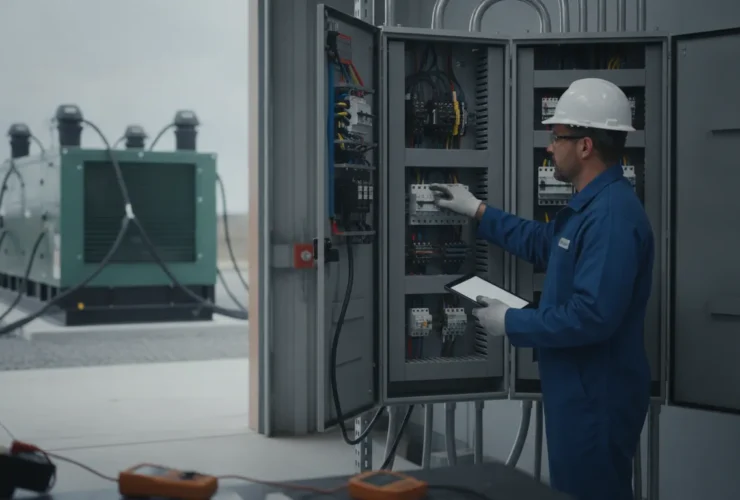
Whole Home Surge Protector Portland Oregon Guide
One brief voltage spike can reach every hardwired appliance before you notice a flicker. Portland-area homes need protection at the electrical panel, not only at a few wall outlets.
Request a quote for whole-home surge protection installation.
A whole home surge protector Portland Oregon homeowners rely on is installed at the electrical panel to limit damaging voltage spikes across the home’s circuits. It reacts when incoming voltage rises, routing excess energy away from connected circuits before it reaches refrigerators, heat pumps, computers, and other costly electronics. This matters because surges can start outside the home or with equipment switching inside it; federal research recorded internally generated surges as high as 2,500 volts. That panel-level coverage helps protect both plugged-in devices and hardwired equipment that power strips cannot reach, including HVAC systems and major appliances. Professional installation ensures the device is matched to the home’s panel, grounded correctly, and placed where it can respond to surges.
This guide answers whether whole-home surge protection makes sense for Portland-area homes, what to look for, and why panel installation matters.
First, understanding what a whole-home surge protector does makes every later choice clearer.
What a whole home surge protector Portland Oregon installation does
Installed at the main electrical panel, a whole-home surge protector watches the power entering and moving through the home’s circuits. When voltage rises above the device’s set level, the protector redirects excess energy before it can continue through the wiring. It serves as a first layer of protection for connected equipment throughout the house.
Protection at the electrical panel
Surges do not come only from events outside the home. They can arrive through the service line, and they can also start when equipment switches on or off. A panel-mounted protector responds at a shared point before excess voltage reaches individual branch circuits.
This broad placement matters because many built-in devices cannot use a plug-in strip. Heating and cooling equipment, hardwired lighting controls, and major appliances connect through the home’s circuits. NIST monitoring found both internal load-switching surges and external surges, which shows why protection at the panel can play a useful role.
Layers of surge protection
A whole-home device and a point-of-use strip protect at different places. The panel device handles excess voltage near the electrical system’s entry point. A quality strip adds another layer beside a specific device, such as a computer, television, or home office setup.
- Panel-mounted protection covers circuits across the home from one central location.
- Point-of-use protection sits between a wall outlet and selected plug-in equipment.
- Using both creates layers rather than asking one device to handle every exposure.
The right setup depends on the panel, grounding, connected equipment, and the home’s electrical needs. A residential electrical team can review those parts together before recommending whole-home surge protection installation. For homeowners seeking a whole home surge protector in Portland, Oregon, that review also helps match the device to the existing electrical system.
What the protector cannot do
Whole-home surge protection has limits. It does not supply backup power during an outage, and it does not fix worn wiring or poor grounding. It also cannot promise that every connected item will avoid damage from every electrical event.
The device is one part of a sound electrical plan, not a substitute for upkeep or safe wiring. Its job is narrow and useful: reduce excess voltage that reaches home circuits. Point-of-use strips can then provide added protection for selected electronics where they plug in.
Why surge protection matters in Portland, Oregon
Portland-area homeowners often think about surge risk only when a storm arrives. Yet a surge is not the same as an outage. An outage stops the flow of power, while a surge is a brief rise in voltage. A blackout is easy to notice, but a short surge can pass without a clear warning.
Choosing a whole home surge protector in Portland Oregon is less about predicting the next storm. It is about adding a steady layer of protection for equipment connected throughout the house. That approach matters during severe weather, grid disruptions, and ordinary daily use.
Surges from outside the home
Some surges enter from outside through the electrical service. In residential monitoring, the National Institute of Standards and Technology identified external surges most likely tied to lightning. The same research found that surge protection devices reduced the voltage levels observed during later monitoring.
Grid disruptions and outages also give homeowners a reason to review how their electrical systems are protected. Surge protection does not keep the lights on when utility power is unavailable. Homeowners concerned about longer interruptions should consider backup power solutions as a separate part of their plan.
Surges created inside the home
Weather is only part of the picture. The NIST monitoring also identified load switching within the house as a major source of surge voltage. This means a home can face electrical stress on a calm day, even when the local grid appears stable.
Internal surges may repeat over time without an obvious event that alerts the homeowner. Whole-home protection helps address both directions of risk because it is installed at the electrical panel. It adds protection before excess voltage reaches many connected circuits and devices.
A layered local protection plan
A practical Portland-area plan separates three concerns: excess voltage, loss of power, and wiring condition. A whole-home surge device addresses excess voltage. Backup power addresses outages, while wiring and grounding problems need their own inspection and repair.
Plug-in protectors can still support individual electronics, but they do not replace protection at the main panel. A electrical professionals can review the panel, grounding, and household needs before recommending an installation. This review helps match the protection plan to the home’s actual electrical system.
Is whole-home surge protection worth it?
A whole-home surge protector is worth considering when one electrical event could affect several costly systems at once.
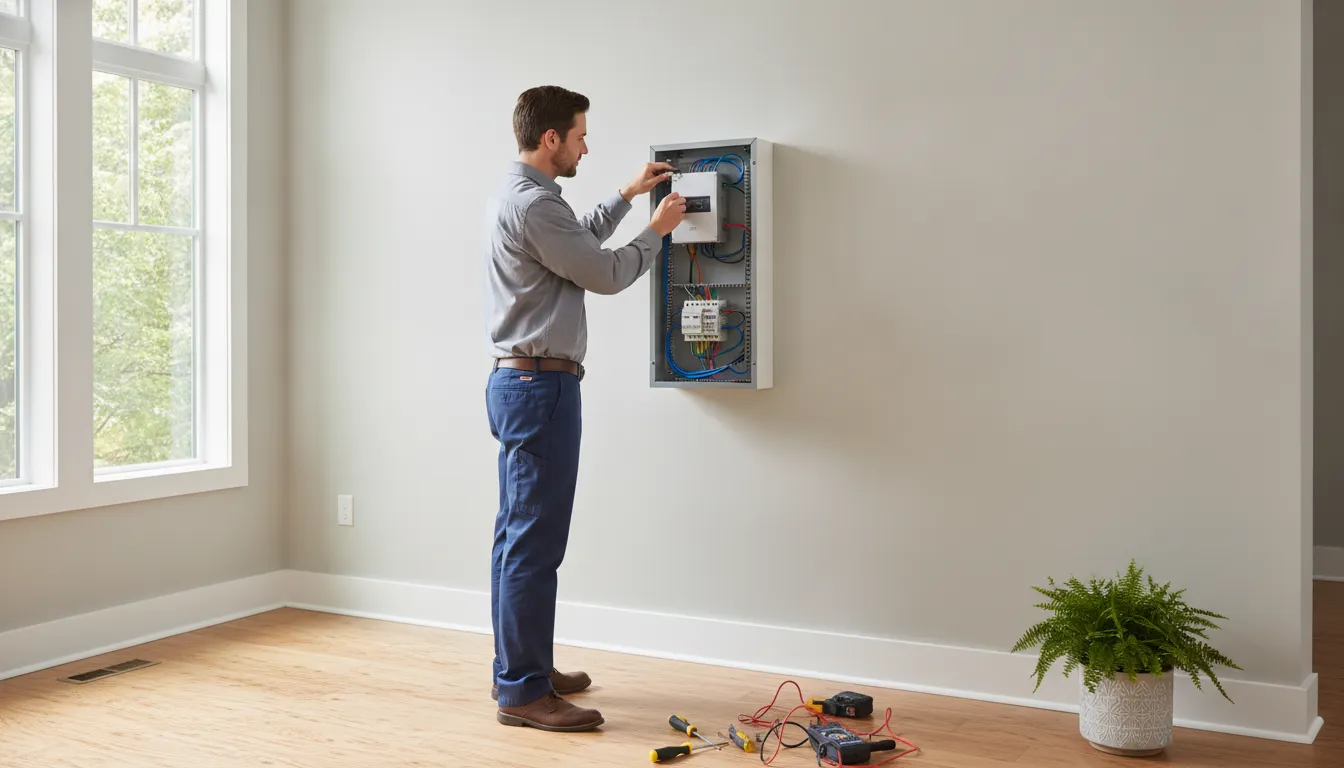
It is not a promise against every fault or outage. Instead, it adds a first layer of protection at the electrical panel.
Homes with more to protect
The case becomes stronger when your home depends on sensitive electronics throughout the day. A home office may include computers, monitors, network gear, and stored work files. Modern HVAC controls, smart appliances, entertainment systems, and recent kitchen upgrades can also raise the stakes.
- You work from home and rely on computers, internet equipment, or specialized tools.
- Your heating and cooling system uses electronic controls that would be costly or disruptive to replace.
- You recently added smart appliances, an entertainment system, or other major electrical upgrades.
- Your household has many devices spread across rooms, making plug-in protection hard to manage.
An older electrical system can also make a panel review useful, but surge protection does not repair worn wiring or poor grounding. Those issues need their own fixes. An electrician can check whether other electrical work should come before surge protection installation.
What protection can and cannot do
Electrical surges do not come only from lightning. A NIST study of residential surges identified load switching inside homes and external surges coming through the service drop. A panel-mounted device can reduce exposure to surge voltage, but no device can remove every electrical risk.
Whole-home protection also differs from backup power. It does not keep lights or HVAC equipment running during an outage. It also does not replace plug-in protection for equipment that needs another layer of defense.
Value depends on what is connected, what repairs may cost, and how much disruption a damaged system could cause. Homeowners should weigh those factors rather than expect a blanket promise of protection.
Questions to ask before installation
A useful decision starts with the panel, grounding, connected equipment, and the value of recent upgrades. Ask a electrical services team to inspect the system and explain what the proposed device will cover. The review should also show whether the panel has space and whether other work is needed.
- Which major appliances and systems contain sensitive electronic controls?
- Does the existing panel or grounding need attention first?
- How will the device show that it is still working?
- Will sensitive equipment also need point-of-use surge protection?
For a whole home surge protector in Portland, Oregon, local installation conditions matter more than a blanket yes or no. A panel review can show whether the added protection fits your home, equipment, and plans for future upgrades.
Whole-home protection versus surge strips
A whole-home surge protector and a plug-in surge strip work at different points in your electrical system. One guards circuits from the panel, while the other guards selected devices at an outlet. Using both creates layered protection rather than forcing one device to handle every risk.
Panel-level coverage
Surges can begin inside a house through load switching or arrive from outside through the service drop. Research from NIST found both sources while monitoring homes. This finding shows why protection at only one outlet leaves a gap.
A whole-home device is installed at the electrical panel. It reduces excess voltage before that energy moves farther into the home’s circuits. This broad coverage includes hardwired equipment that cannot connect to a plug-in strip.
Panel installation involves live electrical equipment and should not be treated as a do-it-yourself project. A qualified local electrician can check the panel, grounding, and chosen device before installation.
Where plug-in surge strips fit
Plug-in surge strips add focused protection where sensitive devices connect to wall outlets. They are useful for items grouped in one place, such as computers, monitors, and home entertainment equipment. A basic power strip only adds outlets, so check that the product is marked for surge protection.
| Comparison point | Whole-home protector | Plug-in surge strip |
|---|---|---|
| Protection point | Main electrical panel | Wall outlet |
| Coverage | Home circuits and hardwired equipment | Devices plugged into the strip |
| Installation | Installed at the panel | Connected by the homeowner |
| Best use | Broad first layer | Added device-level layer |
| Key limit | Does not replace device-level protection | Does not cover other outlets or hardwired loads |
Why layered protection matters
No surge protection device can prevent every possible loss. A panel-mounted device handles broad exposure, while quality surge strips add another barrier for selected electronics. Together, they limit the number of unprotected paths within the home’s electrical system.
For homeowners seeking a whole home surge protector in Portland, Oregon, the first step is a panel and grounding review. That review helps match the panel device to the home’s electrical setup. After installation, use surge strips for sensitive plug-in equipment and replace damaged or worn strips.
How a qualified electrician installs surge protection
A whole-home surge protector connects at the electrical panel, where unsafe work can expose a person to live voltage. A qualified electrician handles this work with the right safety gear, tools, and knowledge of the home’s electrical system.
Homeowners seeking a whole home surge protector in Portland, Oregon, should expect more than a quick device install. A panel installation team first checks the panel, grounding, and the home’s protection needs.
System assessment and device selection
The electrician starts by asking about recent electrical issues, valuable equipment, and planned upgrades. Next, they inspect the main panel for its type, condition, available space, and signs of past damage.
They also review grounding and bonding because these systems give unwanted electrical energy a safe path. This assessment matters since surges can come from outside the home or from load switching inside it. A NIST study of residential surges recorded both sources.
Device selection follows the assessment. The electrician matches the surge protective device to the panel, electrical service, maker requirements, and the level of protection the home needs. They also choose a placement that supports the device’s listed connection method and keeps the installation orderly.
Safe installation process
The exact work varies by panel and device. Still, a professional installation follows a clear sequence that keeps safety and system fit at the center. Homeowners should leave the panel closed and let the electrician complete each step.
- The electrician documents the panel condition, confirms the selected device is compatible, and plans its placement.
- They safely shut down the electrical system and verify the work area is not energized before touching panel components.
- They mount the surge protector at or near the main panel, following its listed installation requirements.
- They make the required panel connections while keeping conductors arranged as the device maker directs.
- They inspect the completed work, restore power, and check the device’s status indicator for normal operation.
- They label the installation and record key device details for future reference.
This is not a safe DIY project. The main panel can contain dangerous voltage, and a poor connection may reduce protection or create a new electrical hazard. Professional testing also helps catch a loose connection or device fault before the electrician leaves.
Homeowner walkthrough and upkeep
After installation, the electrician explains what the surge protector does and what it does not do. Whole-home protection helps reduce surge voltage across the electrical system. It cannot prevent every form of electrical damage.
The walkthrough should show the homeowner how to read the status light and when to request an inspection. It should also cover device replacement guidance and any panel concerns found during the assessment.
Finally, the electrician answers questions and provides the product information. This leaves the homeowner with a clear way to check protection without opening the panel or handling electrical parts. Keeping those details nearby can also make future electrical work easier to plan.
What to consider before choosing a surge protector
Choosing a whole home surge protector in Portland, Oregon, starts with the electrical panel, not a product label. The right device must fit the home’s electrical system and support a clear plan for installation, checks, and replacement.
Ratings and system compatibility
Ask what each device rating means and how it relates to the home’s needs. A higher capacity can help a device handle stronger surge events, but one number does not tell the full story. The electrician should explain the rating, protection level, and limits in plain terms.
Compatibility matters just as much as the rating. The device must suit the panel, electrical service, available space, and installation method. An electrician can also check wiring and grounding conditions before recommending a device. Pro Tech Power Corp’s licensed electrical contractor services include residential electrical work across the Portland metro area.
Installation location and status lights
Ask where the protector will be installed and whether that spot allows safe access for future checks. Whole-home units are commonly placed at the main electrical panel. The exact location depends on the panel layout and the device’s instructions.
Surges can come from load switching inside a house or from outside sources linked with lightning. A NIST residential surge study also found that surge protection devices reduced observed surge levels. These findings make proper device selection and placement important parts of the plan.
Many protectors use indicator lights to show their status. Ask what each light means, how often it should be checked, and what to do if it changes. A visible light is only useful when the homeowner knows how to read it.
Warranty terms and replacement planning
Read the device warranty before installation. Check what the manufacturer covers, what it excludes, and whether registration or proof of installation is needed. Also ask whether the warranty covers the protector itself, connected equipment, or both. Do not treat warranty language as a promise that damage cannot occur.
A surge protector does not last forever. Replacement may be needed after a major surge, a failed status check, or another condition named by the manufacturer. The replacement timeline can vary by device and site conditions.
- Which ratings matter for this home’s electrical system?
- Is the device listed as compatible with the current panel?
- Where will it be installed, and can its status light be seen?
- What warranty steps must the homeowner complete?
- Which signs or events mean the device should be replaced?
Clear answers make it easier to compare options without relying on a single rating or broad claim. Keep the product guide and installation record where they can be found during future electrical work.
Why professional installation matters
A whole-home surge protector connects at the electrical panel, where incoming power feeds the home’s circuits. This location makes installation different from plugging a surge strip into a wall outlet. Work inside the panel can expose a person to live parts, even when some breakers are off.
Shock and arc hazards
An incorrect move near energized panel parts can cause electric shock or an arc. An arc can release intense heat and damage nearby equipment. Safe work calls for the right protective gear, tools, testing steps, and a clear plan for the panel.
A professional also checks the panel before adding equipment. Signs of heat, corrosion, loose parts, or crowding may change the installation plan. A Pro Tech Power Corp electrical services can assess those conditions and place the device without creating new hazards.
Grounding, code, and compatibility
A surge protector must suit the home’s electrical service and the panel’s design. The electrician checks the device type, voltage rating, breaker needs, available space, and manufacturer instructions. They also confirm that the grounding and bonding paths are sound.
- The device must match the electrical system and panel.
- Connections should be secure, short, and routed as directed.
- The installation must follow current code and product instructions.
- The panel needs enough safe space for the required connection.
- Grounding or bonding faults should be fixed before relying on protection.
These details affect how safely and reliably the protector can respond. Research from the National Institute of Standards and Technology found that residential surges can come from load switching inside a home and from outside sources. Proper device selection helps the system address the kinds of surges it may face.
Testing the completed installation
Installation does not end when the device is attached. The electrician checks connections, restores power in a controlled way, and confirms the protector’s status indicator. They can also explain how to inspect that indicator and when to request another check.
Professional review is useful during a panel change, remodel, or planned build because surge protection can be considered with the full electrical system. Pro Tech Power Corp includes this type of system planning in its new construction electrical work.
For homeowners comparing a whole home surge protector in Portland, Oregon, installation quality matters as much as the selected device. A compatible product, sound grounding, safe panel work, and final testing form one complete protection plan.
Frequently Asked Questions
What are the benefits of a whole home surge protector?
A whole-home surge protector limits excess voltage before it reaches appliances, electronics, and connected systems throughout the house. It can reduce damage from both outside events and routine electrical activity inside the home. The National Institute of Standards and Technology found that surge protective devices considerably reduced observed surge voltage levels.
How does a whole house surge protector work?
A whole-house surge protector is installed at or near the main electrical panel. When voltage rises above a safe level, the device redirects excess energy away from protected circuits. Normal power continues flowing to the home. This helps limit surges from external sources, such as lightning, and internal sources, such as large appliances switching on or off.
Do I need a surge protector for my whole home in Portland?
Whole-home surge protection is worth considering for Portland-area homes with sensitive electronics, modern appliances, heat pumps, or connected systems. Surges do not come only from lightning. They can also begin inside a home when electrical loads switch. An electrician can review the panel, grounding, and household equipment to determine whether whole-home protection is appropriate.
Does a whole-home surge protector require professional installation?
A whole-home surge protector connects at or near the electrical panel, where unsafe work can cause shock, fire, or equipment damage. Installation should be handled by a qualified electrician. The electrician can confirm that the device matches the electrical system, inspect grounding, choose the proper connection point, and verify operation after installation.
What is the difference between a whole home and a plug-in surge protector?
A whole-home surge protector limits excess voltage at the electrical panel, protecting many circuits and hardwired systems. A plug-in protector covers only the devices connected to that unit. Using both creates layered protection for sensitive electronics. For plug-in models, Portland General Electric recommends looking for at least 700 joules and notes that higher joule ratings provide better protection.
Ready to Plan Whole-Home Surge Protection?
Delaying installation can leave appliances, electronics, and essential home systems exposed when the next unexpected voltage spike reaches your electrical panel. Starting now gives you time to understand your home’s needs, compare suitable options, and plan the work before another surge occurs. A clear plan also helps you avoid rushed decisions after damage has already disrupted your household and created an urgent repair need.
Ready to protect your home with a practical plan? Request a quote to discuss whole-home surge protection installation for your Portland-area home with Pro Tech Power Corp. Contact the team now to start planning an installation timeline that fits your household and protects the equipment you rely on each day.