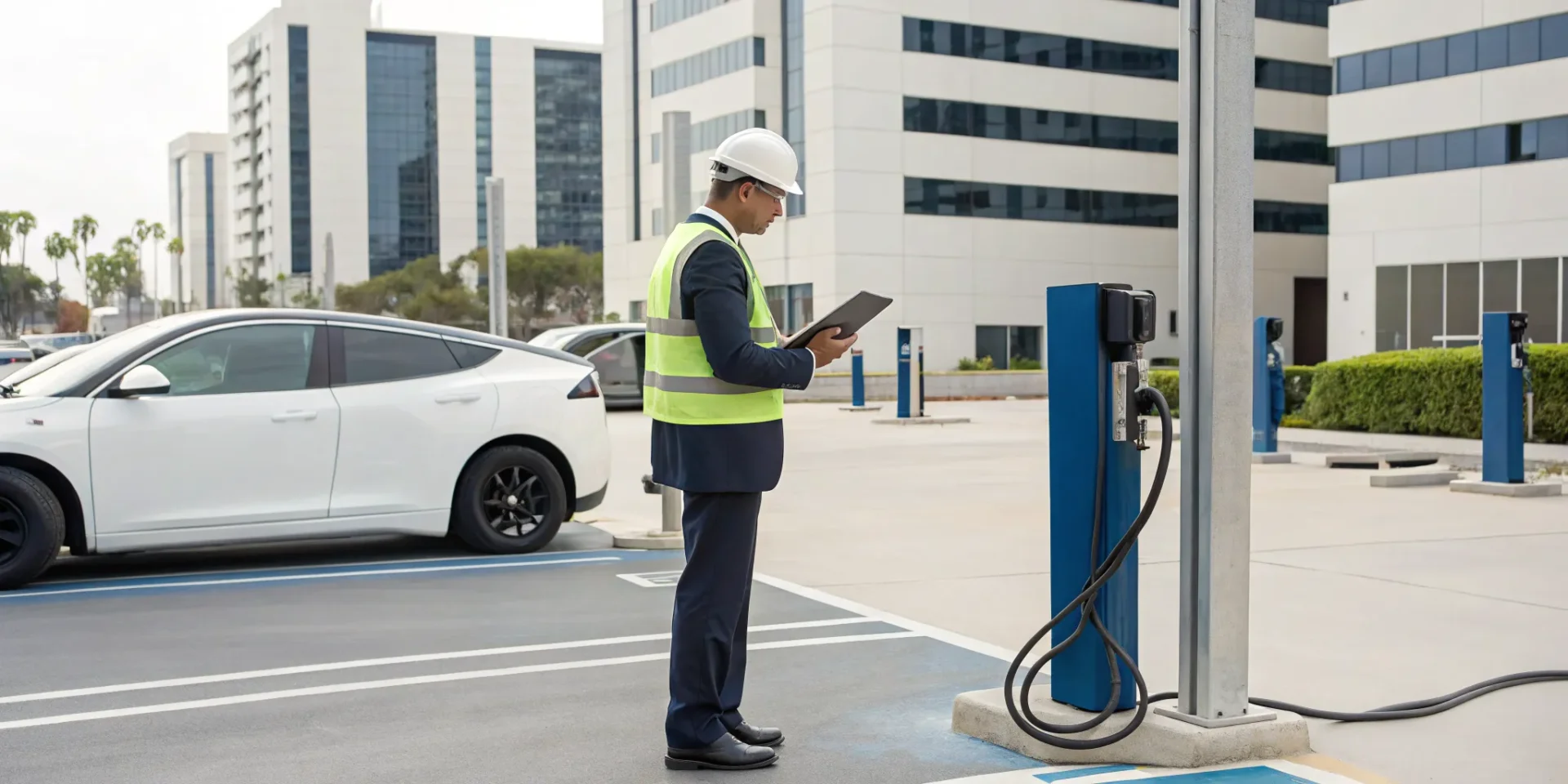
How to Hire an EV Charger Installer in Portland
Choosing an EV charger installer in Portland starts with a careful site assessment, not a one-size-fits-all quote. A qualified installer should confirm your charger’s electrical requirements, evaluate available panel capacity, plan the circuit route, and identify applicable permit and code needs before work begins. This approach helps clarify the installation scope early and gives you practical questions to ask when comparing professionals.
Pro Tech Power Corp is a Portland-area electrical contractor that helps homeowners plan EV charger installations around their property and charging goals. Explore our residential electrical work, review the next-step checklist for hiring an electrician for EV charger installation, learn about Level 2 charger installation requirements, or see when an electrical panel upgrade in Portland may be needed.
Ready to discuss your home and charger? Contact Pro Tech Power Corp to request a site assessment and quote.
Key Takeaways
- Choose an EV specialist, not just any electrician: A proper installation requires more than a standard electrical license. Prioritize professionals with specific training and experience in EV chargers to ensure the work is safe, code-compliant, and protects your vehicle’s warranty.
- A professional installation is a multi-step process: The job isn’t finished once the charger is on the wall. A qualified installer will conduct a full site assessment, manage all necessary permits, and perform final testing to guarantee your system is reliable and efficient from day one.
- Ask the right questions before you hire: Get the best partner for the job by verifying their license and insurance, asking to see past projects, and requesting a detailed written quote. This simple vetting process helps you avoid unexpected costs and ensures you’re working with a true professional.
What Qualifications Should Your EV Installer Have?
Hiring someone to install your EV charger isn’t like finding a general handyman. This is a specialized electrical project that directly impacts your home’s safety and your vehicle’s performance. The right installer will have a specific set of credentials that go beyond a standard electrical license. Think of it as hiring a specialist for a specific procedure; you want someone who has done this exact job many times before and has the training to prove it.
Before you even start comparing quotes, your first step is to verify every potential installer’s qualifications. A true professional will have their credentials ready to share and will understand why you’re asking. This initial screening will help you filter out unqualified individuals and ensure you’re only considering experienced experts who can complete the job safely and correctly. Making the right choice here protects your home, your car, and your peace of mind.
Licensed, Bonded, and Insured
These three terms are your first line of defense when hiring any contractor, and they are absolutely non-negotiable for electrical work. A licensed electrician has proven their knowledge and competence to the state, ensuring they are qualified to work on your home’s electrical system. Bonded means the contractor has a surety bond, which protects you financially if they fail to complete the job properly. Finally, insurance covers any accidental damage to your property during the installation.
Asking for proof of these credentials is a standard part of the hiring process. A reputable company will be fully transparent about their qualifications. This trio of credentials ensures the installer performs work that meets local building codes and safety standards, protecting you from faulty work and potential liability.
Specialized EV Training and Certifications
Not all licensed electricians are equipped to install EV chargers. This job requires specific knowledge of high-voltage systems, different charger models, and the unique power demands of electric vehicles. That’s why you should look for an installer with specialized training and certifications for EV charger installation. As one industry resource points out, you need someone with special certification because general electricians may not be trained for this specific task.
Installers with this training understand the latest technology and know how to ensure your new charger works seamlessly with your car. They can also help you with warranty requirements for both your vehicle and the charger itself. Choosing a certified expert ensures your electrical work is done safely and efficiently, without risking damage to your expensive new car.
What to Expect During the Installation Process
Getting a home EV charger installed is an exciting step toward easier, faster charging. While it’s a job for a professional, knowing what the process involves can give you peace of mind and help you know what to expect on installation day. A qualified electrician will handle everything from the initial assessment to the final power-up, ensuring your new charger is safe, efficient, and ready for your vehicle.
The entire process is designed to be smooth and, in most cases, can be completed in a single day. It’s far more involved than simply mounting a unit on the wall; it requires a deep understanding of your home’s electrical system to ensure it can handle the new load safely. Your installer will manage the technical details, including any necessary permits and inspections, so you can focus on the fun part: plugging in your car. From start to finish, a professional installation prioritizes safety and long-term reliability, giving you confidence every time you charge. Understanding these steps helps you ask the right questions and ensures you’re getting a high-quality installation that will serve you well for years. Let’s walk through the three main stages.
The Initial Site Assessment
Before any work begins, your electrician will perform a thorough site assessment. This isn’t just a quick glance; it’s a detailed evaluation of your home’s electrical infrastructure. The installer will inspect your main electrical panel to confirm it has enough capacity to support the charger. They’ll also determine the best location for the charger in your garage or driveway, considering factors like cable length and your daily parking habits. This assessment helps map out the plan for running a new, dedicated circuit from the panel to the charger location, which is a critical step for safe and reliable residential electrical services.
Permitting and Electrical Work
With a plan in place, the next step is the technical work, which often starts with securing the necessary electrical permits. A professional installer handles this paperwork for you, ensuring the project complies with all local and national safety codes. This is a non-negotiable step that protects your home, your vehicle, and your property value. Once the permits are approved, the electrician will run the new wiring and install a dedicated breaker in your panel specifically for the EV charger. This isolates the charger from your home’s other circuits, preventing overloads and ensuring a safe electrical system.
Charger Mounting and Final Checks
The final stage is when you see it all come together. The electrician will securely mount the charging station to the wall and connect it to the new circuit. They won’t leave until they’ve performed a series of final checks and tests to confirm everything is working perfectly. This includes verifying the correct voltage, checking all connections, and running a test charge. They should also walk you through the basic operation of your new charger and answer any questions you have. Once they’re done, you’re officially ready to enjoy the convenience of charging your EV at home.
How Much Does EV Charger Installation Cost?
Let’s talk about the investment. Installing a home EV charger is one of the best ways to make your electric vehicle experience seamless, but it’s natural to wonder about the price tag. The final cost isn’t a one-size-fits-all number; it depends on your home’s specific electrical setup, the type of charger you choose, and where you want it installed. Think of it as a permanent upgrade to your home that adds convenience and value.
The total price includes the charger itself, the professional installation, and any necessary permits. While there’s a typical range, a professional assessment is the only way to get a precise figure for your property. A qualified electrician will look at your electrical panel’s capacity, the distance from the panel to your desired charging location, and whether any trenching or drywall work is needed. Understanding these variables will help you see exactly what you’re paying for and why it’s a worthwhile addition to your home.
A Breakdown of Typical Costs
For a standard home EV charger installation, you can generally expect the cost to range from $800 to $2,500. This price covers the labor and materials needed to get your Level 2 charger up and running safely. The main factors that influence where you land in that range are the complexity of the wiring run and the current state of your electrical panel. If your panel is already equipped to handle the load and is close to your garage, the cost will be on the lower end.
This investment gets you the convenience of fast, reliable charging at home. A Level 2 charger can add between 10 and 60 miles of range per hour, a huge step up from the 2 to 5 miles per hour you get from a standard wall outlet. When you’re ready for a precise figure, the best first step is to request a custom quote.
Factoring in Rebates and Incentives
The good news is that the initial quote often isn’t the final price you’ll pay. Various government and utility programs are available to make switching to an electric vehicle more affordable. You may be able to take advantage of federal tax credits, which can significantly reduce your out-of-pocket costs. Additionally, many state and local utility companies offer their own rebates and incentives for installing a home charger.
These programs can change, so it’s helpful to work with an installer who stays current on the latest offerings. We can help you identify the savings you qualify for and guide you through the application process. Taking a few minutes to explore these options can save you hundreds of dollars, making your home charging setup even more affordable.
Avoiding Unexpected Expenses
The best way to avoid surprise costs is to hire a qualified professional from the start. While a handyman or a general electrician might offer a lower initial quote, they may not have the specialized training required for EV charger installations. This can lead to failed inspections, costly rework, or even unsafe wiring. An installer with specific EV certification understands the unique power demands and safety protocols involved.
Before work begins, make sure you receive a detailed, written estimate that breaks down all the costs, including materials, labor, and permit fees. This transparency ensures there are no hidden charges later on. By choosing a reputable contractor, you’re not just paying for an installation; you’re investing in the peace of mind that comes from knowing the job was done right. If you’d like a clear, upfront estimate, feel free to get in touch with our team.
Why You Should Hire a Professional (Not DIY)
Tackling a home project yourself can be satisfying, but installing an EV charger isn’t like hanging a new light fixture. This is a high-powered electrical installation that connects directly to your home’s main panel and your expensive new vehicle. While it might seem like a way to save money, a DIY approach can lead to serious safety hazards, voided warranties, and performance issues down the road. This isn’t just about connecting a few wires; it involves understanding your home’s electrical load capacity, selecting the right circuit breaker, and ensuring the wiring can handle a continuous, heavy draw of power for hours at a time.
Hiring a professional electrician ensures the job is done right from the start, giving you peace of mind and a reliable charging solution for years to come. It’s an investment in the safety of your home and the longevity of your electric vehicle. A qualified expert handles everything from the initial site assessment and permitting to the final testing, making sure your charging station is efficient, safe, and built to last. Let’s look at the key reasons why this is a job best left to the pros.
For Safety and Code Compliance
Working with your home’s electrical system is inherently risky. A licensed electrician has the training to handle high-voltage connections safely, protecting your home from potential fire hazards and electrical shorts. Beyond personal safety, EV charger installations must comply with the National Electrical Code (NEC) and specific local building codes. A professional installer understands these complex requirements, ensuring your setup is fully compliant. This prevents future headaches with home inspections or insurance claims. Using an electrician with specialized EV training guarantees your installation meets all necessary safety standards.
To Protect Your Warranty
Did you know that a DIY installation could void your electric vehicle’s warranty? Many EV manufacturers specify that charging equipment must be installed by a certified professional. If an issue arises with your car’s battery or onboard charging system, the manufacturer may deny your warranty claim if they discover the charger was installed improperly. Hiring a qualified electrician provides documentation that the work was done correctly, helping you protect your vehicle’s warranty and your investment. It’s a simple step that safeguards you from potentially thousands of dollars in uncovered repair costs.
To Ensure Long-Term Reliability
A professional installation is the foundation for a fast and dependable charging experience. An expert will assess your home’s electrical capacity, install the correct breaker, and use the appropriate wiring to support your charger’s power demands. This prevents common issues like frequently tripped breakers or charging speeds that are slower than expected. Professionals also ensure your charger works perfectly with your specific EV, whether it uses a standard J1772 connector or a Tesla wall connector. By getting the setup right the first time, you can count on your charger to work efficiently every single day, making your EV ownership experience seamless and convenient.
Questions to Ask Before You Hire an Installer
Choosing the right installer is just as important as picking the right EV charger. This is a significant upgrade to your home’s electrical system, and you want it done correctly and safely. Before you sign a contract, make sure you have a conversation with any potential electrician and ask a few key questions. Getting clear answers upfront will give you confidence in your decision and ensure a smooth process from start to finish. Think of it as a mini-interview; you’re hiring a professional to join your home improvement team, and you want to make sure they’re the right fit for the job.
A great installer will be happy to answer your questions and provide the documentation you need. If a contractor is evasive or dismissive, that’s a major red flag. Your goal is to find a partner who is transparent, experienced, and committed to quality work. Here are the essential topics to cover to make sure you’re hiring a true professional.
Inquire About Their Experience and Timeline
Installing an EV charger isn’t the same as wiring a new light fixture. It requires specific knowledge of charging technology, electrical loads, and local codes. Start by asking about their direct experience. Good questions to ask include: “How many EV charging stations have you installed?” and “Are you familiar with my specific vehicle and charger model?” An installer with a long track record of successful electrical projects will be able to handle any complexities that arise. Also, be sure to ask about their project timeline. A professional contractor should be able to give you a clear estimate of how long the assessment, permitting, and installation will take.
Verify Their License and Insurance
This is a non-negotiable step. Any electrician working in your home must be licensed, bonded, and insured. A license proves they have met the state’s requirements for competency, while being bonded and insured protects you from liability in case of accidents or property damage. Don’t just take their word for it; ask to see proof of their credentials. Hiring a qualified, certified electrician is essential for a safe installation that complies with all electrical codes. This isn’t a corner you want to cut, as improper installation can pose serious safety risks and may even void your homeowner’s insurance or the charger’s warranty.
Understand Their Warranties and Support
A reputable installer will stand behind their work. Before hiring, ask what kind of warranties they offer on their labor. Many top-tier professionals provide at least a one-year warranty on the installation itself, separate from the manufacturer’s warranty on the charging unit. This gives you peace of mind that if anything goes wrong due to the installation, they will come back and fix it. You should also ask about their process for post-installation support. If you have questions or run into issues down the road, you want to know you can contact them for help. A company that guarantees its work shows a commitment to quality and customer satisfaction.
How an Expert Helps You Pick the Right Charger
Choosing the right EV charger can feel just as complicated as picking the car itself. With so many brands, features, and power levels, it’s easy to get overwhelmed. This is where a professional electrician becomes your most valuable resource. They do more than just handle the wiring; a true expert acts as your consultant, helping you select a charger that perfectly fits your vehicle, your home’s electrical system, and your daily routine. They’ll walk you through the technical details in a way that makes sense, ensuring you invest in a charging station that you’ll be happy with for years to come. A professional considers factors you might not think of, like future-proofing for your next EV or integrating the charger with other smart home devices. Their experience saves you from hours of research and prevents costly mistakes, like buying an underpowered charger or one that isn’t compatible with your home’s setup.
Level 2 Home Charging Options
When you think of home EV charging, you should be thinking about a Level 2 charger. Unlike the basic Level 1 cord that comes with your car and plugs into a standard wall outlet, a Level 2 charger is a more powerful, permanent solution. It can charge your vehicle up to three times faster, which makes a huge difference for daily driving. An expert installer will evaluate your driving habits and your car’s battery to confirm the right amperage for you. More importantly, they’ll assess your home’s electrical panel to ensure it can safely support the charger, a critical step that protects your home and your investment in residential electrical services.
Smart Features and App Compatibility
Modern EV chargers are packed with useful technology. Many models come with Wi-Fi connectivity and dedicated smartphone apps that give you complete control over your charging schedule. Imagine setting your car to charge only during off-peak hours to save on your electricity bill or checking your charging status from the comfort of your couch. An experienced electrician is familiar with the different brands and their software. They can help you cut through the marketing noise and recommend a charger with a reliable, user-friendly app and the smart charging features you’ll actually use, so you’re not paying for extras you don’t need.
Durable, Weather-Resistant Models
Where you plan to install your charger matters. If it’s going in a carport, on an exterior wall, or even in a garage that gets damp, you’ll need a unit built to withstand the elements. A professional installer can guide you toward durable, weather-resistant models that are specifically rated for outdoor use. They know which chargers can handle the Pacific Northwest’s rainy seasons without compromising safety or performance. This foresight ensures your charging station remains a reliable and safe part of your home, regardless of the weather. When you’re ready to discuss your specific needs, you can contact an expert for a personalized recommendation.
Common Misconceptions About EV Charger Installation
As electric vehicles become more popular, so does the need for home charging stations. But with any new technology, a lot of myths and misunderstandings can pop up. It’s easy to get conflicting advice from a neighbor, a forum, or a quick internet search. Let’s clear the air and tackle some of the most common misconceptions about EV charger installation so you can make an informed, safe decision for your home. Getting it right from the start saves you headaches and protects your investment in both your car and your property.
The Myth of a Simple DIY Job
It can be tempting to watch a few online videos and think you can install an EV charger yourself over the weekend. While the DIY spirit is great for many home projects, this isn’t one of them. According to experts, “installing a charging point involves working with high-voltage electricity, so it’s not a DIY job.” Handling your home’s electrical system is dangerous without proper training and can lead to fire, electrical shock, or serious damage to your car’s battery. A professional ensures the installation is done safely and correctly, giving you peace of mind every time you plug in. For complex electrical work, it’s always best to rely on certified residential services.
The Assumption That Any Electrician Can Do It
Another common belief is that any licensed electrician is equipped to install an EV charger. While they are certainly more qualified than a DIY-er, this job requires specific expertise. EV charging systems have unique power demands and installation requirements that differ from standard electrical work. As one training resource notes, “you cannot legally or safely install EV chargers without being a fully qualified electrician” who has specialized knowledge. It’s important to hire a professional with proven experience in EV charger installations to ensure they understand the specific load calculations, equipment, and local codes for these systems. This guarantees your charger works efficiently and safely for years to come.
Misunderstandings About Costs and Permits
Many homeowners are surprised by the actual cost of installing an EV charger. The price isn’t just for the unit itself; it includes labor, materials like wiring and conduits, and potentially upgrading your electrical panel. The typical cost for a home installation can range from “$800 to $2,500, with an average of $1,700,” depending on the complexity of the job. On top of that, “permit fees are extra,” and this is a step you can’t skip for safety and compliance reasons. Before you start, it’s a good idea to check for local or federal grants that could help offset the cost. The best approach is to get a detailed quote that breaks down all the expenses involved.
Your Checklist for Choosing the Right Installer
Finding the right person for your EV charger installation is the final, crucial step. You’re investing in your home and your vehicle, so you want an installer who is skilled, reliable, and professional. A little homework upfront can save you from major headaches down the road. Think of it like an interview process where you’re in the driver’s seat. This simple checklist will help you sort through your options and choose a qualified electrician you can trust to get the job done right, ensuring your charging station is safe, efficient, and ready for the long haul.
Compare Quotes from Reputable Pros
Getting quotes from a few different professionals is always a smart first step. This isn’t just about finding the lowest price; it’s about understanding what different installers offer. A detailed quote should clearly outline the scope of work, materials, and labor costs. Be wary of any bid that seems significantly lower than the others, as it might signal cut corners. Focus on gathering estimates from certified electricians with specific experience in EV charger installations. When you’re ready, you can request a consultation to get a clear and comprehensive quote for your project. This process helps you compare apples to apples and find the best value, not just the cheapest option.
Check Their References and Past Projects
A reputable installer will always have a track record to back up their claims. Don’t hesitate to ask for references from previous clients or to see a portfolio of their work. Looking at their past projects gives you a real-world glimpse into the quality of their craftsmanship and their experience with different types of homes and charging systems. You can also check online reviews to get a broader sense of their reputation in the community. An installer who is proud of their work will be happy to share it with you. This step provides peace of mind that you’re hiring a team with proven expertise.
Spot the Red Flags Before You Commit
Knowing what to watch out for can protect you from a bad hire. A major red flag is an electrician who isn’t properly licensed and insured. Always verify their credentials. Another warning sign is a vague or incomplete quote that doesn’t detail the costs. Be cautious of anyone who pressures you into making a quick decision or asks for a large cash payment upfront. A true professional will be transparent, patient, and communicative. Ultimately, you want an installer who prioritizes safety and adheres to all electrical codes, which is essential for protecting your home, your vehicle, and your warranty. Learning about a company’s values can tell you a lot about their commitment to quality.
Related Articles
Frequently Asked Questions
Is any licensed electrician qualified to install an EV charger? Not necessarily. While a general electrical license is the minimum requirement, EV charger installation is a specialized skill. You should look for an electrician who has specific training and a portfolio of experience with these systems. They understand the unique power demands, safety protocols, and technology involved, which ensures your charger works safely and efficiently with your vehicle.
Why can’t I get a flat-rate price for installation over the phone? Every home’s electrical system is different, so a one-size-fits-all price isn’t realistic. The final cost depends on factors like the current capacity of your electrical panel, the distance from the panel to your garage, and whether any drywall or trenching is needed. A professional installer needs to perform a site assessment to give you an accurate and transparent quote based on your specific situation.
What are the biggest risks if I try to install the charger myself? The primary risks are safety and performance. A DIY installation can create serious fire hazards or damage your vehicle’s expensive battery system. It can also void the warranties on both your car and the charger itself. A professional installation ensures the work is done to code, protecting your home, your investment, and your peace of mind.
How long does a typical EV charger installation take from start to finish? The process begins with a site assessment, which is usually a quick visit. After that, we handle any necessary permits. The actual on-site installation can typically be completed in a single day, often in just a few hours. The exact timeline depends on the complexity of the job, but a professional installer can give you a clear estimate after the initial evaluation.
Should I buy my EV charger before I call an electrician? It’s best to consult with an electrician first. An experienced installer can act as a consultant, helping you choose a charger that fits your car, your driving habits, and your home’s electrical capacity. They can recommend durable, weather-resistant models and smart chargers with features you’ll actually use, preventing you from buying a unit that is incompatible or underpowered for your needs.