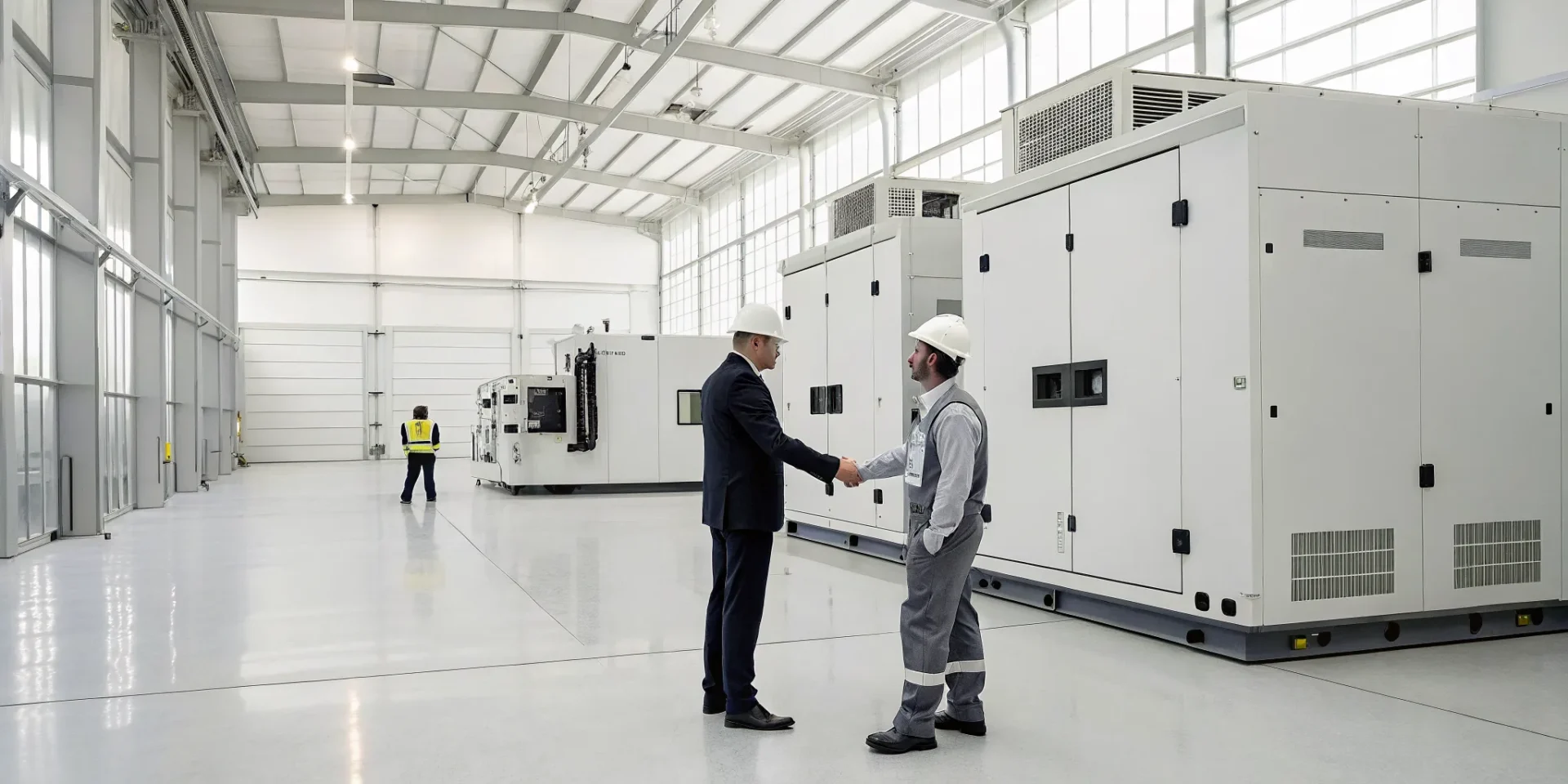
How to Choose the Right Generator Installation Company
Pro Tech Power Corp installs Kohler and Cummins generators; we do not provide generator maintenance or repair.
The best way to deal with a generator breakdown is to prevent it from ever happening. Proactive, consistent maintenance is the key to ensuring your system is ready the moment you need it. But even the most well-cared-for machines can eventually run into trouble. This guide covers both sides of that equation. We’ll explore the simple upkeep that extends your generator’s life and prevents costly issues. We will also detail how to find and vet professional generator installation companies for those times when you need an expert’s help to get your power and your peace of mind back.
Key Takeaways
- Regular maintenance is non-negotiable: The best way to avoid costly emergency repairs is to follow a consistent service schedule. This means scheduling an annual professional tune-up and running your generator monthly to ensure it’s always ready to perform.
- Vet your technician thoroughly: Before hiring anyone, confirm they are licensed, insured, and experienced with your generator’s brand. Checking online reviews and asking for local recommendations are great steps to find a reliable professional.
- Recognize the red flags for professional help: While simple checks are fine, certain issues demand an expert. Call a technician immediately for warning signs like fuel leaks, strange noises, or flickering lights to ensure a safe repair and protect your warranty.
What Can a Generator Installation Company Do for You?
When you think of a generator installation professional, you probably picture someone showing up to fix a machine that won’t start. While that’s a big part of the job, their expertise covers much more. A true generator pro is your partner in ensuring you have reliable backup power whenever you need it. From the initial installation to routine check-ups and emergency calls, they handle every aspect of your generator’s life cycle.
A qualified generator installation company helps you select the right unit, complete load calculations, plan the site, secure permits, integrate the transfer switch, install the equipment, and commission the system. Pro Tech Power Corp provides this installation-focused support for Kohler and Cummins generators. After installation, follow the manufacturer’s maintenance schedule and contact an authorized maintenance provider for service or repairs.
Plan for Manufacturer and Authorized Provider Support
A power outage never happens at a convenient time. When your generator fails during a critical moment, you need a fast and effective solution. This is where an authorized maintenance provider is essential. A professional technician can quickly diagnose the problem, whether it’s a mechanical failure or an electrical issue, and get your system back online. They arrive with the tools and common replacement parts needed to handle urgent situations efficiently. Having a reliable expert you can contact for a quick response means you won’t have to worry about the safety of your family or the continuity of your business operations when the lights go out.
Follow Manufacturer Maintenance Guidance
The best way to avoid emergency repairs is with regular maintenance. Just like your car, your generator needs manufacturer-recommended owner care through an authorized maintenance provider. A professional will perform a thorough inspection, change the oil and filters, check the battery, and test the entire system to ensure it’s ready for action. Experts recommend servicing your generator at least once a year or after every 100 to 200 hours of use. These routine checks help catch small issues before they turn into big, expensive problems, saving you stress and money down the road. It’s a simple step that protects your investment.
Install and Set Up Your New Generator
Proper installation is critical for your generator’s performance and safety. A professional technician handles the entire setup process, from helping you choose the right size unit for your property to connecting it safely to your home or business’s electrical panel. They ensure the installation meets all local codes and regulations, which is something you don’t want to leave to chance. Professionals manage everything, including the placement of the unit, fuel line connections, and the automatic transfer switch. This guarantees your new generator will work seamlessly and automatically when an outage occurs, giving you true hands-off protection.
Replace Parts and Upgrade Your System
Over time, parts can wear out and need replacement. A generator pro can install approved Kohler and Cummins systems, sourcing the correct components to keep your unit running like new. Whether you have a Kohler, Briggs & Stratton, or another leading brand, they have the expertise to perform repairs ranging from simple part swaps to more complex system overhauls. If your power needs change, they can also advise you on potential upgrades. While repair costs can vary, investing in professional electrical services ensures the job is done right with high-quality parts, protecting your investment for the long term and extending the life of your generator.
How to Choose the Right Generator Installation Company
When your generator stops working, the last thing you want is the added stress of finding a trustworthy technician. With so many options out there, how do you pick the right one? Choosing a repair company isn’t just about getting a quick fix; it’s about ensuring the safety of your home and protecting a significant investment. A great repair partner will be reliable, knowledgeable, and transparent.
Taking a little time to vet your options can save you from shoddy work, surprise fees, and future headaches. You’re looking for a team that not only knows how to fix the immediate problem but can also help you maintain your generator for years to come. Think of it as finding a long-term partner for your home’s power security. To make the right choice, focus on a few key areas: their qualifications, their specific expertise, their track record, and the basic logistics of doing business with them.
Look for Proper Licensing and Credentials
First things first, any technician working on your generator should be a licensed electrical professional. This is non-negotiable. A generator is a complex piece of equipment tied directly into your home’s electrical system, and improper work can be incredibly dangerous. In Oregon, you can verify a contractor’s license through the Construction Contractors Board (CCB). A valid license proves the company meets state requirements for competency and professionalism. Always use professionals who are trained and experienced to ensure your generator is fixed safely and correctly, giving you peace of mind that the job is done right.
Ask About Manufacturer-Specific Training
Not all generators are the same. Brands like Generac, Kohler, and Cummins have their own unique technologies and service requirements. Because of this, you should look for technicians who are certified and have experience working on your specific generator brand. A reputable company invests in ongoing training to keep its team current with the latest models and repair techniques. Don’t be shy about asking if their technicians have factory training for your unit. This specialized knowledge often leads to faster diagnostics and more effective repairs, ensuring your generator services are handled by a true expert.
Consider Their Experience and Specializations
When it comes to generator installation, experience matters. A company that has been in business for years has built a deep well of knowledge from handling a wide variety of problems. Look for a company with a proven track record in the community. For example, a contractor with over a decade of experience has likely seen and solved almost every issue imaginable. It’s also wise to choose a company that specializes in electrical work and generators, rather than a general handyman service. Specialists have the right tools, parts, and expertise to handle the job efficiently and correctly from the start. You can often learn about a company’s history on their about page.
Confirm They’re Insured and Serve Your Area
Before you even schedule a visit, confirm two practical details: insurance and service area. The repair company must carry both liability insurance and workers’ compensation. This protects you and your property in the rare event of an accident or damage during the repair. Ask for proof of insurance; a professional company will gladly provide it. Finally, do a quick check to make sure they serve your neighborhood. Most contractors list their service areas on their website or can confirm over the phone, saving you the hassle of scheduling with a company that’s too far away. You can usually find this information on a company’s contact page.
Understanding Generator Installation Costs
When your generator stops working, one of the first questions you probably have is, “How much is this going to cost?” It’s a fair question, and the answer can vary quite a bit. The final bill depends on what’s wrong, the type of generator you own, and even when you call for help. Understanding the different factors that go into a repair quote can help you feel more prepared and confident when you hire a professional. Let’s walk through the typical costs so you know what to expect and can make the best decision for your home.
Breaking Down Typical Repair Costs
Generally, you can expect a generator installation to fall somewhere between $60 and $600. For standby generators, which many homeowners have, that range is usually a bit tighter, from about $200 to $600. If you have a diesel generator, the costs can be slightly higher. Of course, if the problem is something major like significant engine trouble, the price can go up from there. Common issues we see include battery replacements, fuel system clogs, and control panel glitches. Knowing these ballpark figures can help you budget for potential repairs and avoid any surprises.
Understanding Labor and Diagnostic Fees
A big part of any repair bill is the labor cost. Professional technicians typically charge between $60 and $150 per hour for their expertise. Before any work begins, there’s usually a diagnostic fee of around $75 to $150 for the technician to come out and identify the root of the problem. Think of it as the cost of a thorough investigation. Many companies, including ours, will often waive this fee if you decide to move forward with the recommended repair. This initial assessment is crucial for getting an accurate quote for your generator services.
Comparing Emergency vs. Scheduled Service Rates
If your generator fails in the middle of a storm, you’ll likely need emergency service, which comes at a premium. Emergency calls often have labor rates that are one-and-a-half to two times higher than the standard rate. While you can’t always predict when you’ll need help, this is good to keep in mind. If the issue isn’t urgent, scheduling a repair during regular business hours is a simple way to keep costs down. Planning ahead can make a significant difference in your final bill.
What Influences the Final Price?
Several key things can affect the total cost of your repair. The type and size of your generator play a big role, as do the specific parts and labor required to fix it. Another major factor is the age and maintenance history of your unit. A generator that has been well-cared-for with regular service is often less expensive to repair than one that has been neglected. Just like with a car, consistent upkeep helps prevent small issues from turning into costly problems down the road.
Spotting Common Generator Problems
Even the most reliable generator can run into trouble. Knowing what to look for can help you catch small issues before they become major headaches, especially when you’re counting on that power the most. Think of these as early warning signs that your generator needs a little attention from a professional. Being proactive not only ensures your generator is ready when you need it but can also save you from more expensive repairs down the line.
Engine Won’t Start or Runs Poorly
There’s nothing more frustrating than a generator that won’t start or struggles to stay on. If you notice the engine sputtering, running rough, or failing to turn over, it’s a clear sign something is wrong. This isn’t always a simple mechanical issue. Sometimes, flickering lights while the generator is operating can point to deeper electrical problems that need an expert diagnosis. Instead of trying to force it, it’s best to have a technician take a look to figure out the root cause and prevent further damage to the system.
Battery Dies or Electrical Components Fail
A dead battery is one of the most common reasons a generator fails to start. The battery powers the starter, and if it doesn’t have enough charge, your generator simply won’t turn on. You might hear a clicking sound, or nothing at all. Beyond the battery, other electrical components can also wear out over time. Getting these parts checked during routine generator maintenance is the best way to avoid a surprise failure during an outage. A quick inspection can tell you if your battery is holding a charge or if it’s time for a replacement.
Fuel Leaks and System Blockages
The smell of fuel around your generator is a serious red flag. A fuel leak is not only a fire hazard but also means your generator won’t run efficiently, if at all. Blockages in the fuel line or filters can also starve the engine of fuel, causing it to shut down or run poorly. Catching these issues early is crucial for both safety and performance. Following proper generator safety guidelines and scheduling regular inspections can help you identify and fix leaks or blockages before they lead to costly component replacements.
Control Panel Errors and Excessive Vibration
Your generator’s control panel is its communication hub. If you see an error code or a warning light, don’t ignore it. These messages are designed to alert you to specific problems, from low oil pressure to overheating. Similarly, if your generator starts vibrating or shaking more than usual, it could mean parts have come loose or something is mechanically wrong. These aren’t issues that will fix themselves. It’s best to shut the unit down and contact a professional to diagnose the problem and prevent a small issue from turning into a catastrophic failure.
How to Prevent Expensive Generator Installations
A generator is a significant investment in your home’s comfort and security. Just like your car, it needs regular attention to perform reliably when you need it most. Staying on top of maintenance is the best way to avoid surprise breakdowns and costly repair bills during a power outage. A little proactive care ensures your generator is ready to go at a moment’s notice and can dramatically extend its lifespan.
Most generator issues stem from neglect, but the good news is that basic upkeep is straightforward. By following a simple routine, you can catch small problems before they become major headaches. From scheduling professional service to performing quick monthly checks, these habits will keep your generator in top condition, giving you peace of mind year-round. Here are the key steps to protect your investment and ensure your power stays on.
Stick to an Annual Service Schedule
The single most effective thing you can do for your generator is to have it professionally serviced at least once a year. A trained technician can spot developing issues, perform diagnostics, and tune up the engine to ensure it runs efficiently. As a general rule, service is also recommended after every 100 to 200 hours of use, which is especially important after a season with frequent power outages. During a professional maintenance visit, a technician will handle tasks like changing the oil, replacing spark plugs, and inspecting the battery, giving you confidence that your system is ready for anything.
Check Fluids and Change Filters Regularly
Between professional service appointments, it’s a good idea to perform a few quick visual checks yourself. Just like your car, your generator relies on oil and coolant to run properly. Take a look at the fluid levels every month or so and top them off if they’re low, following the manufacturer’s recommendations. While you’re there, keep an eye out for any signs of leaks on or around the unit. Air and fuel filters are also critical components; clogged filters can strain the engine and reduce performance. Swapping them out according to your owner’s manual is a simple task that prevents much larger problems down the road.
Run Your Generator Monthly Under Load
Letting a generator sit idle for months is one of the fastest ways to cause problems. To keep all the mechanical parts lubricated and the battery charged, you should run your generator for about 20 to 30 minutes every month. It’s important to do this “under load,” which means it should be powering some of your home’s circuits, not just running by itself. This monthly “exercise” ensures the carburetor doesn’t get gummed up and confirms that the automatic transfer switch is working correctly. It’s a simple habit that proves the system is fully operational before you actually need it.
Keep an Eye on the Cooling System
Overheating can cause severe and expensive damage to a generator’s engine. That’s why monitoring the cooling system is so important. Once a month, when you’re checking the fluids, take a moment to inspect the coolant levels and look for any leaks around the radiator, hoses, or water pump. You should also clear away any leaves, grass clippings, or other debris that could block airflow around the unit. A clean, well-functioning cooling system is essential for your generator to manage its temperature, especially when it has to run for an extended period during a lengthy outage.
Key Questions to Ask Before You Hire
Before you let anyone touch your generator, it’s smart to do a little homework. Finding the right repair company isn’t just about getting a good price; it’s about finding a partner you can trust to keep your power on when you need it most. A great technician can mean the difference between a quick fix and a costly, recurring problem. Asking a few specific questions upfront can save you a lot of stress and money down the road.
Think of it as a mini-interview to ensure they have the skills, reliability, and customer focus you deserve. This conversation helps you gauge their professionalism and understand exactly what you’re signing up for. From their emergency availability to the fine print on their warranties, getting clear answers will help you hire with confidence. You’re not just buying a one-time service; you’re potentially starting a long-term relationship with a company that will be responsible for a critical piece of your home or business infrastructure. Taking the time to vet them properly ensures that when an emergency does strike, you have a team you can count on without hesitation. The questions below are designed to cut through the sales pitch and get to the heart of what makes a generator installation company truly reliable.
What Guarantees or Warranties Do You Offer?
A reputable company will always stand behind its work. Ask specifically about warranties on both parts and labor. A solid guarantee shows that the company is confident in the quality of their repairs and the parts they use. Some companies even offer extended warranties or flexible maintenance plans that can cover your system for years to come. This is your safety net. It ensures that if the same problem pops up again shortly after the repair, you won’t have to pay for it twice. Don’t be shy about asking for the details in writing.
What’s Your Emergency Response Time?
When your power goes out, every minute counts. You need to know how quickly a repair team can get to you. Ask potential companies for their typical emergency response time. A clear answer, like two to four hours, is a good sign. Vague promises like “as soon as possible” aren’t very helpful when you’re sitting in the dark. This is especially important if you rely on your generator for medical equipment or to run your business. A company that prioritizes emergency generator services understands the urgency and will be structured to respond fast.
How Do You Diagnose Problems and Source Parts?
You want a technician who can do more than just swap out parts. Ask about their diagnostic process. Experienced, certified professionals can quickly and accurately pinpoint the root cause of a problem, which prevents repeat issues. It’s also a good idea to ask where they source their parts. Do they use original equipment manufacturer (OEM) parts or high-quality aftermarket alternatives? The quality of the components used in a repair directly impacts your generator’s performance and lifespan. A company proud of its past work will be transparent about its methods and materials.
Do You Offer Maintenance Plans?
The best repair is the one you never have to make. That’s where regular maintenance comes in. Ask if the company offers scheduled service plans to keep your generator in top shape. These plans are designed to catch small issues, like worn belts or low fluid levels, before they turn into major failures. A good maintenance agreement should include regular inspections, fluid changes, and system tests. Investing in a preventative maintenance plan is one of the smartest ways to protect your generator and ensure it’s ready to perform when you need it.
Finding Trustworthy Reviews and Referrals
When your generator needs attention, you want to hire someone you can count on. But how do you sort through the options to find a truly reliable professional? The best way is to see what other customers have to say. Tapping into reviews and local recommendations gives you a clear picture of a company’s track record and helps you make a choice with confidence. It’s about finding a team that not only has the technical skills but also a history of great customer service.
Check Reputable Online Review Sites
A great starting point is to check dedicated online review platforms. Websites like Angi are designed to help you find and hire local pros based on real customer reviews. These sites allow you to see unfiltered feedback from people in your area who have hired generator technicians for similar issues. You can compare different companies, read detailed accounts of customer experiences, and get a feel for their professionalism and quality of work. This step helps you create a shortlist of well-regarded companies before you even pick up the phone.
Look Up Their Better Business Bureau Profile
After you’ve found a few promising companies, take a moment to look them up on the Better Business Bureau (BBB). The BBB is your guide to trusted BBB Ratings and customer reviews, offering insight into a business’s integrity and responsiveness. A company’s profile will show you its rating, any complaints that have been filed, and how those issues were resolved. Seeing how a business handles criticism is just as important as reading its positive reviews, as it shows a commitment to customer satisfaction.
Ask for Local Recommendations
Don’t underestimate the power of a personal recommendation. Ask friends, family, or neighbors who they’ve used for generator services. You can also turn to local community groups on social media to ask for suggestions. People are often happy to share their experiences, both good and bad. A simple post can yield valuable firsthand feedback, like a neighbor saying, “We use these folks – no complaints!” This kind of word-of-mouth referral can lead you directly to a trusted, community-vetted professional who has already proven their worth right in your area.
DIY vs. Calling a Pro: When to Make the Call
The urge to tackle a home repair yourself is understandable. A quick search can make any project seem simple, but when it comes to your generator, it’s important to know where to draw the line. While some basic upkeep might be within your reach, many issues require a trained eye. Making the wrong call can lead to bigger problems, from voiding your warranty to creating a serious safety hazard.
Knowing when to step back and call a professional isn’t admitting defeat; it’s making a smart decision to protect your home, your family, and your investment. Think of it as a partnership. You handle the simple checks, and you trust an expert to handle the complex diagnostics and repairs. This approach ensures your generator is always ready to perform when you need it most, giving you true peace of mind.
Protecting Your Safety and Warranty
Let’s be direct: working on a generator can be dangerous. You’re dealing with electricity, fuel, and powerful mechanical parts. A small mistake can lead to electric shock, fire, or other serious injuries. Beyond the immediate physical risks, there’s your warranty to consider. Most manufacturers specify that maintenance and repairs must be performed by a certified technician. If you attempt a DIY fix and something goes wrong, you could easily void your warranty, leaving you responsible for the full cost of future repairs. Hiring a professional for generator services ensures the work is done safely and keeps your warranty intact.
When the Problem Is Too Complex
Modern generators are more than just engines; they are sophisticated machines with complex electrical components and control systems. While you might be able to check the oil or clean the exterior, diagnosing an internal issue is a different story. Professionals have specialized diagnostic tools and the training to interpret error codes, test electrical outputs, and pinpoint the root cause of a problem quickly. Trying to guess your way through a complex repair can often cause more damage. If the issue is anything beyond basic upkeep, it’s best to contact an expert who understands the intricate workings of your specific model.
Warning Signs That Demand a Professional
Your generator will often give you clues when something is wrong. It’s crucial to pay attention to these warning signs and call for help right away. If your home’s lights flicker or dim when the generator is running, it could signal a serious electrical issue. Other red flags include strange noises like grinding or knocking, difficulty starting, or visible fuel leaks. Don’t ignore smoke, excessive vibration, or any error messages on the control panel that you can’t clear with a simple reset. These are all signs that your generator needs immediate professional attention to prevent a small problem from turning into a complete system failure.
Commercial vs. Residential: What’s the Difference?
Not all generators are created equal, and the service they require isn’t one-size-fits-all. A generator that keeps your family comfortable during a power outage has very different demands than one that protects a commercial property’s critical systems. Understanding these distinctions is key to finding the right repair and maintenance partner. Whether you’re a homeowner protecting your investment or a contractor overseeing a new build, knowing what to look for ensures your power stays on when you need it most.
The main differences come down to the equipment itself and the type of maintenance plan required to keep it running smoothly. A professional service provider will recognize these nuances and offer solutions tailored to your specific situation.
Understanding Different Equipment and Needs
A residential generator is designed to power a home, keeping the lights on, the refrigerator running, and the HVAC system working during an outage. The focus is on comfort and safety. Commercial generators, on the other hand, are built to handle much larger electrical loads for businesses like apartment complexes, restaurants, or medical offices. For a business, a power outage can mean lost revenue, security risks, and operational chaos, so their generators are often more powerful and complex.
Because of this, the approach to generator services varies. Residential service is tailored to home systems, ensuring your family’s needs are met. Commercial service focuses on business continuity, working with systems that support entire operations.
Comparing Maintenance and Service Agreements
While every generator benefits from regular maintenance, the schedule and scope of that care can differ significantly. For homeowners, a flexible annual service plan is often enough to keep the generator in top shape and prevent small issues from becoming costly problems. These plans are designed to be convenient and provide peace of mind without being overly demanding.
Commercial generators typically require more frequent attention. Because they protect vital business functions and may run more often, they often need inspections every few months and a full service after a certain number of operating hours. This proactive approach minimizes the risk of failure during a critical moment. The best way to find a plan that fits your property is to contact a professional and discuss your specific system.
Related Articles
Frequently Asked Questions
How often should I really have my generator serviced? For most homeowners, scheduling a professional service visit once a year is the best practice. Think of it as an annual check-up to keep everything running smoothly. However, if you live in an area with frequent power outages and your generator gets a lot of use, you should also consider having it serviced after every 100 to 200 hours of operation. This proactive approach is the best way to catch small issues before they become big problems.
What’s the most common reason a generator fails to start? Surprisingly, the most frequent culprit is a dead or weak battery. The battery provides the initial power needed to start the engine, and if it doesn’t have enough charge, nothing will happen. This is why running your generator for about 20 minutes each month is so important; it helps keep the battery charged and ready for when you actually need it.
Is it safe to try fixing my generator myself? While it might be tempting to handle a repair on your own, it’s generally not a good idea unless you’re a trained technician. Generators are complex systems that combine electricity and fuel, which can be a dangerous mix if you’re not sure what you’re doing. Plus, attempting a DIY repair can often void your manufacturer’s warranty, leaving you on the hook for much more expensive fixes down the road.
How can I tell if a repair company is trustworthy? A trustworthy company will be transparent and professional from the start. First, confirm they have a valid contractor’s license and carry full insurance to protect you and your property. You should also look for a company with a long history in your community and positive reviews on sites like Angi or the Better Business Bureau. Don’t hesitate to ask them about their experience with your specific generator brand.
What does a professional do during a maintenance visit? A standard maintenance visit is a comprehensive check-up for your generator. A technician will typically change the oil and filters, replace the spark plugs, and test the battery’s health. They will also inspect the fuel lines, check the electrical connections, and run a full system diagnostic to make sure the unit starts and transfers power correctly. This ensures every component is ready for an emergency.