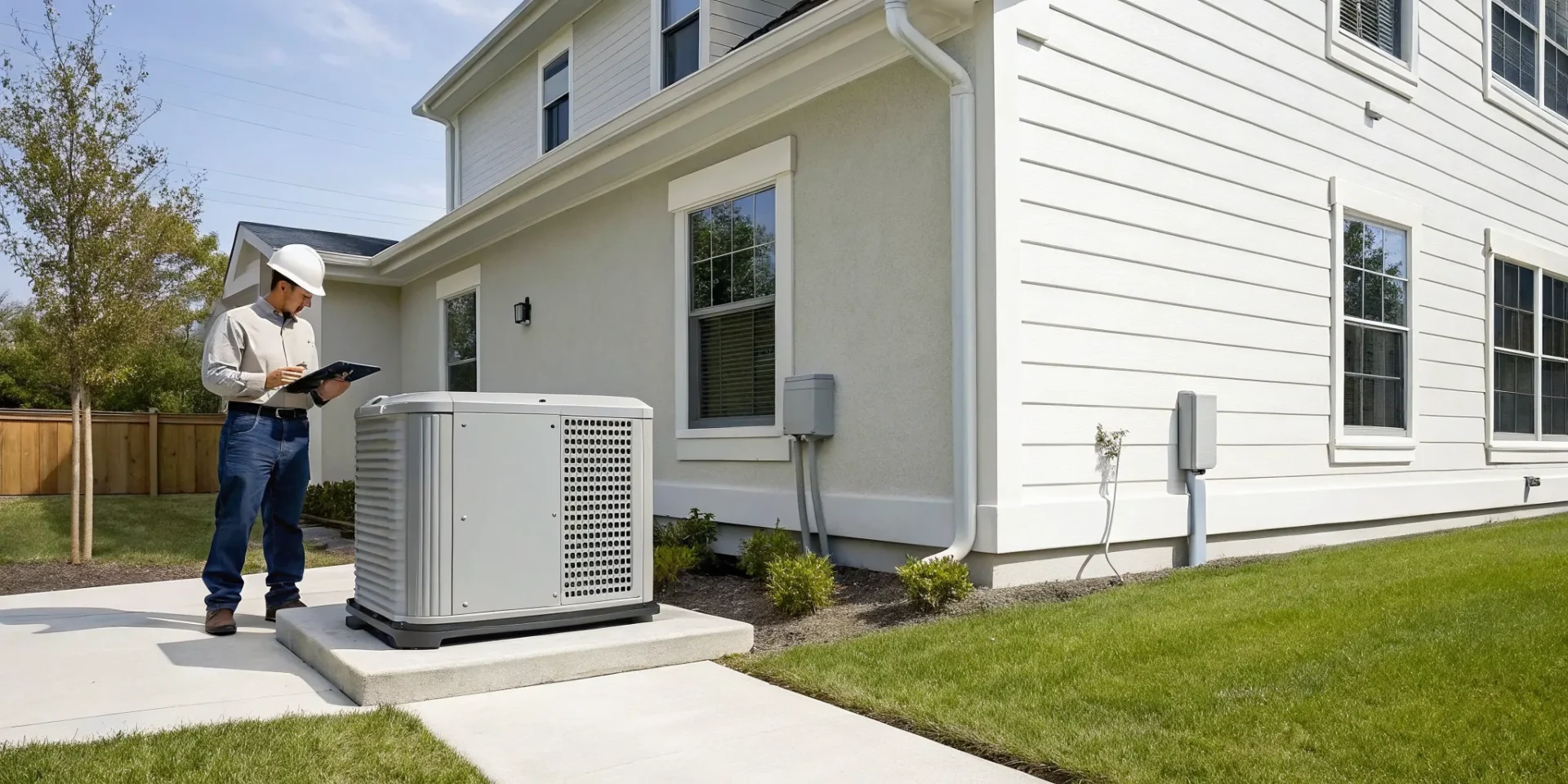
How to Hire Whole House Generator Installation Contractors
Installing a whole-house generator is far more complex than simply setting a machine on a concrete pad. It’s a sophisticated project that involves high-voltage electrical work, fuel line connections, and integration with your home’s main electrical panel. This is absolutely not a job for a general handyman. A poor installation can lead to serious safety hazards, void your expensive generator’s warranty, and cause performance failures right when you need power. To protect your investment and your home, you need to hire one of the best whole house generator installation contractors in the business. Here, we’ll cover the essential qualifications to look for and the red flags to avoid.
Key Takeaways
- Verify Your Installer’s Credentials: A professional contractor must be licensed and insured. Confirm they have specific experience with your chosen generator brand to ensure a safe, code-compliant installation that protects your investment and warranty.
- Understand the Full Project Cost: A generator’s price is just one part of the total cost. Your budget should also account for the automatic transfer switch, site preparation like a concrete pad, professional labor, and local permit fees.
- Insist on Clear Communication: Before hiring, get a detailed, itemized quote and a clear project timeline. Also, ask about warranties on both the equipment and the installation work, as well as manufacturer-recommended owner-care guidance.
How to Choose the Right Generator Installer
A whole-house generator is a major investment in your home’s safety and comfort. The quality of the installation is just as critical as the generator itself, so finding the right contractor is a decision you’ll want to get right. A proper installation ensures your generator runs safely, complies with local codes, and performs reliably when you need it most.
Choosing an installer can feel overwhelming, but it doesn’t have to be. By focusing on a few key qualifications, you can confidently select a professional who will do the job correctly. Think of it like hiring any expert for your home; you want someone with the right credentials, specific experience, and a solid reputation. Let’s walk through what to look for to ensure your generator is installed by a true professional.
Verify Their Licensing and Insurance
First things first, always confirm that any contractor you consider is properly licensed and insured. An electrical license is more than just a formality; it’s proof that the technician has the training and knowledge to handle complex electrical work safely and according to local regulations. Hiring an unlicensed installer can lead to failed inspections, voided generator warranties, and even serious safety hazards.
Equally important is insurance. A reputable contractor will carry both liability insurance and workers’ compensation. This protects you, the homeowner, from any financial responsibility if an accident or damage occurs on your property during the installation. Don’t hesitate to ask for proof of their credentials; a professional company will be happy to provide them. You can often find this information on a company’s about page.
Confirm Their Experience with Your Generator Model
Not all generators are created equal, and their installation processes can vary significantly between brands and models. Installing a whole-house generator requires specialized knowledge of electrical systems, fuel lines, and automatic transfer switches. Before you hire someone, ask specifically about their experience with the generator model you’ve chosen. Have they installed this brand before? Are they a certified dealer or installer for that manufacturer?
An experienced team will understand the unique requirements of your unit, leading to a smoother, more efficient installation. They’ll know how to correctly size the generator for your home’s needs and ensure it integrates seamlessly with your existing electrical panel. This expertise is crucial for the long-term performance and reliability of your generator system.
Read Customer Reviews and Check References
A contractor’s reputation is one of the best indicators of the quality of their work. Before making a final decision, spend some time reading online reviews on sites like Google or Yelp. Look for feedback that speaks to the company’s professionalism, communication, and reliability. While a single negative review isn’t necessarily a deal-breaker, a pattern of complaints should be a red flag.
Don’t be afraid to ask for references from recent customers, either. Speaking directly with a past client can give you firsthand insight into their experience. You can also look at a contractor’s website for a portfolio of their past work. Seeing photos and descriptions of completed projects can help you feel more confident that you’re hiring a skilled and trustworthy team.
What Does a Whole-House Generator Installation Cost?
Investing in a whole-house generator is a significant step toward securing your home’s comfort and safety. When you start looking at the numbers, it helps to see the full picture. On average, a complete whole-house generator installation can range from $8,000 to $16,000. This estimate typically includes the generator unit itself, all necessary equipment like the transfer switch, materials for installation, and professional labor. It’s a wide range because every home and installation is unique.
The final price tag depends on a few key variables. The size and power output of the generator you choose is the biggest factor, but the specifics of your property also play a major role. For example, the complexity of the electrical work, the amount of site preparation needed, and local permit fees all contribute to the total cost. Think of it less as a one-size-fits-all product and more as a custom home project tailored to your specific needs. We’ll break down these components so you can get a clearer idea of what to expect and budget accordingly for your peace of mind.
How Generator Size Impacts Price
The generator unit itself is the heart of the system, and its cost is directly tied to its capacity. The price for a whole-house generator can fall anywhere between $3,000 and $20,000, depending on how much power it can produce. A smaller home with basic needs like keeping the lights, refrigerator, and a few outlets running will require a less powerful, and therefore less expensive, generator. A larger home, especially one with central air conditioning, electric appliances, and other high-demand systems, will need a much more robust unit to handle the load. Choosing the right size is critical; it ensures you have enough power to cover your essentials without overpaying for capacity you don’t need.
Factoring in Site Prep and Installation Complexity
A generator installation involves more than just setting the unit down and plugging it in. Proper site preparation is essential for safety and performance. This usually means pouring a concrete slab to create a stable, level surface for the generator. From there, a qualified technician will connect the fuel line (natural gas or propane) and install the automatic transfer switch. This switch is the brain of the operation, as it automatically detects a power outage and transfers your home’s electrical load to the generator. While the hands-on installation might only take a day, the entire process, from initial assessment to final testing, can take longer when you account for these important preparatory steps.
Understanding Local Labor Rates and Permit Fees
Beyond the hardware, the cost of professional labor and local permits are important parts of your budget. Installing a whole-house generator is a complex job that requires deep electrical knowledge and specific training, so hiring a licensed and insured contractor is non-negotiable. Labor costs will vary based on regional rates and the complexity of your installation. Additionally, most municipalities require a permit for this type of work to ensure it meets local safety codes. These permit fees add to the overall project cost. When you request a quote, a transparent contractor will provide an itemized breakdown that includes all these elements, so there are no surprises.
Top Generator Brands Contractors Trust
When you invest in a whole-house generator, you’re not just buying a piece of equipment; you’re buying peace of mind. That’s why choosing a brand with a proven track record is so important. As electrical contractors, we’ve installed countless generators and know which brands consistently deliver on their promises of reliability, durability, and performance. We see firsthand which units stand up to the demanding Oregon weather and which ones offer the best long-term value for homeowners. A great installation is only half the equation; the quality of the generator itself is the foundation for a system you can depend on for years to come.
A brand earns our trust through more than just good marketing. It comes from years of consistent performance in the field, quality engineering that minimizes service calls, and strong manufacturer support for both contractors and customers. When a company provides excellent training for installers and makes parts readily available, it shows a commitment to the entire lifecycle of their product. This partnership ensures that if you ever need service, the process is smooth and efficient. While many great brands are on the market, a few consistently rise to the top. We’ll walk you through four of the most reputable names in the business: Generac, Kohler, Briggs & Stratton, and Champion. Each offers something unique, ensuring there’s a perfect fit for your home’s specific needs and budget.
Generac: Reliable Automatic Transfer Switches
Generac is often one of the first names that comes to mind for home standby generators, and for good reason. As a market leader, the brand has built a solid reputation for reliability and user-friendly technology. One of its most praised features is the automatic transfer switch. This component is the brains of the operation, detecting a power outage and seamlessly switching your home’s electrical supply to the generator. Generac’s transfer switches are known for their flawless operation, ensuring you have virtually uninterrupted power without having to lift a finger. This dependability makes it a go-to choice for contractors and homeowners alike.
Kohler: Premium Power and Durability
If you’re looking for a generator that’s built like a tank and delivers commercial-grade power, Kohler is a top contender. Known for their premium quality and exceptional durability, Kohler generators are designed to handle heavy electrical loads and perform reliably for years. Contractors often recommend these units for their robust construction and powerful engines, which are tested to withstand extreme conditions. While they may come with a higher price tag, a Kohler generator is a long-term investment in dependable power, ensuring your home stays safe and functional through any outage.
Champion: A User-Friendly and Budget-Conscious Choice
For homeowners seeking a dependable generator without the premium cost, Champion is an excellent option. This brand has earned a reputation for producing user-friendly and budget-conscious generators that don’t compromise on performance. Champion’s models are known for their straightforward design and easy operation, making them less intimidating for those new to home generators. Contractors often suggest Champion as one of the best generator brands for anyone looking for an accessible yet powerful solution to keep their home’s essential circuits running during an outage. It’s a practical choice that delivers great value.
What to Expect During the Installation Process
Getting a whole-house generator installed might seem like a big undertaking, but a professional team makes the process clear and manageable. Knowing what to expect can help you feel confident from start to finish. Your contractor will handle all the technical details to ensure your generator is installed safely and correctly, giving you peace of mind when the power goes out.
Step 1: The Initial Site Assessment and Permitting
First, your contractor will perform a site assessment to find the best location for your generator, considering local codes, fuel access, and noise regulations. Once the spot is chosen, they’ll secure the necessary permits. Most municipalities require a permit to ensure the installation meets all safety and electrical standards. A great contractor will manage this entire process for you, handling the paperwork and coordinating with local officials so you can relax.
Step 2: Preparing the Concrete Pad and Placing the Unit
With permits in hand, the team prepares the foundation. They will pour a concrete slab to create a stable, level surface for the unit. This is a key step, as a solid base prevents excessive vibration, protecting the generator’s components and extending its life. After the concrete cures, the team carefully places the generator on the pad, positioning it perfectly to connect to your home’s electrical and fuel systems.
Step 3: Wiring the Electrical and Transfer Switch
Next comes the technical part. A licensed electrician connects the generator to your home’s main electrical panel using an automatic transfer switch (ATS). The ATS is the brain of the system; it monitors utility power and, during an outage, automatically switches your home to generator power. It’s a seamless transition that restores electricity in seconds. This complex wiring is precisely why you need a certified professional for the job.
Step 4: Connecting the Fuel and Testing the System
In the final step, the contractor connects the generator to its fuel source, usually a natural gas or propane line. With all connections secure, the team runs a full system test. They’ll simulate a power outage to confirm the ATS works correctly and the generator starts up as expected. This final check ensures every component is ready, so you can be confident your home is protected during the next outage.
Key Questions to Ask a Potential Contractor
Once you have a shortlist of qualified installers, it’s time to start asking questions. Think of this as an interview. You’re looking for a partner who is not only skilled but also transparent and reliable. Asking the right questions upfront helps you compare contractors and ensures there are no surprises down the road. It’s the best way to feel confident that you’re making a smart investment in your home’s security and comfort.
What warranties and service guarantees do you offer?
A whole-house generator is a significant purchase, so you want to make sure it’s protected. Always ask potential contractors what kind of warranties they provide. A reputable installer will offer a manufacturer’s warranty on the generator itself, plus a separate guarantee on their own installation work. This two-part protection is crucial. It means if something goes wrong with the unit or the hookup, you’re covered. A contractor who stands firmly behind their work with a solid guarantee is showing you they’re committed to quality and to you as a customer. This is a key sign you’ve found a trustworthy electrical professional.
Do you provide ongoing manufacturer maintenance instructions?
Installing the generator is just the first step. To ensure it runs reliably for years, especially when you need it most, regular maintenance is essential. Ask if the contractor offers ongoing service plans. Much like a car, your generator needs routine check-ups to stay in peak condition. A great company won’t just install your unit and disappear; they’ll offer plans to handle everything from oil changes to system tests. This proactive approach to generator services gives you peace of mind, knowing your system will be ready to kick on the moment the power goes out.
What is the estimated timeline for the project?
Knowing what to expect and when is key to a smooth installation process. Ask for a clear project timeline from start to finish. This includes how long it will take to get the necessary permits, prepare the site, and complete the actual installation. While every project is different, a contractor should be able to give you a realistic estimate. Typically, the on-site work takes one to two days once the prep work and permits are handled. Getting this information upfront helps you plan accordingly and sets clear expectations for everyone involved, ensuring your project stays on track without any unnecessary delays.
Can you provide an itemized quote and explain your payment terms?
Transparency is non-negotiable when it comes to cost. Always request a detailed, itemized quote that breaks down all the expenses, including the generator unit, labor, permit fees, and any other materials. This helps you understand exactly what you’re paying for and allows you to compare offers accurately. It’s also the perfect time to clarify payment terms. Find out when payments are due and what financing options might be available. A straightforward contractor will be happy to walk you through the costs and answer any questions, so don’t hesitate to ask for a quote.
How Long Will the Installation Take?
One of the most common questions we hear is, “How long will this all take?” It’s a great question, and the answer has two main parts: the behind-the-scenes prep work and the on-site installation. While the hands-on work at your home is surprisingly quick, the full process from your first call to a fully functional generator involves several steps that require time and careful planning. The biggest variable is often the local permitting process, which can differ from one town to the next. A professional installer will manage this entire timeline for you, providing a clear schedule so you know exactly what to expect and when.
Understanding the Permit Approval Timeline
Before any work begins, your contractor needs to secure a permit from your local municipality. This isn’t just red tape; it’s a crucial step that ensures your generator is installed safely and meets all local electrical and building codes. The timeline for permit approval can vary quite a bit. It really depends on your city or county’s specific requirements and how busy their office is. An experienced local contractor is invaluable here because they understand the local permitting process and can submit the application correctly the first time, avoiding unnecessary delays. While this phase can take several weeks, your installer should keep you updated every step of the way.
The On-Site Installation Schedule
Once the permits are approved, things move much more quickly. The actual on-site installation is the most exciting part and is usually completed in just a day or two. Your installation team will start by preparing a concrete pad to serve as a stable, level base for the generator. After placing the unit, they’ll handle all the critical connections. This includes wiring the generator to your home’s electrical panel through an automatic transfer switch and connecting the fuel line. A professional team handles these generator installations efficiently, making sure everything is tested and running perfectly before they leave. So, while the entire project takes a few weeks, the work at your home is fast and focused.
Red Flags to Watch For When Hiring an Installer
Choosing an installer is just as important as choosing the right generator. A whole-house generator is a major investment in your home’s safety and comfort, and a poor installation can lead to performance issues, safety hazards, and costly repairs down the line. While most contractors are honest professionals, it’s wise to know the warning signs of someone who might cut corners. Being an informed homeowner is your best defense against a bad experience.
Protecting your investment starts with asking the right questions and knowing what to look for. From verifying credentials to spotting suspicious pricing tactics, a little diligence goes a long way. Think of it as the final, crucial step in securing reliable backup power for your family.
Warning Signs of an Unqualified Contractor
Installing a whole-house generator is a complex job that requires deep electrical knowledge. This is not a task for a general handyman. A major red flag is a contractor who can’t provide proof of a valid state license and insurance. In Oregon, you can verify a contractor’s license online to confirm they are legitimate. An unlicensed installer may not be aware of local building codes, putting your home at risk. Also, be wary of anyone who seems unfamiliar with your specific generator model. Reputable installers often have certifications directly from manufacturers like Generac or Kohler, which shows they have specialized training.
How to Spot Common Scams and Unfair Pricing
A common tactic of untrustworthy installers is to offer a very low bid by planning to skip essential steps, like pulling a permit. Most areas require a permit for a generator installation because it involves connecting to your home’s main electrical panel. An installer who says a permit isn’t necessary is cutting a critical corner that ensures the work is done to code. Another red flag is a vague or verbal-only quote. A professional will provide a detailed, itemized estimate that breaks down the costs for the generator, transfer switch, labor, and materials. If a contractor asks for a large cash deposit upfront or pressures you to sign a contract immediately, it’s best to walk away and find a more transparent professional.
Related Articles
Frequently Asked Questions
Why can’t I just hire a general handyman for this installation? Installing a whole-house generator is a complex electrical project that connects directly to your home’s main power supply. It requires a licensed electrician who understands local codes, proper wiring for transfer switches, and safe fuel line connections. A handyman, while skilled in many areas, typically doesn’t have the specific training or licensing for this kind of high-voltage work, which could lead to safety risks, failed inspections, and a voided warranty.
Is a whole-house generator really worth the investment? For many homeowners, the answer is a definite yes. Beyond the convenience of keeping your lights on, a generator protects your home from costly damage like frozen pipes or a flooded basement from a failed sump pump. It also provides security and comfort, allowing you to run your heat or AC, keep food from spoiling, and power medical devices. It’s a significant investment in your home’s safety and your family’s peace of mind during an outage.
Will a generator power my entire house, including my air conditioner? It certainly can, but it depends on the size of the generator you choose. Sizing is a critical part of the process. A smaller unit might be set up to power only essential circuits like your refrigerator, lights, and outlets. A larger, more powerful generator can handle everything in your home, including high-demand appliances like central air conditioning. A professional installer will help you calculate your home’s power needs to select the right size for your budget and lifestyle.
Do I need to choose a generator brand before I contact an installer? Not at all. While it’s great to do some research, a good contractor will walk you through the best options for your specific situation. Experienced installers know the strengths and weaknesses of different brands and can recommend a unit based on your home’s size, power needs, and budget. They can provide valuable insight that you won’t find online, ensuring you get a reliable machine that’s a perfect fit.
What kind of maintenance is required after the generator is installed? Just like your car, a generator needs regular maintenance to run reliably. This typically includes annual or semi-annual service to change the oil, replace filters, check the battery, and run a full system test. Most professional installers offer manufacturer maintenance instructions to handle this for you. Consistent upkeep ensures your generator will be ready to perform flawlessly the moment you need it.