Your Guide to Commercial Generator Installation Services
In the Pacific Northwest, we know that storms can be unpredictable, and a power outage is always a possibility. For a business owner, that unpredictability can be a source of constant stress. A commercial generator provides the stability you need to keep serving your customers, no matter the weather. It’s a critical piece of infrastructure for any resilient local business. To ensure your system is safe, compliant, and reliable, you need a partner who understands our region’s specific codes and requirements. This guide explains the essentials of choosing and installing a generator, highlighting what to look for in local commercial generator installation services.
Key Takeaways
- A Generator is a Business Strategy: Investing in a commercial generator is a core part of your continuity plan. It keeps you operational during an outage, protecting your revenue, inventory, and critical data from costly interruptions.
- Get a Professional Power Audit: The most common mistake is choosing the wrong size generator. A professional assessment is the only way to determine your exact power needs, ensuring your investment works correctly when you need it most.
- Vet Your Installer Carefully: The quality of your installation determines your generator’s reliability. Always select a licensed and insured contractor with specific commercial experience and a clear plan for commissioning, documentation, and handoff.
What is a Commercial Generator?
A commercial generator is your business’s ultimate backup plan. Think of it as a dedicated power source that automatically kicks in the moment the main grid goes down. For any business, from a restaurant to a dental office, this isn’t just a convenience; it’s the backbone of your continuity plan. A power outage can mean lost revenue, spoiled inventory, data loss, and a complete halt to your operations. A commercial generator ensures that your lights stay on, your security systems remain active, and your essential equipment keeps running, protecting your bottom line and your reputation.
Unlike smaller, portable units you might see at a campsite, commercial generators are permanent installations designed to handle the heavy electrical loads of a business. They are built for durability and can power everything from refrigeration and HVAC systems to servers and specialized medical equipment. When you invest in a commercial generator, you’re investing in peace of mind and operational stability. It’s a critical piece of infrastructure that keeps your doors open and your customers happy, even when the unexpected happens. Our team specializes in commercial electrical services that integrate these powerful systems seamlessly into your business, ensuring you’re prepared for anything.
Common types of commercial generators
When choosing a generator, one of the first decisions you’ll make is about the fuel type. Most commercial generators run on diesel, natural gas, or propane, and each has its own advantages. Diesel generators are known for their power and reliability, making them a great choice for businesses with high energy demands. Natural gas is a convenient and cleaner-burning option if your property already has a natural gas line. Propane is another excellent choice; it can be stored on-site in tanks and has a long shelf life, so it’s always ready when you need it. The right fuel type for you depends on your specific power needs, budget, and site logistics.
Why professional installation is non-negotiable
Installing a commercial generator is a complex job that should always be left to licensed professionals. This isn’t a DIY project. A professional installation ensures your generator operates safely, reliably, and in compliance with all local and national codes. An expert will handle every detail, from selecting the right location (away from doors and windows) to managing permits and adhering to local noise ordinances. Making even small installation mistakes can lead to safety hazards or a system that fails when you need it most. When you work with a qualified team like ours, you can be confident that your investment is protected and your business is truly prepared. Contact us to discuss your generator needs.
Generator installation often connects with broader commercial electrical services, from load planning to code-compliant distribution. You can also review our commercial electrical work examples or request a generator installation quote for your facility.
Key Benefits of a Commercial Generator
Investing in a commercial generator is one of the smartest moves you can make for your business. It’s more than just a piece of equipment; it’s a powerful tool for stability, security, and peace of mind. When the power grid is unreliable, a generator ensures you’re always in control.
Keep your business running, no matter what
A power outage doesn’t have to mean a shutdown. With a commercial generator, your lights stay on, your point-of-sale systems keep running, and your doors remain open for customers. This continuous operation is crucial for maintaining productivity and service, especially during widespread outages when your competitors might be forced to close. A properly installed generator automatically kicks in the moment power is lost, so you and your team can continue working without interruption. This reliability is the foundation of a strong business continuity plan, ensuring you can serve your clients when they need you most.
Protect your assets and prevent loss
Unexpected power outages can be incredibly costly. For restaurants, grocers, or pharmacies, an outage can lead to thousands of dollars in spoiled inventory. For office-based businesses, it can mean lost data, corrupted files, and missed deadlines. A commercial generator protects your physical and digital assets from these threats. By providing a seamless transition to backup power, it prevents the sudden shutdowns that can damage sensitive electronics and lead to significant financial losses. It also protects your reputation by showing customers you are dependable even in a crisis.
Safeguard your most critical systems
Modern businesses rely on a complex web of technology. Your servers, security systems, HVAC, and communications all depend on a steady supply of electricity. A power outage can bring these essential functions to a halt, leaving your property unsecured and your data vulnerable. A generator acts as a lifeline for these critical systems, ensuring they continue to operate smoothly. This is especially important for protecting sensitive equipment that can be damaged by abrupt power surges or losses. By keeping your core infrastructure online, you reduce downtime and maintain a safe, controlled environment for your operations and employees.
Add long-term value to your property
A permanently installed commercial generator is a significant upgrade to your property’s infrastructure. It’s an asset that can actually increase the value of your business property, making it more attractive to potential buyers or tenants in the future. In areas where power outages are common, having a reliable backup power source is a major selling point. It demonstrates foresight and a commitment to operational resilience. Think of it not just as an emergency preparedness tool, but as a long-term investment in the stability and marketability of your commercial space.
How to Choose the Right Commercial Generator
Choosing a commercial generator is a significant investment in your business’s continuity. The right unit fits your specific operational needs, complies with local regulations, and provides reliable power for years. To make the best choice, you need to consider a few key factors, from power requirements to fuel sources and placement.
Calculate your business’s power needs
First, you need to know exactly how much power your business uses. A generator should be powerful enough for all your essential equipment, but one that’s too large can cause issues like carbon buildup. A professional power audit is the best way to get this right. An experienced electrician can assess your building’s electrical demands to determine the precise wattage you need, ensuring you invest in a generator that perfectly suits your requirements.
Select the best fuel type
Commercial generators typically run on diesel, propane, or natural gas. Diesel is powerful, while natural gas is convenient if you have a utility line. Propane offers a stable, on-site fuel source. Your local climate can play a role, but more importantly, local building codes may dictate which fuel types are acceptable. It’s crucial to check these regulations before making a final decision with your installation partner.
Plan your installation location
Where you place your generator is just as important as which one you buy. The location must be safe, accessible for maintenance, and compliant with all regulations. For instance, generators installed too close to windows or doors may violate National Fire Protection Association (NFPA) codes. You also have to consider local noise ordinances. A professional installer will find the ideal spot that balances safety, compliance, and convenience.
Avoid common sizing mistakes
One of the most frequent errors is choosing a generator that is too small. An undersized unit will fail under a full load, leaving your critical systems vulnerable. This is why professional load bank testing is so important; it verifies the generator can handle your real-world power demands. For many businesses, ensuring your system meets strict compliance standards is non-negotiable. Working with a qualified team for your generator services ensures these critical steps are performed correctly.
Top-Rated Commercial Generator Brands
Once you know your power requirements, the next step is choosing a generator from a reputable brand. The market is full of options, but a few names consistently rise to the top for their performance, reliability, and innovation. These manufacturers have built a strong reputation by delivering quality products that businesses can depend on when the lights go out. Understanding what each brand offers can help you find the perfect match for your company’s specific needs.
Here’s a look at three of the leading brands in the commercial generator space and what makes them stand out.
Generac
With over 60 years in the business, Generac is one of the most recognized names in power generation. They are known for producing dependable and efficient equipment that businesses trust. Generac offers a wide range of commercial products, making it easier to find a model that fits your exact power needs without paying for more than you require. Their focus on creating user-friendly and environmentally conscious designs also makes them a popular choice for companies looking for a modern, reliable power solution. For many businesses, a Generac generator is a smart investment in operational continuity.
Kohler
Kohler is another powerhouse brand, celebrated for its exceptional reliability and robust performance. When downtime is not an option, many businesses turn to Kohler. Their commercial generators are engineered to handle heavy-duty applications, with some models capable of producing up to 2,000 kW of power. This makes them an excellent choice for larger facilities, medical offices, or any business with significant power demands. A Kohler generator ensures that everything from your security systems to your essential equipment keeps running smoothly, protecting your operations from costly interruptions during an outage.
Cummins
Cummins is a global leader known for engineering powerful and durable generators. They offer a diverse lineup of commercial models designed to serve a variety of industries, from healthcare and data centers to retail stores. One of the key advantages of Cummins is their flexibility in fuel types, with options for diesel, natural gas, and propane. This allows you to choose a solution that aligns with your available resources and operational preferences. With a reputation for long-lasting performance, a Cummins generator is built to provide dependable power for years to come.
How to choose the right brand for you
Selecting the right brand comes down to matching a generator’s features with your business’s priorities. Start by considering the essential factors: power output (watts), fuel source, and noise level (decibels), which is especially important if your business is near a residential area. Beyond the specs, think about the long-term relationship. Look into the manufacturer’s warranty and the availability of customer support. The best way to make a confident decision is to work with a professional installer. We can help you assess your needs and recommend the ideal generator services to ensure your business is always protected.
Understanding the Cost of a Commercial Generator
When you’re planning for a commercial generator, it’s helpful to think of it as a complete system, not just a piece of equipment. The final price tag includes the generator unit, professional installation, and any necessary electrical work to integrate it safely with your building. The total investment can range from $7,500 to over $25,000, depending on your business’s specific needs. Breaking down the costs can give you a clearer picture of what to expect and help you budget for this essential business continuity tool. Let’s walk through the main components that make up the total cost.
The cost of the generator itself
The generator unit is the heart of your backup power system, and its price can vary widely, typically from $2,000 to $20,000. The biggest price driver is the generator’s size, which is measured by its power output in kilowatts (kW). A small retail shop will have very different power needs than a large office building or a dental clinic with specialized equipment. The fuel type also plays a role; diesel generators are a common choice for commercial use due to their power and reliability. Finally, the brand and any special features, like a weather-protective enclosure or advanced remote monitoring, will also influence the unit’s cost.
Installation, permits, and fees
Proper, professional installation is not just a recommendation; it’s essential for safety, reliability, and meeting local code requirements. The cost for installation can sometimes be as much as the generator itself. This part of the project covers several key steps: the labor for the licensed electricians, preparing a concrete pad for the generator to sit on, and connecting the fuel lines. It also includes obtaining the necessary local permits and managing inspections. A professional team handles all these details to ensure your generator is installed correctly and ready to perform when you need it most.
Necessary electrical upgrades
To make your generator work seamlessly, your building’s electrical system needs a critical component: an automatic transfer switch (ATS). This device is the brains of the operation. During a power outage, the ATS automatically disconnects your building from the utility grid and connects it to the generator, restoring power in seconds. When grid power returns, it switches you back. The cost of the ATS and the expert labor to integrate it into your main electrical panel are vital parts of your commercial electrical services budget. This ensures the transition is not only automatic but also safe for your equipment and for utility workers.
Factors that affect your total investment
Several variables can shape your final investment in a backup power system. The generator’s size and fuel type are the primary cost factors, but the complexity of the installation also plays a significant part. For example, a generator placed far from your electrical panel or fuel source will require more labor and materials. The brand you choose and any additional features will also affect the price. It’s also wise to consider the long-term cost of ownership, which includes a plan for regular maintenance to keep your generator in top condition for years to come.
The Installation Process: A Step-by-Step Guide
A professional generator installation is more than just dropping a unit on your property and plugging it in. It’s a detailed process designed to ensure your system is safe, reliable, and perfectly suited to your business. When you work with an experienced electrical contractor, you can expect a clear, step-by-step approach that takes the guesswork out of the equation. From the initial handshake to the final system test, every phase is handled with precision. Here’s a look at what you can expect during your commercial generator installation.
Step 1: Site assessment and planning
Everything starts with a thorough site assessment. A qualified electrician will visit your property to get a complete picture of your needs. During this visit, we’ll evaluate your existing electrical system, discuss which operations are critical to keep running during an outage, and calculate your specific power requirements. This helps us determine the right generator size for your business, ensuring you have enough power without overspending. We’ll also identify the ideal location for the unit, considering factors like local codes, fuel line access, and noise ordinances to find a spot that’s both compliant and convenient.
Step 2: Permits and approvals
Installing a commercial generator involves navigating a web of local and national regulations. This is a critical step that ensures your system is safe and up to code. Fortunately, you don’t have to handle this yourself. A professional installer manages the entire permitting process, from preparing the necessary technical drawings to submitting the application to the local authorities. We make sure every detail aligns with electrical and building codes, preventing potential delays or issues down the road. This step is essential for a safe and reliable installation and gives you peace of mind knowing everything is done by the book.
Step 3: The installation day
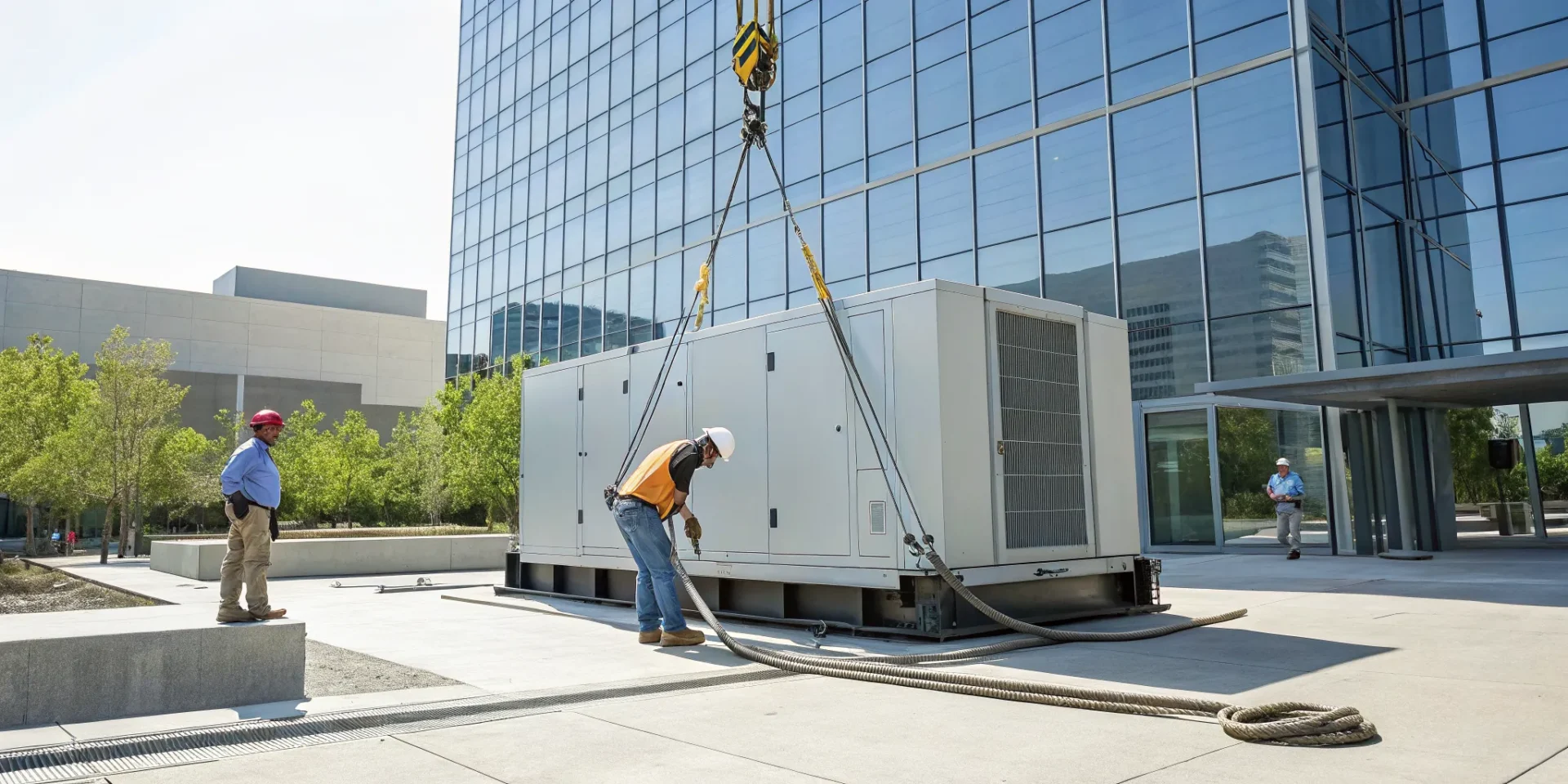
On installation day, our licensed electricians arrive ready to get your system up and running. The process typically begins with preparing the site, which often includes pouring a concrete pad to create a stable, level base for the generator. Next, we carefully position the unit and connect it to your building’s electrical panel using an automatic transfer switch (ATS). This device is what allows the generator to kick on automatically when it senses a power outage. We also handle the fuel connection, whether it’s a natural gas or propane line. Throughout the day, we adhere strictly to NFPA codes and safety standards, ensuring every connection is secure.
Step 4: Final testing and walkthrough
Once the installation is complete, we don’t just pack up and leave. We conduct a comprehensive series of tests to confirm everything is working perfectly. This includes simulating a power outage to watch the automatic transfer switch engage and the generator power up your critical systems. After confirming flawless operation, we’ll walk you through your new system. We’ll show you how it works, explain the control panel, and review the recommended preventive maintenance schedule to keep it in top condition. Our goal is for you to feel completely confident and prepared for any power outage.
How to Choose the Right Commercial Generator Installer
Choosing the right generator is only half the equation. The quality of the installation will determine whether your investment truly protects your business when the power goes out. A faulty installation can lead to equipment failure, safety hazards, and costly repairs down the road. Finding a qualified, experienced, and reliable installer is the most important step you can take to ensure your backup power system works flawlessly for years to come. Here’s what to look for in a commercial generator installer.
Verify their licenses and insurance
First things first, confirm that any installer you consider is properly licensed and insured. This isn’t just a formality; it’s your protection. Professional licensing, like a CCB license in Oregon, shows that the contractor meets state requirements for skill and business practices. More importantly, proper insurance protects you and your property from liability in the unlikely event of an accident during the installation process. Any reputable company will be upfront about their credentials and happy to provide proof. Don’t hesitate to ask for it.
Look for proven commercial experience
Installing a commercial generator is much more complex than a residential one. You need an installer who understands the unique power demands of a business. An experienced team will conduct a thorough power audit to determine the exact size of the generator you need. This is a critical step. A generator that’s too small won’t power your essential equipment, while one that’s too large can lead to mechanical problems. Look for a contractor with a portfolio of successful commercial projects to be sure they have the expertise to get the job done right.
Ask about ongoing maintenance and support
Your relationship with your installer shouldn’t end once the generator is running. A generator is a complex piece of machinery that requires regular upkeep to ensure it’s ready when you need it most. Before you sign a contract, ask about their ongoing maintenance and support plans. A great partner will offer scheduled inspections to check for potential issues like leaks or corrosion and perform periodic load tests. This disciplined preventive maintenance is what keeps your generator in peak condition, giving you true peace of mind. Find an installer who is committed to being your long-term electrical partner.
Related Articles
Frequently Asked Questions
How long does the installation process take? The full process, from the initial site assessment to the final walkthrough, can span a couple of weeks, but the on-site work is much shorter. The actual installation day, when our electricians are at your property, typically takes one to two days. We handle all the behind-the-scenes work, like securing permits, beforehand to ensure the on-site portion is as efficient and undisruptive as possible for your business.
What happens during a power outage once the generator is installed? The transition is seamless and automatic. The moment your system detects a loss of power from the grid, the automatic transfer switch (ATS) safely disconnects you from the utility line and signals the generator to start. Within seconds, the generator takes over and restores power to your critical systems. You don’t have to do a thing; it all happens automatically to keep your business running without interruption.
Will a generator power my entire business or just the essentials? That choice is entirely up to you and is based on your business’s specific needs. We can size a system to power your entire building, from the lights to the HVAC, or we can configure it to support only your most critical operations, like servers, security systems, and refrigeration. We determine the right size for you during the initial power audit, ensuring the final solution is a perfect fit for your operational goals and budget.
How often does a commercial generator need maintenance? To ensure your generator is always ready to perform when you need it, we recommend a professional maintenance check at least once a year. Regular service is key to its longevity and reliability. During a maintenance visit, a technician will inspect the engine, check fluid levels, test the battery, and run the system to confirm everything is in top working order. This proactive care prevents surprises and protects your investment.
How loud is a commercial generator? Modern commercial generators are designed to operate much more quietly than older models. The exact noise level depends on the size and model, but most are comparable to a central air conditioning unit. We also take noise ordinances and your property layout into account during the planning phase. Proper placement and the use of a sound-dampening enclosure can significantly reduce noise, ensuring minimal disturbance to your business and your neighbors.