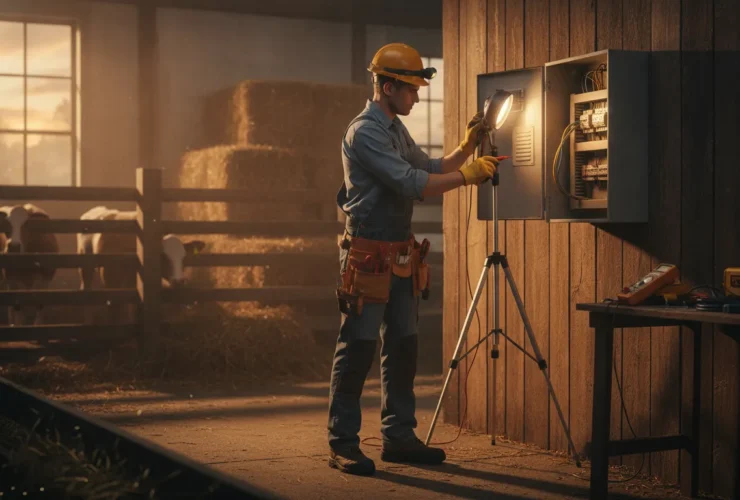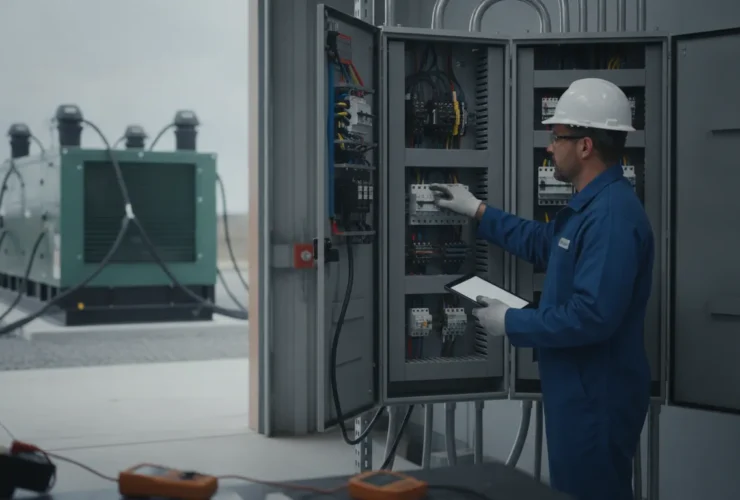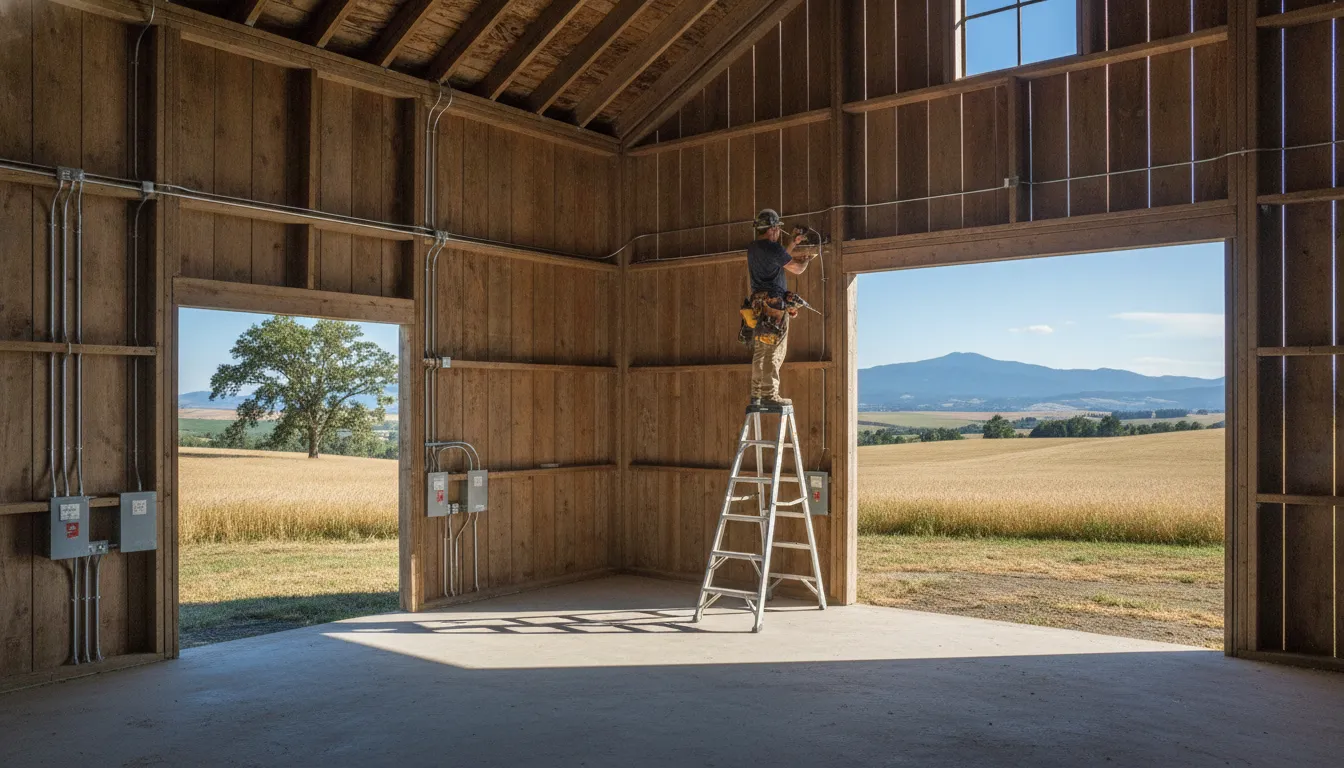
Agricultural Building Electrical Wiring Oregon NEC Guide
About seventy percent of all farm fires start in the electrical system. These preventable accidents cost growers millions of dollars in lost livestock and barns every year. Protecting your farm begins with selecting the right wiring materials and design.
Correct agricultural building electrical wiring Oregon systems must follow Article 547 of the Oregon Electrical Specialty Code (OESC). These strict standards protect farms by requiring dust-tight boxes, watertight joints, and rust-proof conduit that can stand up to harsh barn conditions and livestock gases. Standard household wires rot quickly when they are exposed to wet washing and animal waste, which increases the risk of short circuits and electrical shocks. Because agricultural settings degrade standard residential materials, the code prohibits standard Romex cables inside livestock areas to prevent shocks and major fires. Hiring a licensed electrical contractor to plan and install these tough systems keeps your family safe and ensures your farm stays highly productive.
How can you make sure your new barn or shop meets these tough safety rules? Learning the code requirements is the first step toward a safe and secure farm. We look at these state rules in the next section, titled NEC Article 547: How Oregon’s Electrical Code Regulates Agricultural Buildings. The path begins with:
Agricultural Building Electrical Wiring Oregon: NEC Article 547: How Oregon’s Electrical Code Regulates Agricultural Buildings
Farming in the Pacific Northwest requires tough equipment that can withstand the elements. When you plan a new barn, stable, or shop, you must follow clear rules to keep your property and livestock safe. Under state law, agricultural building electrical wiring Oregon projects must follow Article 547 of the Oregon Electrical Specialty Code (OESC). This section of the state building code sets the baseline for safety on rural farms.
Scope of the Oregon specialty code
The state code changes on a steady cycle to match national standards. Oregon now bases its state rules on the 2023 National Electrical Code (NEC). Before you build, you must understand how these rules apply to your land. Good electrical planning for rural properties ensures that your setup meets state safety rules. It also prevents costly rewiring jobs down the road.
Dust and water risks
Not every farm building has to meet the strict rules of Article 547. The rules apply to areas where high levels of dust, water, or corrosive fumes are a constant threat. In general, NEC Article 547 applies to agricultural buildings where these harsh conditions exist. If your building has clean, dry spaces like a standard office, normal rules apply instead.
To help you plan, consider these three main triggers that OESC rules target on a farm:
- Heavy dust from feed storage, grain silos, and dry hay.
- Excessive moisture in wash-down bays, milking parlors, and wet areas.
- Corrosive vapors from animal waste and manure pits.
Heavy dust is a major risk in structures like grain silos, feed mills, and hay storage areas. Dust can settle on electrical parts, trap heat, and cause a sudden fire. Moisture is another threat in areas like dairy barns and vehicle wash bays. In these spots, water can seep into normal outlets and cause dangerous short circuits.
The most severe threat comes from corrosive gases in livestock housing. Animal waste produces ammonia fumes that mix with damp air. This mixture eats away at copper wires and steel boxes in a short time. Standard wiring methods will degrade quickly under these conditions. The OESC requires special sealed parts to block out these gases and protect the system.
Why these rules exist
Farms present a unique set of safety risks. Damp spaces and livestock can create paths for stray voltage, which can shock animals and lower herd health. Dust-covered lights can ignite dry hay and lead to huge barn fires. Following the OESC safeguards your assets and protects your livelihood. It ensures that your power system operates safely in the toughest conditions.
Working with a licensed contractor helps you navigate these complex state rules. Licensed experts can design a system that keeps out dust and water while ensuring smooth power flow. They know how to choose the right gear and seal every box against rust and wear. This expert help keeps your farm safe, compliant, and strong for years to come.
Approved Wiring Methods for Barns, Pole Buildings, and Farm Shops
To install safe agricultural building electrical wiring Oregon farms need the right parts. Standard home wiring cannot handle the damp, dusty, or corrosive spaces of farm buildings. The 2023 Oregon Electrical Specialty Code outlines strict rules for these structures to prevent electrical failures and fires. These standards protect both your livestock and your farm builds.
Requirements of NEC Article 547.20
Under OESC Article 547, you must use wiring methods that withstand moisture, dust, and corrosive vapors. The code limits approved methods to a few exact cable types and sealed raceways. These parts protect wires from livestock waste, washing, and direct impacts. Using wrong methods can lead to severe hazards and failed inspections.
Approved wiring types include Type UF cable for direct burial in damp soil and Type NMC cable for strong corrosion resistance. For service entrance needs, you must use copper Type SE cable. To gain high physical protection in heavy work areas, you can run jacketed Type MC cable. In dusty spots, rigid nonmetallic conduit seals the system against fine dust and moisture.
Why Romex Is Prohibited in Animal Areas
You cannot use standard home NM cable, often called Romex, in animal housing or feed storage areas. Under NEC 547.5, livestock areas are corrosive spaces that eat through basic plastic sheathing. Ammonia vapors from animal waste and wet feed quickly degrade standard home cables, creating short circuits and fire hazards. If you use Romex in a pole building, pests can also chew the soft cover and ruin your system.
To keep your property safe, plan your layout before starting the work. Working with a licensed expert for agricultural electrical wiring services ensures your project meets the strict state rules. Choosing the right materials now prevents costly repairs and code issues down the road. It also keeps your farm work running smoothly without sudden power loss.
Comparison of Farm Wiring Methods
Each wiring method has a specific role on Oregon farms. The table below compares these approved cable types and conduit methods to help you choose the best option for your barn or farm shop.
| Wiring Type | Suitable Environments | Durability | Best Application |
|---|---|---|---|
| Type UF Cable | Damp, wet, or direct burial | Moisture resistant, direct soil contact | Underground runs to outbuildings |
| Type NMC Cable | Damp, wet, and corrosive areas | High resistance to rot and fumes | Livestock housing and dairy barns |
| Type SE Cable (Copper) | Dry or wet outdoor environments | Strong sunlight and weather protection | Service feeds and main panels |
| Jacketed Type MC Cable | Areas needing physical protection | Metallic shield with outer plastic jacket | Farm shops with heavy machinery |
| Rigid PVC Conduit | Highly dusty and wet environments | Corrosion proof and completely sealed | Wash bays and livestock feeding zones |
Protecting Exposed Wiring in Barns
In Oregon, any exposed wiring below eight feet must have shields. Animals can kick or bite low wires, creating massive safety hazards. If you run wiring along barn walls or near feeding stalls, you must cover the lines to prevent harm. This step is vital in active spaces where heavy tools and tractors operate.
You can protect exposed cables with rigid metal or PVC conduit. Heavy wood panels or thick drywall can also serve as shields for upright runs. Keeping your barn wiring secure keeps your animals safe and maintains stable power throughout your farm.
Why Romex Is Not Approved in Animal Areas and What to Use Instead
Standard plastic-coated wire, known as Romex or NM cable, is common in home walls. But you cannot use it in animal stalls, feed bays, or livestock care areas. Under Section 547.5 of the National Electrical Code (NEC), these wet, dusty spots need tougher wire. If you run simple NM cable in these spaces, you put your farm at serious risk.
The Hazards of Moisture and Rodents
Barns and stalls are harsh places for electrical gear. Animal waste creates damp air and strong gases like ammonia. These fumes can rot the thin plastic outer shell of Romex wire in just a few years. Once the jacket breaks down, copper wires are left bare, which can cause shocks or fires.
Rats and mice also love to chew on soft NM jackets. When pests expose live wire, dry hay or feed nearby can easily catch fire. For safety, the Oregon Electrical Specialty Code bans Romex in any area where you house stock or store feed. That is why proper electrical planning for rural properties starts with choosing the right wire.
Oregon Code Rules for Exposed Cables
Can you use Romex in a pole barn or horse barn? The answer is no for animal zones, but you might run it in dry work bays if you guard it from harm. In Oregon, you cannot leave NM cable bare. State rules say you must guard any exposed NM wire that sits less than eight feet above the barn floor.
In a horse barn, horses like to chew on any loose wires within reach, which can cause lethal shocks. In a pole barn used only to park large tractors, you might use Romex, but you must still protect it from being hit by tools or trucks.
If you run Romex flat below this height, it needs a solid guard. Oregon rules also apply to cables going into the top or bottom of a power panel. If those wires sit below eight feet, you must shield them with conduit, half-inch plywood, or half-inch drywall. These steps keep heavy farm tools and livestock from crushing live lines.
Approved Wiring Methods for Barn Zones
Since Romex is banned in stock zones, you must use other methods. For damp livestock pens, you need copper UF cable or NMC wire. UF cable has a tough outer jacket that resists moisture and rot. NMC cable works well in wet feed rooms because its shell stops chemical wear.
NMC wire is built to resist rust and gas damage in chicken houses and pig pens. Meanwhile, MC cable is metal-clad, which shields the wire inside from sharp hooves and teeth.
For areas with big tractors or heavy cows, armored MC cable with a liquid-tight jacket is your best bet. Metal conduit made of thick plastic is also great for guarding wires in open stalls. Working with agricultural building electrical wiring Oregon guidelines means matching the wire type to each barn zone. A licensed journeyman can check your layout to ensure it meets all state safety standards.
Grounding, Bonding, and GFCI: Critical Safety Requirements for Agricultural Buildings
Farm buildings face wet floors and animal waste. These things create unique hazards for your wiring. To keep animals and workers safe, you must follow strict code rules. When you do electrical planning for rural properties, grounding, bonding, and ground-fault safety must be top goals. Proper design keeps voltage stable and stops harmful shocks.
Ground-fault protection in wet farm environments
Water and electricity do not mix. In barns, moisture and wet dirt increase the risk of shock. So, the code requires special safety tools. You must install ground-fault circuit interrupter (GFCI) safety devices on certain outlets. This rule applies to all 125-volt, 15-amp, and 20-amp outlets. You need this safety shield in damp areas, dirt floor pens, and any space with agricultural building electrical wiring Oregon. A professional team can set up these agricultural electrical wiring services to keep your farm safe. A GFCI device tracks the current and cuts power fast if it finds a leak.
Equipment grounding and bonding methods
To keep farm systems safe, proper grounding is a must. In standard homes, metal pipe can sometimes act as a ground path. But in barns, metal conduit cannot be your only ground. Corrosive gases like ammonia will rust metal over time. Rust breaks the path and leaves you without a safe ground. Because of this, you must run a separate copper grounding wire inside the conduit. This separate wire ensures a path to ground even if the metal conduit rusts. Because of these gases, you must also use corrosion-resistant fittings. Sealed plastic or non-metallic fittings work best in these harsh spaces because they do not rust.
Bonding is also vital to keep your livestock safe. Livestock are sensitive to tiny levels of stray voltage. Even a small shock of just half a volt can stress animals, lower milk yield, or make them avoid feed. To prevent this, you must bond all metal parts in the building together. This includes metal stalls, water pipes, feed troughs, and concrete grates. Bonding links these metal parts so they stay at the same voltage. Proper grounding and bonding are critical to control risks from moisture and corrosive air, according to safety bulletins on agricultural buildings. By linking all metal parts, you remove the voltage differences that cause stray shocks.
Equipotential planes in livestock facilities
An equipotential plane is a special safety mesh. It is a wire grid embedded in concrete floors and bonded to the grounding system. This grid keeps the floor and any metal equipment at the exact same voltage. It stops electrical current from flowing through an animal’s body when it walks on the concrete. In many states, this system is required in livestock barns. But Oregon code takes a different stance. In Oregon, the state building code makes an equipotential plane a design choice for livestock owners rather than a strict requirement. This means state inspectors will not force you to install one. Still, it is a highly recommended safety feature for dairy barns and animal holding areas.
The Oregon Agricultural Exemption: What It Covers and What It Does Not
Many farmers in the Willamette Valley believe that a farm exemption covers all parts of a new barn or pole building. Under Oregon Revised Statute (ORS) 455.315, certain farm buildings are indeed exempt from some state rules. But this exemption is not a free pass for all construction steps. It is vital to know where the rules stop and where they still apply to your property.
Scope of the structural exemption
The Oregon agricultural exemption mainly applies to the Oregon Structural Specialty Code. Under ORS 455.315(1), a building used for farm purposes does not need a standard building permit. This means you do not pay system development charges to the local government. You also do not need building code inspections for the physical structure of the barn itself.
But this exemption only covers buildings that are used to grow crops, feed livestock, or store farm equipment. It does not apply to buildings where the public gathers or where people work. If a building falls under flood hazard rules or fire safety codes, the exemption may not apply. Many property owners fall into these common traps when planning a new barn:
- Assuming that a structural exemption means no inspections of any kind are needed.
- Believing that they do not need to apply for any utility permits.
- Thinking they can use standard home wiring methods in farm zones.
Electrical specialty code compliance
The most common mistake is to think the ag exemption covers all utility work. This is not true. The law does not exempt farm buildings from the Oregon Electrical Specialty Code (OESC). Any agricultural building electrical wiring Oregon farmers install must meet Article 547 of the state electrical code.
This code contains strict safety rules to prevent fires and shocks in harsh places. Dust, water, and animal waste can quickly damage standard home wires. If you plan panel upgrades for agricultural buildings, you must use dust-tight and watertight parts.
Permits and inspections for farm properties
While you do not need a structural building permit, you still must get an electrical permit. The local building department must inspect and approve all electrical work on your farm. This step helps make sure that the system is safe for animals and workers.
Do not take shortcuts with farm power systems. An electrical inspection is not a burden; it is a vital safety check. Working with a licensed contractor helps you get the right permits and keeps your farm compliant with state law.
Why Hire a Licensed Oregon Electrical Contractor for Your Agricultural Building?
The high costs of farm wiring failures
A survey from the University of Nebraska-Lincoln Extension shows that over 50 percent of surveyed farms have major wiring problems. Even worse, insurance reports show that about 70 percent of all on-farm fires involve the electrical system.
These electrical issues can lead to grave events. For example, system failures once caused over 100,000 dollars in animal losses on three swine farms in just one month. Proper wiring is not just about keeping the lights on; it is a matter of protecting your farm and animals.
Agricultural buildings in Oregon must meet strict safety guidelines. Under the Oregon Electrical Specialty Code Article 547, farm buildings face unique rules due to high dust and moisture. Corrosive dust, water spray, and animal waste can quickly ruin standard home parts. This is why you need expert help to lay out and install your system the right way.
Expert wiring for farm shops and barns
Wiring a pole barn, pump house, or farm shop is not like wiring a home. Damp and dusty farm spaces need special wire and parts. Pro Tech Power Corp lists ag buildings as a core commercial service.
Their team knows how to design safe, lasting systems for heavy farm use. They offer agricultural electrical wiring services to handle everything from panel work to feed systems. If you need help with agricultural building electrical wiring Oregon has specific rules you must follow.
A key part of their safety culture is a strong ratio of skilled workers. The company maintains a 1.3 to 1 ratio of journeymen to apprentices on their jobs. With 17 licensed journeymen on staff, they make sure every project gets expert care. This means your heavy machines, crop dryers, and farm shop tools will run safely and without constant power drops.
Oregon electrical licensing and code compliance
Do not risk your farm by hiring workers with no license. Doing electrical work on farm buildings requires a licensed Oregon contractor. Pro Tech Power Corp holds license CCB#198878 and has served the region for 14 years. They know the exact National Electrical Code (NEC) and state rules that apply to agricultural wiring.
Whether you are building a new horse arena or updating an old dairy barn, they can help. You can contact their team to discuss your next project. They will help you plan a system that keeps your animals safe and your equipment running smoothly.
Frequently Asked Questions
Can I use Romex wire in a pole barn?
No, Romex cable is not allowed in animal housing or wet, dusty parts of a barn under National Electrical Code Article 547. For other areas of a pole barn, Romex is fine. However, Oregon rules require protection for any exposed Romex below eight feet. You must cover it with conduit or wood.
Does the Oregon agricultural exemption apply to electrical wiring?
Under ORS 455.315, Oregon law exempts certain farm buildings from structural building codes. However, this farm exemption does not apply to electrical work. All electrical wiring on Oregon farms must still have a permit, pass inspection, and follow state electrical codes. You should work with a licensed contractor to ensure safety and meet all local rules.
When does NEC Article 547 apply to a farm building?
This code section applies to any agricultural building with high levels of dust, moisture, or corrosive fumes. This includes livestock housing, feed mills, and dairy barns. According to the Oregon Building Codes Division, these spaces need special wiring to prevent fires and shocks in harsh environments. Standard home wiring will rot and fail under these conditions.
Do I need an equipotential plane for a livestock barn in Oregon?
An equipotential plane is a wire mesh in the concrete floor that prevents stray voltage from shocking animals. While the National Electrical Code requires this, Oregon has a special rule. The state building code does not enforce this rule. It is a design choice for the owner, but installing one can keep your livestock safe from minor shocks.
Is UF-B wire allowed in Oregon barns?
Yes, UF-B cable is approved for agricultural electrical wiring in dry, damp, or wet places. However, you cannot use it in areas with corrosive fumes, such as livestock pens or manure storage. In those harsh spaces, you must use dust-tight and watertight conduit with copper wires to prevent corrosion and keep your barn safe.
Ready to Safely Wire Your Oregon Agricultural Building?
Leaving poor or damaged electrical wiring in your Oregon barn today can lead to costly crop losses, severe livestock harm, and sudden, destructive farm fires. Planning your new power setup today prevents stressful utility outages and ensures your systems are fully ready before the busy local harvest season begins. Our skilled local team of seventeen licensed journeymen will help you build a strong, code-compliant grid that keeps your Oregon ranch safe and productive today.
Ready to start? Call (503) 780-6207 to schedule a free consultation for your agricultural electrical project. Our friendly local team is ready to help you protect your rural Oregon farm and keep your systems running smoothly every day.