
Panels & Wiring
Electrical Panel Repair: A Homeowner Planning Guide
Pro Tech Power Corp
· 14 Min Read
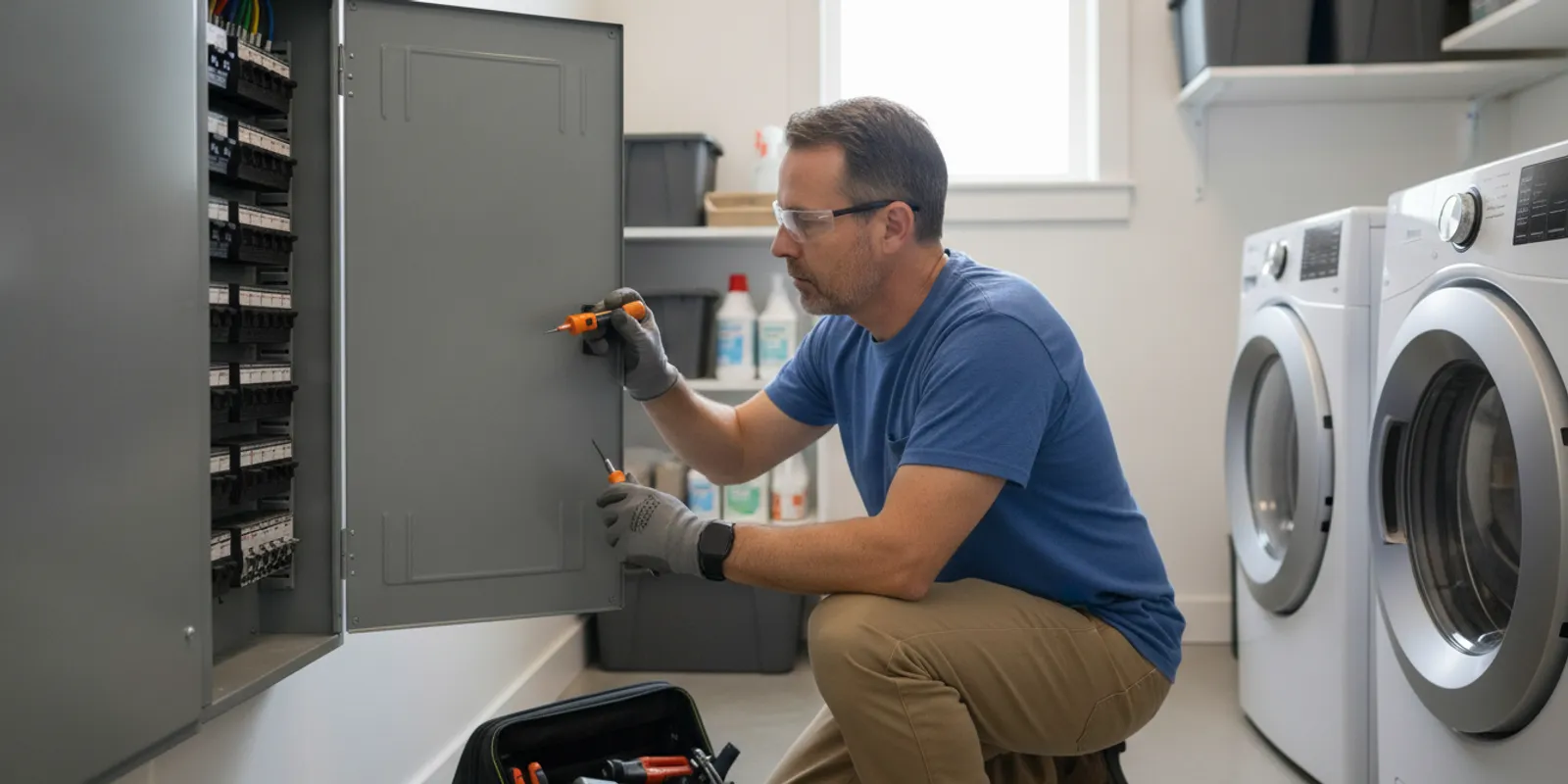
Planning electrical work at a panel is less about guessing the right fix and more about creating a reliable record of what the system needs. A professional visit should clarify the concern, document relevant findings, and define the work that can be considered safely.
Contact Pro Tech Power about a panel assessment or call 503-780-6207 to discuss the next step with a licensed electrical team.
Electrical panel repair planning means arranging a professional evaluation, reviewing documented findings, and choosing among targeted repair, related circuit work, or a replacement evaluation based on the actual scope. The right path depends on what the electrician finds, how the affected equipment connects to the broader system, and which permit or inspection requirements apply.
That process gives homeowners a clearer basis for questions and decisions without opening energized equipment or relying on a universal age, symptom, or price rule. It also creates a useful record for coordinating related residential electrical services. Here is what to expect when the evaluation moves from an initial concern to a defined plan.
What Does Electrical Panel Repair Planning Involve?
Electrical panel repair planning starts with a professional evaluation, not a repair assumption. The goal is to connect the homeowner's report with documented findings and a defined scope of work.
A panel concern can involve the panel itself, a breaker, a connection, a branch circuit, service equipment, or another part of the electrical system. Because those possibilities can look similar from the outside, an online article cannot establish which component is responsible. A qualified electrician should assess the equipment using appropriate procedures and explain what was confirmed.
Good planning begins with a simple record. Describe what changed, when it began, which areas or equipment were affected, and whether the condition is constant or intermittent. Share any recent electrical work, remodel activity, or equipment changes that may provide context. You do not need to diagnose the problem. The useful information is the sequence and pattern of events.
The evaluation should then separate findings from possibilities. Ask what was inspected, what condition was identified, and whether the concern appears limited to one circuit or connected to a broader system issue. This distinction matters because replacing a visible component without addressing the cause may not solve the problem. A written explanation can also make it easier to understand why a targeted repair, related circuit work, or replacement evaluation is being recommended.
Pro Tech Power approaches residential electrical work as part of broader electrical contracting support, including troubleshooting and system updates. You can review the company's residential electrical work before contacting the team. The page is a starting point for understanding coverage, not a substitute for an assessment of a particular panel.
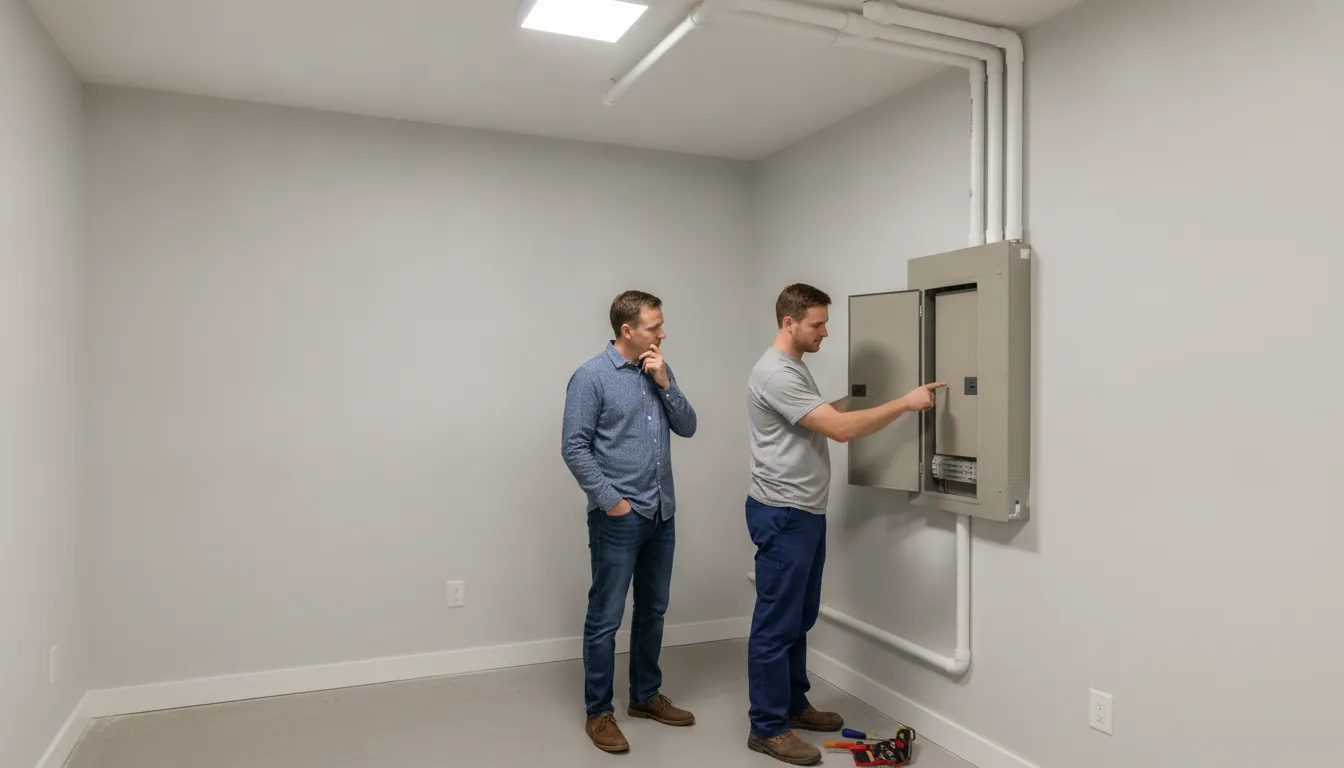
That planning boundary keeps this guide separate from a warning-sign article. The focus here is what happens after a homeowner needs a professional evaluation: how to define the work, compare reasonable paths, and ask informed questions about safety, permits, inspections, and completion.
How Do Electricians Decide Between Panel Repair and Replacement?
The decision should follow documented findings, equipment condition, and the home's actual electrical needs. A symptom alone does not establish that a complete panel replacement is necessary.
Panel troubleshooting and panel replacement are different decisions. The first question is what condition was found and where it is located. The next is whether the identified condition can be corrected while the existing equipment remains appropriate for the home. If a larger limitation or condition is present, a replacement evaluation may be reasonable. The scope should explain the connection between the finding and the recommendation.
| Possible path | Purpose | Questions to clarify |
|---|---|---|
| Professional assessment | Establish what is happening and whether the panel, circuit, connection, or related equipment is involved. | What was inspected, what was confirmed, and what remains uncertain? |
| Targeted repair | Address a specific correctable condition when the existing panel remains suitable for the identified work. | Which component or condition is included, and what will the repair not address? |
| Replacement evaluation | Consider new equipment when its condition, suitability, or project scope makes a limited repair inappropriate. | What findings support replacement, and which parts of the work are included? |
| Related circuit or service work | Correct a cause or contributing condition outside the panel itself. | How does the proposed work relate to the reported concern? |
Ask the electrician to explain whether the recommendation addresses an immediate correction, a broader system limitation, or a separate project need. Those are not interchangeable reasons. A clear scope should identify the work area, the equipment involved, the expected interruption to power, and any related corrections that may be required.
Existing articles about Oregon panel permit and inspection steps or panel replacement and wiring scope can help homeowners organize follow-up questions. They should support a project conversation, not replace the electrician's assessment or turn a general explanation into a recommendation for a particular home.
A responsible plan also leaves room for changed findings. If the electrician discovers a condition that changes the scope, ask what was found, why the proposed work changed, and which parts are required before proceeding. This approach keeps the conversation tied to evidence rather than to a predetermined repair or replacement outcome.
What Should You Ask Before Electrical Panel Repair Begins?
Before electrical panel repair begins, ask for a plain-language explanation of the finding, the exact scope, and the safety and inspection steps that apply. Clear answers help you understand what the work is intended to correct.
Start by asking what the electrician found and how the finding relates to the concern you reported. If the condition was intermittent, ask what evidence supports the conclusion and whether any additional testing or observation is needed. The goal is not to demand certainty where the cause is still being investigated. It is to distinguish a confirmed condition from a possibility.
- What equipment is included? Clarify whether the scope covers a panel component, a breaker, a connection, a branch circuit, service equipment, or another part of the system.
- What is outside the scope? Ask whether related wiring, access work, repairs in another area, or other corrections are excluded or may require a separate discussion.
- What should remain unused? Request project-specific guidance about equipment or circuits that should not be operated while the concern is being evaluated.
- What happens if the finding changes? Ask how the team will explain additional work before expanding the agreed scope.
- What documentation will be provided? Clarify what record describes the completed work and any permit or inspection information that applies.
It is also useful to ask whether the proposed work is a targeted correction or part of a broader upgrade decision. A panel repair recommendation should not quietly become a replacement plan without an explanation of what changed. If replacement is being considered, ask why a limited repair is not suitable and what the replacement would address.
Homeowners do not need to remove a cover, tighten a connection, test energized parts, or make a diagnosis to participate in the conversation. Keep the equipment closed and rely on the electrician for work inside the panel. A safety-first discussion is more useful than an improvised inspection.
Contact Pro Tech Power about a panel assessment and bring these scope questions to the conversation.
How Do Permits, Inspections, and Electrical Code Affect Panel Work?
Permit, inspection, and code requirements depend on the work being performed and the authority having jurisdiction. The contractor should verify what applies to the actual project rather than relying on a universal online answer.
Electrical panel work can touch equipment, circuits, service components, or other parts of a home's electrical system. The applicable requirements may depend on the scope, the location, and the local process. For that reason, homeowners should ask early who will determine the requirements, who will obtain any required permit, and how an inspection will be scheduled.
Ask the contractor to explain which part of the proposed work triggers a permit or inspection, if one applies, and whether the scope could change that answer. Also ask how the work will be documented afterward. If an inspection is required, clarify who coordinates it, when it is expected, and what happens if a correction or follow-up is requested. These questions help separate the electrical work itself from the administrative steps that support it.
Applicable electrical code should be treated as a project-specific compliance question. Pro Tech Power's planning context includes the National Electrical Code, Oregon electrical code, and local jurisdiction requirements. But a general article should not invent a clause or promise that every project follows the same path. Ask how the proposed repair or replacement will meet the requirements that apply at the time and place of the work.
Broader homeowner planning resources can add context. For example, NYSERDA's guide to home electrical panels discusses panel planning in the context of home electrification. It does not determine the requirements for a Pro Tech Power customer's project, and it should not be used as a substitute for local project guidance.
Before work begins, keep the written scope, permit information when applicable, and inspection details with your home records. If the electrician identifies an issue outside the original concern, ask for a clear explanation before agreeing to a broader scope. That paper trail supports a safer handoff and makes future electrical planning easier.
What Information Helps a Panel Troubleshooting Visit?
The most useful preparation is a clear account of what happened, when it happened, and what work or changes may be related. You can gather that information without opening the panel or attempting a test.
- Describe the concern. Write down what you noticed in plain language, including whether the condition affected one area or several areas of the home.
- Record timing and pattern. Note when the issue began, whether it is constant or intermittent, and whether it appeared during a particular activity.
- Mention recent changes. Tell the electrician about recent electrical work, remodeling, new equipment, or changes in how a space is being used.
- Gather available records. If prior project documents or panel information are easy to find, have them available. Do not delay a needed visit while searching for paperwork.
- Ask how to proceed safely. If you are unsure whether a circuit or piece of equipment should remain in use, ask the electrician instead of experimenting.
Do not treat preparation as a remote diagnosis. A photo of the closed exterior may help communicate location or labeling when it can be taken safely, but it cannot establish the condition of internal components. Never remove a panel cover, reach into an opening, tighten a connection, or replace a breaker as part of getting ready for the visit.
If the electrician needs additional information, ask what observation or testing would provide it and who should perform that work. This keeps the visit focused without asking a homeowner to interact with energized equipment. It also helps the final scope reflect the actual evidence rather than an assumption made before arrival.
How Can You Review a Panel Repair Scope Without Focusing on Price?
Review the scope by asking what was found, what work is included, and how completion will be confirmed. A useful scope connects each proposed task to a documented condition.
A clear scope should identify the equipment or area involved, the work the electrician plans to perform, and any related work that is not included. It should also explain whether the work is intended as a targeted correction, part of a replacement evaluation, or a response to a condition elsewhere in the system. This level of detail helps homeowners compare recommendations on substance rather than on a number alone.
Ask how access, power interruption, and protection of the work area will be handled. If the panel is in a finished space, confirm whether the area needs to remain clear and whether connected equipment needs special preparation. The electrician should provide project-specific instructions. Do not infer them from a general checklist.
Ask whether permits or inspections apply, who handles those steps, and what documentation you will receive. If another condition is discovered, request an explanation of the finding and the reason for any proposed scope change. You can ask which items are necessary to address the identified condition and which items belong to a separate future project.
For related background, the guide to when a panel upgrade makes sense can help distinguish a capacity or upgrade discussion from a targeted electrical panel repair conversation. It is a supporting resource, not a diagnosis of the equipment in your home.
Contact Pro Tech Power through the estimate form to discuss the scope of a residential panel assessment.
A written scope should leave room for professional judgment while remaining understandable. If a recommendation is not clear, ask the electrician to restate the finding, the proposed correction, and the completion checks in plain language before the work begins.
What Should You Confirm After Electrical Panel Work?
After the work, confirm what was completed, what documentation applies, and what instructions you should follow. The handoff should make the result understandable without promising that an electrical concern can never return.
Ask the electrician to review the work performed and connect it to the original finding. If the scope changed during the visit, ask what was discovered and why the final work differed from the initial plan. This explanation helps you keep an accurate home record and recognize which related conditions were outside the completed work.
Confirm whether a permit or inspection applied and ask how the relevant information will be provided. If an inspection is pending or follow-up is required, make sure you understand the next step and who coordinates it. Keep those records with other home documents, especially if future remodeling or electrical planning may rely on them.
Ask for operating or monitoring instructions that are specific to the work. Do not make changes to the panel or connected equipment based on a generic article. If the original concern returns or a new condition appears, contact the electrician for guidance rather than repeating an improvised reset or inspection.
Pro Tech Power's safety-first approach is built around doing electrical work safely and correctly. A clear handoff supports that goal by giving the homeowner a record of the finding, the completed scope, and the appropriate contact for follow-up. It also keeps repair planning distinct from the separate warning-sign guide that covers how to recognize a possible concern in the first place.
Frequently Asked Questions
Who should inspect and repair electrical panel equipment?
A qualified electrician should evaluate and repair panel equipment. Homeowners can describe what they observed and ask questions about scope, permits, and completion, but they should not remove the cover or work inside the panel.
Do electricians repair electrical panels, or do they only replace them?
Electricians may evaluate whether a targeted repair, related circuit work, or replacement evaluation fits the documented condition. The appropriate path depends on the equipment, the cause of the concern, and the home's electrical needs. A recommendation should explain why the proposed scope fits the finding.
Do electrical panel repairs require a permit or inspection?
Requirements depend on the work, location, and authority having jurisdiction. Ask the contractor to confirm what applies, who handles any permit, whether an inspection is required, and what documentation you will receive. Do not rely on a single universal answer for every panel project.
What should I have ready for an electrical panel repair discussion?
Bring a clear description of what happened, when it began, which areas or equipment were affected, and any recent electrical work or remodeling information that is easy to provide. You do not need to diagnose the equipment or open the panel. The electrician can determine what additional evaluation is appropriate.
Electrical panel repair planning is strongest when the scope follows documented findings and the homeowner understands the safety, permit, inspection, and follow-up questions before work begins.
Plan Your Next Electrical Step
Request a panel assessment from Pro Tech Power or call 503-780-6207 to discuss your electrical panel repair questions with a licensed electrical team.