When Do You Need Electrical Repair: A Homeowner’s Guide
A flickering light or breaker that trips once may seem minor, but repeated electrical symptoms often point to a problem that will not correct itself. Warm outlets, buzzing sounds, burning odors, and outlets that suddenly stop working deserve prompt attention, especially when they affect a business or essential equipment.
Electrical repair is safest when a qualified electrician evaluates the cause, makes the circuit safe, and completes a code-compliant fix. Avoid opening panels, replacing damaged wiring, or repeatedly resetting a breaker to see whether the problem goes away. A professional can determine whether the issue involves a device, branch circuit, wiring, or service equipment and explain the next step before work begins.
Knowing which warning signs matter helps you decide when to stop troubleshooting and request help. It also makes a residential service call less stressful, because you can describe what happened, identify affected areas, and understand why testing comes before the repair itself.
Request residential or commercial electrical repair help today. Pro Tech Power’s licensed team can evaluate the cause, make the circuit safe, and complete a code-compliant fix for your home or small business.
Signs You Need Electrical Repair: Know When to Call a Pro
Electrical problems rarely improve by themselves. A single odd symptom may point to a loose connection, an overloaded circuit, worn equipment, or a larger wiring problem. When the warning signs repeat or involve heat, sparks, or damaged insulation, stop troubleshooting and arrange professional electrical repair.
Watch for these conditions in your home or small business:
- Breakers that keep tripping: A breaker that trips once may respond to a temporary overload. Repeated trips can indicate a circuit problem, a failing appliance, or wiring that needs evaluation. Do not keep resetting it to restore power.
- Warm, discolored, or dead outlets: An outlet that feels warm, smells unusual, shows scorch marks, or has stopped working should not be used until it is inspected. Heat can signal excessive resistance or a loose connection behind the device.
- Flickering or dimming lights: Lights that flicker when an appliance starts, dim across several rooms, or change brightness without explanation deserve attention. The cause may be at a fixture, circuit, or service panel, and guessing at the source can leave the underlying hazard in place.
- Buzzing from the panel or fixtures: Electrical systems should not produce persistent buzzing, sizzling, or crackling sounds. Move away from a panel that is making unusual noise and contact an electrician rather than opening the cover.
- Frayed or damaged wiring: Cracked insulation, exposed conductors, chewed cables, loose wires, or damaged cords create opportunities for shock, arcing, and fire. Keep people away from the area and do not tape over the problem as a permanent fix.
- Hot outlets, switches, or fixtures: A device that is hot to the touch, especially when paired with a burning odor or discoloration, should be treated as an urgent safety concern. Turn off the circuit only if you can do so safely, then request help.
These are not good DIY projects. The CDC and NIOSH state that only qualified persons should perform electrical work. The hazards include electric shock, burns, arc injury, and fire from faulty equipment or improper installation. A professional can identify the source, de-energize the circuit, verify that power is off, and make a repair that is safe and appropriate for the system.
If you see smoke, sparks, active arcing, or a burning smell, keep clear, shut off power only when it is safe, and call for immediate assistance. For less urgent but recurring symptoms, documenting when they occur can help the electrician diagnose the issue efficiently.
What a Residential Electrical Repair Visit Involves
A professional electrical repair visit begins with a conversation, not a guess. When the electrician arrives, they will ask what you noticed, when the problem started, and whether anything changed beforehand. Tell them if lights flicker, a breaker trips repeatedly, an outlet feels warm, or a burning smell or unusual sound is present. Details about which rooms or appliances are affected can help narrow the problem and prevent unnecessary disruption.
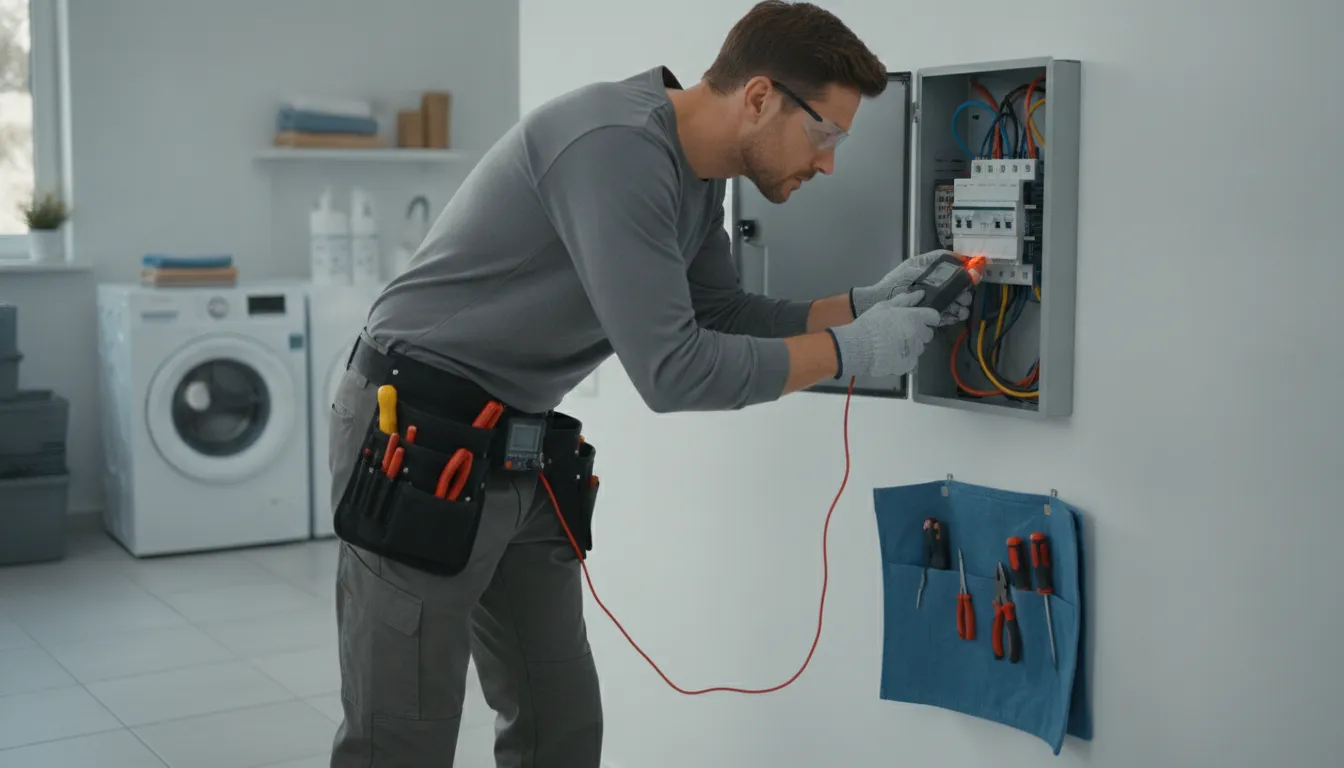
Next, the electrician performs a careful diagnosis. That may include inspecting the electrical panel, checking visible wiring and devices, and testing affected circuits with appropriate equipment. A symptom at one outlet can originate elsewhere in the circuit, so resetting a breaker or replacing a device without testing may not address the underlying condition. The goal is to identify the cause while keeping people and property safe.
Safety comes before the repair
Electrical work should be performed only by qualified persons who have the training to work on or near energized parts. The CDC and NIOSH electrical safety guidance identifies electric shock, burns, arc blasts, and fire as serious hazards, and recommends assigning electrical work to qualified professionals.
Before maintenance or repair begins, the electrician should de-energize the relevant circuit, use a tester to verify that power is off. And use lockout devices to help prevent the circuit from being re-energized unexpectedly. These steps are part of a controlled process, not unnecessary ceremony. The OSHA electrical safety standard and resources likewise emphasize controls that protect workers from electrical hazards. Keep children, pets, and other household members away from the work area and never attempt to help by touching wiring or energized equipment.
Explanation, quote, and repair
Once the diagnosis is complete, the electrician should explain what they found in plain language. Ask which component or condition caused the symptom, whether the issue presents an immediate safety concern, and what options are available. You should receive a clear quote or scope of work before authorized repairs proceed. If the condition involves damaged wiring, overloaded equipment, or an aging panel, the safest solution may require more than changing an outlet or resetting a breaker.
After you approve the work, the electrician completes the repair using materials and methods appropriate for the installation and applicable code requirements. A thorough visit ends with verification. The electrician tests the repaired circuit, confirms the affected devices operate as intended, and checks that the original symptom has been resolved. They should also explain any limitations, follow-up recommendations, or signs that warrant another call. That process gives homeowners a safer answer than trial and error and a clearer understanding of what was done.
Dead Outlets and Tripping Breakers: What the Diagnosis Really Means
A dead outlet is not always a failed outlet, and a breaker that trips is not necessarily defective. Both symptoms are protective clues. The right electrical repair begins by identifying what caused the interruption instead of repeatedly resetting the breaker or replacing parts without testing.
What a dead outlet can indicate
When one receptacle stops working, first consider whether a nearby GFCI receptacle has tripped. GFCI protection may serve outlets farther along the same circuit, including outlets in kitchens, bathrooms, garages, basements, and outdoor areas. Pressing the reset button may restore power, but a GFCI that will not reset, trips again, or feels warm needs professional attention.
A dead outlet can also result from a loose connection at the receptacle, a failed receptacle, or a damaged section of wiring. If several outlets on the same wall or in the same area are dead, the issue may be farther upstream. Loose terminations, aging wiring, or a problem in the electrical panel can interrupt power to multiple devices. Do not remove the outlet cover to investigate unless you are qualified to work safely around electrical components.
Why breakers trip
A breaker may trip because too many devices are drawing power from one circuit. Space heaters, kitchen appliances, portable air conditioners, and other high-demand equipment can overload a circuit when used together. A short circuit or ground fault can also cause an immediate trip. In those situations, the breaker is responding to a dangerous condition rather than creating it.
If the breaker trips once under an unusual load, unplugging some equipment and monitoring the circuit may help identify an overload. Repeated trips, trips with little or no load, a breaker that will not reset, buzzing. Burning odors, discoloration, or warmth around the panel are reasons to stop resetting it and arrange an inspection. The underlying concern could be a worn breaker, loose connection, damaged wiring, or a panel condition that requires more extensive work. Review the signs that may call for breaker panel repair before assuming the problem is limited to one switch.
Sometimes testing shows that a home’s wiring is too old or compromised for an isolated repair to be dependable. In that case, the electrician may discuss targeted replacement or full house rewiring. That recommendation should be based on the condition of the wiring and the home’s needs, not on the symptom alone. A qualified electrician can explain the finding, outline safe options, and help you decide what should be addressed first.
Why You Should Never Leave Electrical Repair to Guesswork
Electrical systems can hide serious problems behind an ordinary symptom. A warm outlet, buzzing panel, or breaker that will not stay on may involve a loose connection. Damaged conductor, overloaded circuit, or another issue that is not safe to identify by trial and error. Replacing a part without finding the cause can leave the hazard in place, create a code problem, or make the next failure more dangerous.
The CDC and NIOSH electrical safety guidance states that electrical work should be performed only by qualified persons. That standard matters because qualified professionals are trained to recognize energized parts, understand electrical hazards, use appropriate protective equipment, and follow safe work procedures. A general handyman may be skilled in many types of home maintenance, but that does not automatically mean they are qualified to diagnose or alter an electrical system.
Safety starts before the repair begins
A careful electrician does not treat a circuit as safe simply because a switch is off. Before work begins, the circuit should be de-energized, locked out to prevent someone from turning it back on. And checked with an appropriate voltage tester to verify that power is actually off. The CDC recommends these steps for qualified persons before maintenance or repair work. If you are not trained and equipped for electrical work, stay clear of energized parts and do not open equipment to investigate the problem yourself.
| Guessing or unqualified work | Licensed electrical repair |
|---|---|
| Replaces a part without finding the root cause | Diagnoses the cause before recommending a fix |
| May not follow safe lockout and testing steps | De-energizes, locks out, and verifies power is off |
| Rarely verifies code compliance after the repair | Completes work with applicable requirements in mind |
| Leaves shock, arc, and fire hazards possible | Documents the repair and confirms circuits are safe |
Electrical hazards can include shock and burns from contact with energized components, injuries caused by arcing, and fires linked to faulty equipment or improper installations. These risks are not limited to large projects. A small-looking outlet or breaker issue can connect to wiring inside a wall, a panel connection, or equipment that requires a broader diagnosis. Turning off a breaker may be a reasonable temporary safety step when there is an immediate concern, but it is not a substitute for professional evaluation.
Qualified work protects your property and your plans
Licensed electrical professionals also bring code knowledge to the repair. They can determine whether an existing installation is safe to retain. Whether a damaged component needs replacement, and whether an upgrade is needed to support the property’s electrical demand. That is especially important when a repair reveals an aging or undersized panel. If the system needs more than a component replacement, review the considerations involved in electrical panel upgrades before making a rushed decision.
Choosing qualified help is not about making every problem sound urgent. It is about replacing uncertainty with a documented diagnosis and a repair performed safely, correctly, and with the applicable requirements in mind. For homeowners and small-business owners across the Portland metro and Willamette Valley region, that approach provides a clearer path forward without putting people or property at unnecessary risk.
How Do You Prepare for Your Electrical Repair Appointment?
A little preparation can make an electrical repair visit more efficient and help the electrician understand what is happening in your home. You do not need to diagnose the problem yourself. Instead, collect clear observations and make the affected areas accessible. The details you provide can help the technician identify patterns, ask better follow-up questions, and focus the inspection where it matters most.
Before the appointment, work through this checklist:
- Write down the affected rooms and symptoms. Note whether the issue involves a bedroom, kitchen, garage, office, or several areas. Record what you have noticed, such as flickering lights, a dead outlet, a buzzing sound, an unusual odor, warmth, or a circuit that trips repeatedly.
- Identify the specific outlets, switches, fixtures, or appliances involved. If possible, mark the affected location with a small note so it is easy to find. Include anything that stopped working at the same time, even if it appears unrelated.
- Record when the problem began. Note whether it started suddenly or developed over time. Include any recent events that may provide context, such as a storm, renovation, new appliance installation, or power interruption.
- Clear access to the electrical panel. Move storage boxes, tools, furniture, or other items that block the panel and the path to it. The electrician may need to inspect breakers, identify the affected circuit, or safely de-energize part of the system.
- Turn off a tripped circuit only if it is safe to do so. Keep your hands dry, stand on a dry floor, and do not reset a breaker that trips immediately, smells burned, feels hot, sparks, or shows visible damage. Never remove the panel cover or attempt to repair wiring yourself.
- Gather prior records. Have recent inspection reports, permits, remodel information, electrical diagrams, or notes about earlier repairs available. These records can be especially helpful in older homes or properties with recent additions.
If you notice smoke, active sparking, a burning smell, exposed energized wiring, or another immediate hazard. Leave the area and call for emergency assistance rather than waiting for a routine appointment. For more ways to reduce risks before and after the visit, review this guide to home electrical safety.
With these observations ready, you can describe the issue without guessing at its cause. That gives the electrical repair team a safer, clearer starting point for inspection and recommendations.
Small-Business Electrical Repair: Same Safety Standards, Higher Stakes
For a small business, an electrical problem rarely stays confined to one outlet or light fixture. Flickering lights can make a workspace uncomfortable and signal an underlying connection or circuit issue. A breaker that trips repeatedly can interrupt equipment, point-of-sale systems, refrigeration, or critical office technology. A warm outlet is an especially important warning sign because excess heat can indicate an overloaded circuit, loose connection, or damaged device.
These symptoms deserve prompt attention, even when the business is still operating. Employees may work around the problem, customers may notice disruptions, and a temporary workaround can create additional risk. A qualified electrician can identify the cause, explain the repair options, and help you decide whether the issue requires immediate shutdown or can be scheduled around business hours.
Commercial repairs must be safe and code-compliant
Electrical repair in a retail space, office, workshop, restaurant, or other commercial setting must address more than whether power comes back on. The repair should be completed in a way that supports applicable electrical requirements, protects occupants, and fits the building’s actual use. The OSHA electrical safety standards provide workplace guidance covering electrical hazards and safe work practices. Local permitting and inspection requirements may also apply depending on the scope of the work and the jurisdiction.
That is why a business owner should avoid treating a tripped breaker as a simple reset or replacing a warm receptacle without understanding why it overheated. The Electrical Safety Foundation International also emphasizes practical steps for recognizing and reducing electrical hazards in its home electrical safety guidance. Although that resource is written for homes, the underlying caution is relevant anywhere people use electrical equipment: warning signs should not be ignored. And damaged or unsafe equipment should be evaluated by a qualified professional.
Downtime is part of the repair decision
A good repair plan considers operations as well as the electrical system. Before the appointment, note when the problem occurs, which equipment is affected, and whether the issue changes when several devices run at once. Keep staff and customers away from visibly damaged equipment, smoke, sparks, or areas with signs of overheating. Do not open panels or attempt work on energized parts. NIOSH advises that electrical work be assigned only to qualified persons, with circuits de-energized, tested, and locked out before maintenance begins: electrical safety information from CDC/NIOSH.
For businesses planning broader improvements, reviewing residential electrical services can also help homeowners and mixed-use property owners understand the contractor’s wider repair and upgrade capabilities. The same team can discuss practical scheduling, safe access, and the next step for your specific property across the Portland metro and Willamette Valley.
Contact Pro Tech Power to schedule your electrical repair. The team will ask what you noticed and arrange a residential service call that fits your schedule.
Frequently Asked Questions
When should you call a licensed electrician for electrical repair?
Call when breakers keep tripping, lights flicker, outlets are warm or dead, a panel buzzes, or wiring appears damaged. Stop using equipment that smells hot, sparks, or shows burn marks, and keep clear of exposed electrical parts until a qualified professional can assess the problem.
What does a residential electrical repair visit involve?
The electrician will discuss what happened, inspect the affected equipment and related circuits, and test to identify the cause rather than only reset a breaker. They should explain the recommended repair, expected scope, and any code or safety concerns before completing the work. Circuits should be de-energized, tested to verify they are off, and protected against re-energization before repair begins, following qualified safety guidance.
How do you prepare for an electrical repair service call?
Write down when the problem started, what was running, which rooms or fixtures are affected, and whether the issue is intermittent. Gather the property address, access instructions, and any recent inspection or repair information. You may photograph a panel from a safe distance, but do not remove covers or handle wiring.
Why is it important to hire licensed electrical repair professionals?
Electrical faults can expose people to shock, burns, arc-related injuries, and fire. Qualified professionals have the training and equipment to diagnose the issue, follow safe work practices, and complete repairs in line with applicable electrical requirements. Qualified safety guidance advises that electrical work be performed only by qualified persons.
Ready to Request Electrical Repair Help?
If flickering lights, warm outlets, or recurring breaker trips are affecting your home or small business. A professional evaluation can help identify the right repair and keep the work safe and code-compliant. Pro Tech Power serves homeowners and small-business owners across the Portland region and Willamette Valley. To request a residential electrical repair service call, contact our team or call 503-780-6207. Our team culture is grounded in careful, customer-first work.