
Lighting
The Ultimate Guide to Office Lighting Design in Portland
Pro Tech Power
· 15 Min Read
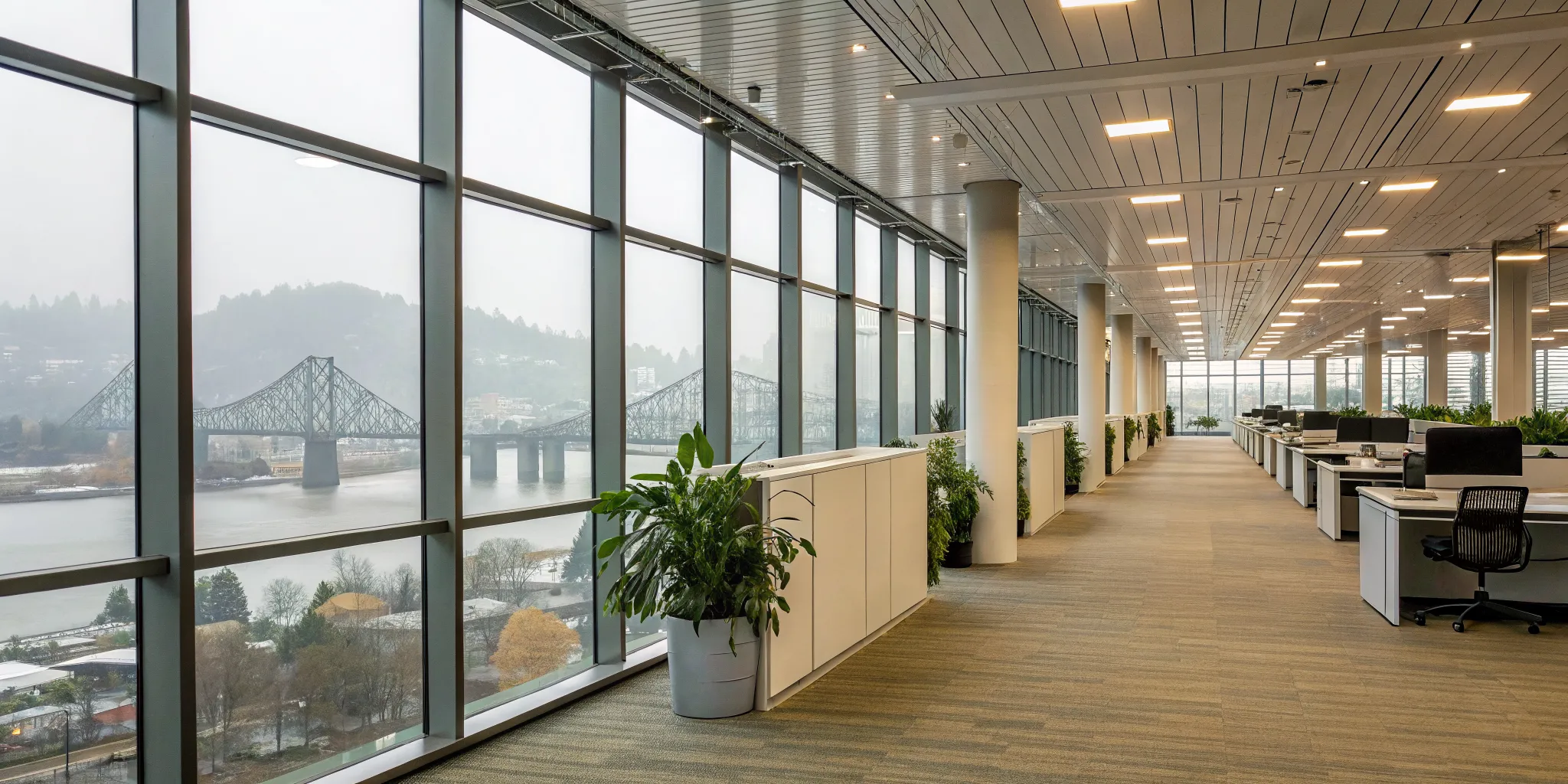
Natural light has a profound effect on our mood and energy levels. So why should that feeling disappear the moment we step into the office? Modern lighting design is increasingly focused on employee well-being, using smart technology to mimic the natural patterns of daylight. This human-centric approach helps regulate our internal clocks, leading to better focus, improved comfort, and a more balanced workday. It’s a thoughtful way to create a healthier and more productive environment for your team. Here, we’ll cover the key principles behind a successful office lighting design Portland companies can implement to put their team’s well-being first.
Key Takeaways
- Effective lighting is about balance, not just brightness: A great design layers ambient, task, and accent lighting and uses the right color temperature to create a comfortable environment that supports focus and reduces eye strain.
- A professional lighting plan is a smart investment: Beyond aesthetics, a thoughtful design improves team productivity and well-being while lowering long-term energy costs with efficient fixtures and smart controls.
- Modern trends require professional expertise: Implementing smart, human-centric systems correctly requires a knowledgeable partner who can ensure your project is compliant with local codes and flexible enough for future needs.
What Goes Into a Great Office Lighting Design?
Creating a productive and inviting office space starts with the right lighting. It’s not just about making sure people can see their keyboards; it’s about crafting an environment that supports focus, comfort, and well-being. A thoughtful lighting plan considers several key factors that work together to build the perfect atmosphere. Let’s look at what goes into a truly great office lighting design.
Getting the Brightness and Illumination Right
This is about finding that “just right” level of light. Too dim, and you’ll have a team squinting at their screens. Too bright, and you’re dealing with headaches and distracting glare. The goal is to achieve consistent, even illumination that reduces eye strain and creates a comfortable working atmosphere. This foundational light, often called ambient lighting, should fill the entire space without creating harsh shadows. We measure brightness in lumens, and a professional can help determine the right lumen output for your specific office size and layout. Getting this right is the first step to a well-lit workspace that feels both functional and welcoming for everyone on your team.
How Color Temperature Impacts Well-being
Have you ever noticed how some light feels warm and cozy, while other light feels crisp and energizing? That’s color temperature at work. Measured in Kelvins (K), it describes the appearance of light, from warm (yellowish) to cool (bluish). Choosing the right color temperature is crucial because it can significantly affect your team’s mood and focus. Cooler, daylight-like temperatures (around 4000K to 5000K) are great for main work areas because they promote alertness and concentration. Warmer tones (around 2700K to 3000K) create a more relaxed vibe, making them perfect for break rooms or lounge areas. Using the wrong temperature can make a space feel sterile or sleepy, so it’s a detail you don’t want to overlook.
Blending Natural and Artificial Light
Nothing beats natural light. Letting sunlight into your office can increase your team’s energy levels, improve their mood, and even stir creativity. The first step in any lighting plan should be to maximize the daylight you already have. This could mean arranging desks closer to windows or using glass partitions instead of solid walls. From there, your artificial lighting should be designed to complement the natural light, not overpower it. Smart systems with dimmers and sensors can automatically adjust the indoor lights as the sun shifts throughout the day, ensuring a consistent level of brightness. This seamless blend of natural and artificial light creates a more pleasant environment and can also help reduce energy consumption.
Using Layered Lighting for Style and Function
A common mistake in office lighting is relying on a single source, like rows of overhead panels. A much better approach is to use layered lighting. This strategy involves combining three different types of light to create a space that is both functional and visually appealing.
- Ambient lighting provides overall illumination.
- Task lighting focuses on specific workstations, like desk lamps or under-cabinet lights in a kitchen area.
- Accent lighting draws attention to architectural details, artwork, or company branding.
By using a layered lighting approach, you create depth and flexibility, allowing you to tailor the light for different activities and zones within the office. It moves your design beyond basic utility into something truly thoughtful.
Why Invest in Professional Lighting Design in Portland?
Great office lighting is much more than a utility; it’s a strategic asset that can transform your workspace. When you move beyond simply choosing fixtures and invest in a professional lighting plan, you’re investing in your team’s well-being, your company’s financial health, and the overall functionality of your space. A thoughtful design creates an environment where people can do their best work, all while reflecting your commitment to quality and sustainability here in Portland. A professional partner helps you see the bigger picture, ensuring every choice contributes to a cohesive, effective, and beautiful result that you couldn’t achieve with an off-the-shelf approach.
Improve Team Productivity and Comfort
We’ve all felt that afternoon slump, where focus wanes and headaches creep in. Poor lighting is often a major culprit. A professional lighting design eliminates harsh glare and inconsistent shadows, which are known to cause eye strain and fatigue. By creating a comfortable, well-lit atmosphere, you can directly contribute to your team’s well-being and performance. A well-designed system provides the right amount of light for specific tasks, from focused work at a desk to collaborative sessions in a meeting room. This attention to detail fosters a more productive environment where your employees feel energized and supported throughout the day.
Increase Energy Efficiency and Sustainability
A professional lighting plan is one of the smartest ways to reduce your building’s operating costs and environmental footprint. Modern commercial lighting solutions, like LED fixtures paired with smart controls, use significantly less energy than outdated systems. Professionals can integrate features like occupancy sensors that turn lights off in empty rooms and daylight harvesting systems that dim artificial lights when natural sunlight is available. For a business in Portland, where sustainability is a core value, an energy-efficient lighting upgrade is a clear win. It lowers your monthly utility bills and demonstrates a genuine commitment to responsible business practices that your clients and community will notice.
Address Local Design and Material Hurdles
Portland has specific building codes and a strong emphasis on sustainable construction, which can add layers of complexity to any commercial project. Sourcing materials that meet local standards, like avoiding certain chemicals on a “Red List,” requires specialized knowledge. A professional lighting designer understands these local requirements and can guide you through the selection of compliant, high-quality fixtures. They also excel at solving practical challenges, like creating distinct lighting zones for different departments or designing a system that can adapt to future changes in your office layout. This expertise ensures your project runs smoothly and meets all local regulations.
What Are the Latest Trends in Portland Office Lighting?
Office lighting has moved far beyond simple overhead fluorescent tubes. Today, the focus is on creating environments that are not only well-lit but also efficient, comfortable, and adaptable to the people who work in them. The latest trends are all about using technology to create smarter, healthier, and more productive workspaces. For any Portland business looking to build or remodel, understanding these shifts is key to designing an office that attracts and retains top talent. These forward-thinking approaches prioritize both employee well-being and operational efficiency, proving that great lighting is a smart investment.
Smart Lighting and Automated Controls
One of the biggest shifts in office lighting is the move toward smart, connected systems. Think of it as lighting that works for you, not the other way around. Smart lighting integrates features like remote control, scheduling, and sensors that automatically adjust brightness based on how much natural light is in the room or whether someone is present. This level of control makes it simple to reduce energy consumption without a second thought. These modern workspaces are not just more sustainable; they’re also more functional, allowing you to create the perfect lighting scene for any task with just a few taps on a screen.
Human-Centric and Circadian Rhythm Lighting
Have you ever noticed how you feel more energized on a bright, sunny day? Human-centric lighting aims to bring that feeling indoors. This approach uses lighting to support the well-being and productivity of your team by aligning with their natural body clocks. The color and intensity of the lights can change throughout the day to mimic the sun’s natural progression, from cool, energizing light in the morning to warmer, calmer light in the afternoon. This focus on natural circadian rhythms can help improve focus, reduce eye strain, and even contribute to better sleep patterns for your employees.
Flexible and Adaptive Lighting Systems
The modern office is rarely a one-size-fits-all space. A room might serve as a collaborative brainstorming area in the morning and a quiet zone for focused work in the afternoon. Your lighting should be able to adapt just as quickly. Flexible lighting systems use smart controls to let you easily customize illumination for different zones or activities. You can brighten the lights over a conference table for a big meeting or dim them in a lounge area for a more relaxed atmosphere. This flexibility helps create more functional workspaces where your team has the right light for whatever they need to accomplish.
How Do You Choose a Portland Lighting Design Professional?
Finding the right lighting design professional in Portland means looking for a partner who understands your vision, your commercial space, and local building codes. A great designer works with you to create a space that is both beautiful and functional. Vetting your options ensures your project runs smoothly and the final result meets your expectations.
Why Choose Pro-Tech-Power as Your Lighting Partner
At Pro-Tech-Power, we are your partners in creating the perfect atmosphere for your business. We handle every aspect of your lighting project, from design to installation. Our goal is to deliver consistent, glare-free lighting that reduces eye strain and fosters a productive environment. We believe a well-designed lighting plan is a critical investment in your business, and our team is dedicated to bringing your vision to life with excellence.
Review Their Portfolio and Commercial Experience
Before committing to a designer, review their past work. A portfolio shows their style and capabilities. Look for experience in commercial spaces similar to yours, like retail stores or corporate offices. Websites like Houzz are a great resource for browsing local professionals and reading client reviews. You can also explore our past projects to see the quality of commercial lighting designs we’ve completed in the Portland area.
Verify Their Licenses and Credentials
Working with a fully licensed and insured professional is non-negotiable. It protects you and your property and ensures all work is performed safely and up to code. A reputable company will be transparent about its credentials. At Pro-Tech-Power, we are a fully licensed contractor and are happy to provide our credentials upon request. Verifying this information gives you peace of mind and confirms you’re working with a team that adheres to the highest professional standards. Learn more about our commitment on our about page.
Ask About Their Design and Installation Process
A clear, collaborative process is the hallmark of a great lighting design professional. The right partner has a structured approach that aligns with your project’s architecture and goals. When you first meet, ask them to walk you through their process and how they collaborate with architects and other stakeholders. This conversation helps you understand what to expect and ensures everyone is on the same page. Ready to discuss your project? Contact us to get started.
Common Lighting Design Myths to Ignore
When it comes to office lighting, a few common misconceptions can lead you down the wrong path. Believing these myths can result in a workspace that’s uncomfortable, inefficient, and uninspiring for your team. Let’s clear up some of the biggest myths so you can make informed decisions for your Portland office project and create a lighting system that truly works.
Myth: Professional Design Is Just an Extra Cost
Many business owners think hiring a professional for lighting design is an expense they can skip. In reality, a well-thought-out lighting plan is an investment that pays off. An expert approach enhances the look and feel of your space, improves functionality, and can significantly lower your energy bills over time. Treating professional lighting design as just another line item can lead to poor results that you might have to fix later. A skilled team ensures your lighting is not only beautiful but also compliant with local codes and perfectly suited to your business needs.
Myth: Brighter Is Always Better
The idea that more light automatically equals better light is a persistent myth. While you certainly need enough light to work safely and effectively, over-illumination is a real problem. Too much brightness can cause uncomfortable glare, eye strain, and headaches, which can actually hurt productivity. A great lighting design focuses on balance, providing the right amount of light exactly where it’s needed. According to lighting experts, this approach avoids the common mistake of energy waste and creates a more comfortable environment for everyone on your team.
Myth: Any Fixture Will Do the Job
It’s easy to assume that one light fixture is as good as the next, but that’s far from the truth. The fixtures you choose play a huge role in the performance and efficiency of your entire lighting system. Each one is designed for a specific purpose, from providing focused task lighting over a workstation to creating soft ambient light in a reception area. Simply picking a fixture based on looks without considering its specifications can harm the functionality of your setup. Choosing the right commercial lighting fixtures is essential for achieving your design goals and ensuring your system works correctly for years to come.
What to Expect From Your Office Lighting Project
Starting a new lighting project can feel like a big undertaking, but with the right partner, it’s a straightforward process. From the first conversation to the final installation, our goal is to make your vision a reality with minimal disruption to your business. Understanding the steps involved helps you know what to expect and ensures your project runs smoothly, on time, and on budget. Here’s a look at how we approach every commercial lighting project.
The First Step: Consultation and Assessment
This initial meeting is all about understanding your goals. We’ll walk through your space with you to discuss what you need, from general illumination to specific task lighting for different departments. Do you want automated controls based on occupancy or time of day? Are there specific zones that need their own lighting schemes? We listen to your ideas and assess your current electrical infrastructure to create a solid foundation for the project. This collaborative first step ensures the final design aligns perfectly with how your team actually works in the space.
Creating the Design and Selecting Fixtures
After the consultation, our team gets to work on a custom lighting plan. We focus on creating a flexible lighting design that can adapt as your business grows or your office layout changes. This is also where we integrate modern solutions like smart lighting, which can improve energy efficiency and give you more control over your environment. We’ll present you with a detailed plan that includes fixture recommendations, placement, and control systems. You’ll have a clear picture of the project, allowing you to approve every detail before any work begins.
Managing the Installation from Start to Finish
Once you approve the design, we handle the rest. Our licensed electricians manage the entire installation with a focus on quality and safety. We work efficiently to minimize any interruption to your daily operations, coordinating with other contractors if needed. Beyond just installing fixtures, we consider the ergonomics of your lighting to help reduce eye strain and improve overall employee comfort. You can see examples of our completed commercial projects to get a feel for our craftsmanship. We finish with a final walkthrough to ensure you’re completely satisfied with your new office lighting.
Frequently Asked Questions
Can you upgrade the lighting in my existing office, or is this only for new construction? Absolutely. We handle lighting projects for both brand-new builds and existing office remodels. Upgrading the lighting in an established workspace is a fantastic way to improve the environment for your team and increase energy efficiency without needing a full renovation. We can assess your current electrical system and design a plan that works perfectly within your existing space.
How much control will I have over the final lighting design? You have a central role in the process. Our first step is always a detailed consultation where we listen to your goals, your brand’s aesthetic, and how your team uses the space. We see ourselves as your partners, bringing technical expertise to your vision. We’ll present a complete design for your approval, ensuring the final plan is something you’re excited about before any installation begins.
What does the timeline for a typical office lighting project look like? The timeline can vary depending on the size and complexity of your office. A project generally moves through three phases: initial consultation and assessment, design and fixture selection, and finally, installation. Once we understand the scope of your project during our first meeting, we can provide a much more specific and realistic timeline for completion.
How does smart lighting actually save my business money? Smart lighting saves money primarily by reducing wasted energy. Features like occupancy sensors automatically turn off lights in empty rooms, and daylight harvesting systems dim your artificial lights when there’s enough sunlight. This means you only use (and pay for) the electricity you actually need. Over time, these automated adjustments lead to significant savings on your utility bills.
Besides better light, what are the biggest benefits of a professional lighting plan? While great light is the main goal, a professional plan offers much more. It creates a more comfortable and productive atmosphere for your team by reducing eye strain and fatigue. It also ensures your building is more energy-efficient, which lowers operating costs and supports sustainability goals. Finally, it gives you peace of mind knowing all the work is up to code and installed correctly by licensed professionals.