Portland’s Best Electrical Contractors for Custom Homes
Your custom home is a blank canvas, offering a rare chance to design a space that works exactly how you live. This is especially true for your electrical system. You can plan for layered lighting that creates the perfect mood, integrate smart technology for effortless control, and even prepare for future needs like an EV charger or a backup generator. But turning these exciting ideas into a safe and reliable reality requires deep expertise. A skilled electrical contractor for custom homes Portland does more than just run wires; they partner with you and your builder to design a system that brings your unique vision to life, ensuring every switch and outlet enhances your daily routine.
Key Takeaways
- Collaborate with your electrician from day one: Bring your electrical contractor into the planning process alongside your architect. This early collaboration ensures your home’s wiring plan supports everything you want, from smart home tech to an EV charger, helping you avoid costly rework and delays later on.
- Vet your contractor thoroughly: Look beyond the initial price quote. A qualified contractor for a custom home will have verifiable licenses, strong references from similar projects, and will provide a detailed written contract that protects both you and your investment.
- Build for today and tomorrow: A truly custom electrical plan goes beyond basic code requirements. Discuss modern safety features like AFCI/GFCI protection and plan for future upgrades, such as a backup generator, to ensure your home is safe, functional, and ready for anything.
What Electrical Services Do You Need for a Custom Home?
Building a custom home is an incredible opportunity to create a space that’s perfectly tailored to you, and that includes the electrical system. This is your chance to think beyond just where the outlets go. A well-planned electrical system is the invisible framework that powers your daily life, from your morning coffee routine to your family movie nights. Getting it right from the start means your home will not only meet your needs today but will also be ready for whatever the future holds.
When you work with an electrical contractor on a new build, you’re designing this system from the ground up. This involves mapping out everything from the basic wiring and panel installation to sophisticated lighting designs and smart home features. Let’s walk through the key electrical services you’ll want to consider for your custom home.
Custom Wiring and Electrical Panel Installation
Think of your home’s wiring as its central nervous system. During a custom build, you have complete control over where every switch, outlet, and fixture goes. Want an outlet in the pantry for your coffee maker or a dedicated circuit in the garage for your power tools? Now is the time to plan for it. A professional electrician will help you design a custom wiring layout that makes sense for how you live.
Equally important is the electrical panel, or breaker box. This is the heart of your system, distributing power throughout the house. Your contractor will install a panel that can safely handle your current electrical load and has room to grow. Proper residential electrical services ensure your home is both functional and safe for years to come.
Thoughtful Lighting Design and Installation
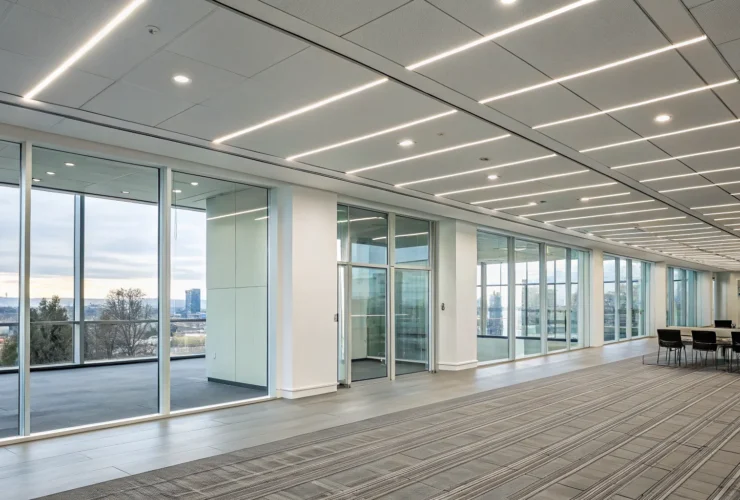
Great lighting can completely transform a room, affecting everything from its mood to its usability. A custom home build allows you to go beyond a single overhead light in each room and create a layered lighting plan. This approach combines ambient lighting for overall illumination, task lighting for specific activities like cooking or reading, and accent lighting to highlight architectural features or artwork.
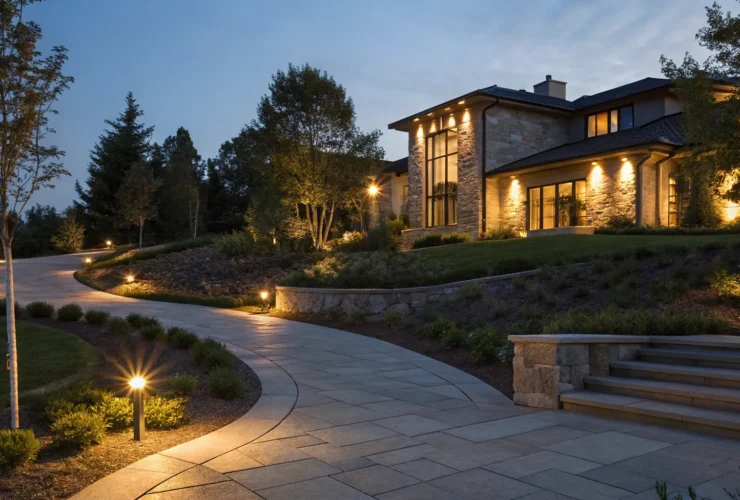
Work with your contractor to choose and place fixtures like recessed cans, pendant lights, and chandeliers. You can also plan for outdoor and landscape lighting to enhance your home’s curb appeal and security. A well-executed lighting design makes your home feel more inviting, functional, and beautiful.
Smart Home and Automation Setup
Integrating smart technology into your home is easier than ever, especially when you plan for it during construction. Smart home automation can connect your lighting, thermostats, security cameras, speakers, and even your window shades into one seamless system you can control from your phone or with your voice. This isn’t just about convenience; it can also help you manage your home’s energy use more effectively.
An experienced electrician can run the necessary wiring to support these systems, ensuring a reliable and clean installation without visible cords. Planning for a smart home setup from the beginning ensures all the components work together perfectly, giving you effortless control over your environment.
EV Charger and Backup Generator Installation
As you plan your dream home, it’s wise to prepare for future needs. The popularity of electric vehicles is on the rise, and installing a dedicated EV charging station in your garage is a smart move. It provides faster, more convenient charging than a standard wall outlet. An electrician can install the correct 240-volt circuit and charger to get you ready for the road.
In the Pacific Northwest, a backup generator offers invaluable peace of mind. When a storm knocks out the power, a generator can automatically kick in, keeping your lights, refrigerator, and essential systems running. Pro-Tech-Power offers expert generator installation to ensure your family stays safe and comfortable, no matter the weather.
How to Choose the Right Electrical Contractor for Your Custom Home
Building a custom home is a huge undertaking, and the electrical system is its central nervous system. It’s not the place to cut corners. Finding the right electrical contractor is one of the most important decisions you’ll make in the entire process. You need a partner who understands the unique demands of a custom build, from intricate lighting plans to the integration of smart home technology. A great contractor does more than just run wires; they collaborate with you and your builder to bring your vision to life safely and efficiently. Taking the time to properly vet your options will save you from headaches, unexpected costs, and potential safety issues down the road.
Verify Their Licenses and Insurance
Before you even start talking about your project, your first step should be to confirm that any potential contractor is properly licensed and insured. In Oregon, you can easily verify a contractor’s license through the Construction Contractors Board (CCB). This isn’t just red tape; a valid license means they’ve met the state’s requirements for knowledge and experience. Just as important is their insurance. Ask for proof of both liability insurance and workers’ compensation. This protects you and your property from any accidents or damages that might happen on-site. A professional contractor will have this information ready and will be happy to provide it.
Look for Specific Custom Home Experience
Not all residential electricians are equipped for the complexities of a custom home. These projects often involve sophisticated lighting designs, extensive low-voltage wiring for smart home systems, and unique power requirements for high-end appliances or backup generators. You want a team that has been there before. Ask to see a portfolio of their previous custom home projects. A contractor with a strong gallery of their work will be proud to show you what they’re capable of. This experience ensures they can anticipate challenges, offer valuable suggestions, and work seamlessly with your architect and general contractor.
Check Customer Reviews and Ask for References
Online reviews are a great starting point for gauging a contractor’s reputation. Look at what past clients are saying on Google, Yelp, and other third-party sites. Pay attention to comments about communication, professionalism, and whether they finished the project on time and on budget. But don’t stop there. Ask the contractor for a list of recent references, preferably from clients with projects similar to yours. A quick phone call to a past client can give you invaluable insight into what it’s really like to work with that company and whether they delivered on their promises.
Request and Compare Detailed Quotes
When you’ve narrowed down your list to a few top contenders, it’s time to request detailed quotes. A legitimate quote should be much more than a single number scribbled on a piece of paper. It should be a comprehensive, itemized document that breaks down the costs of materials, labor, and any other fees. This level of detail allows you to accurately compare offers and understand exactly what you’re paying for. Be wary of any quote that seems unusually low, as it could signal subpar materials or inexperienced labor. Getting everything in writing protects you and ensures everyone is on the same page before work begins.
What to Expect for Custom Home Electrical Costs in Portland
Budgeting for a custom home can feel like hitting a moving target, especially when it comes to specialized work like the electrical system. While a final quote will always depend on your specific plans, understanding the typical costs in Portland can help you create a realistic budget from the start. Let’s break down what you can expect.
Understanding Hourly Rates and Labor Costs
When you’re planning your budget, a great place to start is with the labor costs. In the Portland area, the average cost to hire an electrician is typically between $65 and $130 per hour. It’s also common for contractors to charge a slightly higher rate for the first hour of a service call to cover dispatch and travel time. For a full custom home build, this hourly rate is usually part of a larger project bid, but knowing the baseline helps you appreciate the cost of hiring a skilled, licensed professional for the job.
Estimating Common Project Prices
Looking at individual project prices can also help you build a clearer financial picture. For example, if you were adding an addition, the electrical work might average around $87 per hour for labor. A common and essential upgrade for modern custom homes is a 200-amp electrical panel, and the cost for this service in Portland is usually about $2,200. While your project will be much larger, these numbers provide a helpful reference as you map out the electrical scope for your new home.
Factors That Influence Your Final Cost
Several key factors will shape the final price tag for your home’s electrical work. The overall square footage and complexity of your home’s design are the biggest drivers. The quality of materials, from designer light fixtures to specialized outlets, also plays a significant role. Custom features like a full smart home automation system, an EV charging station, or a backup generator installation require specific expertise and will influence the quote. The only way to get a truly accurate number is to walk through your plans with a contractor and get a detailed, itemized bid.
Portland’s Top Electrical Contractors for Custom Homes
Finding the right team to wire your dream home is a big decision. You need a contractor who understands the unique demands of custom builds, from intricate lighting plans to smart home integration. To help you get started, here are some of the top electrical contractors in the Portland area known for their quality work on custom residential projects.
Pro-Tech-Power
As a trusted full-service electrical contractor, Pro-Tech-Power is a fantastic choice for custom homes. They bring a team of licensed and reliable professionals to every job, ensuring your project is in good hands from start to finish. Their expertise covers everything from initial wiring and panel installation to setting up backup generators, making them a versatile partner for any custom build. They have a strong reputation for handling complex residential projects with excellence and a client-first approach.
Key Electrical Construction
Key Electrical Construction specializes in the electrical work for new homes, which makes them a natural fit for custom builds. Their team focuses on designing and installing complete electrical systems tailored to your specific needs. This includes all the essential wiring, breaker panels, and a wide variety of lighting solutions. If you’re looking for a contractor with deep experience in bringing a new home’s electrical plan to life, they are a solid contender in the Portland area.
Orient Electric
Orient Electric is known for providing comprehensive electrical services for new construction and remodels throughout Portland. They operate with a strong commitment to high-quality, honest service, which is exactly what you want when building a home. Their goal is to get the job done right the first time, saving you potential headaches down the road. For homeowners who value integrity and meticulous attention to detail, Orient Electric is a name to remember.
Garner Electric
With a large presence in the Pacific Northwest, Garner Electric has the capacity to handle significant new construction projects. They offer a wide range of electrical services for both residential and commercial clients, and their size often means they have extensive resources and experience. If your custom home is a large or particularly complex project, Garner Electric has the background and team to manage the job effectively and professionally.
When to Bring an Electrical Contractor Into Your Building Process
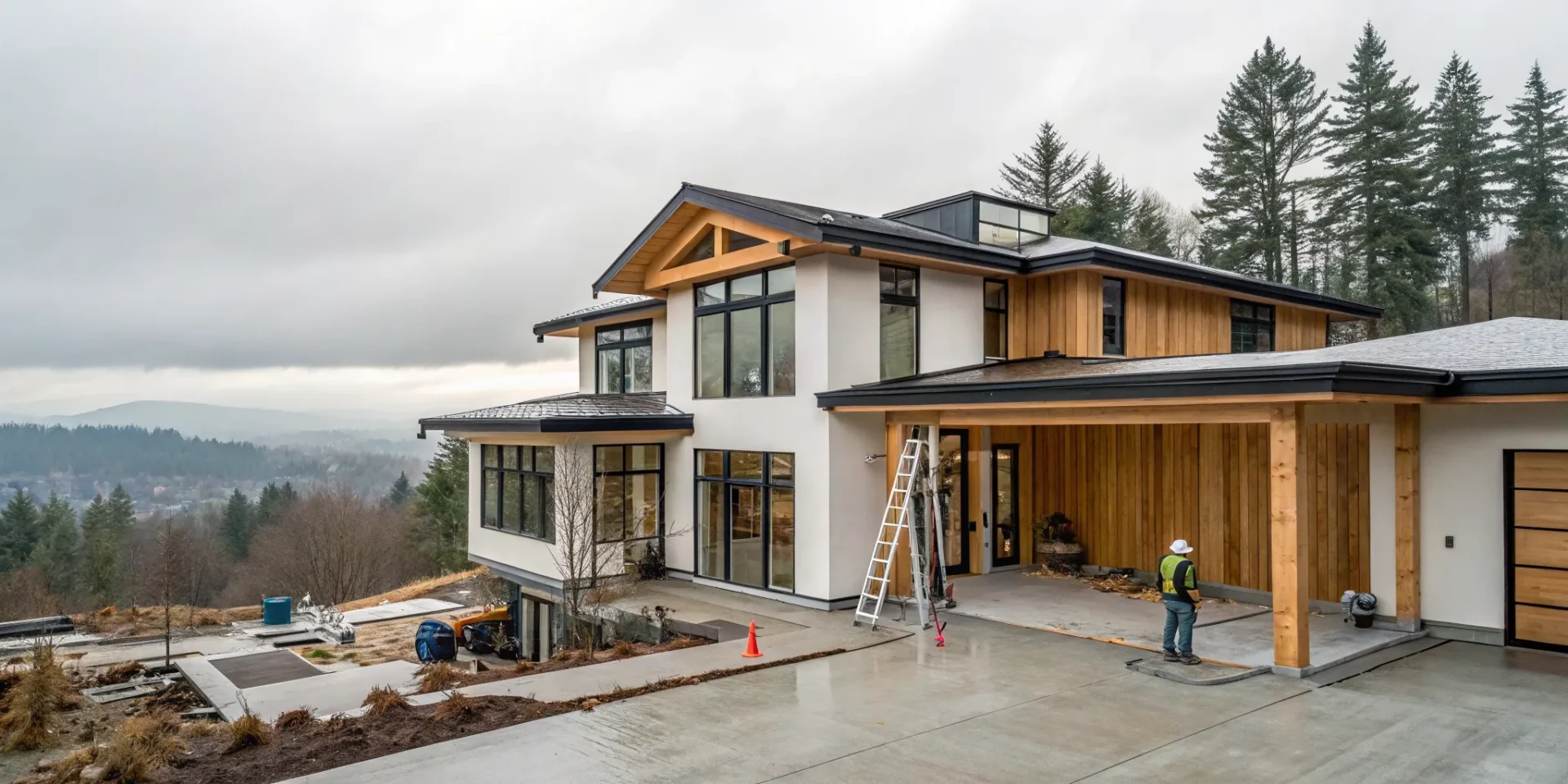
When you’re building a custom home, timing is everything. You might think the electrician is one of the last people to call, but the best time to bring in an electrical contractor is right at the beginning, during the architectural design phase. Think of your home’s electrical system as its central nervous system; it needs to be planned from the ground up, not squeezed in as an afterthought. Waiting until the walls are framed can lead to expensive and frustrating setbacks, like cutting into new drywall to move an outlet or realizing your kitchen layout doesn’t support the high-end appliances you’ve picked out.
Early planning goes far beyond just deciding where to put light switches and power outlets. It’s about designing a system that supports how you live today and how you’ll live in the future. Do you plan on adding an EV charger? Do you want a dedicated circuit for a workshop in the garage? Are you dreaming of a fully integrated smart home system? An experienced electrical contractor can review your blueprints and help you map out a comprehensive plan that integrates seamlessly with your home’s design, ensuring your new space is safe, functional, and ready for whatever comes next. This proactive approach is key to keeping your project on schedule and within budget.
The Benefits of Early Collaboration
Bringing an electrician into the building process early is one of the smartest moves you can make for your budget and your peace of mind. When your electrical contractor collaborates with your architect and builder from the start, they can map out all your electrical needs and integrate them directly into the home’s design. This foresight helps you avoid expensive changes and rework later on. It ensures that your electrical plan is efficient and practical, preventing issues like a poorly placed outlet or a circuit that can’t handle your home theater system. Early collaboration also allows for a much more personalized and thoughtful electrical layout, tailored perfectly to your family’s lifestyle.
Coordinating with Your General Contractor
Your general contractor is the captain of the ship, and your electrical contractor is a key member of their crew. A seamless project depends on clear communication between you, your builder, and your electrician. A professional electrical contractor will meet with you and your general contractor to get a clear picture of your vision and power requirements. They will then provide a detailed quote and work in tandem with the other tradespeople on site. This coordination ensures that the wiring, panel installation, and fixture placements happen at the right time, preventing delays and ensuring all residential services are installed to code.
What Energy-Efficient Options Should You Consider?
Building a custom home gives you the perfect opportunity to incorporate energy-saving features from the ground up. Thinking about efficiency isn’t just about being green or lowering your monthly bills; it’s about creating a smarter, more comfortable, and more valuable home for the long haul. With the right electrical plan, you can integrate systems that work together to reduce waste and improve your daily life. Here are a few key areas to focus on with your electrical contractor.
Smart Home Systems for Efficiency
Imagine your home adjusting its own temperature and lighting based on your schedule. That’s the power of a smart home system. These setups allow you to control everything from lights and thermostats to appliances right from your phone, whether you’re on the couch or on vacation. By automating these daily functions, you can optimize your energy use without a second thought. For example, a smart thermostat learns your habits and adjusts the heat or AC accordingly, while automated lighting ensures you’re never illuminating an empty room. It’s a seamless way to make your home more efficient and your life a little easier. Discussing your smart home options early in the planning process is key.
LED Lighting and Solar Integration
Lighting has a huge impact on your home’s ambiance and energy consumption. Swapping traditional bulbs for LED lighting is one of the simplest and most effective upgrades you can make. LEDs use a fraction of the power, last significantly longer, and produce less heat. When you pair an all-LED lighting plan with a solar energy system, you create a powerful combination for sustainability. Your home can generate its own clean power during the day to run your highly efficient lights and appliances. This approach not only slashes your electricity costs but also adds incredible value and modern appeal to your custom home. You can see examples of thoughtful lighting in high-end residential projects.
High-Efficiency Electrical Panel Upgrades
Think of your electrical panel as the heart of your home’s electrical system, distributing power wherever it’s needed. In a modern custom home filled with smart technology, an EV charger, and high-end appliances, a standard panel might not be enough. Upgrading to a high-efficiency electrical panel is crucial for both safety and performance. These modern panels are designed to handle higher electrical loads and distribute energy more effectively, preventing overloads and reducing waste. Investing in a robust panel from the start ensures your home is prepared for any future technological additions. It’s a foundational piece of your home’s infrastructure, and working with an experienced team guarantees it’s done right.
Understanding Safety Standards and Code Requirements
When you’re building a custom home, the electrical system is the central nervous system that powers your life. Getting it right isn’t just about convenience; it’s about safety. Electrical codes and standards can seem complex, but they exist for one simple reason: to protect your home and your family. A professional electrical contractor will treat these requirements as the absolute minimum, ensuring every wire and connection is secure, reliable, and built to last. This commitment to safety is the foundation of any quality electrical installation, giving you peace of mind from the moment you move in.
Meeting Portland’s Electrical Codes
In Oregon, all electrical work must comply with specific safety rules and building codes. These aren’t just suggestions; they are legal requirements that dictate everything from the type of wiring used to the placement of outlets. You don’t need to become an expert on these regulations, but your contractor absolutely must be. A reputable electrician stays current on Oregon’s specific electrical safety laws and local Portland amendments. This ensures your home will pass inspection without issue and, more importantly, that your system is safe from fire hazards and other risks for years to come.
Handling Permits and Inspections
Any major electrical work, especially in a new custom home, requires official approval. This is where permits and inspections come in. Your electrical contractor should manage this entire process for you, from submitting plans and pulling the correct permits to coordinating with city inspectors at key stages of the project. This documentation is crucial. It provides a formal record that your home’s electrical system was installed correctly and is up to code. Think of it as an essential step for securing homeowners insurance and protecting your property’s resale value down the line.
Essential Safety Features for Modern Homes
Meeting code is the baseline, but a truly custom home deserves modern safety features that go a step further. Talk to your contractor about installing Arc-Fault Circuit Interrupters (AFCIs), which help prevent fires by detecting dangerous electrical arcs in wiring. You’ll also want Ground-Fault Circuit Interrupters (GFCIs) in kitchens, bathrooms, and outdoor areas to protect against electric shock. Many modern homes rely on these advanced safety devices for peace of mind. A whole-home surge protector is another smart addition, safeguarding your expensive electronics and appliances from power spikes. A contractor committed to excellent workmanship will recommend these features to give you the safest home possible.
What Key Questions Should You Ask a Potential Electrical Contractor?
Choosing an electrical contractor is one of the most important decisions you’ll make for your custom home build. This isn’t just about connecting wires; it’s about finding a partner who understands your vision, communicates clearly, and has the expertise to bring complex plans to life safely and efficiently. To find the right fit, you need to go into your initial conversations prepared. Having a list of thoughtful questions will help you compare potential contractors and feel confident in your final choice.
Think of this as an interview. You’re hiring a critical member of your build team, and a little preparation goes a long way. By asking targeted questions about their experience, scheduling, and post-project support, you can get a clear picture of what it will be like to work with them. This process helps you find a professional who not only has the technical skills but also aligns with your project’s goals and your communication style. A good contractor will welcome your questions and provide clear, honest answers. If a potential contractor seems evasive or dismissive, that’s a major red flag. The right partner will be transparent and collaborative from the very first conversation.
Ask About Their Experience and Process
When you’re building a custom home, you need an electrician who has been down this road before. General electrical work is one thing, but custom projects come with unique challenges and require a higher level of detail and collaboration. Start by asking about their specific experience with homes like yours. You can also ask them to describe their typical process, from the initial bid to the final walkthrough. Doing your homework helps you avoid common mistakes homeowners often make when hiring for a big project. A clear, well-defined process is a great sign that a contractor is organized, professional, and knows how to handle the complexities of a custom build.
Confirm Their Timeline and Availability
Your custom home build is a carefully orchestrated project with many moving parts. The last thing you want is for your entire project to be held up because your electrical contractor is overbooked. Be direct and ask about their current workload and when they could realistically start your project. It’s also wise to discuss how they handle scheduling and coordinate with the general contractor and other trades. Getting your electrician involved early is key, as it can prevent expensive changes down the line. A good contractor will be transparent about their schedule and proactive in their communication, ensuring their work fits seamlessly into the larger project timeline.
Inquire About Warranties and Follow-Up Support
A great electrical contractor stands behind their work long after the project is finished. Before signing a contract, make sure you understand what kind of warranties they offer on both their labor and the materials they install. Ask what the process looks like if an issue arises a few months or even a year later. You want to work with a company that is committed to quality and customer satisfaction. Look for a contractor who is devoted to excellence and provides outstanding workmanship. This commitment gives you peace of mind knowing that you’re covered if anything unexpected happens after you’ve moved in.
Common Mistakes to Avoid When Hiring an Electrical Contractor
Building your dream home is an exciting process, but it also comes with a long list of important decisions. Choosing the right electrical contractor is one of the most critical, as it directly impacts the safety, functionality, and future-readiness of your home. A great partnership ensures your project runs smoothly, while a poor choice can lead to delays, budget overruns, and serious safety concerns. To help you find the perfect fit for your custom home build, let’s walk through a few common missteps you’ll want to avoid. Making an informed choice from the start will save you time, money, and a lot of potential stress.
Choosing a Contractor Based on Price Alone
We all have a budget to stick to, and it’s tempting to go with the lowest quote you receive. However, when it comes to complex electrical contractor services, making a decision based only on price can be a major mistake. The lowest bid doesn’t always reflect the best value. It could signal an inexperienced team, lower-quality materials, or a contractor who cuts corners on crucial safety protocols. These shortcuts can lead to failed inspections, expensive rework, and even dangerous electrical hazards down the road. Think of it as an investment in your home’s safety and your own peace of mind. A slightly higher upfront cost for a reputable, experienced contractor often means a higher quality result that lasts.
Forgetting to Check Their References
Before you hire someone to handle the complex electrical system of your custom home, you need to do your homework. Skipping the step of checking references and online reviews is a risk you don’t want to take. A contractor’s reputation is built on their previous work. Checking references gives you a clear look into their past performance and reliability, helping you make a much more informed decision. Ask potential contractors for a list of recent custom home clients you can speak with. When you call, ask about their experience with communication, timeliness, and the overall quality of the work. A trustworthy contractor will be proud to share their references with you.
Not Getting a Detailed, Written Contract
A handshake and a verbal agreement might feel friendly, but they won’t protect you if things go wrong. Failing to get a detailed written contract is a significant oversight that can have serious repercussions. This document is your roadmap for the project, and it protects both you and your contractor by setting clear expectations from day one. A thorough contract should outline the complete scope of work, specific materials to be used, a project timeline with key milestones, a clear payment schedule, and details about warranties on labor and parts. It ensures everyone is on the same page and provides a clear path forward if any questions or disagreements arise during the build.
Related Articles
- Top-Rated Electrician Portland Oregon | Pro Tech Power Corp
- Expert Electrical Contractor Salem OR | Pro Tech Power Corp
- Trusted Beaverton Oregon Electricians | Pro Tech Power Corp
- Community Vision Inc – Pro-Tech-Power
Frequently Asked Questions
When should I actually bring an electrician into my custom home project? You should bring an electrical contractor into the conversation as early as possible, ideally while you are still working on the architectural plans. When your electrician can collaborate with your architect and builder from the start, they can design a system that fits your home’s structure and your lifestyle perfectly. This early planning helps you avoid costly changes later, like having to cut into newly finished walls to move an outlet or add a switch.
How can I make sure my new home’s electrical system won’t be outdated in a few years? Thinking ahead is key. The best way to prepare your home for the future is to install an electrical panel with more capacity than you currently need. This gives you the flexibility to add things like an electric vehicle charger or other high-powered appliances later. You can also ask your contractor to run empty conduit to key areas, making it much easier to add wiring for new technology down the road without tearing up your walls.
Besides the final price, what should I look for when comparing quotes from different electricians? A quality quote is about more than just the bottom line. Look for a detailed, itemized breakdown that clearly lists the costs for materials and labor. A professional contractor will provide a transparent document that outlines the full scope of the project, so you know exactly what you are paying for. Also, check to see if the quote includes information about their warranties on parts and workmanship, as this shows they stand behind their work.
What are the most important safety features I should discuss with my electrician? While your contractor will ensure everything is up to code, you can ask about adding extra layers of protection. Arc-fault circuit interrupters (AFCIs) are a great feature, as they help prevent fires by stopping dangerous electrical arcs. You should also ensure ground-fault circuit interrupters (GFCIs) are installed in all required areas like kitchens and bathrooms to prevent shock. A whole-home surge protector is another smart investment to safeguard all of your valuable electronics and appliances.
I want to install a backup generator. Does this need to be planned from the very beginning? Yes, absolutely. Integrating a backup generator is much simpler and more cost-effective when it’s part of the initial construction plan. Your contractor will need to install a transfer switch, pour a concrete pad in the right location, and run the necessary wiring to connect it to your home’s electrical panel. Planning for this from the start ensures a seamless and clean installation that is perfectly suited to your home’s power needs.