
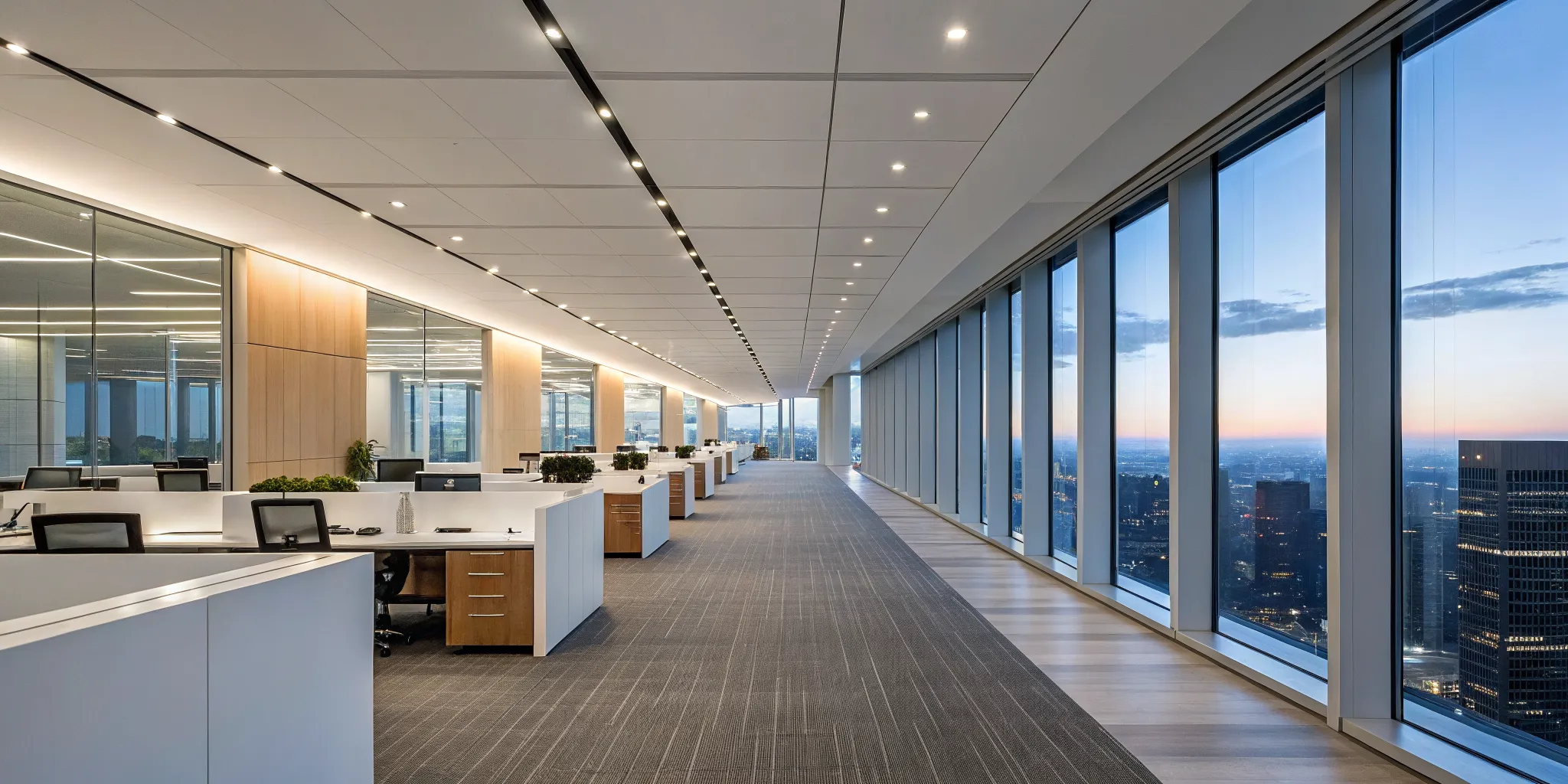
The lighting in your office does more than just help your team see their work; it shapes their entire day. Think about the common complaints you hear, from afternoon energy slumps to headaches and eye strain after hours spent in front of a screen. These issues are often dismissed as a normal part of office life, but they are frequently symptoms of a poor lighting environment. A thoughtful commercial office lighting design is the solution. It’s a strategic plan that goes beyond simply installing fixtures, creating a space that actively supports focus, comfort, and productivity. This guide will walk you through the principles of great lighting and show you how to create a workspace that helps your team feel and perform their best.
Key Takeaways
- Layer Your Lighting for Comfort and Focus: A great lighting plan uses a mix of ambient, task, and accent lighting. This layered strategy creates a comfortable, glare-free space that supports your team’s focus and well-being, moving beyond harsh overhead fixtures.
- Think Long-Term to Save Money: The cheapest fixture is rarely the most affordable option in the end. Consider the total cost of ownership, including energy use and maintenance, by choosing quality LEDs and smart controls for a better long-term investment.
- Hire an Electrician with Commercial Experience: Office lighting has unique challenges, from complex wiring to specific building codes. Always choose a licensed and insured electrician who specializes in commercial projects to ensure your workspace is safe, compliant, and designed for productivity.
What Is Commercial Office Lighting Design?
Commercial office lighting design is the art and science of planning the illumination for a workspace. It goes far beyond simply choosing fixtures and making sure rooms are bright enough. A thoughtful lighting plan creates an environment that helps your team feel comfortable, focused, and productive. When done right, it can transform the quality of a room, making it a place where people can concentrate and collaborate effectively. The goal is to create a cohesive system that supports the specific activities happening in each area of your office, from open-plan desks to conference rooms and break areas.
Effective lighting is a critical part of workplace safety and efficiency. A poorly lit office can lead to tangible problems for your employees, including eye strain, headaches, and general fatigue, which ultimately impacts their performance. A strategic lighting design considers everything from the type of work being done to the natural light available throughout the day. By focusing on the needs of your team, you can build a workspace that not only looks great but also functions beautifully. Our approach to commercial projects always puts your team’s well-being and productivity first.
The Building Blocks of Great Lighting Design
Great lighting design isn’t about a single, powerful overhead light. Instead, it’s built on the principle of layering. This means using multiple types of light to create a balanced, functional, and visually appealing space. The best office environments use a mix of light sources tailored to different zones and tasks. For example, the lighting in a collaborative brainstorm area should feel different from the focused lighting over an individual workstation. This layered approach ensures every part of the office is perfectly lit for its purpose.
Ignoring these principles can have real consequences. Bad lighting is a common culprit behind health complaints like chronic headaches, eye strain, and stress, which can harm both morale and productivity. A well-designed workplace lighting plan is a fundamental part of creating a healthy and supportive office culture. It shows your team that you care about their comfort and well-being, making the office a place they genuinely want to be.
Why You Need a Professional Electrician
A commercial lighting project might seem straightforward, but it involves many complex details. From technical limitations and building codes to environmental factors and budget constraints, there are numerous challenges that can arise. A professional electrician understands how to manage these variables to deliver a successful outcome. Improper installation is one of the biggest mistakes businesses make. It can lead to poor performance, flickering lights, and a significantly shorter lifespan for your fixtures, which means you’ll be paying for replacements much sooner than expected.
Working with a licensed and experienced electrician protects your investment and ensures your lighting system is safe, efficient, and built to last. We handle the technical complexities so you can focus on your business. If you’re ready to create a better-lit workspace, we can help you plan and execute a lighting project that meets your goals. Feel free to contact us to discuss your office’s needs.
Core Principles of Smart Office Lighting
Creating a truly effective office lighting plan goes beyond simply installing fixtures. It’s about a thoughtful strategy that balances aesthetics, function, and human well-being. When we design a lighting system, we focus on a few core principles that transform a workspace from just a room with lights into a productive and comfortable environment. By getting these fundamentals right, you create a space that not only looks great but also supports your team’s best work. Here’s what we consider for every commercial project.
Layering Your Light Sources
One of the biggest mistakes in office lighting is relying on a single type of light, like harsh overhead fluorescents. A much better strategy is a layered lighting approach that combines three distinct types of illumination: ambient (overall), task (focused), and accent (highlighting). Ambient light provides general brightness, task lighting supports specific workstations, and accent lighting draws attention to architectural details or artwork. By combining these layers, we create a visually comfortable and functional environment that eliminates harsh shadows and provides the right amount of light exactly where it’s needed.
Choosing the Right Color Temperature
The feel of a room is heavily influenced by its lighting’s color temperature. Measured in Kelvin (K), it can make a space feel warm and cozy or cool and energizing. For an office, we often recommend dynamic lighting that adjusts throughout the day. Cooler, blue-toned light (around 4000K-5000K) is great for promoting focus during peak work hours. In break rooms or collaborative spaces, a warmer, more inviting color temperature helps people relax and connect. Getting this right is key to creating a responsive and comfortable workspace.
Meeting Energy Efficiency Goals
While the initial price of lighting fixtures is a factor, focusing on it alone can lead to higher costs down the road. A smarter approach is to consider the total cost of ownership, which includes energy consumption and maintenance. Modern LED fixtures and smart controls are an excellent investment for this reason. They use significantly less energy, which means lower utility bills every month. Their long lifespan also reduces the need for frequent replacements. By choosing energy-efficient lighting, you not only make a sustainable choice but also a financially sound one for your business’s bottom line.
Integrating Human-Centric Lighting
Great lighting design should always prioritize the people using the space. This is the idea behind human-centric lighting, a design philosophy that aims to support our natural biological cycles, or circadian rhythms. This approach uses lighting systems that mimic the natural patterns of daylight, with brighter, cooler light during the day and warmer, dimmer light in the afternoon. This helps regulate our internal clocks, which can lead to better sleep, improved moods, and sharper focus. By creating a visually healthier environment, you invest directly in the well-being and productivity of your team.
How Lighting Affects Productivity and Well-Being
Lighting is much more than a utility; it’s a powerful tool that shapes the entire office environment. It influences how your team feels, thinks, and performs every single day. A thoughtful lighting strategy goes beyond simply illuminating a room. It creates a space where people can do their best work, feel energized, and stay healthy. When you invest in quality lighting design, you’re really investing in your people, which is one of the smartest business decisions you can make.
Reduce Eye Strain and Fatigue
Think about the last time you had a persistent headache at the end of a long workday. Poor lighting might have been the culprit. When lighting is too dim, too harsh, or creates glare on screens, it forces our eyes to work overtime just to focus. This constant effort can lead to physical discomforts like digital eye strain, fatigue, and stress. These issues don’t just affect comfort; they directly impact performance, leading to more mistakes and a dip in productivity. A well-planned lighting system provides consistent, balanced light that reduces glare and supports visual tasks, helping your team feel more comfortable and stay focused throughout the day.
Support Natural Circadian Rhythms
Our bodies have a natural internal clock, known as a circadian rhythm, that tells us when to feel awake and when to wind down. This clock is heavily influenced by light. Traditional office lighting, which often stays the same brightness and color all day, can throw this rhythm off balance. This can contribute to that all-too-familiar afternoon energy crash and can even affect sleep quality at night. Modern lighting design can mimic the natural patterns of daylight, starting with cool, energizing light in the morning and shifting to a warmer, calmer tone in the afternoon. This approach helps keep your team alert and engaged when they need to be and supports their natural sleep cycles.
Create a More Comfortable Workspace
The right lighting does more than just help us see; it shapes the entire atmosphere of a workspace. A thoughtfully lit office feels more inviting, spacious, and positive, which can have a huge impact on morale and collaboration. Instead of relying on a single type of overhead fixture, a layered approach uses multiple light sources to create a visually comfortable and dynamic environment. This might include soft ambient light for general illumination, focused task lights for individual workstations, and accent lights to highlight architectural features. This kind of thoughtful office design makes employees feel more at ease, which fosters better concentration and communication.
What to Look for in Commercial Lighting
When you’re selecting lighting for your office, it’s easy to focus on style alone. But the best commercial lighting systems do more than just look good; they perform efficiently, adapt to your team’s needs, and stand the test of time. Thinking about these key factors from the start helps you create a workspace that is both productive and cost-effective. From the bulbs you choose to the controls you install, every component plays a role in the final result. Here are the three main components to consider when planning your lighting project.
LEDs and Energy-Efficient Ratings
LEDs are the clear winner for modern office lighting, and for good reason. They use significantly less energy than older options like fluorescent or incandescent bulbs, which directly translates to lower utility bills each month. Beyond the cost savings, LEDs have an incredibly long lifespan, meaning you’ll spend less time and money on replacements. When you’re comparing options, look for products with high energy-efficiency ratings. These certifications are a reliable indicator that the lighting has met strict performance and efficiency standards, ensuring you get a quality product that delivers on its promises.
Smart Controls and Dimmers
A great lighting system gives you control. Modern offices are moving away from simple on/off switches and toward smarter, more flexible solutions. Smart lighting controls allow you to adjust brightness, set schedules, and automate lighting based on who is in the room. Dimmers are a simple yet powerful tool for creating ambiance and reducing energy use, while occupancy sensors ensure you’re not lighting empty spaces. This level of control not only cuts down on energy waste but also helps create a more comfortable and responsive environment for your team.
Fixture Durability and Maintenance
The fixtures that house your lights are just as important as the bulbs themselves. Choosing high-quality, durable fixtures from the start protects your investment and prevents future headaches. A well-made fixture will perform reliably for years, requiring minimal intervention. However, all lighting systems benefit from some upkeep to stay in top shape. Regular cleaning and inspections ensure your lights perform efficiently and safely. Planning for preventative maintenance helps you catch small issues before they become big problems, keeping your workspace consistently illuminated.
Types of Office Lighting Solutions
A well-lit office doesn’t rely on a single type of light. Instead, the best designs use a layered approach, combining different lighting solutions to create a space that is comfortable, functional, and visually appealing. Think of it like painting a room; you need a base coat, detailed work, and finishing touches to get the full effect. Each layer of light serves a distinct purpose, and when they work together, they create a cohesive and productive environment. From the broad, general light that fills the room to the focused beam that helps an employee read a document, every fixture plays a role. Understanding these different types of lighting is the first step toward building a plan that truly works for your team and your space. This layered strategy moves beyond simple illumination and into thoughtful design that can influence mood, focus, and even employee well-being. It’s about creating balance, preventing harsh shadows or overly bright spots, and ensuring every part of the office is perfectly lit for its intended use.
Ambient (General) Lighting
Ambient lighting is the foundation of your office’s illumination. It provides the main, overall light for a room, creating a comfortable level of brightness that allows everyone to see and move around safely. This is your primary light source, often coming from overhead fixtures like recessed cans, troffers, or large pendants. The goal of ambient light isn’t to be dramatic; it’s to provide a consistent, uniform glow. With today’s flexible lighting designs, it’s easier than ever to incorporate ambient lighting that feels natural and welcoming, rather than sterile and harsh. It sets the general mood for the entire office.
Task Lighting
While ambient light fills the room, task lighting is all about focus. As the name suggests, it provides targeted illumination for specific activities, like writing, reading, or detailed computer work. Different areas need different lights, and task lighting is essential for providing a brighter, more concentrated beam right where your employees need it most. This can come from desk lamps, under-cabinet lights in the kitchen, or track lighting aimed at workstations. By properly illuminating individual work areas, you can significantly reduce eye strain and help your team stay focused and comfortable throughout the day.
Accent Lighting
If ambient lighting is the foundation and task lighting is the function, accent lighting is the flair. This type of lighting is used to create visual interest and draw attention to specific features in your office. You can use it to highlight artwork, an architectural detail, your company logo in the reception area, or a textured wall. Fixtures like spotlights, wall sconces, and track lights are perfect for this. Accent lighting adds depth and dimension to a room, preventing the space from feeling flat or one-dimensional. It’s a powerful tool for reinforcing your brand’s aesthetic and creating a more dynamic, engaging atmosphere for employees and visitors alike.
Dynamic and Circadian Lighting
One of the most exciting developments in commercial lighting is the focus on human wellness. Dynamic or circadian lighting is designed to support our natural biological cycles by mimicking the pattern of sunlight throughout the day. This means the lights automatically adjust their color temperature and intensity, shifting from a cool, energizing blue-toned light in the morning to a warmer, calmer amber light in the afternoon. This technology allows for greater control over the atmosphere in a space, but more importantly, it can support the health and well-being of your team by helping to regulate sleep-wake cycles, improve mood, and sustain energy levels.
Which Lighting Brands Should You Trust?
When you invest in new lighting for your office, you’re not just buying fixtures; you’re investing in your team’s productivity and the overall atmosphere of your workspace. The market is filled with countless brands, but only a handful deliver the quality, reliability, and performance your business deserves. Choosing the right manufacturer is a critical step that ensures your lighting system will last for years, save on energy costs, and provide the right kind of light for your employees.
Working with an experienced electrician means you get access to professional-grade products that aren’t typically available in big-box stores. We’ve spent years vetting different brands and have built relationships with manufacturers who stand behind their products with solid warranties and excellent support. This allows us to recommend and install lighting solutions that we know will perform well and meet the specific needs of your commercial space, from a bustling open-plan office to a focused dental clinic. We help you look beyond the price tag to see the long-term value in a well-made, dependable lighting system.
Our Go-To Lighting Partners
We believe in partnering with brands that are as committed to excellence as we are. That’s why we often recommend companies like Visa Lighting for commercial projects. They specialize in creating fixtures specifically for workplaces, focusing on designs that help people feel and work their best. Their products are engineered to improve productivity and save energy, all while adding a clean, modern aesthetic to your office. By choosing partners who prioritize both form and function, we can install a lighting system that not only looks great but also contributes to a more effective and comfortable work environment for your team.
Understanding Quality Standards
A quality lighting fixture does more than just turn on. It delivers consistent, reliable light that supports your team throughout the day. A well-designed lighting plan can make a huge difference in how employees feel and perform, leading to better concentration and fewer headaches. We prioritize products with high-quality components, especially long-lasting and efficient LEDs. LED technology has become the gold standard for commercial lighting because it significantly reduces energy consumption and maintenance needs. We look for brands that meet rigorous testing standards, ensuring the products we install are built to last.
What to Know About Warranties and Support
A strong warranty is your assurance that a manufacturer stands behind its product. We only work with brands that offer comprehensive warranties, giving you peace of mind that your investment is protected. But support goes beyond the warranty. The best lighting systems are designed for longevity, which includes planning for maintenance. We help you understand the upkeep required for your new system and can even discuss performance monitoring to ensure everything operates at peak efficiency. Thinking about long-term maintenance from the start prevents future issues and keeps your workspace consistently and beautifully illuminated.
How to Audit Your Current Office Lighting
Before you can create a better lighting plan, you need a clear picture of what you’re working with. A lighting audit is a systematic review of your current setup. It helps you pinpoint exactly where your lighting is succeeding and where it’s falling short. Think of it as a check-up for your office’s electrical health, giving you a baseline so you can make informed decisions instead of just guessing what needs to be fixed. This simple step is the foundation for a workspace that is safer, more comfortable, and more productive for your team.
Why a Professional Audit Matters
While you can spot some issues on your own, a professional audit goes much deeper. An experienced electrician evaluates everything from fixture placement and bulb type to your energy consumption and wiring integrity. Effective lighting ensures that employees can perform tasks efficiently and safely, and a professional can identify subtle problems that lead to eye strain and fatigue. They bring specialized tools to measure light levels accurately and can recommend a clear, data-driven plan. A professional audit from a team that provides commercial services is an investment in your team’s well-being and your company’s bottom line.
Spot Common Lighting Problems
You can start your own informal audit with a simple walkthrough. Pay attention to the obvious signs of trouble. Are any lights flickering or making a buzzing sound? These issues can cause significant visual discomfort and headaches for your employees. Look for areas with inconsistent brightness, where some desks are brightly lit while others are left in the shadows. Glare on computer screens is another common problem that forces people to squint and strain their eyes. Many businesses make the mistake of treating all fixtures and bulbs equally, which often results in a poorly lit and uncomfortable environment.
Measure Light Levels and Balance
A professional audit moves beyond observation and into measurement. Using tools like light meters, an electrician can determine if your lighting levels are appropriate for the tasks being performed in each area. For example, a design team that needs to see color accurately has different lighting needs than a break room. A professional can create photometric layouts to map out the light distribution and ensure every corner of your space is properly illuminated. They will also check that your lighting is balanced, preventing harsh contrasts that can be tough on the eyes. This detailed analysis ensures your new lighting design is perfectly tailored to your workspace and your team.
The Latest Trends in Office Lighting
Office lighting design is evolving quickly. It’s no longer just about installing fixtures that illuminate a room. Today, the focus is on creating dynamic, intelligent, and human-centered environments that support employee well-being and reflect a company’s values. The latest trends are driven by huge leaps in technology and a deeper understanding of how light affects our mood, health, and productivity. From eco-conscious materials to lighting that mimics the sun, these modern approaches can completely transform a workspace. For business owners and general contractors, staying current with these trends is key to building offices that are not only functional but also inspiring places to work.
Sustainable and Eco-Friendly Lighting
Sustainability is now a cornerstone of modern design, and lighting is no exception. This trend goes beyond just using energy-efficient LEDs. It’s about the entire lifecycle of a lighting fixture, from the materials used to create it to its end-of-life disposal. We’re seeing a rise in fixtures made from recycled, repurposed, or natural materials that reduce environmental impact. Companies are choosing sustainable lighting not just to lower their carbon footprint and energy bills, but also to show their commitment to corporate responsibility. Implementing these modern electrical solutions sends a powerful message to both employees and customers that your business is forward-thinking and cares about the planet.
Smarter Tech Integration
The integration of smart technology into lighting systems is one of the most exciting developments in commercial design. Smart lighting gives you precise control over your office environment. Think occupancy sensors that turn lights off in empty rooms, daylight harvesting systems that automatically dim indoor lights when there’s enough sunlight, and scheduling that aligns with business hours. This level of automation not only saves a significant amount of energy but also simplifies facility management. For employees, it can mean personalized control over their own task lighting, allowing them to create a workspace that feels just right for them and their work.
Biophilic and Flexible Designs
Biophilic design is the practice of connecting people with nature within a built environment, and it’s having a major impact on lighting. This approach uses lighting to mimic the natural patterns of daylight, which helps regulate our internal clocks, or circadian rhythms. The result is often better sleep, improved focus, and a greater sense of well-being for employees. This trend pairs perfectly with the need for flexible office spaces. Layered and dynamic lighting systems can be easily adjusted to support different activities, from focused individual work to collaborative team meetings. You can see how these principles come to life in our past projects, where adaptable lighting creates truly versatile workspaces.
Common Office Lighting Mistakes to Avoid
Designing the perfect lighting for your office is a big step toward creating a productive and welcoming space. But even with the best intentions, a few common missteps can keep your lighting from reaching its full potential. Poor lighting choices can do more than just create a gloomy atmosphere; they can lead to decreased employee morale, reduced productivity, and even higher energy bills. Knowing what to watch out for can save you time, money, and frustration down the road. When you invest in a professional lighting upgrade, you want to make sure it’s done right from the start.
The good news is that these mistakes are easy to prevent with a little planning and professional guidance. From relying too heavily on a single type of light to overlooking the long-term costs, we’ll walk through the most frequent issues we see in commercial spaces. A thoughtful lighting plan considers everything from the type of work being done to the natural light available in the space. By avoiding these common pitfalls, you can ensure your new lighting system not only looks great but also supports your team and your business goals for years to come. Let’s get into what you should avoid.
Relying Only on Overhead Lights
One of the most common mistakes is depending entirely on overhead fixtures to light an entire office. While general lighting is essential, using it alone often creates harsh glare on computer screens and deep shadows in other areas. This can lead to eye strain and make it difficult for your team to focus. A well-lit office needs a more balanced approach that incorporates different light sources. By layering your lighting, you can create a more comfortable and visually interesting environment that supports various activities throughout the day.
Focusing Only on Upfront Costs
It’s tempting to choose lighting fixtures based on the lowest price tag, but this can be a costly mistake in the long run. The initial purchase price is only one part of the equation. You also need to consider the total cost of ownership, which includes energy consumption, maintenance needs, and the lifespan of the fixtures. An inexpensive fixture might use more electricity or need frequent replacements, quickly erasing any initial savings. Investing in high-quality, energy-efficient lighting from the start will deliver better performance and a greater return on your investment over time.
Forgetting About Maintenance and Controls
A great lighting system is only effective if it’s properly maintained and easy to control. Many businesses overlook the need for a regular maintenance schedule, which can lead to dirty fixtures that dim the light or failing components that cause outages. Similarly, installing smart controls without properly programming them means you miss out on valuable energy savings and convenience. When planning your project, it’s important to discuss long-term support. Our commercial electrical services include professional installation and guidance to ensure your system runs smoothly from day one.
How to Choose the Right Electrician for Your Project
Finding the right electrical contractor is the most critical step in bringing your office lighting design to life. This isn’t just about hiring someone to hang fixtures; it’s about finding a partner who understands the unique demands of a commercial space. The right team will work with you to create a lighting plan that is not only functional and beautiful but also compliant with local codes and built to last. A great electrician ensures the project runs smoothly from the initial concept to the final inspection and beyond, handling all the technical details so you can focus on your business.
When you’re vetting potential contractors, you’re looking for a combination of technical skill, proven experience, and a commitment to quality. Think of them as an extension of your own team, dedicated to achieving your vision for a more productive and welcoming workspace. A successful project depends on their expertise, so it’s worth taking the time to find a team that specializes in commercial electrical services and has a track record of success. They should be able to offer insights and suggestions that improve upon your initial ideas, turning a good plan into a great one. Here are the key things to focus on when making your decision.
Check for Proper Licensing and Credentials
Before you even discuss the details of your project, make sure any electrician you consider is properly licensed and insured. This is the absolute baseline for any professional working in your commercial space. A valid license demonstrates that the contractor has met state and local requirements for knowledge and safety, ensuring your installation will be up to code. This isn’t just about following rules; it’s about protecting your employees, your property, and your business from faulty wiring and potential hazards.
Ask for proof of their license and general liability insurance. A professional company will have this information readily available. Working with a fully licensed and insured team gives you peace of mind that you’re protected from any potential liabilities during the project.
Look for Relevant Commercial Experience
Not all electrical experience is created equal. An electrician who primarily works on residential projects may not have the specific skills needed for a commercial office. Commercial lighting projects often involve more complex wiring, different types of fixtures, and stricter building codes. You need a team that understands the demands of a business environment, from minimizing disruption during business hours to designing systems that support workplace productivity.
When speaking with a potential contractor, ask to see their portfolio of past projects. Look for examples of office lighting designs or other commercial work similar to yours. This will give you a clear idea of their capabilities and whether their style aligns with your goals. An experienced commercial electrician has seen it all and can anticipate challenges before they become problems.
Ask About Installation and Long-Term Support
A great lighting project doesn’t end once the last fixture is installed. Your relationship with your electrician should extend beyond the initial job. Before signing a contract, ask about their process for long-term support and maintenance. What happens if a fixture fails or you need an adjustment down the road? Do they offer warranties on their workmanship and the products they install?
A reliable contractor will stand behind their work and offer ongoing support to keep your system running perfectly. This commitment to service is what separates a good electrician from a great one. You want a partner you can count on for years to come, so don’t hesitate to ask us about our process for installation and continued support.
Frequently Asked Questions
My office already has lights. Why should I invest in a professional lighting design? Think of professional lighting design as an investment in your team and your space. While basic lights provide illumination, a thoughtful design creates an environment that actively supports your employees. It can reduce common issues like eye strain and headaches, which helps people stay focused and comfortable. A well-designed system also enhances the look and feel of your office, making it a more positive and inviting place for both your team and your clients.
What’s the biggest mistake businesses make with their office lighting? The most frequent mistake is relying on a single type of light, usually just harsh overhead fixtures. This approach often creates glare on screens and deep, distracting shadows, making it difficult for people to work comfortably. Another common pitfall is choosing fixtures based only on their initial price tag. This can lead to higher energy bills and more frequent replacement costs down the road, quickly canceling out any upfront savings.
What does “layered lighting” mean, and why is it important? Layered lighting is a design strategy that combines three different types of light to create a balanced and functional room. First, you have ambient light, which provides general, overall brightness. Next is task lighting, which is focused light for specific workstations where people are reading or writing. Finally, accent lighting is used to highlight architectural details or artwork. Using these three layers together eliminates harsh shadows and ensures every part of the office is perfectly lit for its purpose.
How can I tell if my current lighting is causing problems for my team? You can start by doing a simple walkthrough and observing your space. Look for obvious signs like flickering bulbs or inconsistent brightness between different areas. Pay attention to whether there is significant glare on computer screens, as this is a major cause of eye fatigue. It’s also helpful to check in with your employees. If they frequently mention afternoon headaches or feeling tired, your lighting could be a contributing factor.
Why can’t I just hire any electrician for my office lighting project? Commercial lighting projects are very different from residential jobs. They involve more complex systems, stricter safety codes, and a deep understanding of how lighting impacts a work environment. An electrician who specializes in commercial spaces has the right experience to manage these unique challenges. They can design a system that is safe, efficient, and tailored to your business needs, all while minimizing disruption to your daily operations.