The Real Price for an Electrical Panel Upgrade: Every Cost Explained
If your lights flicker when the AC kicks on or a breaker trips every time you use the toaster and microwave simultaneously, you’re seeing symptoms of a bigger issue. These small annoyances are your home’s way of telling you its electrical system is overloaded. Your electrical panel, the heart of that system, is struggling to keep up with modern demands. The solution is often an upgrade, but that immediately brings up a critical question for any homeowner. Understanding the typical price for an electrical panel upgrade is the first step. This guide will break down the costs, explaining what factors influence the final number.
Key Takeaways
- Know the signs you need an upgrade: Frequent breaker trips, flickering lights, or a panel that feels warm are clear indicators your system is overloaded. Upgrading is a key step to prevent fire hazards and support modern appliances.
- Understand what determines the final cost: The total price isn’t just the panel itself; it includes the panel’s amperage (size), the complexity of the installation, and any necessary wiring updates to meet current safety codes.
- Hire a licensed professional for a compliant job: This is not a DIY project. A licensed electrician will secure the required permits and inspections, ensuring your upgrade is safe, up to code, and a sound investment for your home. A Tigard electrician for a panel upgrade can assess the right scope for a local home.
What Is an Electrical Panel Upgrade?
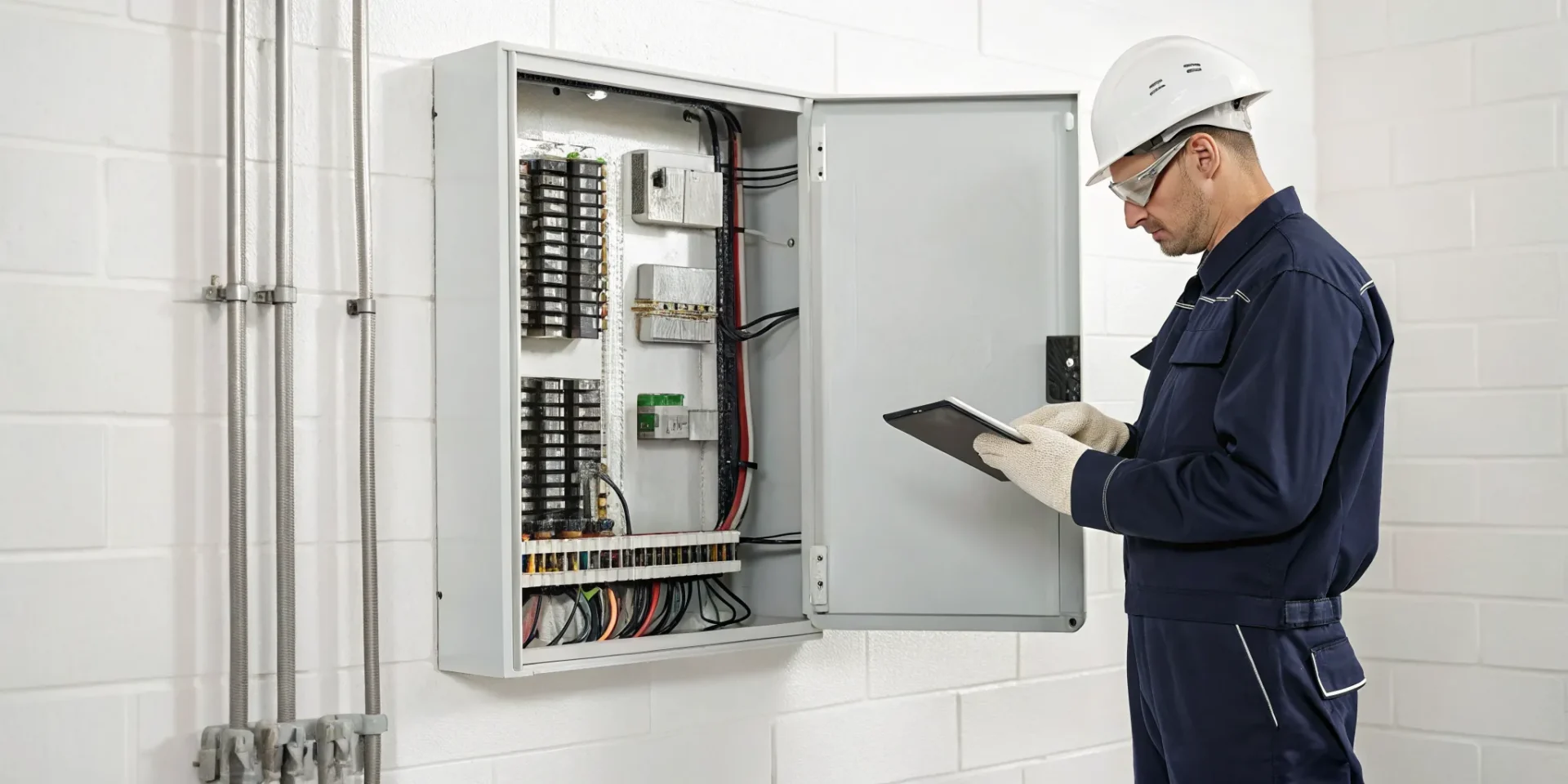
Think of your electrical panel as the heart of your home’s electrical system. It’s the metal box, usually in a garage or basement, that takes power from the utility grid and distributes it throughout your house. Every circuit, from your kitchen outlets to your bedroom lights, starts here. The panel also houses the circuit breakers, which are crucial safety devices that automatically shut off power if a circuit gets overloaded, preventing overheating and potential fires.
An electrical panel upgrade is exactly what it sounds like: replacing your old panel with a new one. This isn’t just a simple swap. A modern panel can handle a higher capacity of electricity, meets current safety standards, and provides a more reliable flow of power to all your devices. It’s a foundational improvement that supports all the other residential electrical services you might need, from installing a new EV charger to remodeling your kitchen. To compare pricing in more detail, see how much an electrical panel upgrade costs, then review the Level 2 EV charger requirements if home charging is part of your plan. Upgrading ensures the heart of your system is strong enough for modern life.
Why Upgrade Your Electrical Panel?
You might need an upgrade for a few key reasons. Many older homes in the Portland area simply weren’t built to handle today’s electrical demands. If your breakers trip frequently, it’s a clear sign your panel is overloaded. You may also need an upgrade if you’re planning a major renovation or adding a large appliance, like an air conditioner or a hot tub. These additions require more power than your existing panel might be able to supply safely. Finally, some older panels, like those made by Federal Pacific or Zinsco, are now known to be fire hazards and should be replaced immediately for your family’s safety.
The Real Benefits of a New Panel
Upgrading your electrical panel is a smart investment in your home’s safety and functionality. A new panel significantly reduces the risk of electrical fires by eliminating outdated wiring and faulty breakers. It also protects your expensive electronics and appliances from power surges and inconsistent currents, helping them last longer. Beyond safety, a modern panel can actually increase your home’s value, as it’s a major selling point for potential buyers. With a lifespan of 20 to 30 years, a new panel installed by a team of licensed professionals gives you peace of mind and prepares your home for any future technological needs.
How Much Does an Electrical Panel Upgrade Cost?
Figuring out the budget for an electrical panel upgrade is a top priority for most homeowners. The final cost depends on several things, like the size of the panel you need and how complex the installation will be. While every project is unique, we can look at some typical price ranges to give you a solid starting point for your planning. It’s always best to get a detailed quote from a licensed professional, but understanding the general costs will help you know what to expect.
A Look at National Averages
Let’s talk numbers. Nationally, the cost to upgrade an electrical panel can fall into a pretty wide range. On average, homeowners might spend around $1,800, but for bigger or more complicated jobs, that number can climb to $5,000 or more. For a standard full service upgrade, most electricians will quote between $2,500 and $5,000. To give you a clearer picture, a 100-amp panel upgrade usually falls between $850 and $1,450, while a 200-amp panel, which is common for modern homes, can cost anywhere from $1,280 to $2,700.
What to Expect in Portland and the PNW
Here in the Portland area, the costs are fairly consistent with the national picture. For a typical upgrade from a 100-amp to a 200-amp panel, you can expect to invest between $1,800 and $3,200. One thing to remember when planning your budget is the cost of permits. Any electrical panel upgrade in our area requires a permit from the local building codes division. This isn’t just red tape; it’s a crucial step to make sure the work is done safely and meets all local regulations. Getting a permit protects you, ensures your home is compliant, and is often required for your homeowner’s insurance.
What Factors Change the Final Price?
When you get a quote for an electrical panel upgrade, you’ll quickly see it’s more than just the cost of the new panel. The final price is a combination of several key factors that can vary from one home to the next. Think of it as a custom project, because every home’s electrical system has its own unique history and needs.
Understanding what goes into the total cost helps you see exactly where your money is going. The size of the panel you need, the complexity of the installation, and the condition of your existing wiring all play a major role. Local requirements, like permits and inspections, also add to the final bill. Let’s break down these variables so you can get a clearer picture of what to expect for your project.
Panel Size and Amperage
The size of your electrical panel, measured in amps, is one of the biggest factors in determining the cost. A 100-amp panel, often found in smaller or older homes, is the most affordable option. However, most modern homes need a 200-amp panel to handle everything from high-efficiency appliances to EV chargers. For very large homes with extensive electrical needs, 300-amp or 400-amp panels might be necessary. As the amperage increases, so does the price of both the panel and the labor required to install it. A professional can help you determine the right panel size for your current and future power demands.
The Complexity of the Job
Not all panel upgrades are created equal. A straightforward swap from an old 100-amp panel to a new one is a relatively simple job. But if the project involves moving the panel to a new location, dealing with a hard-to-reach space, or making significant changes to your current system, the complexity and labor hours increase. For example, a basic upgrade might take around 15 hours, while a more involved project could take much longer. The more complex the installation, the more you can expect the labor costs to rise, which will be reflected in your final quote.
Local Permit and Inspection Fees
An electrical panel upgrade is a major project that requires a permit from your local building department. This isn’t just red tape; it’s a crucial step to ensure the work is done safely and meets all current National Electrical Code standards. The cost of the permit and the required inspections will be included in your project total. While it might seem like an extra fee, this process protects you and your home by verifying that the installation is safe, compliant, and correctly installed by a licensed professional. A qualified contractor like Pro-Tech-Power will handle the entire permitting process for you.
The State of Your Current Wiring
The condition of your home’s existing wiring can have a big impact on the final cost. In older homes, electricians often discover outdated wiring, such as aluminum wiring or knob-and-tube, that needs to be addressed to meet modern safety codes. Your home might also need a new grounding system to protect your electronics and prevent electrical shocks. These necessary updates add to the project’s scope and cost, but they are essential for the safety and reliability of your entire electrical system. Addressing these issues during the panel upgrade is the most efficient and safest approach.
Breaking Down Costs by Panel Size
The size of your electrical panel, measured in amps, is one of the biggest factors in the total cost of an upgrade. Think of amperage as the total amount of electricity your home can use at once. A small panel in a large home is like trying to drink a milkshake through a tiny coffee stirrer; it just can’t keep up with the demand. Choosing the right size is crucial for powering your home safely and efficiently, especially if you’re planning to add major appliances or an EV charger down the road.
The right panel size depends entirely on your home and lifestyle. A smaller home with gas appliances will have very different needs than a large, all-electric home with a workshop and a hot tub. When you work with a professional electrician, they will perform a load calculation to determine the exact amperage your home requires. This ensures you get a panel that can handle your current needs and support any future plans. Let’s look at the common panel sizes and what you can expect in terms of cost.
100-Amp Panel
A 100-amp panel is often found in smaller or older homes with fewer electrical demands. If you have gas appliances for your stove, water heater, and furnace, this size might be sufficient for your needs. The cost to install or upgrade to a 100-amp panel usually falls between $850 and $1,450. While it was the standard for decades, it’s now considered the minimum for a modern home. If you’re already investing in an upgrade, it’s worth considering if a larger panel would better serve you in the long run.
200-Amp Panel
The 200-amp panel is the new standard for most modern homes, and for good reason. It provides plenty of power for a typical family’s needs, including central air conditioning, electric ranges, and other large appliances. This is the size we most often recommend for homeowners who want to ensure their electrical system can handle future additions like an EV charger or a workshop. An upgrade to a 200-amp panel generally costs between $1,800 and $4,500, depending on the complexity of the installation and the current state of your wiring.
300-Amp Panel
If you live in a large home with multiple HVAC units, a pool, a hot tub, and other high-draw features, a 300-amp panel might be necessary. This size provides substantial power for properties with significant electrical loads. The cost for this upgrade typically ranges from $2,000 to $5,000. This type of installation can be more involved, sometimes requiring changes to the wiring coming into your home. It’s a project that demands careful planning to ensure your entire system can support the increased capacity safely.
400-Amp Panel
A 400-amp panel is reserved for very large luxury homes or properties with exceptional power needs, like extensive outdoor lighting, a guest house, or multiple EV charging stations. This is a major upgrade that ensures you’ll never have to worry about tripping a breaker. The cost can range from $3,800 to $7,000, but for more complex jobs requiring significant system modifications, it could reach $8,000 to $12,000. For a project of this scale, it’s essential to get a detailed, personalized quote from a professional.
What Other Costs Might Come Up?
When you budget for an electrical panel upgrade, it’s smart to plan for a few potential surprises. The main quote covers replacing the panel itself, but sometimes, bringing one part of your electrical system up to date means other related components need attention, too. This is especially common in older homes. Think of it as making sure the entire system works together safely and efficiently. These additional tasks ensure your home is not just powered for today, but also protected for the future. Here are a few common costs that might pop up during your project.
New Wiring or Rewiring
If you live in an older home, your electrician might discover that some of your wiring needs to be updated along with the panel. Outdated systems, like those with old aluminum wiring, can pose a safety risk and may not be compatible with a modern panel. Your electrician might also need to add a proper grounding wire if one is missing. This extra work is all about ensuring your home’s electrical system is safe from top to bottom. Tackling these wiring issues can add to the project’s final cost, but it’s a critical step for safety.
Moving the Panel or Meter
Sometimes, your current electrical panel isn’t in the best spot. It might be in a hard-to-reach closet, a bathroom, or another location that doesn’t meet current safety codes. If you need to relocate your electrical panel to a safer, more accessible area, it will increase the overall cost. This process involves more labor and materials, as the electrician will need to reroute heavy-duty cables and connect to the meter base in a new location. While it adds to the price, moving the panel ensures your home complies with modern standards and is safer for everyone.
Bringing Everything Up to Code
A panel upgrade is the perfect time to make sure your entire electrical system is up to snuff. This often involves getting the right permits to ensure compliance with National Electrical Code standards and local building regulations. These rules are in place for your protection, as a higher-capacity panel can significantly change how your home’s electrical system operates. An experienced electrician will handle the permitting process for you, making sure every part of the installation is done correctly and safely, giving you total peace of mind.
Updating Your Grounding System
Your home’s grounding system is a vital safety feature. It provides a path for excess electricity to travel safely into the earth, preventing dangerous shocks and protecting your appliances. During a panel upgrade, it’s common to find that the existing grounding system isn’t adequate for modern needs. Bringing it up to current standards might involve running a new wire to a grounding rod outside your home or connecting to a main water pipe. This update is a non-negotiable part of a safe and professional panel replacement.
Signs It’s Time for an Upgrade
Your electrical panel is the heart of your home’s electrical system, but it’s easy to ignore until something goes wrong. An outdated panel doesn’t just cause inconveniences; it can pose serious safety risks. If your home is older or you’ve added more electronics over the years, your panel might be struggling to keep up. Recognizing the warning signs is the first step toward ensuring your home is safe and ready for modern electrical demands. Here are a few clear indicators that it’s time for an upgrade.
Your Breakers Trip All the Time
A circuit breaker that trips occasionally is doing its job, protecting your home from overloads. But if you find yourself constantly heading to the panel to reset a breaker, it’s a red flag. This usually means your panel can’t handle your home’s electrical load. You might notice it happens when you run the microwave and the toaster at the same time. Frequent trips are a clear sign that your system is overloaded and needs attention. Ignoring this can lead to damaged appliances or even electrical fires. A professional can assess your needs and determine if an upgrade is the right solution for your residential electrical system.
You Have Flickering or Dimming Lights
Have you ever noticed the lights flicker when your air conditioner kicks on or you start the vacuum? This is another common symptom of an electrical panel that’s stretched to its limit. The momentary dip in power happens because the panel can’t supply enough electricity to meet the sudden demand from a large appliance. While a single flicker might not be a cause for alarm, consistent dimming is a sign of an unstable electrical system. It indicates that your circuits are overloaded and your panel is struggling to distribute power evenly. This instability can wear out your electronics and appliances over time.
Your Panel Looks Old or Feels Warm
You should never ignore physical warning signs from your electrical panel. If the panel itself feels warm to the touch, or if you notice a burning smell coming from it, contact an electrician immediately. These are signs of overheating, which creates a serious fire hazard. You might also see rust or corrosion on the breakers, which can interfere with their ability to function correctly. An outdated panel, especially an old fuse box, simply wasn’t designed for the electrical loads of a modern home. Any signs of heat or damage mean it’s time for a professional to take a look.
You Can’t Power Your Modern Life
Our lives run on electricity more than ever before. From home offices and entertainment systems to smart appliances and electric vehicles, the demand on our electrical systems has grown. Many older homes in the Portland area were built with 60- or 100-amp panels, which are often not enough for today’s needs. If you’re planning a major renovation, adding a hot tub, or installing an EV charger, you’ll likely need a panel upgrade to support the extra load. A 200-amp panel is now the standard for most new homes, ensuring you have plenty of power for all your current and future needs, including home generator systems.
How Safety Rules Affect the Cost
When you get a quote for an electrical panel upgrade, you’re paying for more than just the new box and breakers. A significant part of the cost is tied to safety regulations, and for good reason. Electrical work isn’t the place to cut corners. These rules are designed to protect your home, your family, and your investment. The costs associated with permits, inspections, and adherence to strict electrical codes are not optional add-ons; they are fundamental parts of a safe and legal installation. Think of them less as expenses and more as insurance against future problems, from electrical fires to issues selling your home. A professional, licensed electrician will build these safety requirements directly into their process and their quote.
Why Permits and Inspections Are Non-Negotiable
Getting the right permits before work begins is a critical step that ensures your project complies with local safety standards and building codes. In most places, including here in the Portland area, an electrical panel replacement permit is required. The cost of the permit and the subsequent inspection are factored into your final price. While it might feel like just another fee, this process is your official verification that the work was done correctly. It provides legal protection, is often required for insurance coverage, and gives you documented proof that your home’s electrical system is safe and up to par, which is essential if you ever decide to sell.
Meeting National Electrical Code (NEC) Standards
An electrical panel that is “up to code” meets the latest standards set by the National Electrical Code (NEC). This is the benchmark for safe electrical design and installation across the country. If your home’s wiring is old, bringing the entire system up to current NEC standards might be required as part of the panel upgrade. This could involve replacing old wiring, adding new circuits, or updating your home’s grounding system. These necessary updates add to the project’s complexity and cost, but they are vital for ensuring the safety and efficiency of your home’s power distribution. A qualified electrician will identify these issues and include the required work in your quote.
The Value of a Licensed Electrician
Hiring a licensed and insured electrician is the best way to ensure your panel upgrade is safe and follows all regulations. The cost of hiring a professional from a reputable company like Pro-Tech-Power reflects their training, experience, and knowledge of complex code requirements. A licensed pro handles the entire permit and inspection process for you, guaranteeing the work will pass inspection the first time. This expertise protects you from the serious risks of DIY electrical work and the costly mistakes an unlicensed handyman might make. Investing in a professional ensures the job is done right, providing safety and peace of mind for years to come.
Costly Mistakes to Avoid
An electrical panel upgrade is a major project, and a few common missteps can turn it into a costly and dangerous headache. When you’re investing in your home’s safety and functionality, the last thing you want is to cut corners that lead to bigger problems. From choosing the wrong equipment to trying to handle complex wiring yourself, these errors can compromise your electrical system, violate local codes, and put your family at risk.
Understanding these potential pitfalls ahead of time is the best way to ensure your project goes smoothly. By working with a qualified professional and making informed decisions, you can protect your investment and get the peace of mind that comes with a job done right. Here are the most critical mistakes to steer clear of during your panel upgrade.
Choosing the Wrong Panel Size
Selecting the right panel size is one of the most important decisions you’ll make. If you choose a panel with insufficient capacity for your home’s needs, you’re setting yourself up for trouble. An undersized panel can lead to frequent circuit breaker trips and overloading, which is a significant safety hazard. On the other hand, installing a panel that’s far larger than you’ll ever need can be an unnecessary expense. A professional electrician can perform a load calculation to determine the perfect size for your current and future electrical demands, ensuring your system is both safe and efficient.
Skipping Permits and Inspections
It might be tempting to bypass the official channels to save time or money, but skipping permits is a serious mistake. Most areas, including here in the Portland area, require electrical panel replacement permits for this kind of work. These permits ensure the project is completed in compliance with safety standards and local building codes. An inspection by a city official provides a crucial third-party check that everything was installed correctly. Without a permit, you could face fines, have trouble selling your home, or even find your homeowner’s insurance voided if an electrical fire occurs. A licensed contractor will handle the entire permitting and inspection process for you.
Ignoring Local and National Codes
Your electrical system is governed by a set of rules designed to keep you safe. An electrical panel that is up to code meets the latest standards set by the National Electrical Code (NEC) as well as specific local regulations. These codes cover everything from proper wiring techniques to the type of breakers used. Ignoring them isn’t just a compliance issue; it’s a safety risk. Licensed electricians are experts in these codes and will make sure your new panel is installed correctly, protecting your home from potential hazards and ensuring it will pass inspection without any issues.
Trying to Do It Yourself
While the DIY spirit is admirable for many home projects, upgrading an electrical panel is not one of them. This is a complex job that involves working with high-voltage electricity, and even a small mistake can lead to serious safety hazards, including electrocution and fire. Beyond the immediate danger, improper installation can result in costly code violations that a professional will have to fix later. Hiring a licensed electrician from the start is the smartest and safest way to handle your panel upgrade. It ensures the work is done correctly, safely, and in compliance with all regulations.
How to Get an Accurate Quote
Getting a clear and accurate quote is the most important step in planning your electrical panel upgrade. A vague estimate can leave you with unexpected costs and a lot of frustration. The goal isn’t just to find the cheapest price, but to find the best value from a qualified professional who is transparent about every part of the job. A trustworthy electrician will walk you through their estimate, explaining what’s covered and why certain components or steps are necessary.
To feel confident in your decision, you should gather a few detailed quotes from different licensed contractors. This allows you to compare not just the final number, but the scope of work, the quality of materials, and the professionalism of the company. Think of it as an interview process. You’re hiring an expert to perform a critical safety upgrade on your home, so it’s worth taking the time to ensure you’re making the right choice. A detailed quote is a sign of a thorough and honest contractor.
Get Detailed Quotes from Licensed Pros
When you request a quote, ask for an itemized list. A simple “panel change” can mean different things to different contractors. A professional estimate should clearly break down the costs for the panel itself, the meter base, grounding and bonding systems, all necessary circuit breakers (including any specialized ones like arc fault or GFCI breakers), and labor. This level of detail helps you understand exactly what you’re paying for and prevents surprise charges. When you’re ready to contact a professional, make sure they are licensed and insured for your protection.
Know What’s Included in Your Estimate
A complete quote goes beyond just parts and labor. One of the most important items to confirm is the electrical permit. In almost every case, upgrading a main electrical panel requires a permit from your local jurisdiction to ensure the work is done safely and meets current electrical codes. An experienced contractor will handle the entire permitting process, from application to final inspection. Before you agree to any work, ask if the cost of the permit and any associated fees are included in your estimate. This ensures you have a true picture of the total investment and won’t be hit with surprise administrative costs later on.
Questions You Should Ask Every Electrician
To make an informed decision, it helps to have a few key questions ready for any electrician you speak with. Start by asking what panel size or amperage they recommend for your home and your future needs. A good electrician will ask about your appliances and if you plan to add things like an EV charger or a hot tub. You should also ask if their quote includes bringing your home’s grounding system up to current code, as this is a common requirement during a panel upgrade. Finally, always confirm that the cost of the permit and the final inspection are built into the estimate. These questions will help you gauge their expertise and commitment to a safe, compliant installation.
Is a Panel Upgrade a Good Investment?
Thinking about the cost of a new electrical panel can feel overwhelming, but it’s helpful to see it as more than just a repair. A panel upgrade is a strategic investment in your home’s safety, value, and future. When you weigh the initial expense against the long-term benefits, you’ll find it’s one of the smartest improvements you can make. It provides immediate security and sets your home up for whatever comes next, whether that’s a new EV charger or a kitchen remodel.
A Safer Home and Peace of Mind
Your electrical panel is the heart of your home’s electrical system, and an outdated one can be a serious safety risk. Upgrading your panel makes your home safer by reducing the risk of electrical fires and protecting your expensive appliances from power surges. A modern panel that is “up to code” complies with the latest National Electrical Code (NEC) standards, ensuring your system distributes power safely and efficiently. This isn’t just about following rules; it’s about giving you the confidence that your home’s electrical system is sound, protecting both your property and your family.
A Boost to Your Home’s Value
When it comes time to sell, buyers notice the details. An updated electrical panel is a huge selling point that signals a well-maintained and modern home. Potential buyers see a new panel as one less project they’ll have to tackle, making your property more attractive and competitive. This simple upgrade can help your home sell faster and for a better price. It shows that your home is ready to handle today’s technology, from home offices to entertainment systems, giving buyers confidence in their purchase and adding tangible value to your investment.
Future-Proofing and Long-Term Savings
A new electrical panel is built to last, often for 20 to 30 years, making it a fantastic long-term investment. It prepares your home for future electrical needs, whether you’re planning to install an EV charger, add a hot tub, or set up a new home office. By handling the upgrade now, you avoid the higher costs and hassle of emergency replacements later. Getting the right permits for the project ensures everything is done correctly, protecting your property’s value and preventing future issues. It’s a proactive step that saves you money and headaches down the road.
Frequently Asked Questions
How long does a panel upgrade take, and will my power be out the whole time? A standard electrical panel upgrade typically takes a full day, usually between 8 and 10 hours. For safety, your home’s power will need to be shut off for the majority of that time. We know this can be disruptive, so our team works as efficiently as possible to complete the job and restore your power by the end of the day.
My current panel seems to work fine. Do I really need to upgrade to 200 amps? Even if your current panel isn’t causing obvious problems, a 100-amp service can be easily overwhelmed by modern life. A 200-amp panel is now the standard because it provides the capacity for things we use every day, like high-efficiency appliances, home office equipment, and future additions like an EV charger. Think of it less as a repair and more as an investment in your home’s future capabilities.
What happens if you find other electrical problems in my older home during the upgrade? This is a great question, as it’s common to uncover outdated wiring or grounding issues in older homes. If we find anything that doesn’t meet current safety codes, we stop and discuss it with you immediately. We will explain the problem, why it’s a safety concern, and provide a clear, upfront quote for the necessary corrections before any additional work is done.
Why is getting a permit such a critical part of the process? A permit isn’t just paperwork; it’s your guarantee that the job is done correctly and safely. It ensures the work is documented and will be reviewed by a local inspector who verifies that the installation meets all current electrical codes. This process protects your family, satisfies homeowner’s insurance requirements, and preserves your home’s value.
What’s the first step if I think my panel needs an upgrade? If you’re noticing any warning signs like flickering lights or frequently tripped breakers, the best first step is to schedule a professional consultation. A licensed electrician can perform a thorough inspection of your current system, conduct a load calculation to assess your power needs, and give you a clear recommendation and an accurate quote for the project.