
Generators
What Size Generator for a 1,500 Sq Ft House?
Pro Tech Power Corp
· 26 Min Read
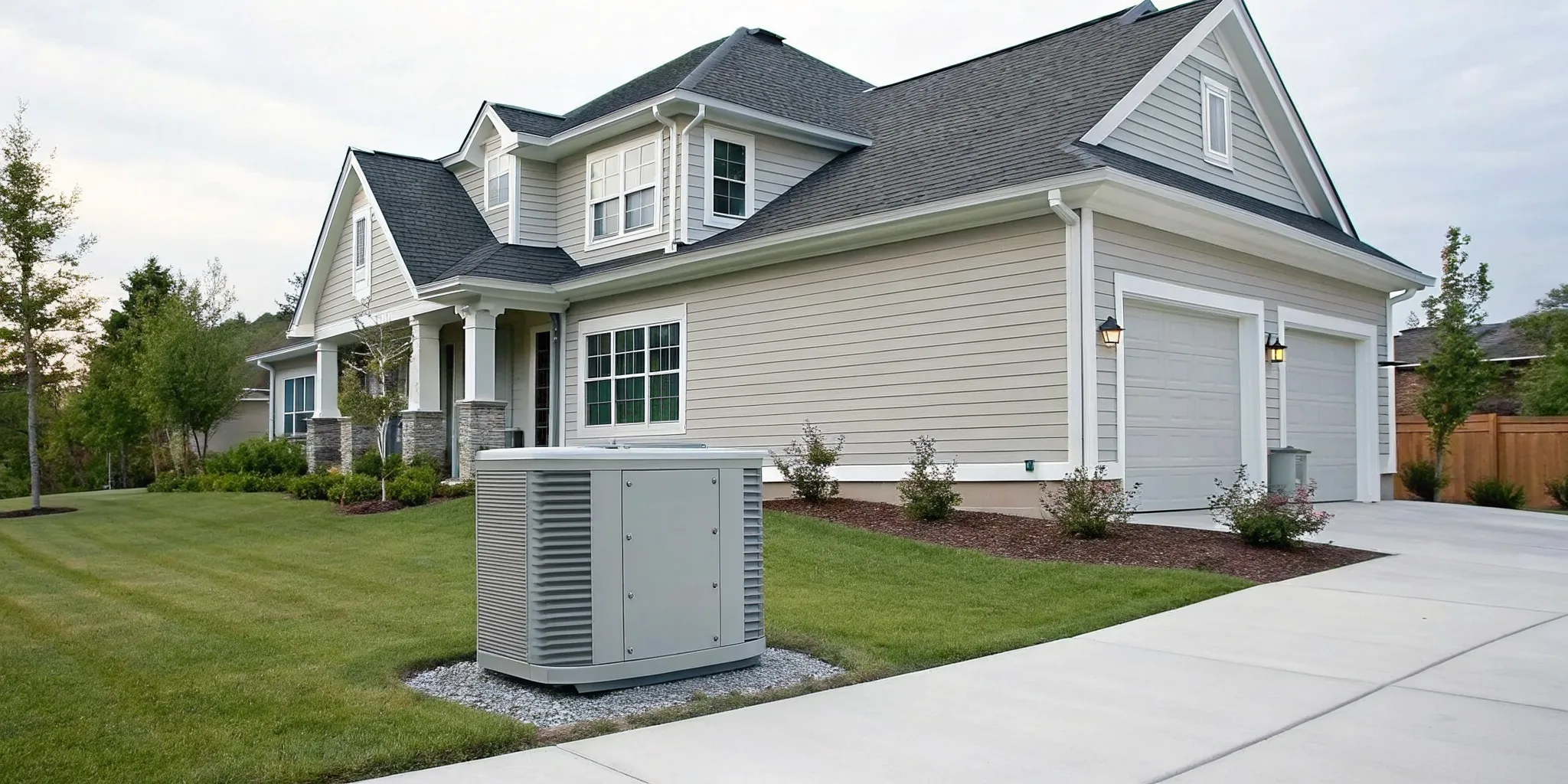
It’s easy to make a costly mistake when choosing a generator. Buying a unit that’s too small can lead to frustrating overloads and even damage your appliances, while buying one that’s too big means you’ve overspent on power you’ll never use. This is why the question “what size generator to run a 1,500 sq ft house” is so critical to get right. The answer isn’t a single number; it’s a calculation based on your home’s specific electrical demands. This article will guide you past the common pitfalls, like forgetting to account for starting wattage, and give you the tools to make an informed, confident decision.
Key Takeaways
- Prioritize your power needs before choosing a size: The right generator is less about square footage and more about your lifestyle. Decide if you need to power just the essentials, like the refrigerator and furnace, or if you want a whole-house system for uninterrupted comfort.
- Always factor in the starting wattage of large appliances: Items with motors, such as your air conditioner or well pump, require a large surge of power to turn on. To prevent overloads, calculate your total running watts and add the single highest starting wattage from your list to find your true power requirement.
- Treat professional installation as a requirement, not an option: A standby generator connects directly to your home’s electrical and fuel systems. Using a licensed electrician is crucial for safety, ensuring the transfer switch is wired correctly and all work complies with local codes, which protects both your home and your investment.
How Much Power Does Your Home Really Need?
Before you start looking at generator models, the first step is to figure out exactly how much power you need to keep your home running during an outage. It’s easy to either overestimate and buy a unit that’s too big and expensive or, worse, underestimate and find yourself without enough power when you need it most. The right size generator for a 1,500-square-foot house isn’t a one-size-fits-all answer; it depends entirely on your lifestyle and what you consider essential. Do you want to keep just the basics running, or do you want life to continue without a single interruption? Answering this question will guide your entire decision-making process and ensure you invest in a system that truly meets your needs. Getting this part right is the key to seamless, reliable backup power.
Whole-House vs. Essential Power: What’s the Difference?
Your first big decision is choosing between powering your entire home or just the essentials. An “essentials-only” setup powers critical items like your refrigerator, freezer, furnace, and a few lights and outlets. This approach requires a smaller generator and is a great option if you just want to cover the basics during an outage. On the other hand, a “whole-house” system is designed to run everything in your home simultaneously, from the air conditioning to the dishwasher. For a 1,500-square-foot home, this could mean the difference between an 8-kilowatt generator for essentials and a 22-kilowatt generator for full power.
How to Calculate Your Home’s Electrical Load
Calculating your home’s electrical load is how you determine the exact size generator you need. This involves adding up the wattage of every appliance and system you plan to power. You’ll need to consider both the “running watts” (the power an appliance uses continuously) and the “starting watts” (the extra surge of power needed to start motors in things like refrigerators or AC units). While you can create a list to get a rough idea, a professional load calculation is the only way to guarantee accuracy. An experienced electrician can assess your home’s specific needs, ensure your new generator system is sized correctly, and make sure the installation meets all local safety codes.
What Size Generator Fits a 1,500 Sq. Ft. House?
Figuring out the right generator size for a 1,500-square-foot house is a common question, but the answer isn’t one-size-fits-all. While square footage is a helpful starting point, your home’s unique power needs are what really matter. The best generator for you depends entirely on what you want to run when the power goes out. Are you looking to just keep the lights on and the food cold, or do you want life to continue as normal without any interruptions?
For a typical home of this size, the generator you need will likely fall somewhere between 8 and 22 kilowatts (kW). The key is to decide whether you need to power just the essentials or your entire household. Thinking about this first will help you narrow down your options and find the perfect fit for your home and budget. A professional can help you make an exact calculation, but let’s break down the most common scenarios.
For the Essentials: 5,000-7,500 Watts
If your goal is to simply cover the basics during an outage, a smaller generator will do the trick. For most 1,500-square-foot homes, a generator in the 5,000 to 7,500-watt range is enough to power essential appliances. This includes things like your refrigerator and freezer, a few lights, your furnace fan to keep the heat circulating, and outlets for charging your phones. This approach gives you peace of mind and keeps critical systems running without the investment of a larger, whole-house system. It’s a practical choice for weathering shorter power outages comfortably.
For the Whole House: 16,000-22,000 Watts
If you prefer not to notice the power is out at all, a whole-house solution is what you need. To run everything in your home simultaneously, including high-demand appliances like central air conditioning, an electric stove, and a water heater, you’ll want a standby generator between 16kW and 22kW. This size ensures you have enough power to live your life without making compromises. You can cook dinner, do laundry, and watch a movie all at the same time, just as you normally would. This option provides seamless, automatic power for ultimate comfort and convenience.
How Gas vs. Electric Appliances Affect Your Choice
The type of appliances in your home plays a huge role in determining your power needs. A house with major gas appliances like a furnace, water heater, and stove will require significantly less electricity than an all-electric home of the same size. Electric appliances, especially those that generate heat, are some of the most power-hungry items in any household. Before you choose a generator, take a look at your home’s systems. You can use an appliance wattage chart to get a rough idea of your needs, which will help you make a more informed decision.
Which Appliances and Systems Should You Prioritize?
When the power goes out, you need a clear plan for what your generator will run. While a whole-house generator can handle everything, it’s still smart to think about your priorities. What do you absolutely need to keep your home safe, comfortable, and functional? Deciding this ahead of time helps you choose the right generator size and ensures your most critical systems are always covered. Let’s break down the common household systems and appliances to help you figure out what matters most to you and your family.
Heating and Cooling (HVAC)
Your HVAC system is one of the biggest energy users in your home, but it’s also a top priority for comfort and safety. During a winter storm or a summer heatwave, losing your heating or air conditioning isn’t just an inconvenience. A powerful standby generator, typically in the 16kW to 22kW range, can comfortably manage a central air conditioner and furnace. This ensures your home remains a safe haven, protecting your family, pets, and even your home’s plumbing from extreme temperatures. Keeping your HVAC running means you can ride out an outage without a second thought.
Refrigerator and Kitchen Essentials
Keeping your food from spoiling is a major concern during an outage. A refrigerator and freezer are non-negotiable for most families. A smaller generator of around 5,000 watts can typically handle these basics along with a few lights. However, if you want to maintain more normalcy in the kitchen, like using the microwave, coffee maker, or an electric stove, you’ll need more power. A mid-sized unit gives you the flexibility to not only save your groceries but also prepare warm meals for your family, making a stressful situation feel much more manageable.
Water Heater and Well Pump
Hot water is a creature comfort that you’ll miss immediately when it’s gone. A standard 40-gallon electric water heater can draw about 4,500 watts on its own. If your home uses a well pump for its water supply, having a generator is even more critical. Without power, a well pump won’t work, meaning you lose access to all water for drinking, cooking, and sanitation. Prioritizing your water heater and well pump is essential for maintaining health and hygiene during an extended power outage, especially for homes outside of city water systems.
Lights and Electronics
Beyond the major appliances, you’ll want to power your lights and essential electronics. This is about more than just convenience; it’s about safety and staying connected. A generator around 20kW is often recommended to cover lighting, your refrigerator, freezer, and key electronics. This allows you to keep your internet router and modem running, charge phones and laptops, and watch TV for news updates. Maintaining a sense of normalcy with lights and connectivity can make a huge difference in your family’s comfort and peace of mind until the grid is restored.
Starting vs. Running Wattage: What You Need to Know
When you look at a generator’s specifications, you’ll see two power ratings: starting watts and running watts. It’s easy to get them confused, but understanding the difference is one of the most important parts of choosing the right size for your home. Running wattage is the continuous power the generator can supply. Starting wattage, also called peak or surge wattage, is the extra burst of power it can provide for a few seconds to get larger appliances going.
Ignoring starting wattage is a common mistake that leads people to buy an undersized generator. A unit that can’t handle that initial power surge will trip its own breaker, leaving you in the dark right when you need it most. To make sure your investment pays off, you need to account for both types of power your home demands. Getting this calculation right is key to a reliable backup power system.
Why That Initial Power Surge Matters
Think about what happens when your refrigerator or air conditioner kicks on. You might notice the lights dim for a second. That’s because appliances with motors require a significant jolt of electricity to start up. This initial surge, or starting wattage, can be two to three times higher than the power the appliance needs to simply run.
For example, a refrigerator might use 700 watts while running, but it could require 2,000 watts or more for the first few seconds its compressor starts. If your generator can’t supply that peak power, it will overload. This is why you can’t just add up the running watts of your appliances; you have to plan for that momentary, but critical, power demand.
How to Calculate Your Peak Power Demand
Calculating your peak power demand isn’t complicated, but it does require a little homework. First, add up the running watts of all the appliances and systems you want to power at the same time. Next, identify which of those items has the highest starting wattage. You only need to account for the single highest surge, since it’s unlikely two large motors will start at the exact same instant.
Here’s the simple formula: (Total Running Watts) + (Highest Starting Watts) = Minimum Wattage Needed
This final number gives you the minimum peak wattage your generator must be able to produce. You can usually find wattage information on the appliance’s label or in its owner’s manual.
Always Add a 20-25% Safety Buffer
Once you have your minimum wattage number, the final step is to add a safety buffer. We recommend choosing a generator with about 20-25% more capacity than your calculated peak demand. This buffer is important for a few reasons. First, it prevents your generator from running at its maximum capacity all the time, which reduces wear and tear and can extend its lifespan.
Second, it gives you flexibility. You might buy a new appliance in the future or need to plug in an extra device during an outage. Having that extra power on hand means you won’t have to worry about overloading your system. Think of it as insurance for your investment, ensuring your generator can handle your needs both now and in the future. A professional can help you confirm your calculations and find the perfect fit for your home.
How to Accurately Estimate Your Wattage Needs
Figuring out the right generator size feels a lot like packing for a trip: you need to know exactly what you’re bringing along. It’s less about your home’s square footage and more about your daily electrical habits. A precise estimate ensures you invest in a generator that can handle your needs without overspending on a unit that’s too powerful. Getting this right from the start prevents frustrating overloads during an outage and gives you true peace of mind. Let’s walk through a simple, three-step process to calculate your home’s specific power requirements for your generator needs.
Step 1: Make a List of Your Appliances
First, grab a notepad or open a new note on your phone and walk through your home. Your goal is to create a complete list of every appliance and device you’d want to power during an outage. Don’t forget the big items like your refrigerator, freezer, HVAC system, and well pump if you have one. Also, include smaller things like lights in key areas, your microwave, coffee maker, TV, and chargers for your phone and laptop. Being thorough here is the key to an accurate estimate. You can find a helpful appliance wattage chart to see what common household items typically draw.
Step 2: Decide What’s Essential
Now, look at your list and separate it into two columns: “must-haves” and “nice-to-haves.” Your must-haves are the absolute essentials for safety and comfort, like the refrigerator, a few lights, and your furnace fan in the winter. The nice-to-haves might include the TV, a computer, or the dishwasher. This step helps you understand the bare minimum power you need versus the amount required for total comfort. Knowing your priorities is especially important if you’re considering a smaller portable generator, as you’ll need to be selective about what you run. Everyone’s list of essentials will look a little different, and that’s perfectly okay.
Step 3: Think About What Runs at the Same Time
Finally, think about which of your essential items will need to run at the same time. For example, your refrigerator will cycle on and off, but you might also be using lights and charging your phone. The real challenge comes from appliances with high starting wattage, which is the extra surge of power they need just to turn on. Your generator must be able to handle the combined running watts of everything that’s on, plus the highest starting wattage of any single appliance that might kick on. This peak demand is the most important number to know, as it prevents your generator from tripping when you need it most.
What Are Your Generator Options?
Once you have a solid estimate of your wattage needs, you can start looking at the different types of generators available. Each one works a little differently and is suited for specific situations. The three main players on the field are portable, inverter, and standby generators. Think of it like choosing a vehicle: you wouldn’t buy a sports car to haul lumber. Similarly, the right generator depends entirely on what you need it to do, from keeping a few lights on to powering your entire home without you lifting a finger. Let’s break down what makes each type unique.
Portable Generators: The Pros and Cons
Portable generators are probably what first come to mind for most people. They are engine-powered units that you can move where you need them, making them a flexible choice for temporary power. Most run on gasoline, but some models offer dual-fuel options. A smaller 5,000-watt unit is often enough to handle a few essentials like your refrigerator, a window AC unit, and some lights. This makes them an affordable and accessible option for short-term outages.
The trade-offs, however, are significant. Portable generators are loud and produce dangerous carbon monoxide gas. Because of this, they must always be operated outdoors, at least 20 feet away from your home, with the exhaust pointed away from any doors or windows. This also means you’ll be running extension cords into your house, which can be a hassle in bad weather. They offer a basic solution, but they require a lot of manual effort and careful safety precautions.
Inverter Generators: For Clean, Quiet Power
Inverter generators are a smarter, more modern version of the portable generator. They produce “clean” power, which means the electrical current is stable and consistent, much like the power you get from your utility company. This is incredibly important for protecting sensitive electronics like computers, TVs, and smartphones from damage. If you work from home or want to keep your modern devices running safely during an outage, an inverter generator is a much better choice than a standard portable model.
Beyond providing safer power, inverter generators are also significantly quieter and more fuel-efficient. They can automatically adjust their engine speed to match the electrical load, so they aren’t running at full blast all the time. For a 1,500 sq. ft. home, a 3,000 to 4,000-watt inverter can easily cover your basic needs. They still require the same outdoor safety setup as portable generators, but they offer a more refined and reliable power source for your essential tech.
Standby Generators: For Automatic, Seamless Power
If you’re looking for a solution that offers complete peace of mind, a standby generator is the answer. Unlike portable models, these are permanent installations, much like a central air conditioning unit. They are connected directly to your home’s electrical panel and fuel source (usually natural gas or propane). The best part? They work automatically. Within seconds of a power outage, the generator senses the disruption and turns itself on, restoring power to your home seamlessly. You might not even notice the power went out.
Standby generators are designed to power your entire house for days on end, so you can continue life as normal. They are also much quieter than portable options. While they represent a larger initial investment, the convenience and reliability are unmatched. A professionally installed standby generator system eliminates the need to refuel in a storm or run extension cords through your home. It’s a true set-it-and-forget-it solution for keeping your family safe and comfortable.
Which Generator Type Is Right for You?
Once you have a handle on your wattage needs, the next step is deciding which type of generator best fits your home and lifestyle. The main choice comes down to portable versus standby models. Each has its place, but they offer very different experiences during a power outage. Think about your budget, what you absolutely need to power, and how much hands-on effort you’re willing to put in when the lights go out. This decision is all about balancing convenience with cost to find the perfect solution for your peace of mind.
When to Choose a Portable Generator
A portable generator can be a great entry-level option if your main goal is to power just a few essentials temporarily. Because you can move them, they’re versatile for things like camping or job sites. However, they come with significant trade-offs. During an outage, you’ll have to manually wheel the generator outside, start it up, and run extension cords to your appliances. They also tend to be quite loud and require you to have fuel on hand. Most importantly, they produce carbon monoxide and must be operated a safe distance from your home to prevent serious health risks.
The Benefits of a Standby Generator
If you’re looking for a seamless, whole-home power solution, a standby generator is the answer. These units are permanently installed outside your house, much like an air conditioning unit. When the power goes out, a standby generator automatically kicks on within seconds, restoring power to your entire home without you lifting a finger. They are significantly quieter than portable models and run on a continuous fuel supply like natural gas or propane. While the initial investment is higher, a standby generator offers complete peace of mind, ensuring your home remains safe, comfortable, and fully functional through any outage.
Choosing Your Fuel Source
The fuel your generator uses is another key consideration. Portable generators typically run on gasoline, which is easy to find but has a short shelf life and can be difficult to store safely. Standby generators offer more convenient, reliable options. Many connect directly to your home’s natural gas line, providing a virtually endless supply of fuel. If you don’t have natural gas, liquid propane is another popular choice, stored in a large on-site tank. Both natural gas and propane are cleaner-burning and remove the need to refuel during a storm, though they do require professional plumbing connections during installation.
Avoid These Common Generator Sizing Mistakes
Choosing a generator feels like a big decision, and it is. Getting the size right from the start saves you from headaches, protects your appliances, and ensures you have reliable power when you need it most. It’s easy to make a few missteps along the way, but with a little know-how, you can sidestep the most common sizing mistakes and find the perfect fit for your home.
Think of it like buying a new furnace; you wouldn’t just guess the size you need. The same principle applies here. A generator that’s too small will struggle to keep up, while one that’s oversized can be inefficient. Let’s walk through the key mistakes to avoid so you can make a confident and informed choice.
Underestimating Your Total Power Needs
One of the most frequent errors is simply underestimating how much power your home actually uses. Choosing the right size generator is important for safety, saving money, and protecting your appliances. An undersized generator won’t power your items correctly and can damage both the generator and your expensive electronics. When a generator is overloaded, it can cause voltage drops that harm sensitive devices like computers and TVs. It also puts a huge strain on the generator’s engine, shortening its lifespan. It’s always better to have a bit more power in reserve than to come up short during an outage. A proper load calculation is the only way to be sure.
Forgetting About Starting Wattage
Did you know that some of your largest appliances need a big burst of energy just to get started? Some appliances, especially those with motors (like air conditioners, refrigerators, and well pumps), need extra power for a short time when they first turn on. This is called “starting wattage” or “surge wattage,” and it can be two to three times higher than the appliance’s regular “running wattage.” If you only add up the running watts of your devices, you might find your generator can’t handle the initial surge when your refrigerator or AC unit kicks on. This can trip the generator’s circuit breaker, leaving you back in the dark. Always account for the highest starting wattage among your essential appliances.
Skipping a Professional Consultation
While it might seem like you can figure out your wattage needs with an online calculator, nothing beats a professional assessment. Installing a standby generator is a complex process that requires professional expertise to ensure proper setup, compliance with local codes, and safe operation. An experienced electrician will perform a detailed analysis of your home’s electrical panel and consumption habits. They can identify your true power needs, account for starting wattage, and recommend a generator that fits your home perfectly. This step ensures your system is safe, efficient, and correctly installed. Ready to get an expert opinion? You can schedule a consultation to get a precise and reliable recommendation.
Why Professional Installation Is Non-Negotiable
Choosing the right generator is a big step, but it’s only half the equation. How it’s installed is just as critical to your home’s safety and the system’s reliability. While the DIY spirit is admirable for many home projects, installing a standby generator is not one of them. This is a complex job that involves high-voltage electricity, fuel lines, and strict local regulations. Getting it wrong can lead to serious risks, including electrical fires, carbon monoxide poisoning, and damage to your home’s appliances, not to mention voiding your generator’s warranty.
A professional installation ensures your generator works seamlessly and safely when you need it most. Licensed electricians have the training and experience to handle every aspect of the setup, from integrating the system with your home’s electrical panel to securing the right permits. When you invest in a powerful piece of equipment designed to protect your family and home, you want the peace of mind that comes from knowing it was installed correctly. Our team of licensed electricians is trained to handle these complex installations, giving you a reliable power source you can count on.
Installing a Transfer Switch Correctly
The transfer switch is the heart of your generator system. It’s a small but mighty device that safely connects the generator to your home’s electrical circuits. When the power goes out, the transfer switch automatically disconnects your home from the utility grid and switches it over to generator power. This process prevents a dangerous situation called backfeeding, where electricity from your generator could travel back through the utility lines and harm workers trying to restore power.
Properly wiring a transfer switch is a precise task that requires a deep understanding of your home’s electrical panel. A professional ensures the connections are secure and that the switch is correctly sized for your home’s electrical load. This guarantees a smooth, automatic transition to backup power, so you might not even notice the grid went down. It’s the key component that makes your generator system a truly hands-off solution for power outages.
Handling Fuel Lines and Local Permits
Standby generators typically run on natural gas or propane, which means they need to be connected directly to your home’s fuel supply. This work requires a qualified technician who can safely install fuel lines, check for leaks, and ensure the connection meets all safety standards. An improper fuel line connection is a serious hazard that can lead to gas leaks and the risk of fire or explosion. It’s a task that should always be left to a professional with the right tools and expertise.
Beyond the technical work, generator installations are subject to local regulations. Before any work begins, you need to obtain the right permits from your local building authority to ensure the installation complies with zoning and safety codes. A professional contractor handles this entire process for you, from submitting the paperwork to scheduling inspections. This ensures your generator is installed according to all local requirements, saving you from potential fines and headaches down the road.
Meeting Safety and Electrical Codes
A professional installation is your guarantee that your generator system is fully compliant with the National Electrical Code (NEC) and all local building codes. These regulations are in place for your safety, covering everything from the size of the wires and circuit breakers to the generator’s placement and ventilation. For example, proper ventilation is crucial to prevent the buildup of deadly carbon monoxide gas, an odorless and invisible threat.
An experienced electrician will ensure every detail is handled correctly, including proper grounding to protect your electronics from power surges and a secure concrete pad to keep the unit stable. This meticulous attention to detail is what separates a safe, reliable installation from a risky one. By working with a trusted electrical contractor, you can be confident that your generator is ready to perform safely and effectively for years to come.
What’s the Real Cost of a Generator System?
Thinking about a generator is a smart move, especially with the unpredictable weather we can get. But to make the best decision for your home, it helps to look beyond the price tag on the generator itself. The total cost is more like a three-part equation: the initial price of the unit, the cost of professional installation, and the long-term expenses for fuel and maintenance. Understanding each piece of the puzzle ensures there are no surprises down the road.
Think of it as an investment in your home’s security and your family’s comfort. When the power goes out, you’ll have peace of mind knowing your lights will stay on, your food will stay cold, and your home will remain a safe haven. Let’s break down what goes into the total cost so you can budget accordingly and choose a system that truly fits your needs.
The Upfront Cost: Generator Prices by Type
The first thing you’ll budget for is the generator unit. For a typical 1,500-square-foot home, you’ll likely be looking at a generator between 8 and 22 kilowatts (kW). The price can vary quite a bit within this range, depending on what you want to power. An 8 kW unit might cover just the essentials like your fridge, some lights, and a well pump. A larger 22 kW model, on the other hand, can run your entire home, including the HVAC system. The brand, fuel type, and features you choose will also influence the final cost.
The Setup Cost: Professional Installation
Installing a standby generator isn’t a weekend DIY project. It’s a complex job that involves your home’s electrical panel and fuel lines, which is why professional installation is so important for safety and reliability. The setup cost covers several key components beyond the labor itself. This includes a transfer switch, which safely connects the generator to your home’s electrical system. You’ll also need to account for local permits, which can run from $50 to $200, and potentially a concrete pad for the generator to sit on. Our team handles all aspects of generator installation to ensure everything is up to code and ready to perform when you need it.
The Long-Term Cost: Fuel and Maintenance
Once your generator is installed, there are ongoing costs to keep it in top shape. The first is fuel. Whether your generator runs on natural gas, propane, or gasoline, it will consume fuel whenever it’s operating. The second, and just as important, is maintenance. Just like your car, your generator needs regular check-ups to run reliably. This includes routine tasks like oil and filter changes and battery checks. Regular maintenance ensures your generator will start right up during the next outage, giving you one less thing to worry about when the storm rolls in.
Frequently Asked Questions
Is the square footage of my house the most important factor for choosing a generator? While your home’s size is a good starting point, what’s inside matters more. The best way to determine your power needs is to look at your appliances. A home with an electric furnace and water heater will require a much larger generator than a home of the same size that uses natural gas. Think about your daily life and what you absolutely need to run during an outage to get a more accurate picture than square footage alone can provide.
What’s the biggest mistake I could make when picking a generator size? The most common mistake is underestimating your power needs, especially by forgetting about “starting wattage.” Large appliances like your air conditioner or refrigerator need a big jolt of extra power for a few seconds just to get started. If your generator can’t provide that initial surge, it will overload and shut down. Always account for the highest starting wattage of your essential appliances, not just their regular running power.
Why would I choose a standby generator if a portable one is cheaper? The choice really comes down to convenience and reliability. A portable generator can power a few essentials, but it requires manual work. You have to set it up outside during the storm, run extension cords, and keep it refueled. A standby generator is a permanent, automatic solution. It turns on by itself within seconds of an outage and powers your home directly, so your life continues without interruption.
Can I save money by installing a standby generator myself? Generator installation is a job that should always be left to a licensed professional. It involves complex electrical work, including connecting a transfer switch to your home’s main panel, as well as handling fuel lines for natural gas or propane. An incorrect installation can create serious safety hazards, such as electrical fires or carbon monoxide leaks, and could even damage your home’s electronics.
How much more power should I budget for as a “safety buffer?” A good rule of thumb is to choose a generator with about 20-25% more capacity than your calculated peak demand. This buffer does two important things. First, it prevents the generator from constantly running at its maximum output, which reduces wear and tear. Second, it gives you the flexibility to add a new appliance in the future without worrying if your system can handle it.