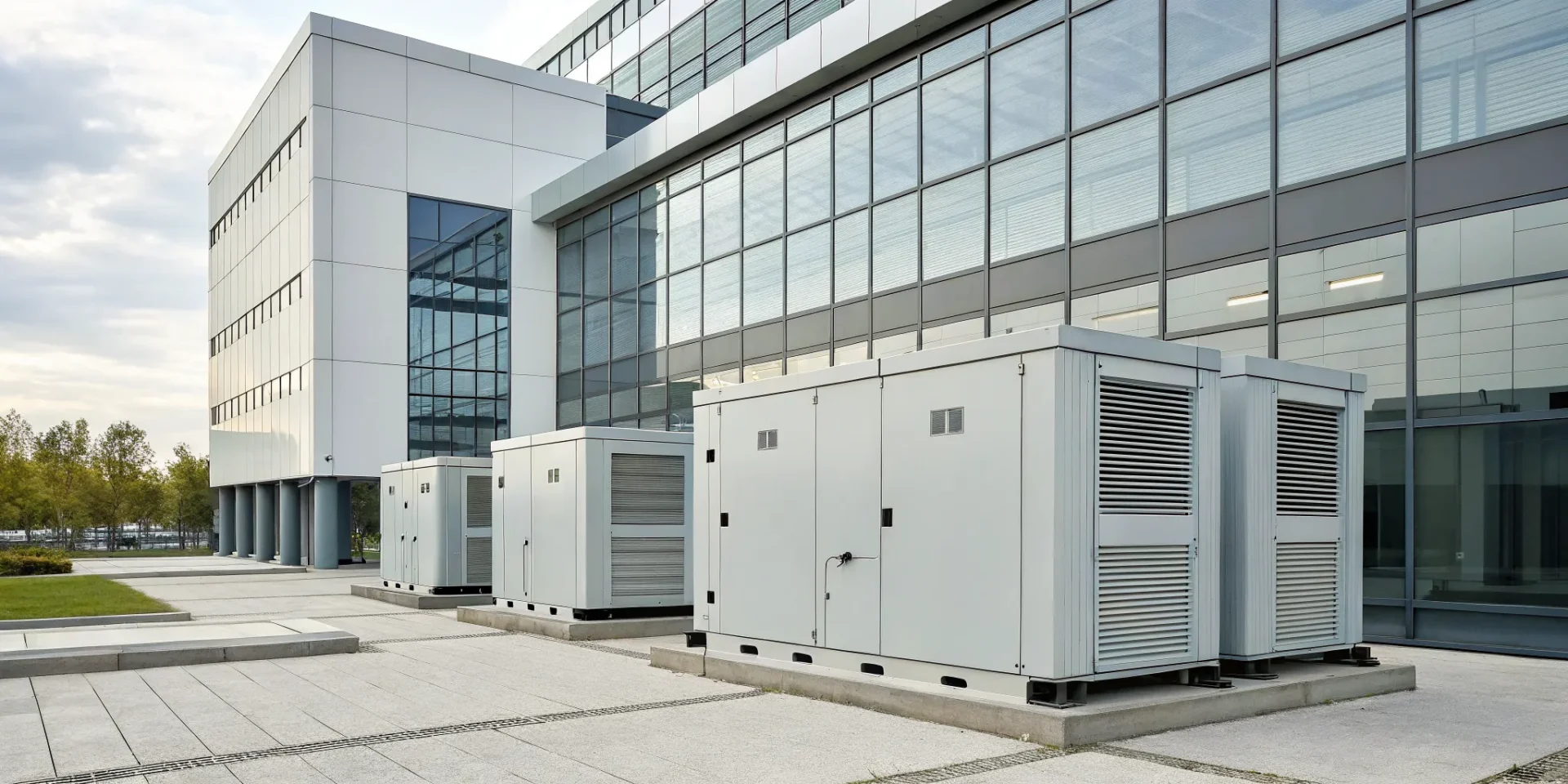
Your Guide to Choosing a Standby Gas Generator
If you’re a general contractor or a homeowner planning a new build or major remodel, now is the perfect time to think about backup power. Integrating a standby generator during the construction phase is far more efficient and cost-effective than retrofitting one later. It allows you to build a modern, resilient property that offers clients or your own family an incredible sense of security. From selecting the right size for a custom home to understanding the requirements for a small commercial space, planning ahead is key. We’ll explore the options, from residential models to the robust power of an commercial standby generator, so you can incorporate this valuable feature seamlessly into your project.
Key Takeaways
- Calculate your power needs to find the right fit: Before you shop, list the essential appliances and systems you need to run during an outage. This helps you choose the correct generator size and key features, like an automatic transfer switch, for seamless backup power.
- Rely on professional installation and manufacturer-recommended maintenance by an authorized provider: A standby generator is a complex system tied to your property’s electrical and fuel lines. Hiring a licensed contractor ensures a safe, code-compliant setup, and commissioning and documentation complete the installation.
- Choose a brand and fuel for long-term value: Look for manufacturers with a proven track record of reliability and a strong warranty. Your fuel choice also matters; natural gas often provides a convenient and cost-effective solution for consistent performance.
What Is a Standby Gas Generator?
Think of a standby gas generator as your home or business’s personal power plant, ready to kick in the moment an outage occurs. Unlike portable generators you have to wheel out and start manually, a standby unit is a permanent fixture, much like your central air conditioner. It’s designed to provide reliable, automatic power by running on natural gas or propane. These generators are a fantastic solution for properties that need a lot of power, ensuring everything from your essential appliances to critical business equipment keeps running smoothly. They are also a cleaner-burning option for backup power, which is a great benefit for both you and the environment. Many modern gas generator sets are built to handle significant electrical loads, making them a dependable choice for keeping your property fully functional when the grid goes down.
How They Work
The magic of a standby generator is its automation. The system constantly monitors the electrical feed from your utility provider. As soon as it detects an interruption, an automatic transfer switch safely disconnects your property from the grid and signals the generator to start. Within seconds, the generator is up to speed and begins supplying electricity to your circuits. You might not even notice the power went out. These systems are specifically engineered to handle the heavy demands of modern homes and businesses, so you don’t have to worry about your critical systems failing. Top brands design their generators to be incredibly durable and dependable, giving you peace of mind through any storm.
Natural Gas vs. Propane: Which Is Right for You?
Choosing your fuel source is a key decision. A natural gas generator connects directly to your utility line, meaning you have a virtually endless supply of fuel without needing refills. It’s often seen as a highly efficient and clean option. However, if your property isn’t connected to a natural gas line, which is common for farms or more remote homes, propane is an excellent alternative. Propane is stored in a large tank on your property, so you have a dedicated fuel reserve ready to go. Many generators are built with fuel flexibility, but understanding your property’s needs and infrastructure is the first step in making the right fuel selection.
Key Features to Look for in a Standby Generator
When you start comparing standby generators, the technical specs can feel a little overwhelming. But it really comes down to a few key features that determine how well a generator will meet your needs. Thinking through these points will help you find a model that provides reliable power for your home or business, giving you peace of mind when the grid goes down. It’s about matching the machine’s capabilities to what you truly need to keep running during an outage.
Power Output and Capacity
The first thing to consider is how much power you actually need. A generator’s output, measured in kilowatts (kW), tells you how many appliances and systems it can run at once. Do you just want to keep the essentials going, like your refrigerator, lights, and well pump? Or do you need to power your entire home, including the HVAC system, or run a commercial operation without interruption? Sizing your generator correctly is critical. A unit that’s too small won’t be able to handle the load, while one that’s too large can be inefficient. A professional can help you perform a load calculation to find the perfect size for your specific residential or commercial needs.
Fuel Efficiency and Long-Term Costs
The initial purchase price is just one part of the equation. You also want to think about the long-term cost of ownership, and fuel is a big piece of that puzzle. Natural gas is often a more dependable and cost-effective fuel source over time compared to other options. Since standby generators are a long-term investment in your property’s security and comfort, choosing a fuel-efficient model can lead to significant savings over the life of the unit. It’s worth looking at consumption rates and comparing them with local fuel costs to get a clear picture of what you can expect to spend during extended use.
Environmental and Noise Considerations
Let’s be honest, no one wants a generator that sounds like a jet engine in their backyard. Thankfully, many modern generators are designed with noise reduction in mind. Look for models that come with sound-dampening enclosures, which can make them quiet enough to not disturb you or your neighbors. This is especially important for homes in residential communities and for businesses that need to maintain a peaceful environment for customers. Additionally, natural gas and propane generators burn cleaner than diesel, producing fewer emissions, which is a great benefit for air quality.
Automatic Controls and Monitoring Features
The best part of a standby generator is that it works when you’re not even thinking about it. A key feature is the automatic transfer switch (ATS), which detects a power outage, automatically starts the generator, and switches your home or business to generator power. When utility power returns, it reverses the process. Many modern units also come with advanced digital controls that allow for easy remote monitoring from your smartphone or computer. This lets you check the generator’s status, review its performance history, and receive maintenance alerts from anywhere.
Gas vs. Diesel Generators: A Quick Comparison
When you’re exploring standby power, you’ll quickly find that gas and diesel are the two main players. While this guide focuses on natural gas and propane generators, understanding the key differences between them and their diesel counterparts will help you feel confident in your final choice. Each has its own set of strengths, and the best option for you depends on your specific power needs, budget, and property. Let’s break down how they compare in the areas that matter most.
Performance and Reliability
Both gas and diesel generators are reliable workhorses, but they perform differently. Diesel engines are built for the long haul. They are incredibly durable and can handle heavy power loads for extended periods, which is why they’re often seen in commercial settings. Gas generators, powered by natural gas or propane, are a fantastic and dependable choice for homes and many businesses. They tend to start more easily in cold weather and require less maintenance than diesel engines. While modern generators can run on various types of fuel, the choice between gas and diesel often comes down to balancing raw power with everyday convenience.
A Look at Operating Costs
Your generator’s initial price is just one part of the total cost. Diesel is one of the most fuel-efficient options available, which can mean lower running costs during a long outage. However, diesel generators usually come with a higher price tag upfront. Natural gas generators often have a lower initial cost and the huge benefit of being connected directly to your utility line, so you never have to worry about refueling. Propane generators require a storage tank on your property, but propane doesn’t degrade over time. The right financial choice involves weighing the purchase price against the long-term fuel and maintenance expenses.
Environmental Friendliness and Noise
Many people assume diesel generators are loud and produce a lot of exhaust, and historically, that was true. While newer models have made significant strides with better emissions standards and sound-dampening enclosures, they still tend to be louder and produce more emissions than their gas counterparts. Natural gas is the cleanest-burning fuel of the three, followed closely by propane. This makes gas generators a quieter, more neighborhood-friendly option. If noise levels and environmental impact are high on your priority list, a natural gas or propane generator is likely the better fit for your home or business.
Who Needs a Standby Generator?
A standby generator is more than just a backup plan; it’s a source of security and stability when the unexpected happens. Whether you’re protecting your family, your business, or your clients’ investments, uninterrupted power is essential. Different needs call for different solutions, so let’s look at who benefits most from having a generator ready to go.
For Your Home or Farm
Power outages can range from a minor hassle to a major problem. For homeowners, a standby generator means your lights, refrigerator, and heating system keep running, ensuring your family’s comfort and safety. It’s especially critical if you rely on powered medical equipment. For farm owners, a generator protects your livelihood by keeping pumps, irrigation systems, and climate controls for livestock operational. Many homeowners and farmers find that natural gas is a dependable and cost-effective fuel choice, providing reliable power without the need for frequent refueling. It’s the ultimate peace of mind, no matter the weather.
For Your Business
For any business, downtime means lost revenue. A standby generator ensures your operations continue smoothly during an outage, protecting everything from your security systems and servers to your point-of-sale terminals. This is crucial for restaurants that need to keep freezers running, retail stores that need to serve customers, and offices that can’t afford to lose data. By investing in a reliable power source, you show your customers and employees that you’re prepared for anything. Explore our commercial services to see how we can help keep your business running without interruption.
For General Contractors and New Builds
As a general contractor, you’re not just building structures; you’re building modern, resilient homes and commercial spaces. Integrating a standby generator into your new builds is a powerful selling point that offers clients security and value. Planning for a generator during the construction phase is far more efficient than retrofitting one later. You can offer a complete energy solution that allows a property to operate independently during outages. As you plan your projects, consider how our electrical services can help you deliver the reliability and forward-thinking features your clients are looking for.
What to Look for in a Generator Brand
Once you’ve decided on the type and size of generator you need, the next step is choosing a brand. This decision is a big one, as it affects the performance, longevity, and overall value of your investment. A generator is a critical piece of equipment for your home or business, so you want to partner with a manufacturer that has a solid reputation. Think of it less like buying an appliance and more like choosing a long-term partner for your property’s power security.
Different brands specialize in different areas, but the best ones share a few key qualities. They build reliable products, stand behind them with strong warranties, and make it easy to find professional support for installation and maintenance. Focusing on these three areas will help you find a generator that you can count on for years to come, keeping your lights on and your operations running smoothly no matter what the weather brings.
Proven Reliability and Durability
A standby generator is your first line of defense against a power outage, so it has to work when you need it most. Look for brands known for building tough, dependable machines. Top-tier manufacturers use high-quality materials and engineering to create stationary generators that can handle harsh conditions and heavy use without failing.
Do a little research into a brand’s history. How long have they been in business? What do customer reviews say about their long-term performance? A brand with a long track record of reliability is usually a safe bet. This isn’t the place to take a chance on an unknown name; you want a generator that’s built to last and proven to perform.
Strong Warranty and Support
A good warranty is a clear sign that a manufacturer has confidence in its product. Before you buy, take a close look at the warranty details. It should cover both parts and labor for a reasonable period, protecting you from unexpected repair costs. Some of the best brands offer comprehensive warranties that give you complete peace of mind, knowing your investment is secure.
Beyond the warranty itself, consider the company’s customer support. If you have a question or an issue, how easy is it to get help? A brand that offers accessible and helpful support shows a commitment to its customers that extends well beyond the initial sale. This level of ongoing support is just as important as the quality of the generator itself.
Availability of Professional Service
Even the best generator needs to be installed and maintained correctly to operate safely and efficiently. That’s why it’s so important to choose a brand that has a network of certified professionals who can service their equipment. When a manufacturer partners with qualified local installers, you can trust that your generator will be set up according to code and maintained to factory standards.
Working with a certified technician ensures every aspect of the job, from initial placement to the final connection, is handled correctly. Here at Pro-Tech-Power, we specialize in generator services, and we partner with leading brands to provide expert installation and maintenance. This ensures your system runs perfectly from day one and continues to protect your property for its entire lifespan.
How to Choose the Right Generator
Picking the right generator feels like a big decision, because it is. It’s an investment in your home’s safety and your family’s comfort. When the power goes out, you want peace of mind, not the sudden realization that you chose a model that can’t handle your needs. The key is to break the process down into a few manageable steps. By thinking through your power requirements, planning the installation, and viewing it as a long-term investment, you can confidently select a generator that’s a perfect fit for your property. Let’s walk through how to get it right.
Calculate Your Power Needs
First things first, you need to figure out how much power you actually use. When choosing a generator, it’s essential to know the total wattage of all the appliances and systems you plan to run during an outage. Start by making a list of the absolute must-haves: your refrigerator, heating and cooling system, well pump, and a few lights. Then, add the nice-to-haves, like your TV, computers, and microwave. This simple exercise is the foundation for finding a generator that can handle the load efficiently without being overworked. A professional can help you perform a detailed load calculation to ensure you get the precise power you need.
Plan for Your Installation
Installing a standby generator is more involved than just setting it in place. Proper planning is crucial for a safe and effective setup. Modern electrical codes are complex and often require specific equipment to safely connect the generator to your home’s system and the local power grid. A professional installation ensures everything is up to code, from the generator’s placement to its connection to your fuel line and electrical panel. This isn’t a DIY project; working with a licensed electrical contractor guarantees that your system is safe, compliant, and ready to perform when you need it most.
Make a Smart Long-Term Investment
A standby generator is a significant addition to your home, so it’s important to think about the long-term value. Natural gas is often a dependable and more affordable fuel choice over time compared to diesel, making it a smart investment for reliable standby power. While the initial cost is a factor, a permanent standby generator provides lasting security and can even increase your property value. It’s about ensuring your home or business remains fully functional during any outage, protecting your family, your assets, and your daily life without interruption.
Keeping Your Generator in Top Shape
Think of your standby generator like the engine in your car. It sits idle most of the time, but you count on it to start instantly when you need it. Just like your car, your generator needs regular attention to ensure it’s ready for action during the next power outage. Investing in routine care is the best way to protect your investment and guarantee peace of mind.
Regular maintenance is the key to your generator’s reliability and efficiency. It helps prevent unexpected failures when the grid goes down and can significantly extend the life of your unit. A well-maintained generator starts when it’s supposed to, runs smoothly, and delivers the power your home or business depends on. Skipping this crucial step can lead to costly emergency repairs and leave you in the dark. At Pro-Tech-Power, we offer comprehensive generator services to keep your system in prime condition, so you’re always prepared.
The Importance of Professional Maintenance
While some basic checks can be done on your own, having a qualified technician service your generator is essential. Professionals have the training to spot subtle issues that could become major problems. They follow a detailed checklist to ensure every component, from the engine to the electrical connections, is working correctly. Natural gas generators need these regular check-ups to keep them running smoothly. A professional service appointment gives you confidence that your generator has been thoroughly inspected and is ready to perform flawlessly during an emergency, protecting your family, property, or business operations.
Key Maintenance Tasks
A thorough maintenance plan covers several critical areas to keep your generator dependable. During a service visit, a technician will perform key tasks to ensure everything is in working order. This includes changing the oil and filters according to the manufacturer’s recommendations, cleaning the air filter, and checking the battery’s health. They will also inspect the entire fuel system for any potential leaks or blockages and check all electrical connections to make sure they are secure. This proactive approach addresses wear and tear before it can cause a failure, ensuring your generator is always ready to power your property.
Ready to Secure Your Power?
Once you’ve narrowed down your options, the next step is bringing your generator home. This final phase is all about professional installation and long-term peace of mind. Working with the right team ensures your investment is protected and ready to perform when you need it most. Here’s what to focus on as you finalize your decision and move forward with confidence.
Why Work With a Qualified Installer
Installing a standby generator is a serious job that connects directly to your property’s electrical system and fuel lines. This isn’t a weekend DIY project. A qualified installer handles all the technical details, from securing the right permits to ensuring every connection meets local safety standards. Professional electrical contractors are focused on providing accurate, stable, and predictable results, giving you confidence that the job is done right the first time. They can assess your property, recommend the best placement, and manage the entire installation process, so you can rest easy knowing your power solution is safe and reliable.
What to Expect from a Service Package
Choosing a generator is about more than the machine itself; it’s about the complete service that comes with it. A comprehensive service package should start with a thorough site assessment to determine the perfect location and setup for your property. The provider should handle the entire installation, from pouring the concrete pad to making the final electrical and fuel connections. Look for a team that offers ongoing support, including parts and service, long after the installation is complete. This ensures your generator is tailored to your needs and maintained for reliability for years to come.
Understanding Your Warranty and Support
A strong warranty is your assurance that the manufacturer stands behind its product. Before you buy, get clear on the details. How long does the warranty last? Does it cover both parts and labor? Who do you call if something goes wrong? Top brands offer full support through a network of trained technicians, covering everything from sales to service. A great provider will not only sell you a quality generator but will also be there to service it throughout its lifespan. This combination of a solid product warranty and accessible local support is key to a smart long-term investment.
Related Articles
Frequently Asked Questions
Can a standby generator really power my entire house? Yes, it absolutely can, but it all comes down to choosing the right size. A generator’s capacity is measured in kilowatts (kW), and the key is to select a unit that can handle the total electrical load of everything you want to run simultaneously. Some people choose to power only essential circuits, like the refrigerator, furnace, and a few lights. Others opt for a whole-home solution that powers everything without compromise. A professional load calculation is the best way to determine the exact size you need for your specific home or business.
What does the automatic transfer switch actually do? Think of the automatic transfer switch (ATS) as the brain of your generator system. This smart device is installed next to your main electrical panel and constantly monitors the power coming from the utility grid. The moment it detects an outage, it safely disconnects your home from the grid and signals your generator to start up. Once the generator is running, the ATS transfers the electrical load to it. The entire process happens automatically within seconds, so you might not even notice the switch.
How long can my generator run continuously during a long outage? The runtime really depends on your fuel source. If your generator is connected to a natural gas line, it has a virtually unlimited fuel supply and can run for as long as the utility provides gas. For generators running on propane, the runtime is limited by the size of your storage tank. A properly sized tank can still power your home for many days or even weeks, but it will eventually need to be refilled.
How often does my generator need professional maintenance? To ensure your generator is always ready to perform when you need it, we recommend a professional service appointment at least once a year. Much like a car, a generator has an engine that needs regular care, including oil changes, filter replacements, and battery checks. An annual check-up by a certified technician ensures all components are in top condition and helps catch any small issues before they become major problems during an emergency.
What’s involved in the installation process? A professional installation is a multi-step process that ensures your generator is safe, reliable, and compliant with all local codes. It typically starts with a site assessment to find the best location. From there, a concrete pad is often poured to create a stable base. The installer then connects the generator to your fuel source (natural gas or propane) and integrates the automatic transfer switch with your home’s main electrical panel. The final step involves testing the entire system to make sure it operates perfectly.