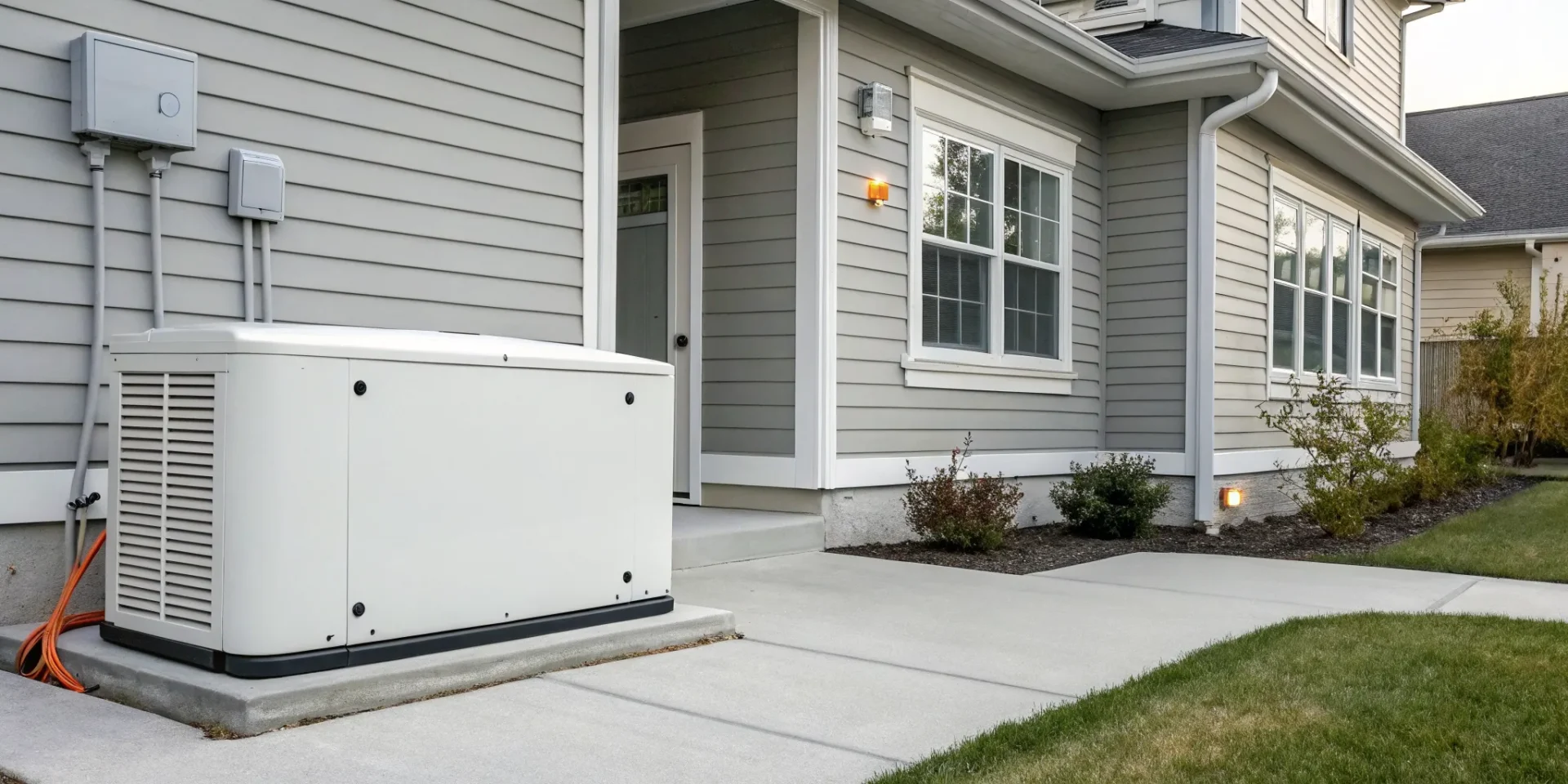
How Much Does a Generac 22kW Install Cost?
Here in the Pacific Northwest, a power outage can be more than a minor inconvenience. A reliable backup generator provides true peace of mind when the weather turns. While the Generac 22kW is a capable unit, understanding the full financial picture is the first step. The question of how much does it cost to install a Generac 22kW generator involves more than just the equipment. It includes professional site preparation, electrical work, and securing local permits. As licensed electricians who specialize in installing premium Kohler and Cummins generators, we know exactly what a safe, code-compliant installation requires for any major backup power system. Let’s explore the costs you can expect for a complete system that will protect your home for years to come.
Key Takeaways
- Understand the Full Investment: The final price for a whole-home generator is a complete package that includes the unit, the automatic transfer switch, and professional installation, typically ranging from $8,000 to $16,000.
- Your Property Dictates the Price: An accurate quote is customized to your home and depends on specific factors like the distance to utility lines, the condition of your electrical panel, and any required site preparation.
- Prioritize Professional Sizing and Installation: A licensed electrician is essential for performing a correct load calculation to choose the right generator size and for handling the complex installation to ensure safety, reliability, and warranty compliance.
How Much Does a Generac 22kW Generator Installation Cost?
Figuring out the budget for a whole-home generator is one of the first steps you’ll take, and it’s smart to know what to expect. The final price tag for a Generac 22kW generator isn’t just the cost of the unit itself. It’s a complete package that includes the generator, a crucial piece of equipment called an automatic transfer switch, and the professional installation that brings it all together safely and correctly. The 22kW model is a popular choice because it’s powerful enough to run most household essentials, like your HVAC system, refrigerator, and lights, without a hitch.
While our team specializes exclusively in the installation of Kohler and Cummins systems, we believe in giving you clear, upfront information about all major brands on the market—including Generac—to help you make the best decision for your home. A backup power solution is a significant investment in your family’s comfort and security, so let’s break down the costs you can anticipate for a complete and professional installation.
The Generator Unit
The Generac 22kW generator unit itself typically costs between $5,000 and $7,000. Think of this as the starting point for your total investment. This price covers the machine that produces the power, which is the heart of your backup system. It’s a robust piece of equipment designed to kick on automatically the moment you lose power from the grid. However, this price doesn’t include the automatic transfer switch, wiring, or any of the labor needed to get it running. Understanding the baseline cost of the generator helps you see how the other necessary components and services build toward your final price.
Professional Installation
Professional installation is not a step you want to skip, and you can expect this to cost between $3,000 and $6,000, sometimes more depending on the job’s complexity. This fee covers the licensed electrician’s time and expertise to ensure your generator is installed safely and up to code. The work includes connecting the generator to your home’s electrical panel, installing the automatic transfer switch, and hooking up the fuel line. Our team handles all the necessary electrical work and permits, so you can have peace of mind knowing everything is done right. The final installation cost can vary based on your property’s layout and the distance to your utility connections.
Your Total Estimated Price
When you combine the cost of the generator, the transfer switch, and professional labor, the total estimated price for a Generac 22kW generator installation typically falls between $8,000 and $16,000. Most homeowners find their total investment lands around the $13,000 mark for a standard installation. This all-in price reflects a complete, turn-key system that’s ready to protect your home from power outages. A proper backup generator installation ensures your system is reliable, safe, and prepared to work exactly when you need it most, keeping your lights on and your home comfortable no matter the weather.
What Factors Influence the Final Cost?
When you’re budgeting for a whole-home generator, the price of the unit itself is just the starting point. The final cost is a combination of the equipment and the professional installation, which can vary quite a bit from one home to the next. It’s why you won’t find a simple, flat-rate price for this kind of project. Several key factors related to your specific property will shape the total investment, and understanding these variables will help you see the full picture and prepare for a more accurate quote.
Think of it like this: every home has a unique layout and existing infrastructure. The installation process has to be tailored to fit those specific conditions perfectly to be safe and effective. A straightforward installation at a new construction site with easy access to utilities will look very different from a complex project at an older home with mature landscaping or long distances between utility hookups. The goal is to create a seamless, reliable backup power system, and that requires a custom approach. Let’s walk through the main elements that will influence your final installation price.
Your Property’s Layout
The physical layout of your property plays a huge role in the installation process. A key consideration is the placement of the generator itself. It needs to be a safe distance from doors, windows, and vents, but also close enough to your electrical panel and gas meter to keep connection costs down. The total cost can change a lot depending on details like how far the generator needs to be from your home’s electrical systems. A longer distance means more trenching, more wiring, and more labor, which all add to the final bill. Our team will assess your property to find the most efficient and safest location.
Distance to Utility Lines
Similar to your property’s layout, the distance from the generator to your utility lines is a major cost factor. The difficulty of connecting the gas line is a big reason for price differences between projects. If your natural gas meter or propane tank is far from the generator’s location, the installer will need to run a longer fuel line. This might involve digging a trench across your yard, which adds significant labor and material costs. In some cases, your existing gas line might even need to be upgraded to handle the generator’s demand, which is another variable that can affect the price.
Your Geographic Location
Where you live has a direct impact on how much your installation will cost. Labor rates, permit fees, and local building codes vary from city to city and state to state. Here in the Portland area, we have specific requirements that must be met to ensure a safe and compliant installation. The cost of materials can also fluctuate based on regional supply and demand. That’s why a quote you see online for a project in another state might not reflect the true cost of getting the work done right here in Oregon. It’s always best to get a quote from a local, licensed contractor.
Your Home’s Electrical System
Installing a standby generator is a complex job that involves high-voltage electricity and fuel lines. It’s definitely not a DIY project and must be handled by licensed professionals to ensure safety and keep your warranty valid. The current state of your home’s electrical system is a critical factor. If your main electrical panel is outdated, too small, or already full, it may need to be upgraded to accommodate the automatic transfer switch and the generator’s electrical load. A thorough site evaluation will determine if any updates are needed to your existing system before the generator can be installed.
What Other Costs Should You Plan For?
When you’re planning for a whole-home generator, the price of the unit and the basic installation are just the starting point. To get a full and accurate picture of your total investment, you need to account for a few other essential costs. These items aren’t “extras”; they are necessary components of a safe, legal, and reliable installation. Thinking about them now helps you create a realistic budget and prevents any surprises down the road. A professional installer will include these elements in your final quote, but understanding what they are ahead of time makes the whole process much smoother. From local permits to the fuel source, each piece plays a critical role in getting your generator up and running correctly.
City Permits and Inspections
Any major home project, including a generator installation, requires the proper paperwork. Your city or county will require permits to ensure the work is done safely and meets all local building and electrical codes. This process also includes one or more inspections by a local official after the installation is complete. The cost for these permits and inspections can vary depending on where you live, but it’s a non-negotiable step. Working with a licensed contractor is a huge help here, as they will handle the entire permitting process for you. This ensures everything is filed correctly and your installation is fully compliant from day one.
Preparing the Installation Site
Your generator needs a specific spot to live, and preparing that area is a key part of the installation. This isn’t as simple as just dropping it on the lawn. The process involves selecting a location that meets code requirements for distance from windows, doors, and vents. From there, the ground must be perfectly leveled, and a solid base, usually a concrete pad, is put in place to prevent the generator from shifting. Proper site preparation ensures your generator runs efficiently and safely for years to come. The complexity of this step often depends on your property’s layout, which is why an on-site evaluation is so important.
Natural Gas or Propane Line Hookup
A standby generator needs a constant fuel source to be ready at a moment’s notice. Most homeowners connect their generator to their home’s existing natural gas line, which is a convenient and continuous fuel supply. If you don’t have natural gas, the other option is a large liquid propane (LP) tank. The cost of connecting to a fuel source can vary quite a bit. If a gas line is easily accessible, the cost is lower. However, if a new line needs to be run from the street or a large propane tank needs to be installed, it can be a significant additional expense.
The Automatic Transfer Switch
The automatic transfer switch, or ATS, is the brain of your generator system. This smart device is what makes your backup power truly automatic. The ATS constantly monitors the electricity coming from the utility. The second it detects an outage, it signals the generator to start up and then safely transfers your home’s electrical load to the generator. When utility power is restored, the ATS switches you back and shuts the generator down. While the transfer switch itself is often included with the generator unit, its professional installation into your home’s main electrical panel is a critical part of the job that requires a skilled electrician.
How Does Generac Compare to Kohler and Cummins?
When you start looking at whole-home generators, three names consistently come up: Generac, Kohler, and Cummins. All are reputable brands that will keep your lights on during an outage, but they have key differences in their design philosophy, performance, and cost. Generac is often recognized for its accessibility and wide range of options, making it a popular choice for many homeowners.
On the other hand, Kohler and Cummins have deep roots in commercial power generation, and they bring that heavy-duty engineering to their residential units. As authorized dealers for Kohler and Cummins, we have an in-depth understanding of their construction and long-term performance. While Generac is a widely accessible option on the market, we find that homeowners who prioritize commercial-grade durability and robust power quality consistently choose to have us install Kohler or Cummins systems. The best choice for you ultimately depends on your budget, power needs, and what you value most in a long-term investment for your home.
Comparing Upfront Costs
Your initial investment is a major factor, and this is where the brands differ most. A professionally installed Generac generator is often the most budget-conscious option. The total cost for a Generac system can be lower than its competitors, which makes it an attractive entry point for homeowners seeking reliable backup power without the premium price tag.
Kohler and Cummins generators typically represent a higher upfront investment. This price difference is directly tied to their construction. These units are often built with commercial-grade components, such as heavier-duty engines and corrosion-resistant enclosures, which are designed for exceptional longevity and performance under stress. For homeowners who view their generator as a permanent home fixture and prioritize long-term reliability, the higher initial cost of a Kohler or Cummins can be a worthwhile trade-off for peace of mind.
Key Features and Reliability
Generac generators are known for their user-friendly features, including mobile apps that let you monitor the generator’s status from your phone. They offer a wide selection of models, making it easy to find one that fits your home’s specific needs. With proper maintenance, these units are built to last for decades.
Where Kohler and Cummins truly stand out is in their reputation for rock-solid reliability, born from decades of powering hospitals, data centers, and other critical facilities. Kohler generators are famous for their ability to restore power in as little as 10 seconds. Both Kohler and Cummins units often run quieter and are built with robust materials designed to withstand harsh weather conditions year after year. This focus on durable, commercial-quality engineering gives many homeowners confidence that their power will be there when they need it most.
Installation Needs and Complexity
Regardless of the brand you choose, installing a standby generator is a complex job that is not safe to do yourself. It requires a licensed and certified electrical contractor to handle high-voltage wiring and fuel line connections safely and correctly. The process for all three brands is quite similar, involving a site evaluation, preparing a concrete pad, and connecting the unit to your home’s electrical panel and fuel source.
The most important factor in any installation is the expertise of the team doing the work. Because every home’s electrical system and property layout is unique, the installation must be tailored to your specific situation. An experienced installer ensures that your generator operates efficiently and meets all local codes. Choosing a contractor with deep product knowledge guarantees that your system is set up for optimal performance from day one.
Are There Financing Options for a New Generator?
Investing in a whole-home generator is a significant step toward securing your family’s comfort and safety, but it doesn’t have to be a financial strain. The upfront cost can feel daunting, but thankfully, there are several ways to make the purchase more manageable. From payment plans that spread the cost over time to special offers that reduce the total price, you have options. Thinking through these possibilities ahead of time will help you find a path that fits your budget.
Flexible Payment Plans
If you prefer not to pay the full amount at once, flexible payment plans are a popular choice. Many homeowners find they can finance a new generator for a manageable monthly payment. These plans break down the total cost, which includes the generator, equipment, and professional installation, into smaller pieces. Many generator manufacturers and installation partners offer financing programs designed to fit different budgets. This approach allows you to get the peace of mind you need now while paying for the system over a set period.
Manufacturer Rebates and Offers
It’s always a good idea to look for special promotions before you buy. Generator manufacturers often run seasonal rebates and other deals that can lower your overall cost. These offers can change throughout the year, so it’s smart to ask your installer what’s currently available. A quick search on the manufacturer’s website can also reveal current promotions you might qualify for. Taking a few minutes to check for these opportunities can lead to substantial savings on your final bill.
Potential Tax Credits
In some situations, you may be able to receive a tax credit for your generator purchase, which can help offset the expense. For example, if a generator is required for medical reasons, such as powering essential home medical equipment during an outage, it could potentially be considered a deductible medical expense. The rules around this can be specific, so it’s best to consult with a tax professional to see if your situation qualifies. You can learn more about what the IRS considers a valid medical expense to determine your eligibility.
What Could Cause Installation Costs to Change?
While a professional quote gives you a solid financial starting point, it’s smart to know what variables can affect the final price. The installation process involves several moving parts, and sometimes surprises pop up. Being aware of these potential changes helps you budget effectively and ensures there are no major shocks when the final invoice arrives. Think of it as planning for the “what ifs” so your project goes as smoothly as possible.
Weather Delays
The complete backup generator installation process, from site prep to final testing, can take time. Here in the Pacific Northwest, we know the weather doesn’t always cooperate. Heavy rain, wind, or snow can pause outdoor work, like trenching for utility lines or pouring a concrete pad for the generator to sit on. While a short delay might not change the cost, extended periods of bad weather can sometimes impact labor schedules and project timelines, which could lead to minor adjustments in the final price.
Unexpected Site Issues
Every property is unique, and sometimes the ground holds surprises. Your installation team might discover difficult, rocky soil that requires special equipment to excavate or find that the chosen spot isn’t perfectly level. The distance between the generator and your home’s electrical panel or gas meter also plays a big role. If the location is far away or hard to access, it will require more materials and labor to run the necessary connections, which can increase the overall cost. An experienced installer will assess this during a site evaluation.
Permitting or Code Hurdles
Before any work begins, your installer needs to secure local permits. The fees for these permits can vary quite a bit depending on where you live. Additionally, local building codes are in place to ensure your generator is installed safely. Occasionally, a city inspector might require an adjustment that wasn’t part of the original plan. Hiring an experienced, licensed contractor who understands the specific codes in the Portland area helps minimize these issues, but it’s good to know that obtaining the necessary permits is a standard step that contributes to the total cost.
Necessary Electrical or Gas Line Updates
Your new generator needs to connect safely to your home’s existing systems. If your electrical panel is older or already at capacity, it may need an upgrade to handle the generator. Similarly, the installation cost can change based on the complexity of the gas line connection. If the line needs to be run a long distance, buried underground, or if your gas meter needs to be upgraded to support the generator’s fuel demand, these updates will add to the project’s scope and final price.
Is a 22kW Generator the Right Size for You?
Choosing the right generator isn’t about picking the biggest or most popular model; it’s about finding the perfect match for your home’s unique energy demands. A 22kW generator is a common choice for many homeowners because it hits a sweet spot of power and efficiency, but it’s not a universal solution. So, how do you know if it’s the right fit for you? It starts with understanding what you need to power when the lights go out. An underpowered generator will struggle to keep up, potentially damaging your appliances and leaving you without crucial power. On the other hand, an oversized unit means you’ve paid for capacity you’ll never use. The goal is to find that “just right” size that handles all your essentials and desired comforts without waste.
A 22kW generator can often power a whole house, including large appliances like central air conditioners, electric ranges, and clothes dryers. This makes it a strong contender for many families who want to maintain their lifestyle without interruption during an outage. But factors like the size of your home, the type of heating system you have, and whether you have special equipment like a well pump or medical devices all play a role. For example, a home with electric heat will have a much higher power demand in the winter than a home with natural gas heat. Similarly, if you have a large property with a well and septic pump, those systems need to be factored into your total load calculation. It’s these details that make a professional assessment so important.
Calculating Your Home’s Power Needs
Before you can choose a generator, you need a clear picture of your home’s electrical load. Think about the essentials you can’t live without during an outage: your refrigerator, furnace, well pump, and a few lights. Then, consider the other appliances you’d like to run, such as your central air conditioner, television, or home office equipment. While you can make a rough list, a professional evaluation is the only way to ensure your generator perfectly matches your home’s specific power needs. An experienced electrician can perform a detailed load calculation to guarantee you have reliable power without overspending on a unit that’s too large. This step is crucial for a safe and effective installation.
Matching the Generator to Your Electrical Load
Once you know your power requirements, you can match them to the right generator size. As a general guideline, a 22kW standby generator is often a great fit for homes between 2,000 and 3,500 square feet. This size can typically handle the load of most major appliances simultaneously, including a 4- or 5-ton central air conditioner, which is a major power draw. This means you can keep your family comfortable and your daily life running smoothly, not just barely getting by. It’s about finding that ideal balance of capability and cost, ensuring you have enough power for everything you need without paying for excess capacity.
The Long-Term Value of Backup Power
A whole-home generator is more than just a machine; it’s an investment in your home and your family’s well-being. Having a reliable backup power source provides incredible peace of mind, knowing you’re protected from power outages caused by storms or grid failures. It keeps your food from spoiling, your pipes from freezing, and your home secure. Installing a home generator can also increase your property’s value and appeal to future buyers. You’re not just buying a piece of equipment; you’re ensuring your family’s safety, comfort, and continuity, no matter what happens outside.
How to Get an Accurate Quote
Getting a quote for a generator installation isn’t like buying an appliance off the shelf. Because every home is different, any price you see online is just a starting point. The only way to know the true cost is to get a detailed, on-site estimate from a qualified electrical contractor. This process protects you from surprise fees and ensures the installer fully understands the scope of your project before any work begins. A trustworthy contractor will always insist on evaluating your property before giving you a firm number. This initial step is about more than just price; it’s about planning a safe and reliable installation that meets all local codes and your family’s specific power needs, ensuring everything runs smoothly from day one.
Think of the quoting process as your first interview with a potential contractor. It’s your chance to gauge their professionalism, expertise, and transparency. A clear, itemized quote shows that a company has done its homework and is confident in its ability to complete the job correctly. It separates the pros from those who might cut corners. At Pro-Tech-Power, we believe an informed customer is the best customer, which is why we prioritize a thorough evaluation and a straightforward quoting process for all our generator installations. We want you to feel completely confident in your investment and in our team before you sign anything.
What to Expect During a Site Evaluation
The first step toward an accurate quote is the site evaluation. During this in-person consultation, a professional will visit your home to determine the best plan for your generator installation. They will assess potential locations for the generator pad, making sure it complies with local noise ordinances and manufacturer requirements for airflow and clearance. The technician will also examine your existing electrical panel and gas meter to map out the necessary connections. This visit is essential for identifying any potential challenges, like complex trenching for utility lines or the need for a panel upgrade. It’s the only way for an installer to give you a precise quote based on your property’s unique layout and needs.
Key Questions to Ask Your Installer
When you meet with an installer, having a few key questions ready can help you compare quotes and choose the right partner. Start by asking for an itemized breakdown of the costs so you can see exactly what you’re paying for. A great question to ask is, “Does this quote include all necessary permits and inspections?” This helps you avoid unexpected municipal fees later. You should also ask for references from previous clients in your area. Speaking to past customers can give you real insight into the company’s workmanship and reliability. Finally, ask about their experience installing the specific brand of generator you’re considering, whether it’s a Generac, Kohler, or Cummins.
Red Flags When Choosing a Contractor
While you’re looking for the right installer, it’s just as important to know what to avoid. A major red flag is any contractor who gives you a firm quote over the phone without a site visit. This often leads to surprise costs once the work begins. Be cautious of unusually low bids, as they may signal cut corners or an inexperienced crew. A professional installation is critical for your generator’s safety, reliability, and warranty, so it’s not the place to skimp. Also, be wary of anyone who seems unfamiliar with the specific fuel and electrical requirements for a large home generator. A knowledgeable contractor will be able to explain the entire process clearly and confidently.
Related Articles
- How to Use a Whole House Generator Sizing Calculator USA – Pro-Tech-Power
- Whole House Generator Sizing: What Size Do You Need?
Frequently Asked Questions
How long does the entire installation process take from start to finish? A complete generator installation is a multi-step project that typically spans several days, not just a single afternoon. The process includes preparing the site and pouring a concrete pad, which needs time to cure. After that, our electricians will set the generator, connect it to your home’s electrical panel and fuel line, and install the automatic transfer switch. The final step is a thorough system test and a final inspection with the city.
Do you install Generac generators, or just Kohler and Cummins? At Pro-Tech-Power, we specialize exclusively in the installation of Kohler and Cummins standby generators. While Generac is a well-known brand that we are happy to help you research and compare, we choose to install Kohler and Cummins because we believe they offer the highest level of commercial-grade durability and long-term reliability for residential homes.
What kind of upkeep does a generator need after it’s installed? Think of your generator’s engine like the one in your car; it needs regular attention to be ready when you need it most. This typically includes annual check-ups, oil changes, and filter replacements. While our team at Pro-Tech-Power specializes in the complete electrical installation of your generator, we do not perform ongoing maintenance. You will need to partner with a certified technician who specializes in generator upkeep to handle the annual care for your unit.
Is the automatic transfer switch really a necessary expense? Yes, it is absolutely essential. The automatic transfer switch (or ATS) is what makes your standby generator truly automatic. It constantly monitors the power coming from the utility grid. The moment an outage occurs, the ATS safely disconnects you from the grid, signals the generator to start, and transfers power to your home. Without it, you would have to manually start your generator and connect it during an outage, which can be complicated and unsafe.
What is the most common reason for a big difference in installation quotes? The single biggest factor that influences the final price is the distance and complexity of running the new electrical and fuel lines. The location you choose for the generator in relation to your electrical panel and gas meter matters a lot. A longer distance requires more trenching, more materials like wiring and pipes, and more labor to get everything connected safely. This is why an on-site evaluation is the only way to get a truly accurate quote.